State Key Laboratory of Cotton Biology, Institute of Cotton Research, Chinese Academy of Agricultural Sciences, Anyang, 455000, Henan, China.
Crop Information Center, College of Plant Science and Technology, Huazhong Agricultural University, Wuhan, 430070, China.
BMC Genomics. 2020 May 4;21(1):340. doi: 10.1186/s12864-020-6723-9.
Root systems are critical for plant growth and development. The Casparian strip in root systems is involved in stress resistance and maintaining homeostasis. Casparian strip membrane domain proteins (CASPs) are responsible for the formation of Casparian strips.
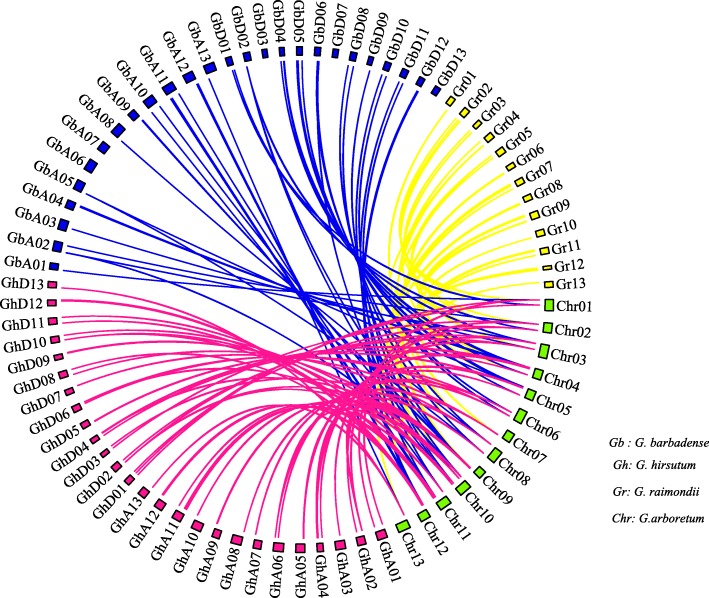
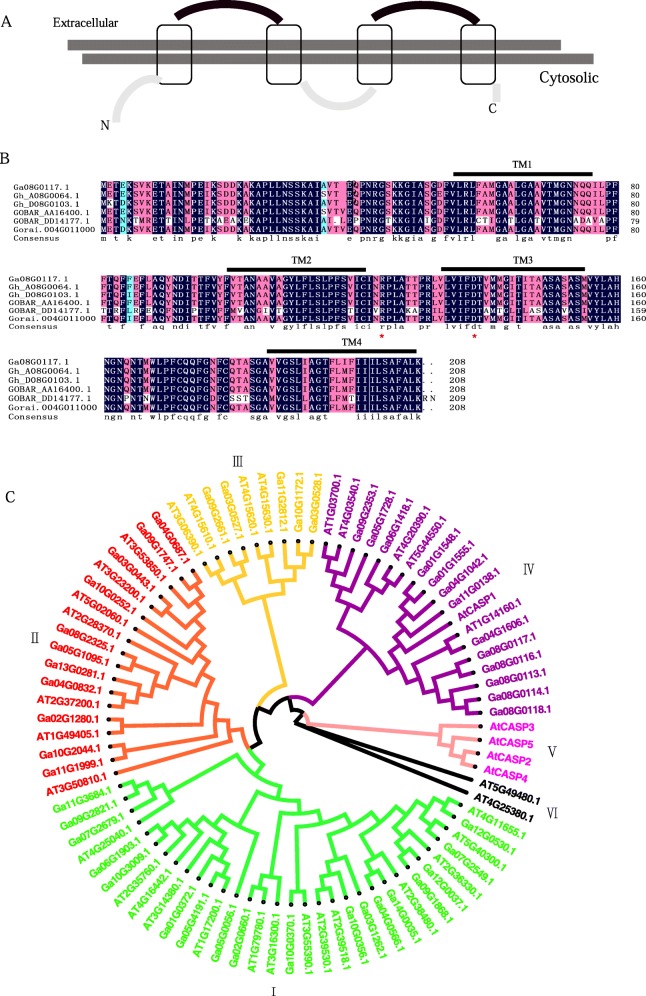
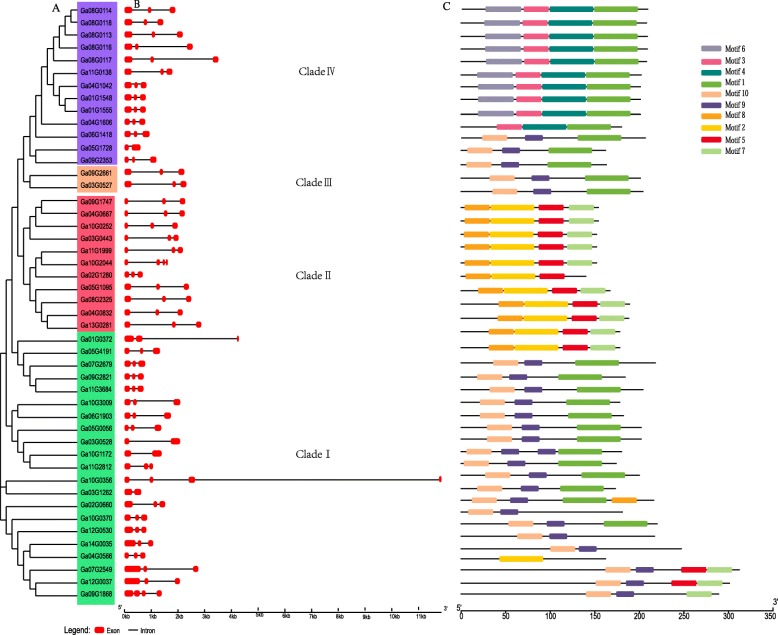
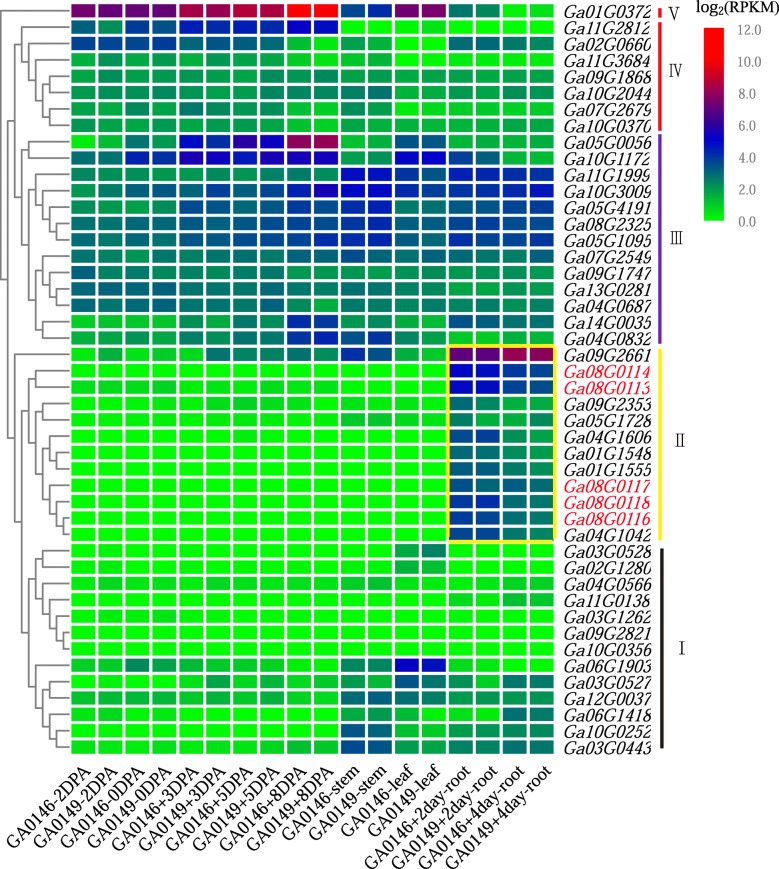
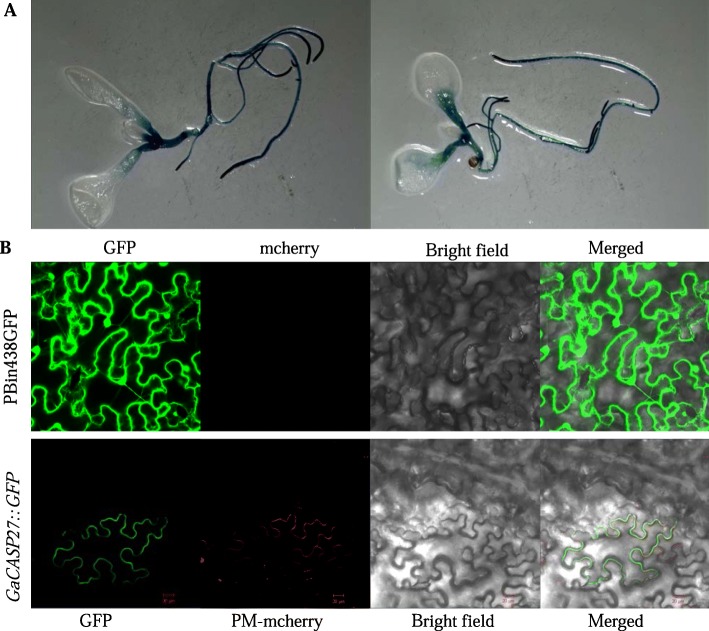
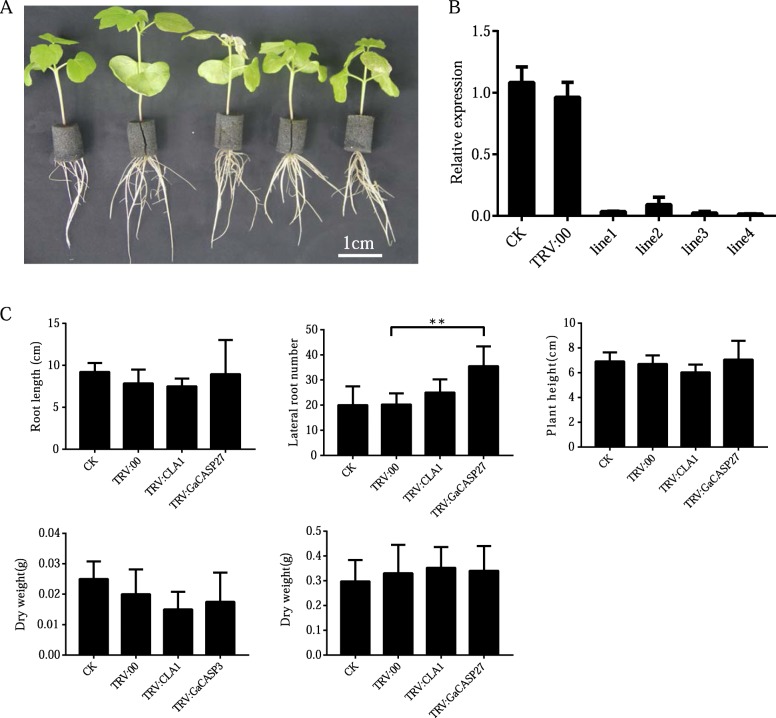
To investigate the function of CASPs in cotton, we identified and characterized 48, 54, 91 and 94 CASPs from Gossypium arboreum, Gossypium raimondii, Gossypium barbadense and Gossypium hirsutum, respectively, at the genome-wide level. However, only 29 common homologous CASP genes were detected in the four Gossypium species. A collinearity analysis revealed that whole genome duplication (WGD) was the primary reason for the expansion of the genes of the CASP family in the four cotton species. However, dispersed duplication could also contribute to the expansion of the GaCASPs gene family in the ancestors of G. arboreum. Phylogenetic analysis was used to cluster a total of 85 CASP genes from G. arboreum and Arabidopsis into six distinct groups, while the genetic structure and motifs of CASPs were conserved in the same group. Most GaCASPs were expressed in diverse tissues, with the exception of that five GaCASPs (Ga08G0113, Ga08G0114, Ga08G0116, Ga08G0117 and Ga08G0118) that were highly expressed in root tissues. Analyses of the tissue and subcellular localization suggested that GaCASP27 genes (Ga08G0117) are membrane protein genes located in the root. In the GaCASP27 silenced plants and the Arabidopsis mutants, the lateral root number significantly increased. Furthermore, GaMYB36, which is related to root development was found to regulate lateral root growth by targeting GaCASP27.
This study provides a fundamental understanding of the CASP gene family in cotton and demonstrates the regulatory role of GaCASP27 on lateral root growth and development.
根系对于植物的生长和发育至关重要。根系中的凯氏带与植物的应激抗性和维持体内平衡有关。凯氏带膜域蛋白(CASP)负责形成凯氏带。
为了研究 CASP 在棉花中的功能,我们在全基因组水平上分别从 Gossypium arboreum、Gossypium raimondii、Gossypium barbadense 和 Gossypium hirsutum 中鉴定和描述了 48、54、91 和 94 个 CASP。然而,在这四个棉属物种中仅检测到 29 个共同同源 CASP 基因。共线性分析表明,全基因组复制(WGD)是四个棉花物种 CASP 家族基因扩张的主要原因。然而,分散复制也可能导致 G. arboreum 祖先中 GaCASP 基因家族的扩张。系统发育分析将来自 G. arboreum 和拟南芥的总共 85 个 CASP 基因聚类为六个不同的组,而 CASP 的遗传结构和基序在同一组中是保守的。大多数 GaCASP 在不同组织中表达,除了五个 GaCASP(Ga08G0113、Ga08G0114、Ga08G0116、Ga08G0117 和 Ga08G0118)在根组织中高表达外。组织和亚细胞定位分析表明,GaCASP27 基因(Ga08G0117)是位于根中的膜蛋白基因。在 GaCASP27 沉默植物和拟南芥突变体中,侧根数量显著增加。此外,与根发育有关的 GaMYB36 被发现通过靶向 GaCASP27 来调节侧根的生长。
本研究为棉花 CASP 基因家族提供了基础认识,并展示了 GaCASP27 对侧根生长和发育的调控作用。