Virology and Immunology Unit, Cancer Biology Department, National Cancer Institute, Cairo University, Cairo, Egypt.
Nanotechnology Research Center, British University, Cairo, Egypt.
Int J Nanomedicine. 2020 Apr 22;15:2699-2715. doi: 10.2147/IJN.S241702. eCollection 2020.
Current direct-acting antiviral agents for treatment of hepatitis C virus genotype 4a (HCV-4a) have been reported to cause adverse effects, and therefore less toxic antivirals are needed. This study investigated the role of curcumin chitosan (CuCs) nanocomposite as a potential anti-HCV-4a agent in human hepatoma cells Huh7.
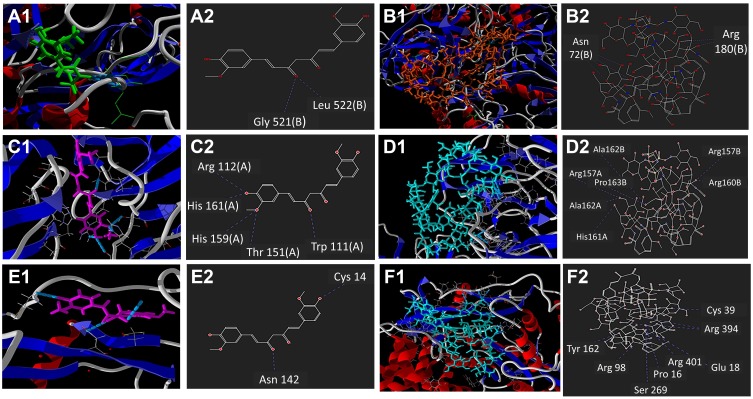
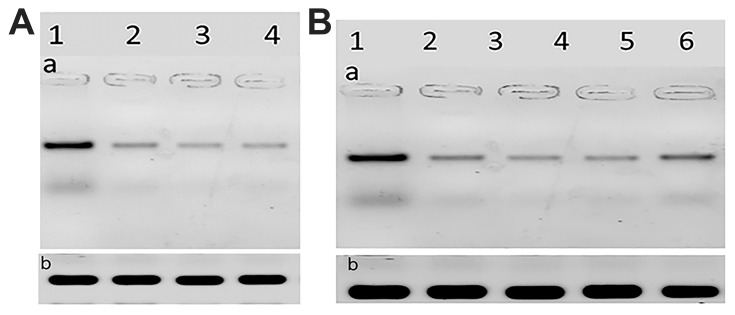
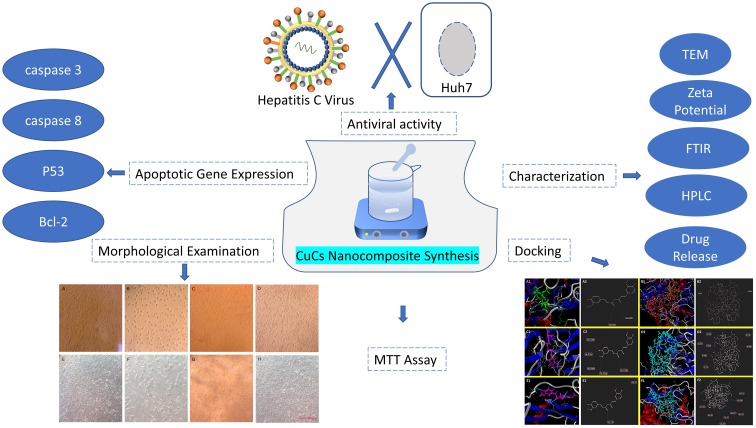
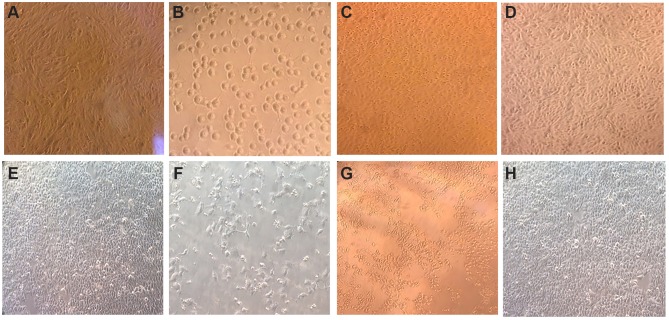
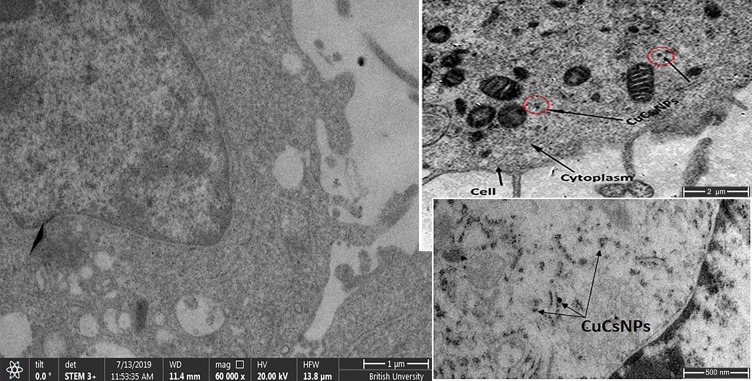
Docking of curcumin and CuCs nanocomposite and binding energy calculations were carried out. Chitosan nanoparticles (CsNPs) and CuCs nanocomposite were prepared with an ionic gelation method and characterized with TEM, zeta size and potential, and HPLC to calculate encapsulation efficiency. Cytotoxicity studies were performed on Huh7 cells using MTT assay and confirmed with cellular and molecular assays. Anti-HCV-4a activity was determined using real-time PCR and Western blot.
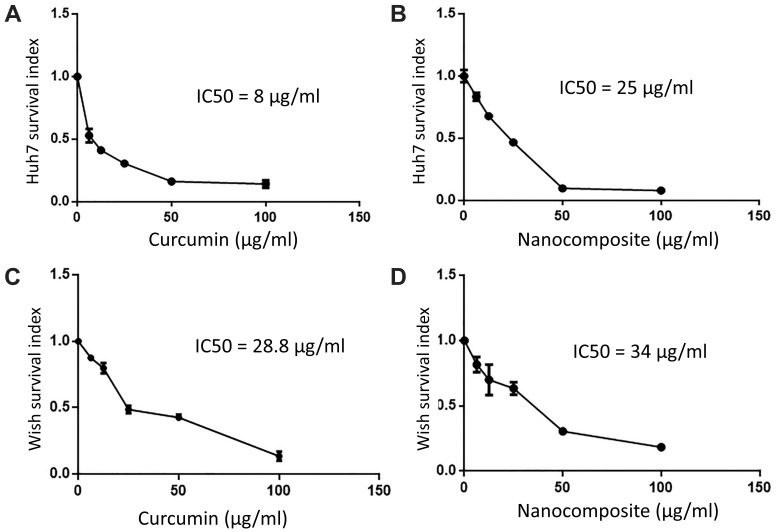
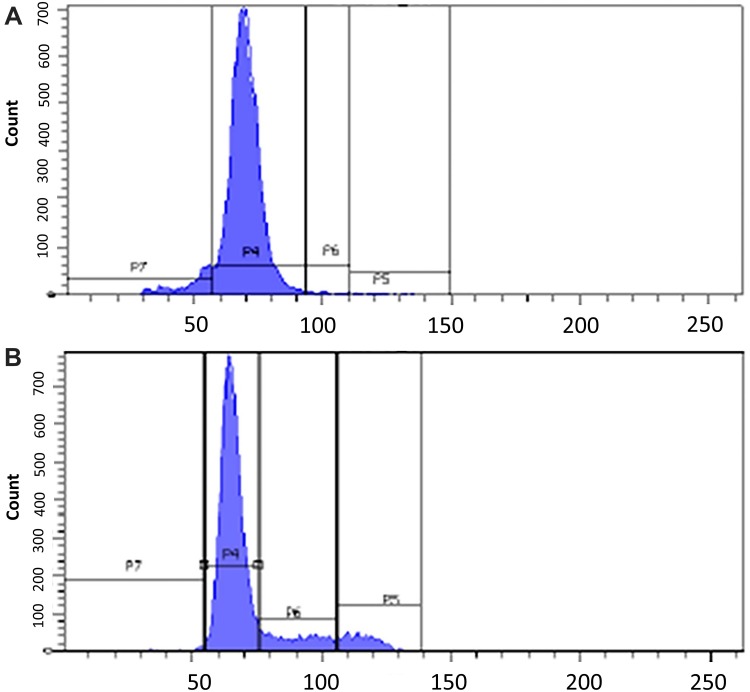
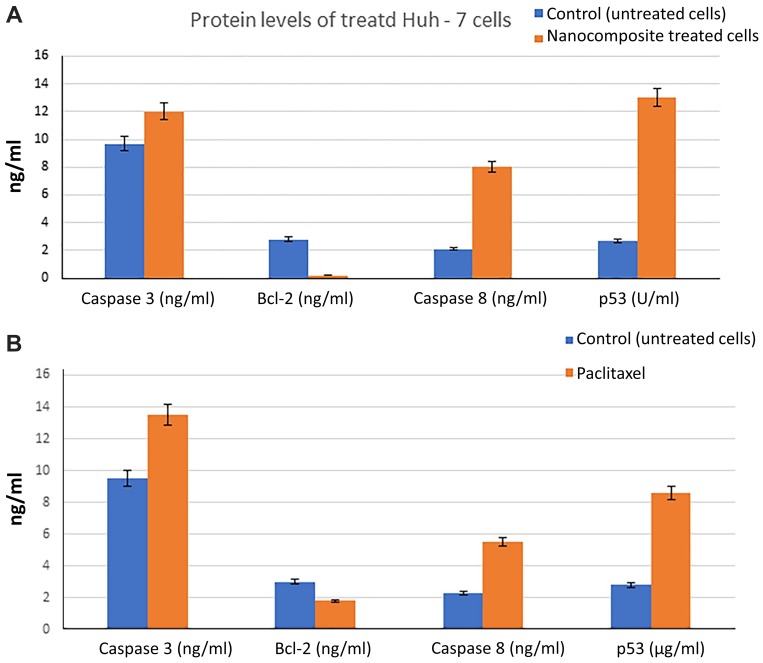
The strength of binding interactions between protein ligand complexes gave scores with NS3 protease, NS5A polymerase, and NS5B polymerase of -124.91, -159.02, and -129.16, for curcumin respectively, and -68.51, -54.52, and -157.63 for CuCs nanocomposite, respectively. CuCs nanocomposite was prepared at sizes 29-39.5 nm and charges of 33 mV. HPLC detected 4% of curcumin encapsulated into CsNPs. IC50 was 8 µg/mL for curcumin and 25 µg/mL for the nanocomposite on Huh7 but was 25.8 µg/mL and 34 µg/mL on WISH cells. CsNPs had no cytotoxic effect on tested cell lines. Apoptotic genes' expression revealed the caspase-dependent pathway mechanism. CsNPs and CuCs nanocomposite demonstrated 100% inhibition of viral entry and replication, which was confirmed with HCV core protein expression.
CuCs nanocomposite inhibited HCV-4a entry and replication compared to curcumin alone, suggesting its potential role as an effective therapeutic agent.
目前用于治疗丙型肝炎病毒基因型 4a(HCV-4a)的直接作用抗病毒药物已被报道会引起不良反应,因此需要毒性更小的抗病毒药物。本研究旨在探讨姜黄素壳聚糖(CuCs)纳米复合材料作为一种潜在的抗 HCV-4a 药物在人肝癌细胞 Huh7 中的作用。
对姜黄素和 CuCs 纳米复合材料进行对接和结合能计算。采用离子凝胶法制备壳聚糖纳米粒子(CsNPs)和 CuCs 纳米复合材料,并通过 TEM、Zeta 粒径和电位以及 HPLC 计算包封效率进行表征。采用 MTT 法对 Huh7 细胞进行细胞毒性研究,并通过细胞和分子实验进行验证。采用实时 PCR 和 Western blot 法测定抗 HCV-4a 活性。
蛋白配体复合物之间的结合相互作用强度分别为 NS3 蛋白酶、NS5A 聚合酶和 NS5B 聚合酶的 -124.91、-159.02 和-129.16,姜黄素的分数分别为 -68.51、-54.52 和-157.63,CuCs 纳米复合材料的分数分别为-68.51、-54.52 和-157.63。CuCs 纳米复合材料的粒径为 29-39.5nm,电荷为 33mV。HPLC 检测到 4%的姜黄素包封到 CsNPs 中。IC50 分别为姜黄素在 Huh7 细胞中的 8µg/mL 和纳米复合材料中的 25µg/mL,而在 WISH 细胞中的 IC50 分别为 25.8µg/mL 和 34µg/mL。CsNPs 对测试细胞系无细胞毒性作用。凋亡基因表达揭示了 caspase 依赖性途径机制。CsNPs 和 CuCs 纳米复合材料对病毒进入和复制有 100%的抑制作用,这通过 HCV 核心蛋白的表达得到了证实。
与单独使用姜黄素相比,CuCs 纳米复合材料抑制了 HCV-4a 的进入和复制,表明其作为一种有效的治疗药物具有潜在作用。