Turconi Giorgio, Kopra Jaakko, Võikar Vootele, Kulesskaya Natalia, Vilenius Carolina, Piepponen T Petteri, Andressoo Jaan-Olle
Department of Pharmacology, Faculty of Medicine and Helsinki Institute of Life Science, Haartmaninkatu 8, University of Helsinki, Helsinki 00014, Finland.
Division of Pharmacology and Pharmacotherapy, Faculty of Pharmacy, Viikinkaari 5E, University of Helsinki, Helsinki 00014, Finland.
Mol Ther Methods Clin Dev. 2020 Apr 11;17:831-842. doi: 10.1016/j.omtm.2020.04.003. eCollection 2020 Jun 12.
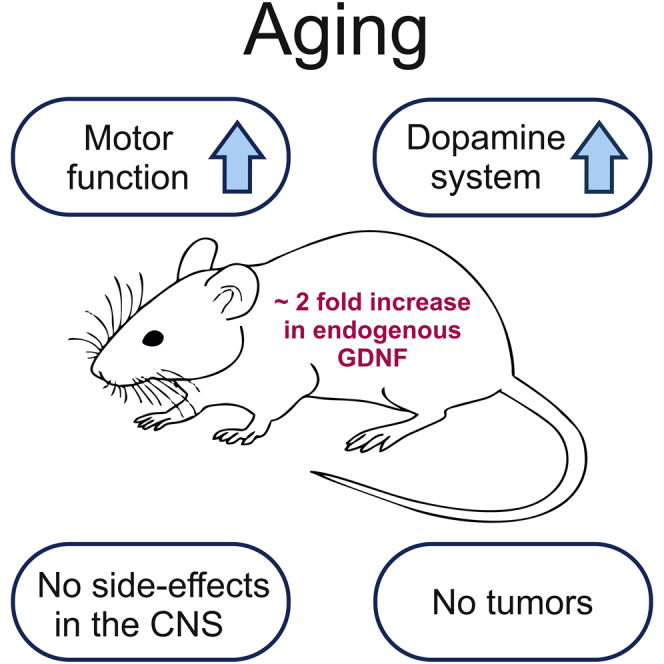
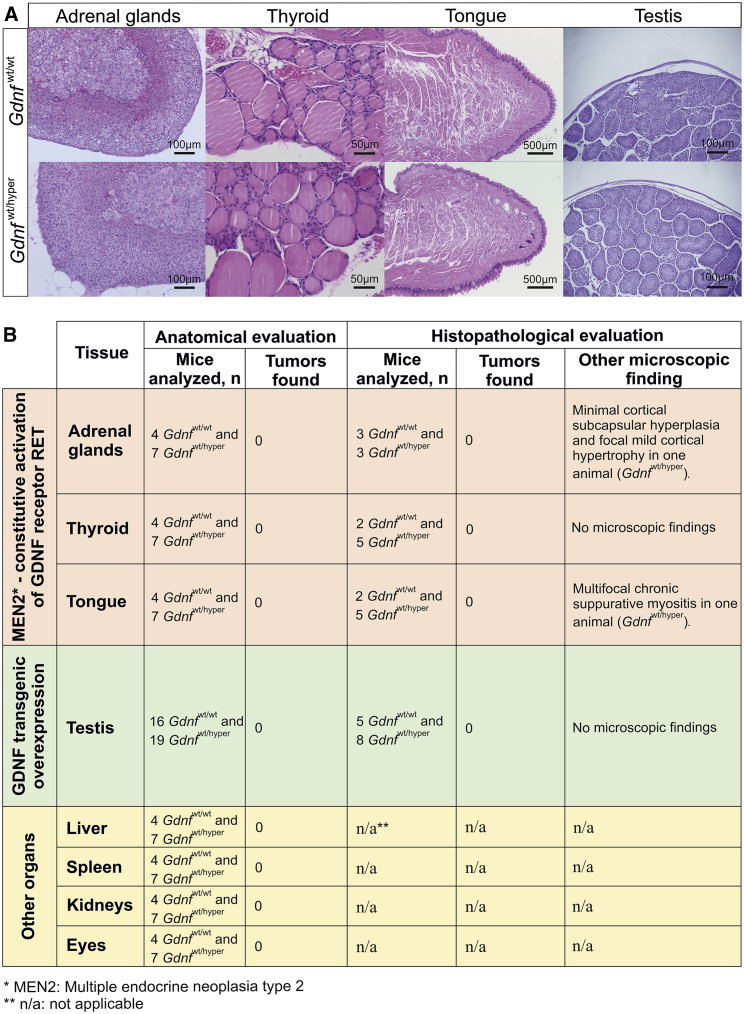
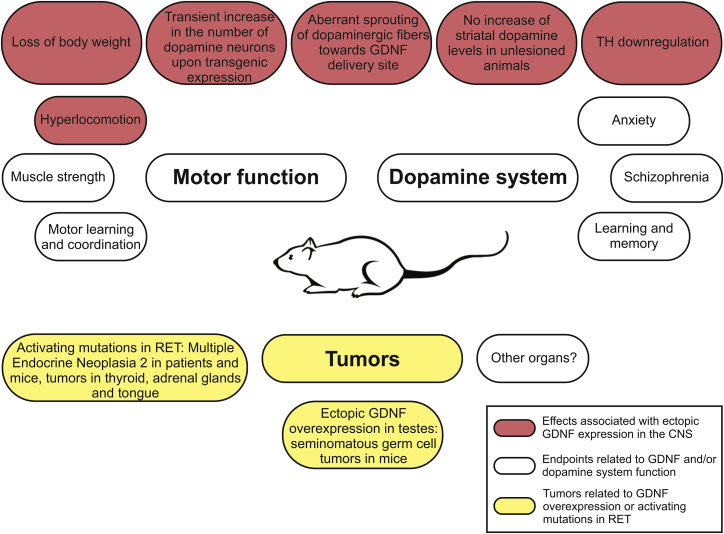
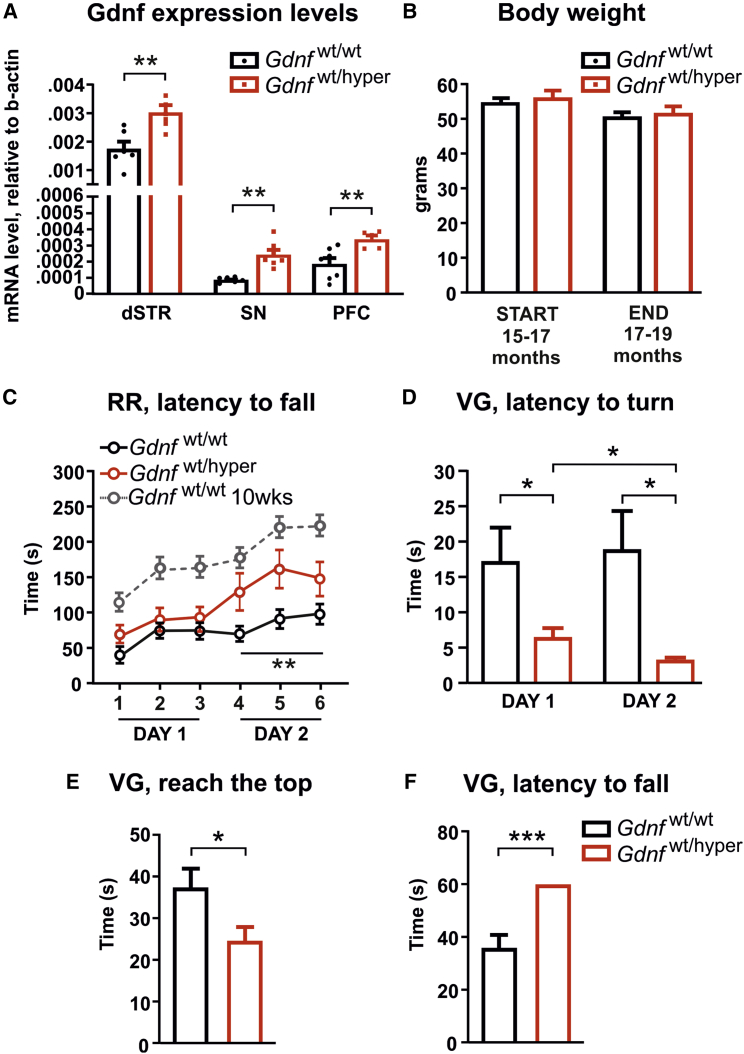
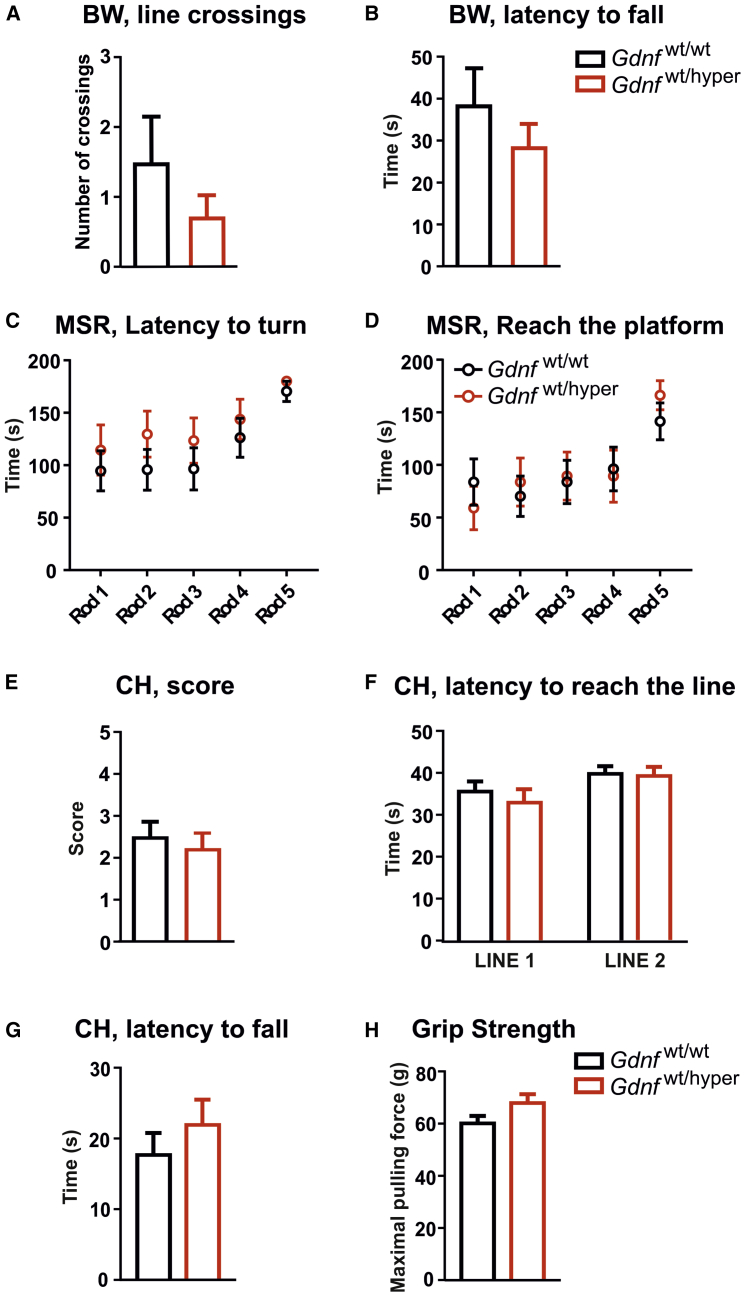
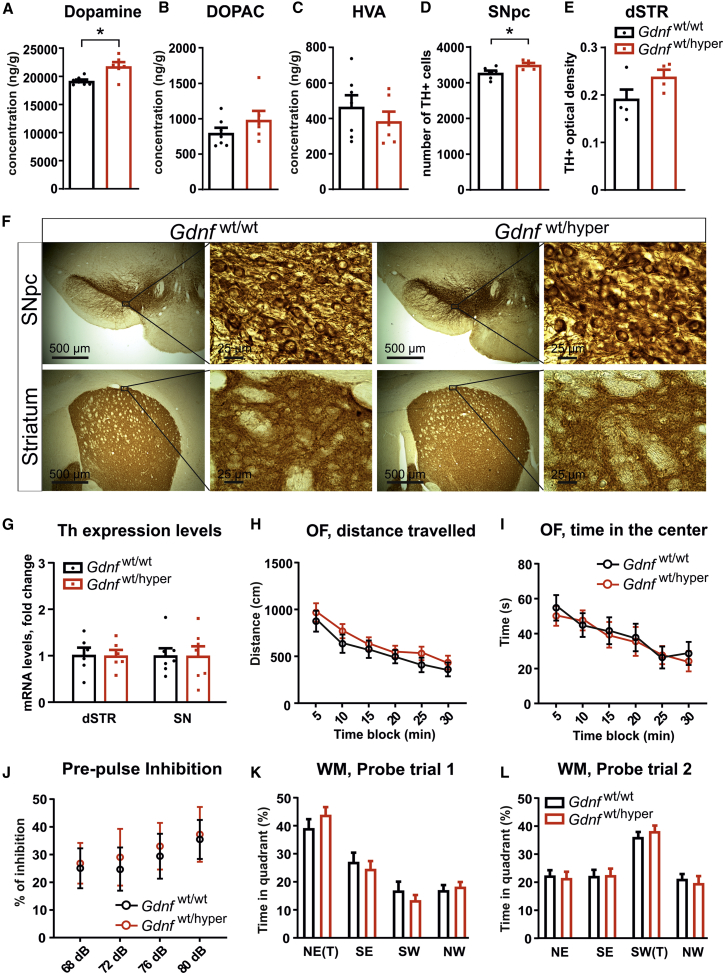
Glial cell line-derived neurotrophic factor (GDNF) supports function and survival of dopamine neurons that degenerate in Parkinson's disease (PD). Ectopic delivery of GDNF in clinical trials to treat PD is safe but lacks significant therapeutic effect. In pre-clinical models, ectopic GDNF is effective but causes adverse effects, including downregulation of tyrosine hydroxylase, only a transient boost in dopamine metabolism, aberrant neuronal sprouting, and hyperactivity. Hindering development of GDNF mimetic increased signaling via GDNF receptor RET by activating mutations results in cancer. Safe and effective mode of action must be defined first in animal models to develop successful GDNF-based therapies. Previously we showed that about a 2-fold increase in endogenous GDNF expression is safe and results in increased motor and dopaminergic function and protection in a PD model in young animals. Recently, similar results were reported using a novel Gdnf mRNA-targeting strategy. Next, it is important to establish the safety of a long-term increase in endogenous GDNF expression. We report behavioral, dopamine system, and cancer analysis of five cohorts of aged mice with a 2-fold increase in endogenous GDNF. We found a sustained increase in dopamine levels, improvement in motor learning, and no side effects or cancer. These results support the rationale for further development of endogenous GDNF-based treatments and GDNF mimetic.
胶质细胞源性神经营养因子(GDNF)可支持在帕金森病(PD)中退化的多巴胺能神经元的功能和存活。在治疗PD的临床试验中,异位递送GDNF是安全的,但缺乏显著的治疗效果。在临床前模型中,异位GDNF是有效的,但会引起不良反应,包括酪氨酸羟化酶的下调、多巴胺代谢仅短暂增强、异常的神经元发芽和多动。通过激活突变增加GDNF受体RET的信号传导来阻碍GDNF模拟物的开发会导致癌症。在动物模型中首先必须确定安全有效的作用方式,以开发成功的基于GDNF的疗法。此前我们表明,内源性GDNF表达增加约2倍是安全的,并能在幼龄动物的PD模型中增强运动和多巴胺能功能并提供保护。最近,使用一种新型的靶向Gdnf mRNA的策略也报道了类似的结果。接下来,确定内源性GDNF表达长期增加的安全性很重要。我们报告了五组内源性GDNF增加2倍的老年小鼠的行为、多巴胺系统和癌症分析。我们发现多巴胺水平持续升高、运动学习能力改善,且无副作用或癌症发生。这些结果支持进一步开发基于内源性GDNF的治疗方法和GDNF模拟物的理论依据。