Hunan Provincial Tumor Hospital and the Affiliated Tumor Hospital of Xiangya Medical School, Central South University, Changsha, 410006, Hunan, China.
Cancer Research Institute, School of Basic Medical Science, Central South University, Changsha, 410078, Hunan, China.
Oncogene. 2020 Jun;39(23):4551-4566. doi: 10.1038/s41388-020-1312-6. Epub 2020 May 5.
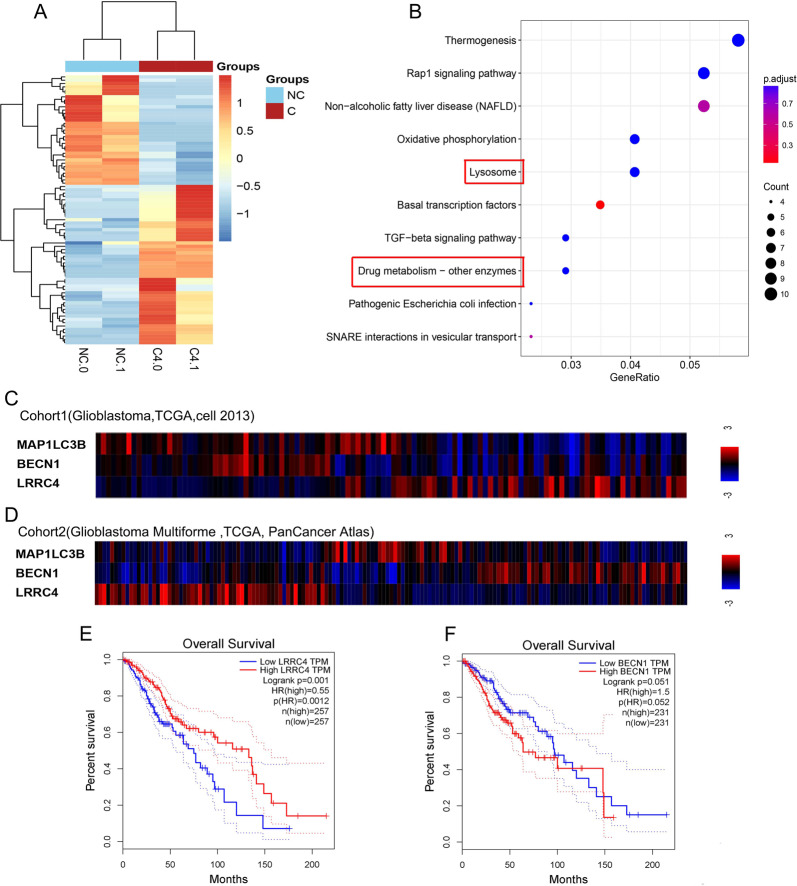
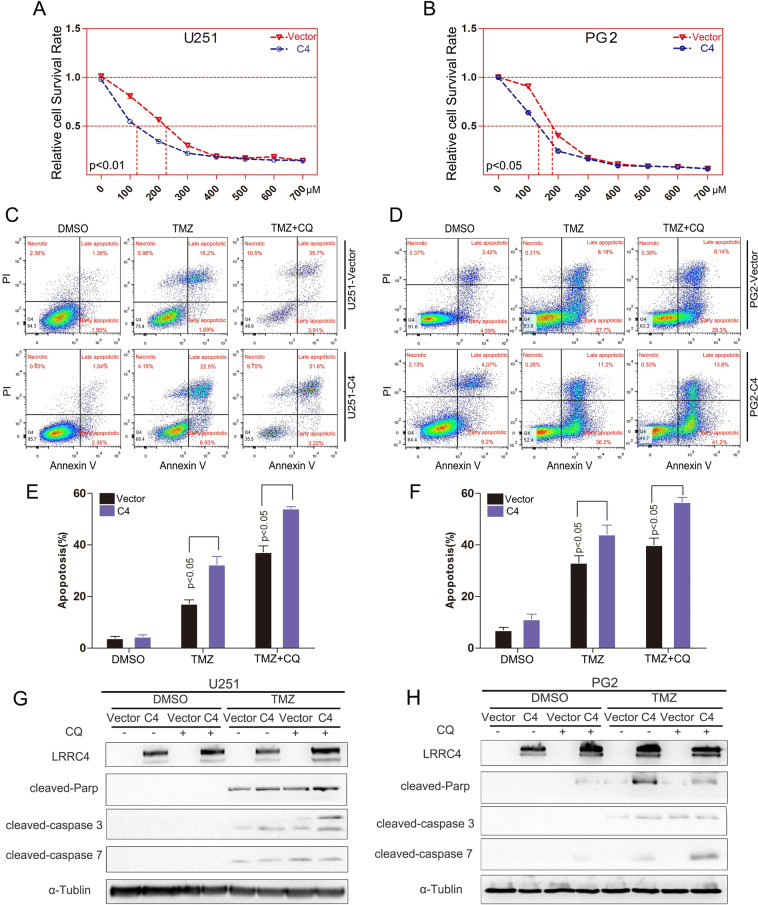
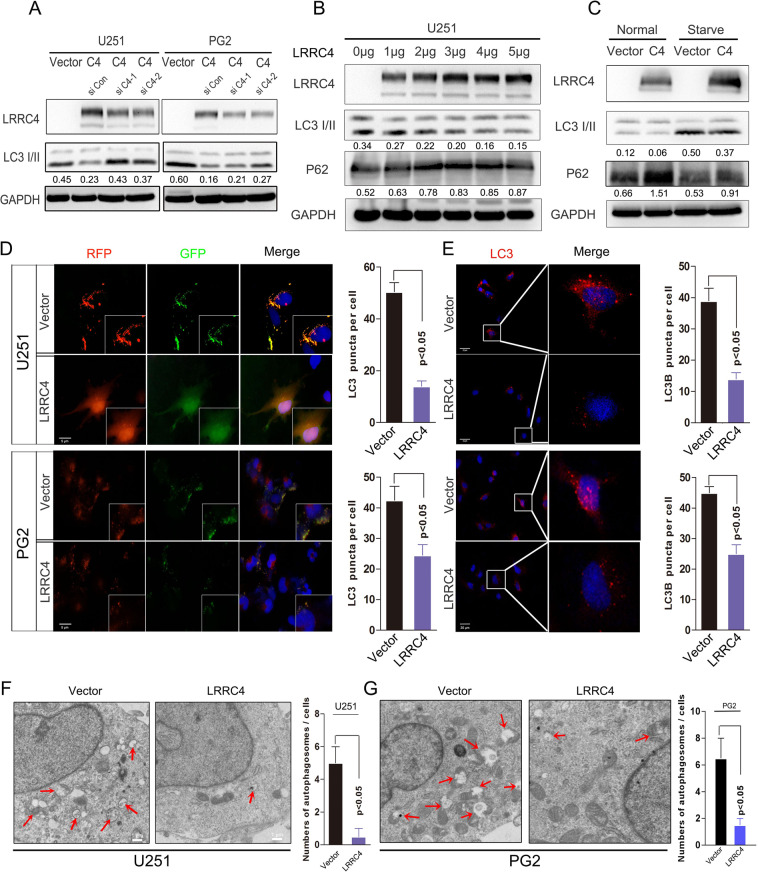
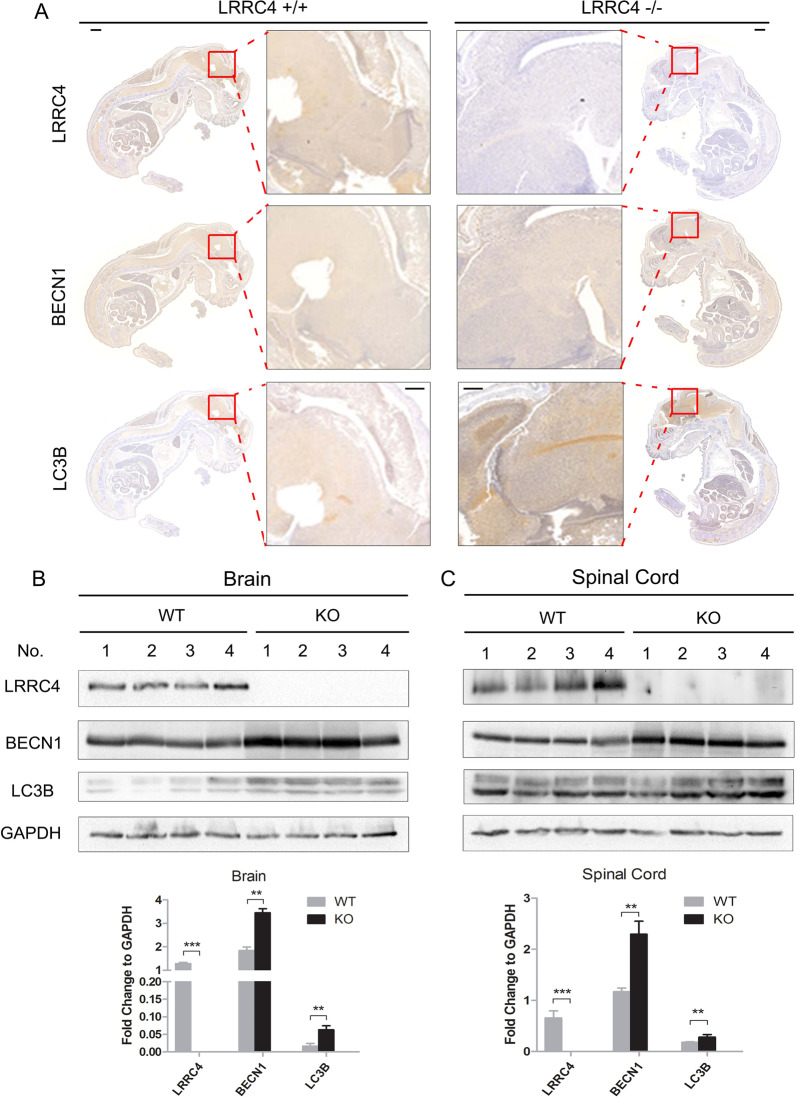
Temozolomide (TMZ) insensitivity and resistance are major causes of treatment failure and poor prognosis for GBM patients. Here, we identify LRRC4 as a novel autophagy inhibitor that restores the sensitivity of GBMs to TMZ. LRRC4 was associated with the DEPTOR/mTOR complex, and this interaction resulted in autophagy inhibition. Further investigation demonstrated that the PDZ binding domain of LRRC4 binds to the PDZ domain of DEPTOR. This binding decreases the half-life of DEPTOR via ubiquitination, thus inhibiting GBM cell autophagy and increasing the TMZ treatment response of GBM. Combined LRRC4 expression and TMZ treatment prolonged the survival of mice with tumour xenografts. Furthermore, the levels of LRRC4, DEPTOR and autophagy are clinically relevant for GBM, indicating that LRRC4 is likely to have significant potential as a therapeutic marker and target for TMZ treatment in glioma patients.
替莫唑胺(TMZ)不敏感和耐药是胶质母细胞瘤(GBM)患者治疗失败和预后不良的主要原因。在这里,我们鉴定出 LRRC4 是一种新的自噬抑制剂,可恢复 GBM 对 TMZ 的敏感性。LRRC4 与 DEPTOR/mTOR 复合物相关,这种相互作用导致自噬抑制。进一步的研究表明,LRRC4 的 PDZ 结合域与 DEPTOR 的 PDZ 结构域结合。这种结合通过泛素化降低 DEPTOR 的半衰期,从而抑制 GBM 细胞自噬并增加 GBM 对 TMZ 的治疗反应。LRRC4 表达和 TMZ 联合治疗延长了携带肿瘤异种移植物的小鼠的存活时间。此外,LRRC4、DEPTOR 和自噬的水平与 GBM 具有临床相关性,表明 LRRC4 很可能作为治疗标志物和 TMZ 治疗胶质母细胞瘤患者的靶点具有重要潜力。