Bhushan Gitanjali, Lim Levina, Bird Ian, Chothe Shubhada K, Nissly Ruth H, Kuchipudi Suresh V
Penn State Animal Diagnostic Laboratory, Department of Veterinary and Biomedical Sciences, Pennsylvania State University, University Park, PA, United States.
Front Microbiol. 2020 Apr 7;11:531. doi: 10.3389/fmicb.2020.00531. eCollection 2020.
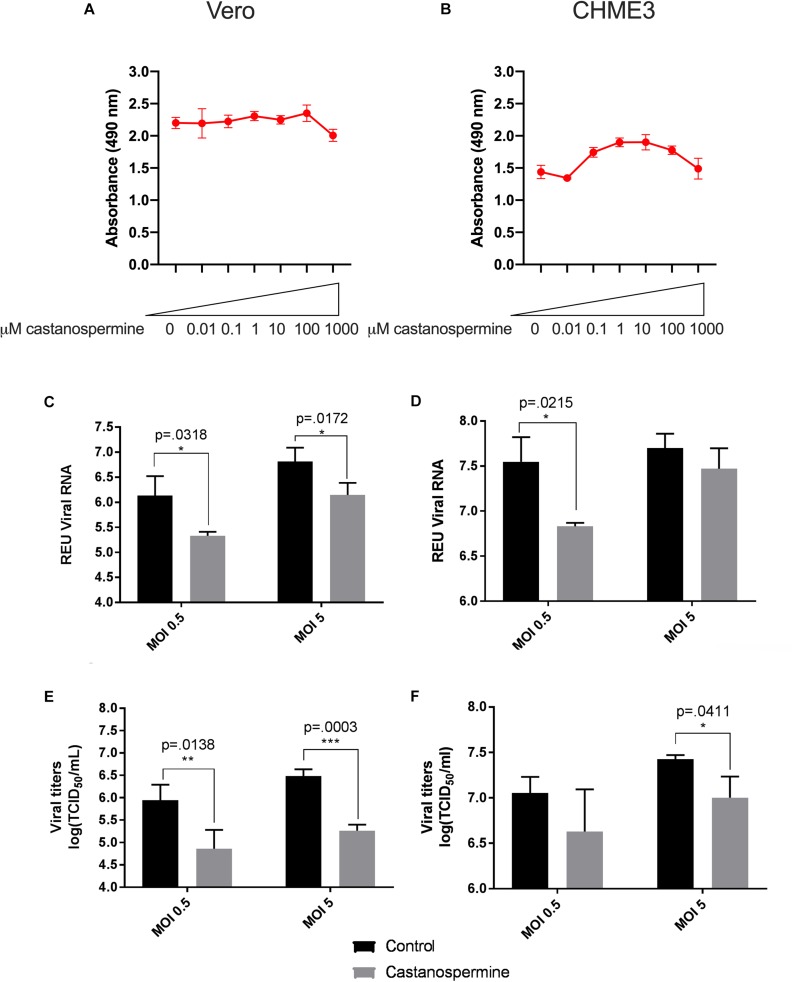
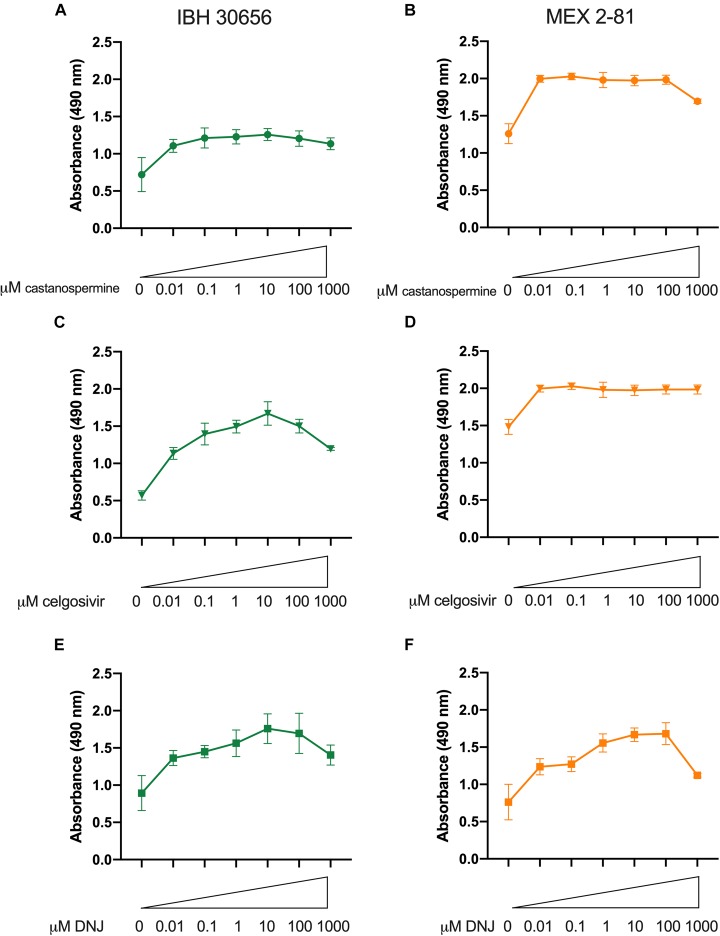
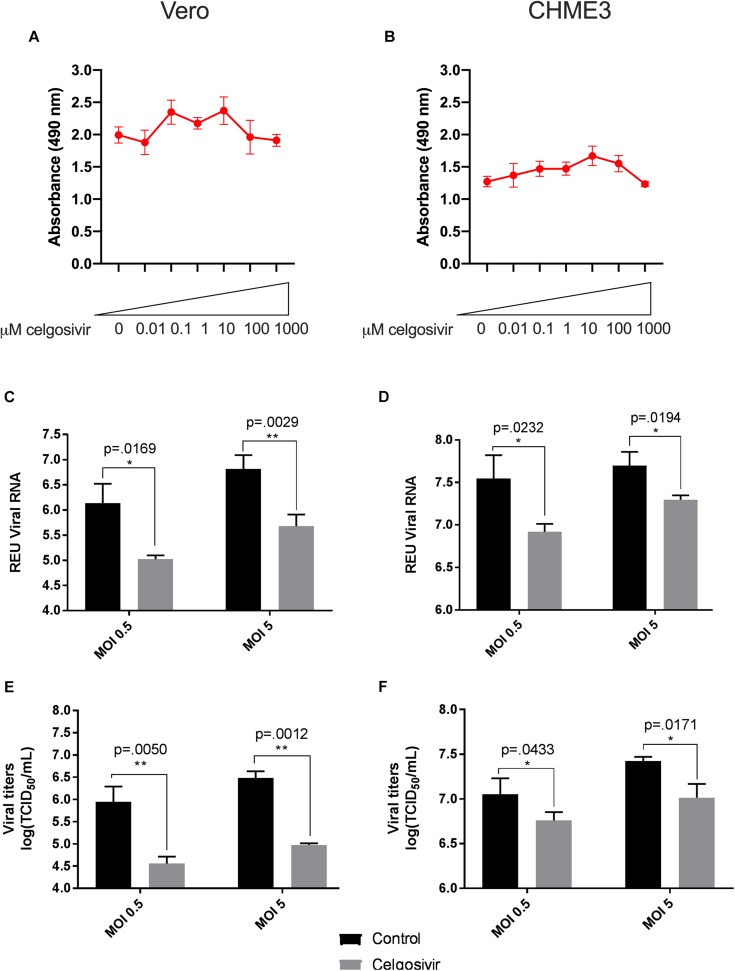
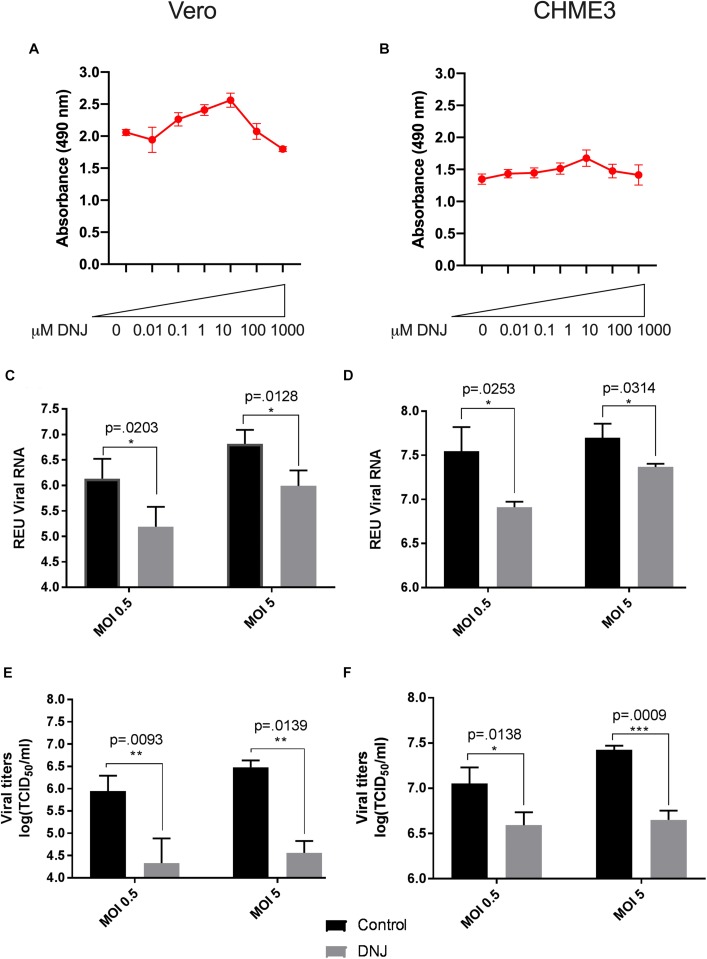
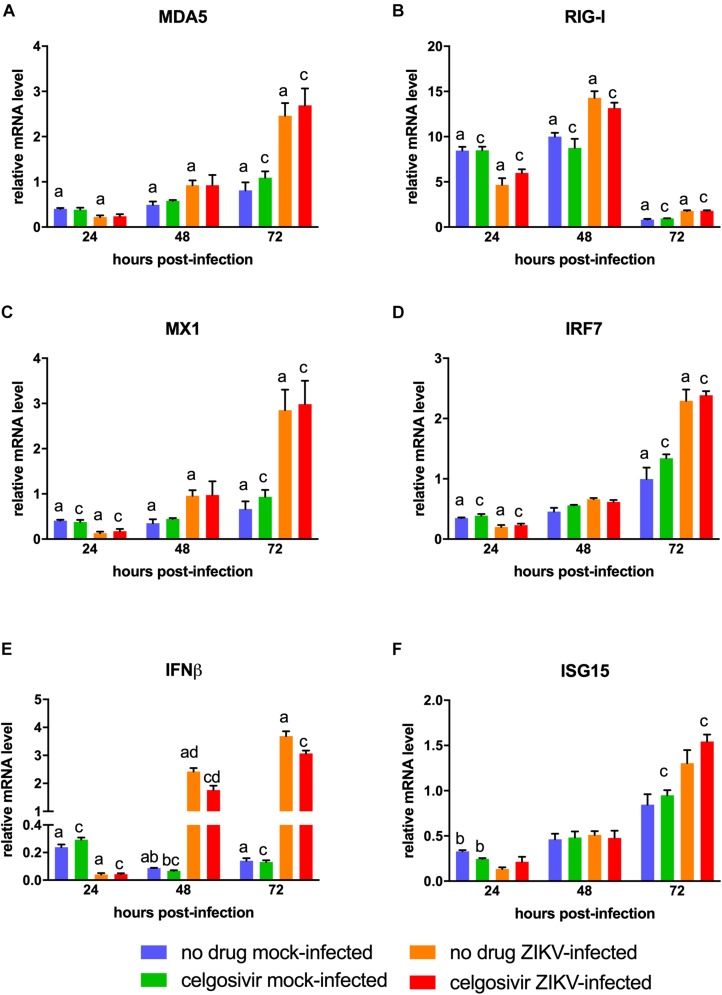
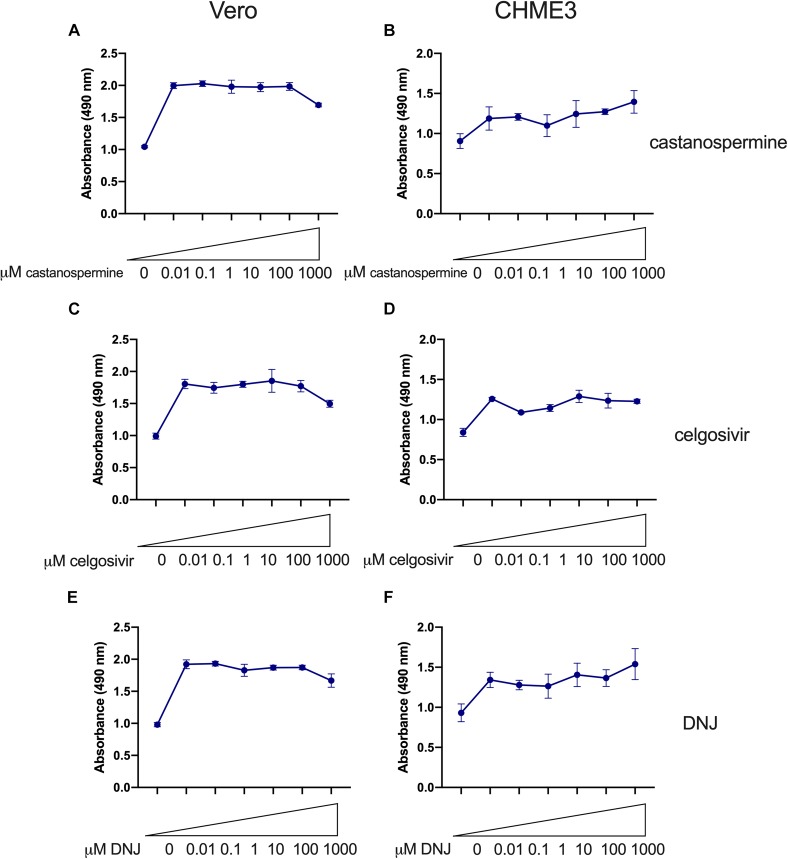
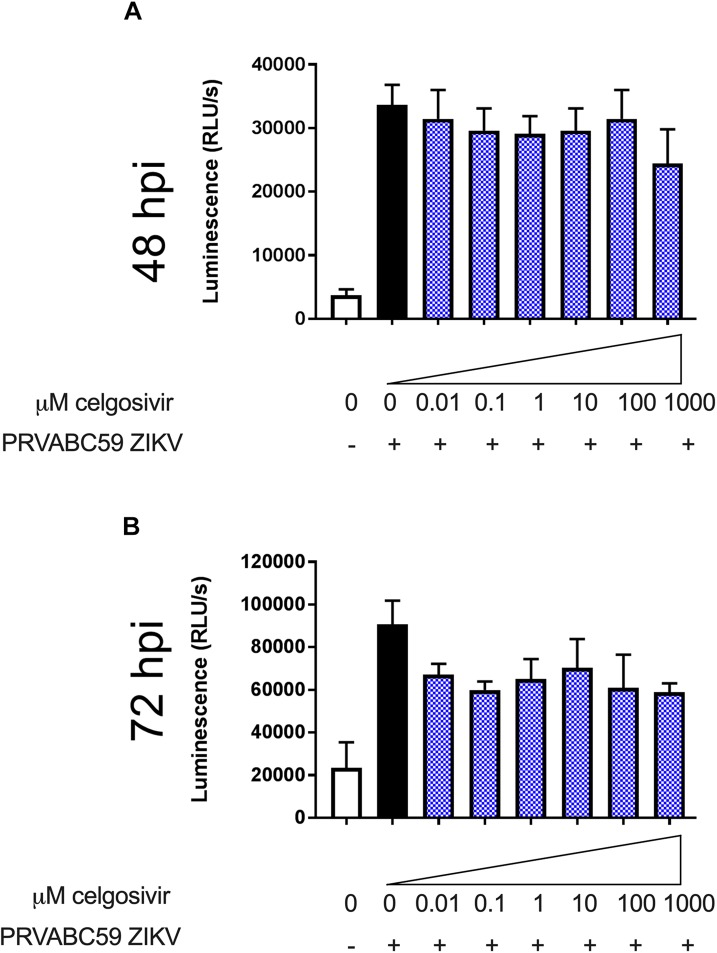
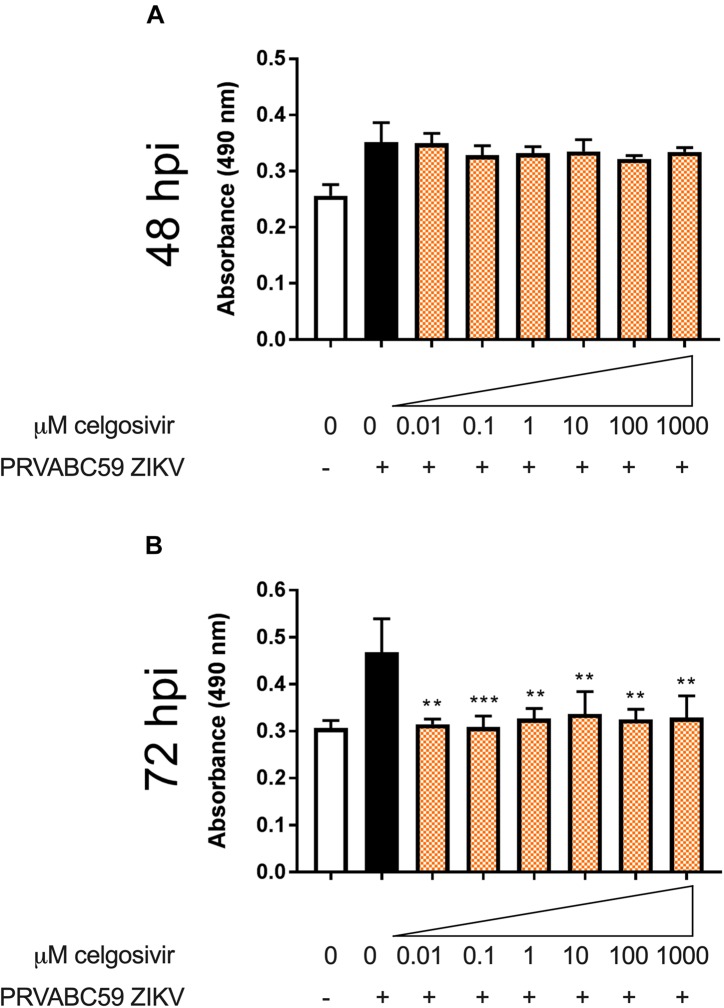
Zika virus (ZIKV), a vector-borne virus of the family , continues to spread and remains a significant global public health threat. Currently, there are no approved vaccines or antivirals against ZIKV. We investigated the anti-ZIKV ability of three iminosugars with endoplasmic reticulum α-glucosidase inhibitor (ER-AGI) activity, namely deoxynojirimycin (DNJ), castanospermine, and celgosivir. None of the three iminosugars showed any significant cytotoxicity in Vero or human microglia CHME3 cells when applied for 72 h at concentrations up to 100 μM. Iminosugar treatment of Vero or CHME3 cells prior to ZIKV infection resulted in significant inhibition of ZIKV replication over 48 h. Reduction in ZIKV replication in iminosugar-treated cells was not associated with any significant change in the expression levels of key antiviral genes. Following infection with three different strains of ZIKV, iminosugar-treated Vero or CHME3 cells showed no cell death, whereas vehicle-treated control cells exhibited 50-60% cell death at 72 h post-infection (hpi). While there was no significant difference in apoptosis between iminosugar-treated and control cells, iminosugar-treated cells exhibited a substantial reduction of necrosis at 72 hpi following ZIKV infection. In summary, iminosugars with ER-AGI activity inhibit ZIKV replication and significantly reduce necrosis without altering the antiviral gene expression and apoptosis of infected human cells. The results of this study strongly suggest that iminosugars are promising anti-ZIKV antiviral agents and such warrant further studies.
寨卡病毒(ZIKV)是一种虫媒病毒,仍在持续传播,对全球公共卫生构成重大威胁。目前,尚无获批的针对寨卡病毒的疫苗或抗病毒药物。我们研究了三种具有内质网α-葡萄糖苷酶抑制剂(ER-AGI)活性的亚氨基糖——脱氧野尻霉素(DNJ)、蓖麻毒蛋白和西格列韦——的抗寨卡病毒能力。当在高达100μM的浓度下作用72小时时,这三种亚氨基糖在Vero细胞或人小胶质细胞CHME3中均未显示出任何明显的细胞毒性。在寨卡病毒感染之前用亚氨基糖处理Vero细胞或CHME3细胞,在48小时内可显著抑制寨卡病毒复制。亚氨基糖处理的细胞中寨卡病毒复制的减少与关键抗病毒基因表达水平的任何显著变化均无关。在用三种不同的寨卡病毒株感染后,亚氨基糖处理的Vero细胞或CHME3细胞未出现细胞死亡,而溶剂处理的对照细胞在感染后72小时(hpi)出现50 - 60%的细胞死亡。虽然亚氨基糖处理的细胞与对照细胞之间的凋亡没有显著差异,但在寨卡病毒感染后72小时,亚氨基糖处理的细胞坏死明显减少。总之,具有ER-AGI活性的亚氨基糖可抑制寨卡病毒复制,并显著减少坏死,同时不改变被感染人类细胞的抗病毒基因表达和凋亡。本研究结果强烈表明,亚氨基糖是有前景的抗寨卡病毒抗病毒药物,值得进一步研究。