Peking University Third Hospital, Beijing 100191, China.
Beijing Luhe Hospital, Capital Medical University, Beijing 101149, China.
Theranostics. 2020 Apr 6;10(12):5322-5340. doi: 10.7150/thno.42371. eCollection 2020.
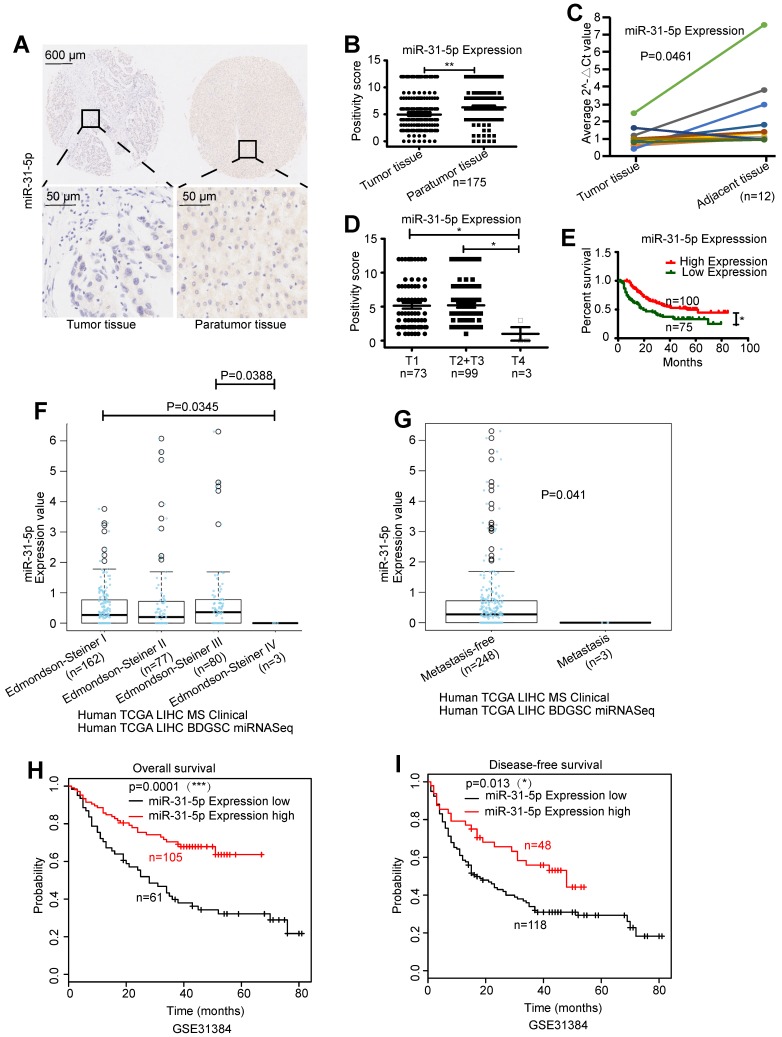
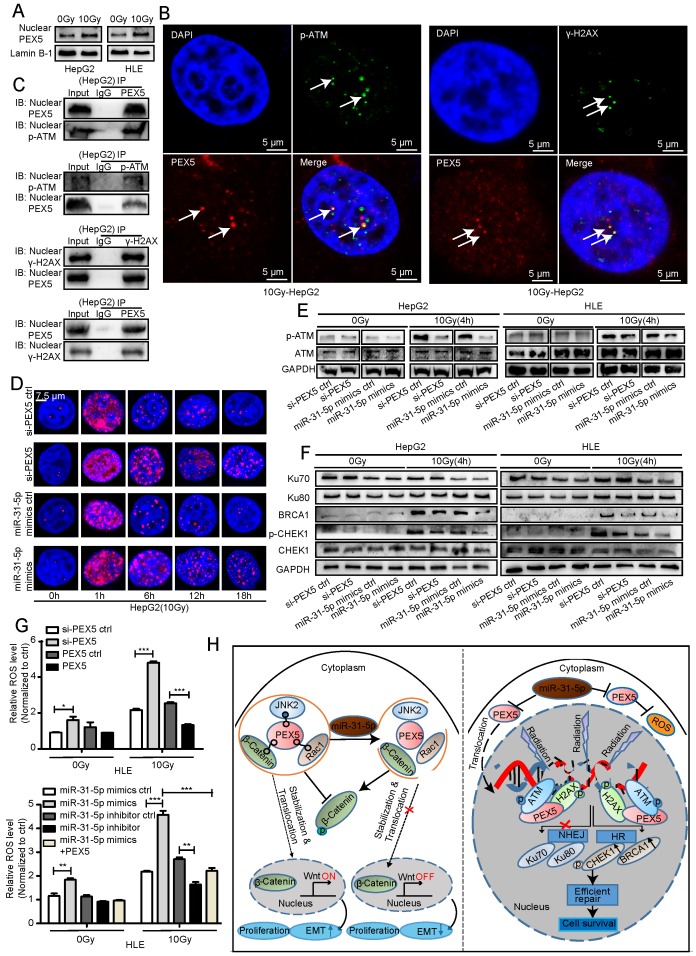
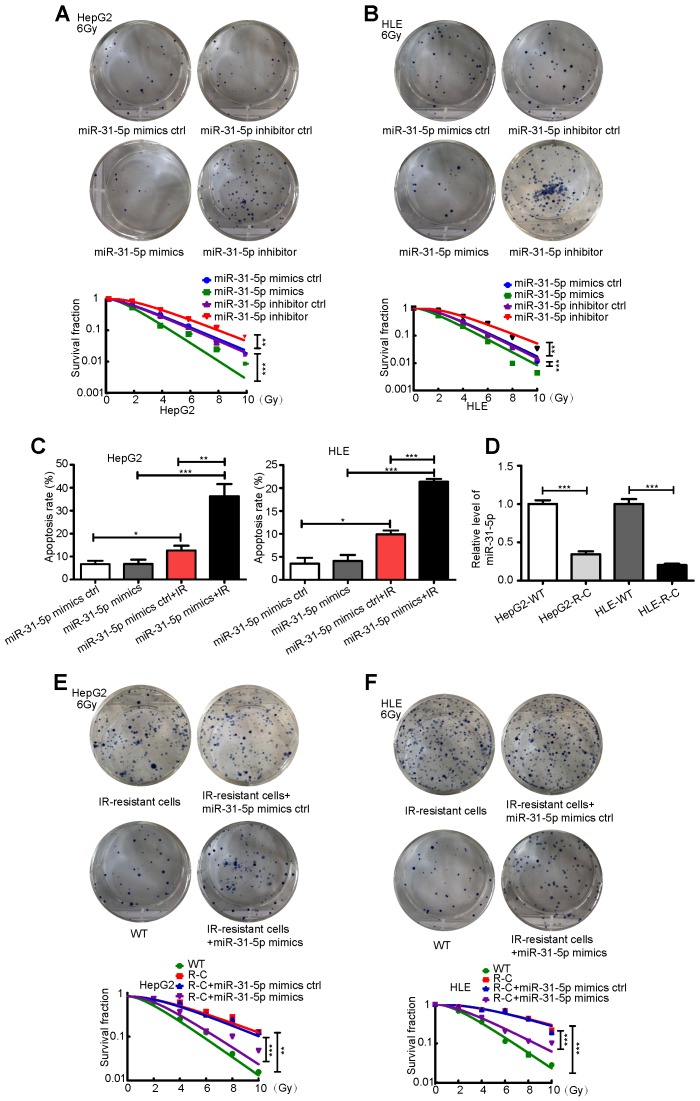
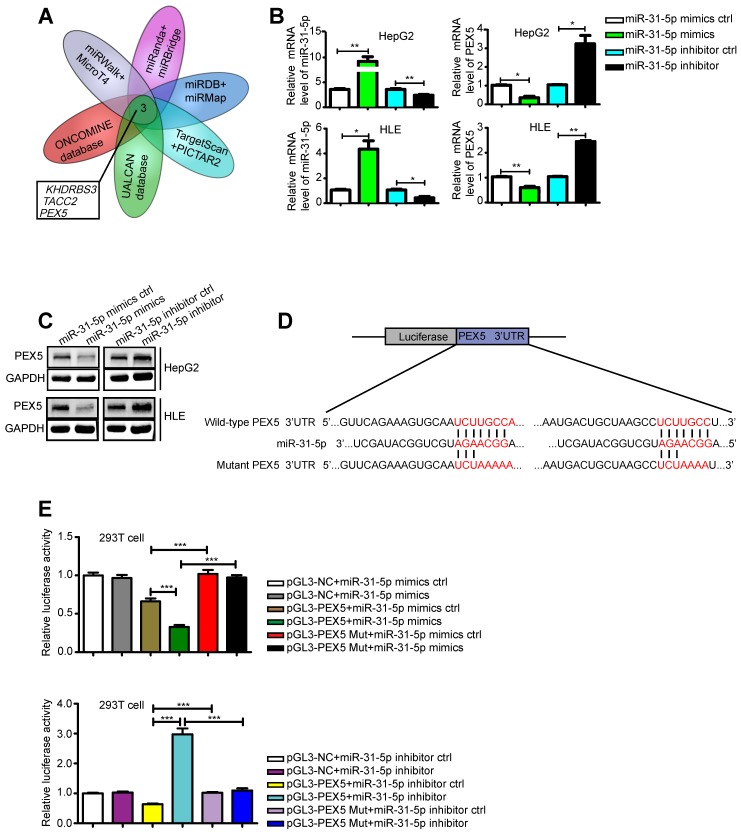
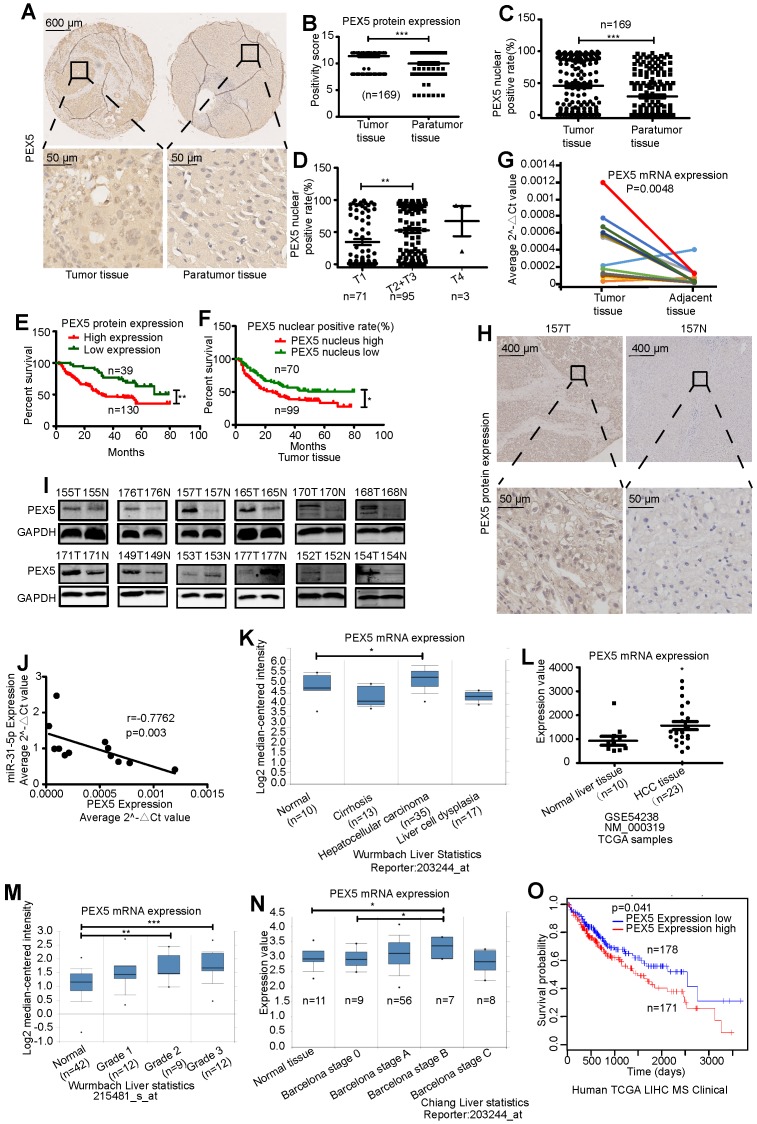
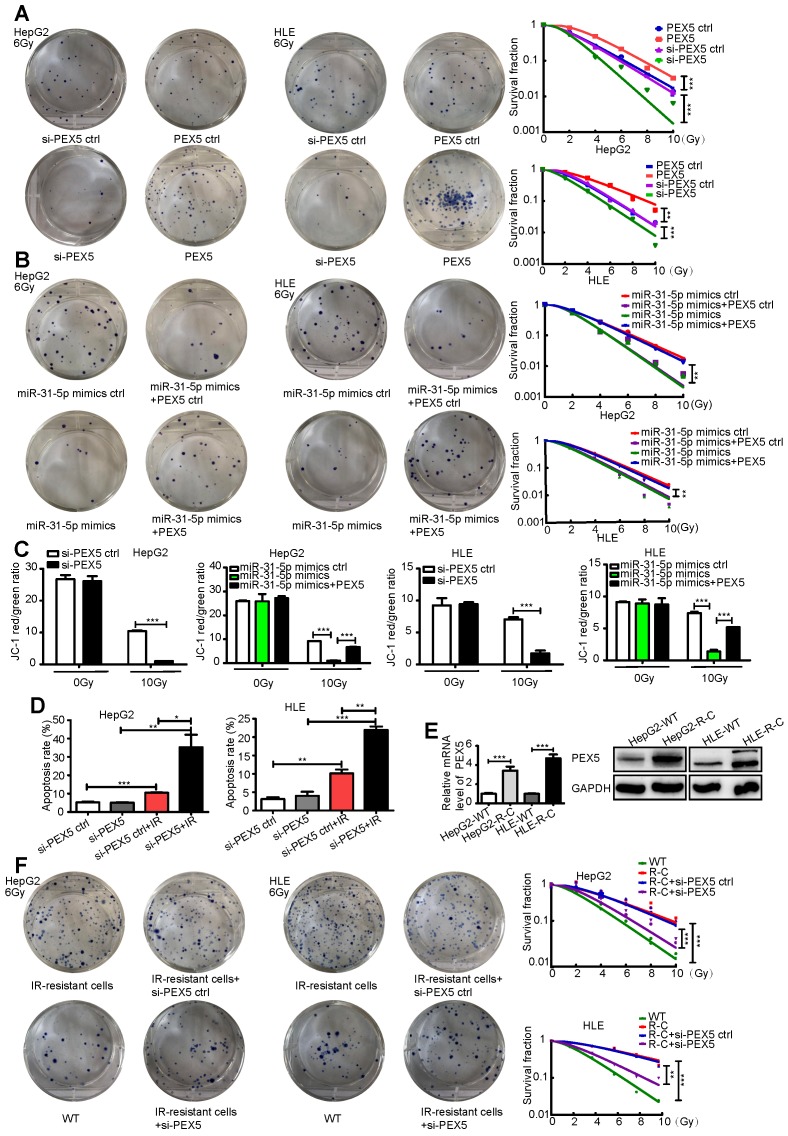
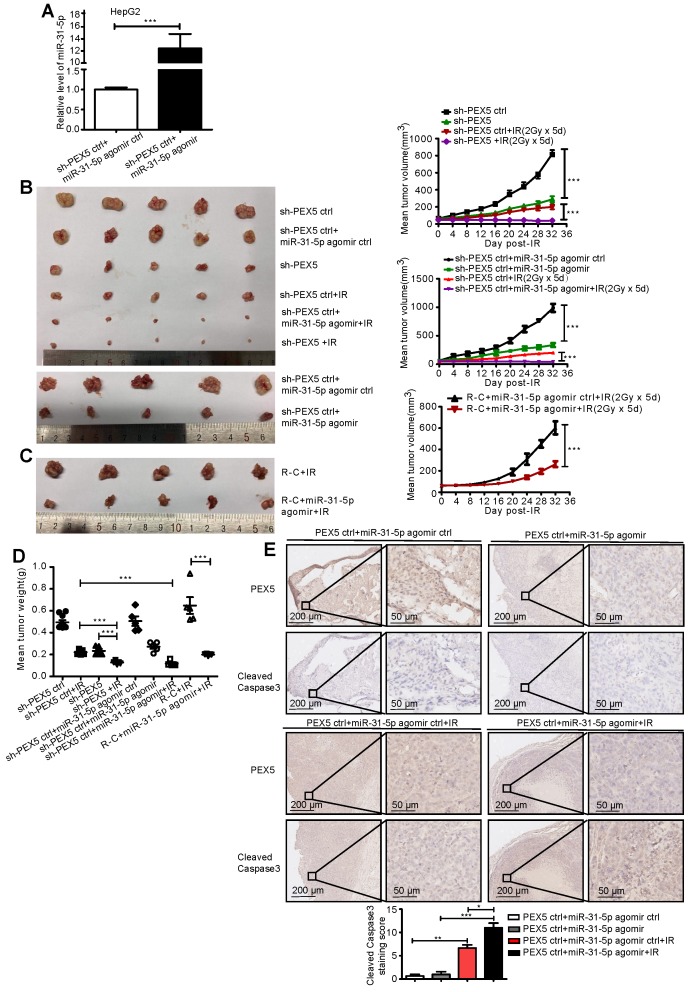
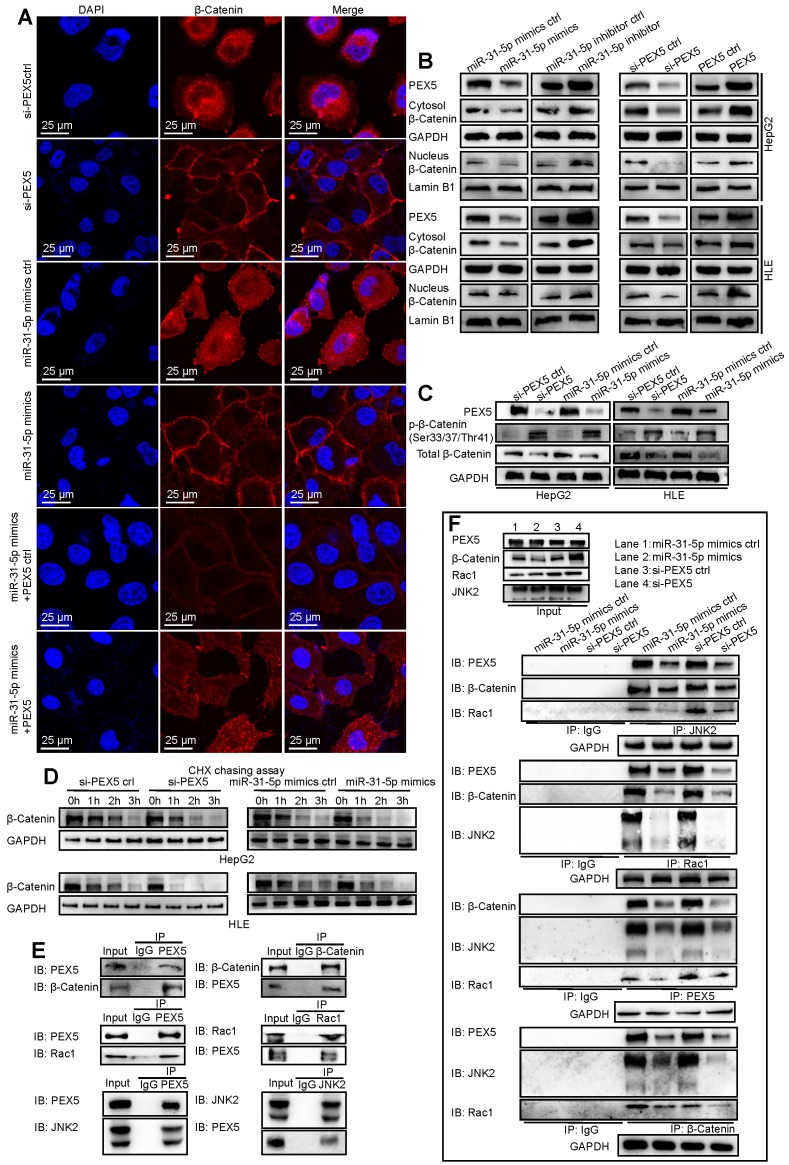
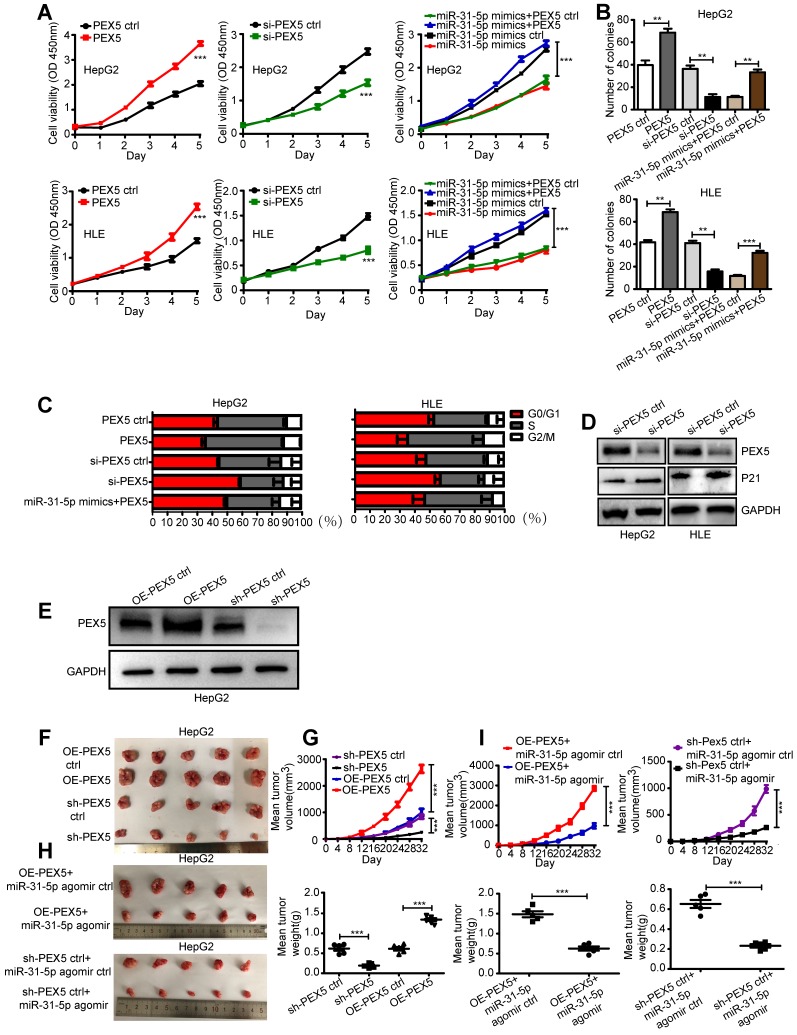
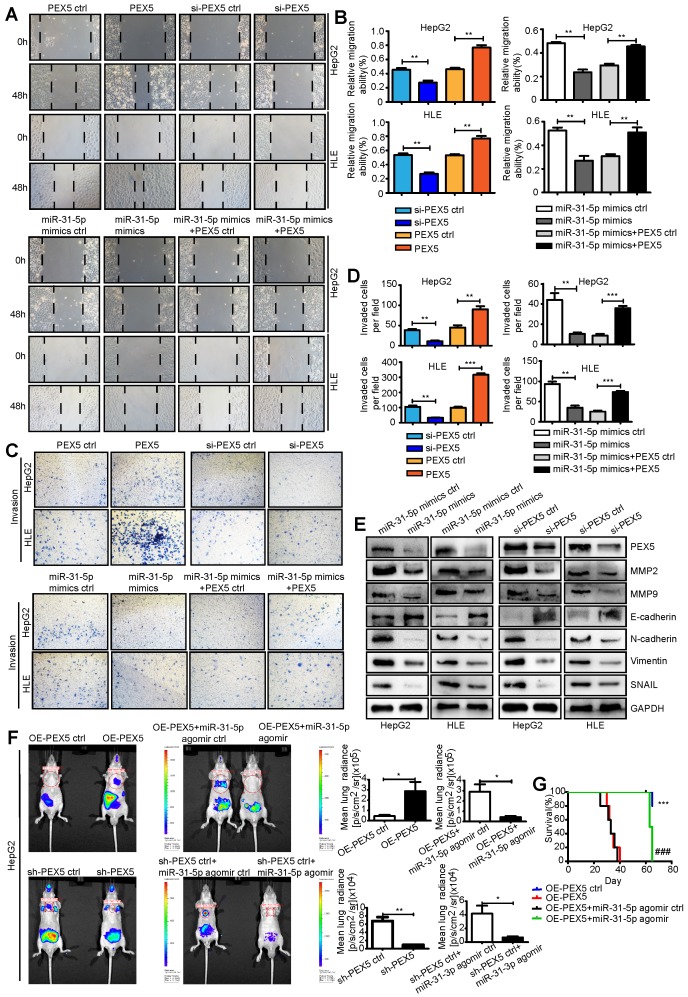
: Hepatocellular carcinoma (HCC) is the second leading cause of cancer-related death worldwide, with high recurrence and metastasis rates. Although radiation is an effective treatment for tumors, it is often limited by intrinsic radioresistance in HCC. The contributions of dysregulated microRNAs, including miR-31-5p, to HCC progression have been recently reported. However, the role of miR-31-5p in the radiation response of HCC is unknown. In this study, we aimed to investigate the impact of miR-31-5p on HCC radiosensitivity. : miR-31-5p expression in HCC tissues, paired adjacent tissues, and HCC cell lines was measured using quantitative real-time polymerase chain reaction and hybridization. Bioinformatic analyses, gain- and loss-of-function experiments, and luciferase reporter assays were performed to validate peroxisomal biogenesis factor 5 (PEX5) as a direct target of miR-31-5p. The biofunctions of PEX5 and miR-31-5p in HCC were determined by Transwell, wound-healing, and Cell Counting Kit-8 (CCK8) assays. A colony formation assay was used to evaluate the radiosensitivity of HCC cells. The interaction among PEX5, β-catenin, Rac1, and JNK-2 was confirmed by coimmunoprecipitation. A xenograft tumor model was established to validate the effects of miR-31-5p and PEX5 on HCC progression and radiosensitivity Low expression of miR-31-5p in HCC specimens, as observed in this study, predicted a poor clinical outcome. However, the expression pattern of PEX5, as a direct target of miR-31-5p, was opposite that of miR-31-5p, and high PEX5 expression indicated poor prognosis in HCC patients. Ectopic expression of PEX5 increased the proliferation, migration, and invasion abilities and enhanced the radioresistance of HCC cells and ; however, these phenotypes were inhibited by miR-31-5p. Mechanistically, PEX5 stabilized cytoplasmic β-catenin and facilitated β-catenin nuclear translocation to activate Wnt/β-catenin signaling. Moreover, upon radiation exposure, PEX5 reduced excessive reactive oxygen species (ROS) accumulation and activated the homologous recombination (HR) pathway, which protected HCC cells from radiation-induced damage. : Our findings demonstrated a novel role for PEX5 as a miR-31-5p target and a mediator of the Wnt/β-catenin signaling and HR pathways, providing new insights into studying HCC radiation responses and implicating PEX5 and miR-31-5p as potential therapeutic targets in HCC.
肝细胞癌 (HCC) 是全球癌症相关死亡的第二大主要原因,具有高复发和转移率。虽然放射治疗是肿瘤的有效治疗方法,但往往受到 HCC 内在放射抵抗的限制。最近有报道称,失调的 microRNA,包括 miR-31-5p,对 HCC 的进展有贡献。然而,miR-31-5p 在 HCC 对辐射的反应中的作用尚不清楚。在这项研究中,我们旨在研究 miR-31-5p 对 HCC 放射敏感性的影响。
使用定量实时聚合酶链反应和 杂交测量 HCC 组织、配对的相邻组织和 HCC 细胞系中的 miR-31-5p 表达。通过 gain-和 loss-of-function 实验以及荧光素酶报告基因测定进行生物信息学分析,验证过氧化物酶体生物发生因子 5 (PEX5) 是 miR-31-5p 的直接靶标。通过 Transwell、划痕愈合和细胞计数试剂盒-8 (CCK8) 测定确定 PEX5 和 miR-31-5p 在 HCC 中的生物学功能。集落形成测定用于评估 HCC 细胞的放射敏感性。通过共免疫沉淀证实了 PEX5、β-catenin、Rac1 和 JNK-2 之间的相互作用。建立异种移植肿瘤模型验证 miR-31-5p 和 PEX5 对 HCC 进展和放射敏感性的影响。
在这项研究中观察到,HCC 标本中 miR-31-5p 的低表达预示着不良的临床结局。然而,作为 miR-31-5p 的直接靶标的 PEX5 的表达模式与 miR-31-5p 相反,PEX5 的高表达表明 HCC 患者预后不良。PEX5 的异位表达增加了 HCC 细胞的增殖、迁移和侵袭能力,并增强了 HCC 细胞的放射抗性;然而,这些表型被 miR-31-5p 抑制。机制上,PEX5 稳定细胞质β-catenin 并促进 β-catenin 核易位以激活 Wnt/β-catenin 信号通路。此外,在辐射暴露后,PEX5 减少了过多的活性氧 (ROS) 积累并激活同源重组 (HR) 途径,从而保护 HCC 细胞免受辐射诱导的损伤。
我们的研究结果表明,PEX5 作为 miR-31-5p 的靶标和 Wnt/β-catenin 信号通路和 HR 途径的介质发挥着新的作用,为研究 HCC 对辐射的反应提供了新的见解,并暗示 PEX5 和 miR-31-5p 可能是 HCC 的潜在治疗靶点。