Semerdjieva Ivanka, Sidjimova Boryana, Yankova-Tsvetkova Elina, Kostova Milena, Zheljazkov Valtcho D
Department of Botany and Agrometeorology, Faculty of Agronomy, Agricultural University, 4000, Plovdiv, Bulgaria.
Department of Plant and Fungal Diversity and Resources, Institute of Biodiversity and Ecosystem Research, Bulgarian Academy of Sciences, Sofia, Bulgaria.
Heliyon. 2019 Dec 13;5(12):e03021. doi: 10.1016/j.heliyon.2019.e03021. eCollection 2019 Dec.
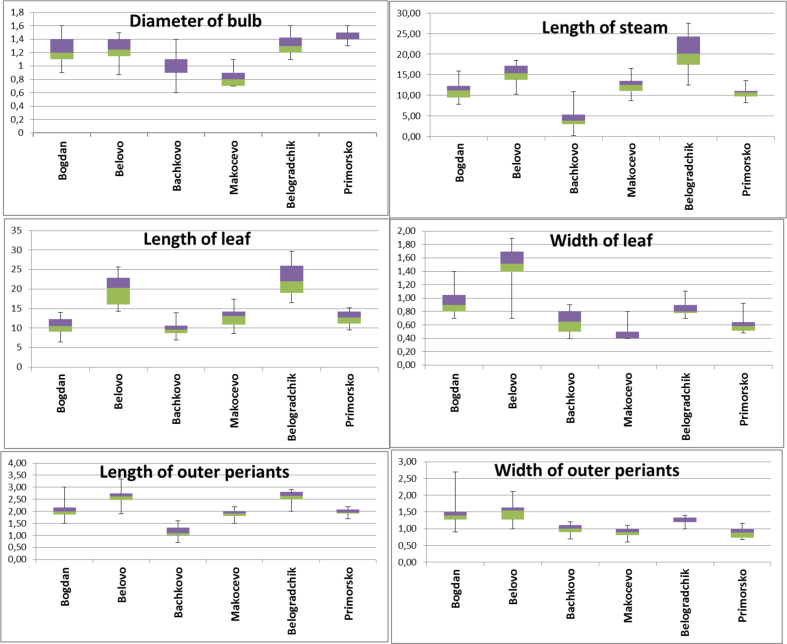
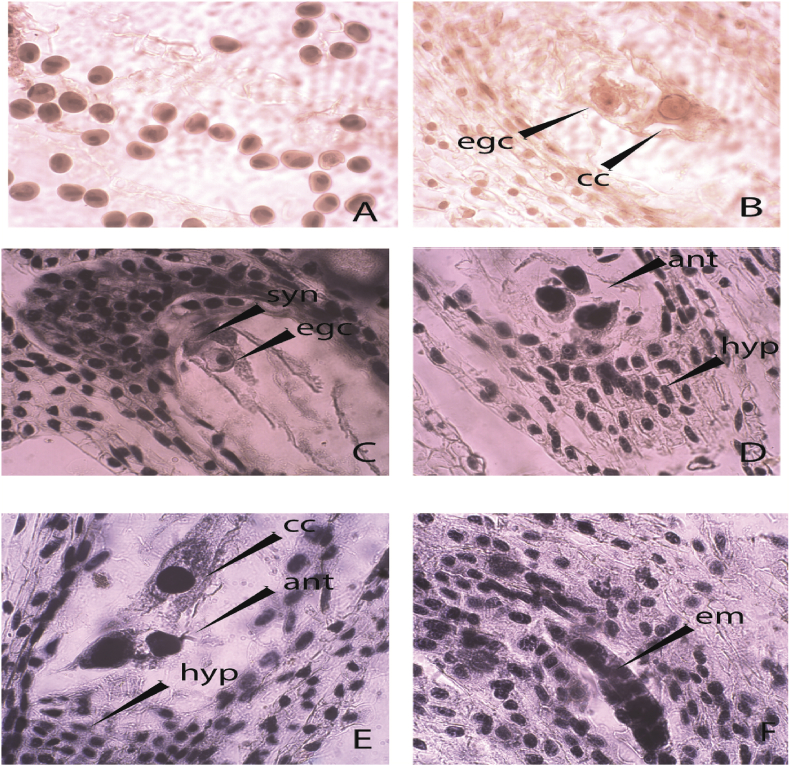
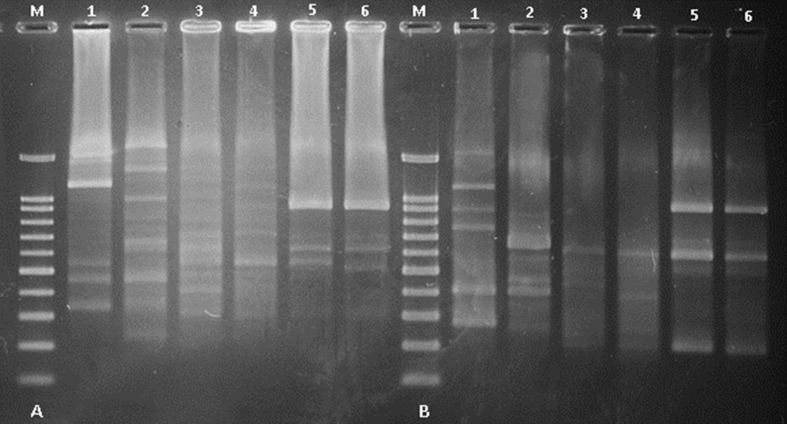
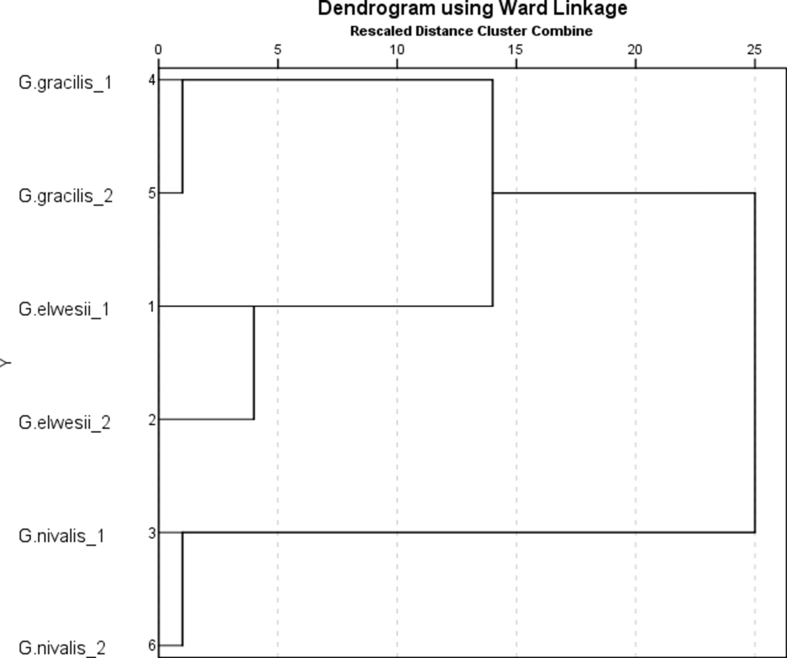
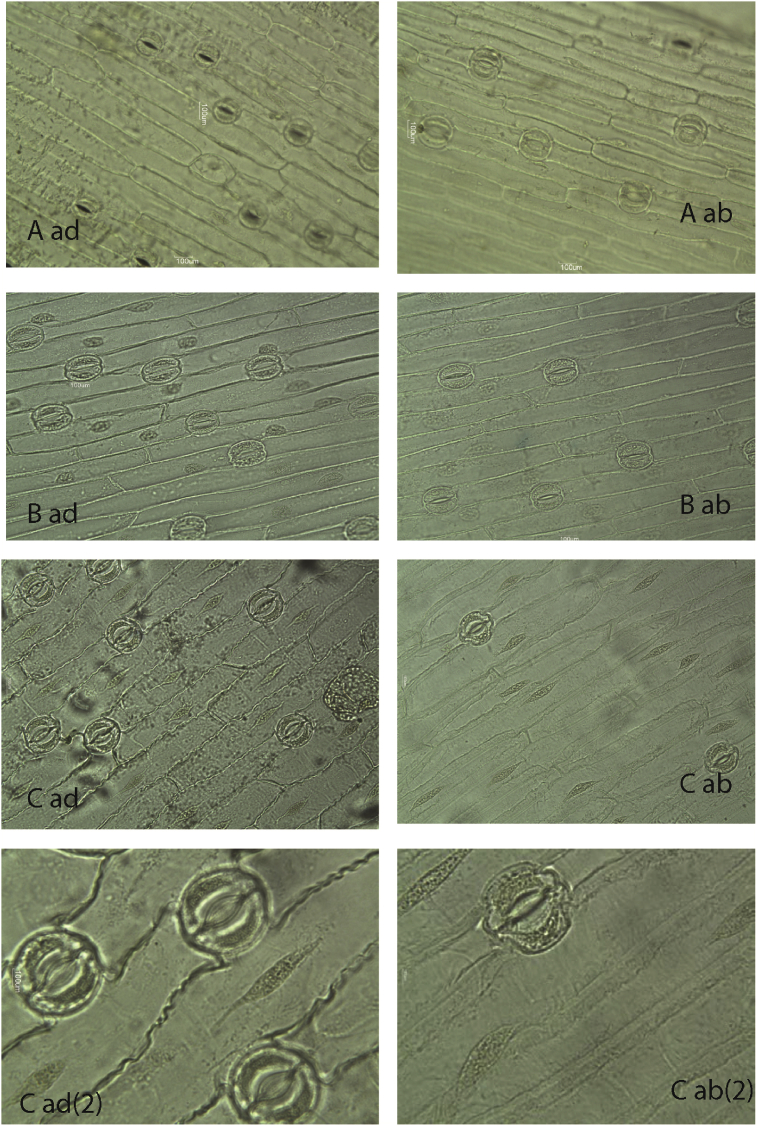
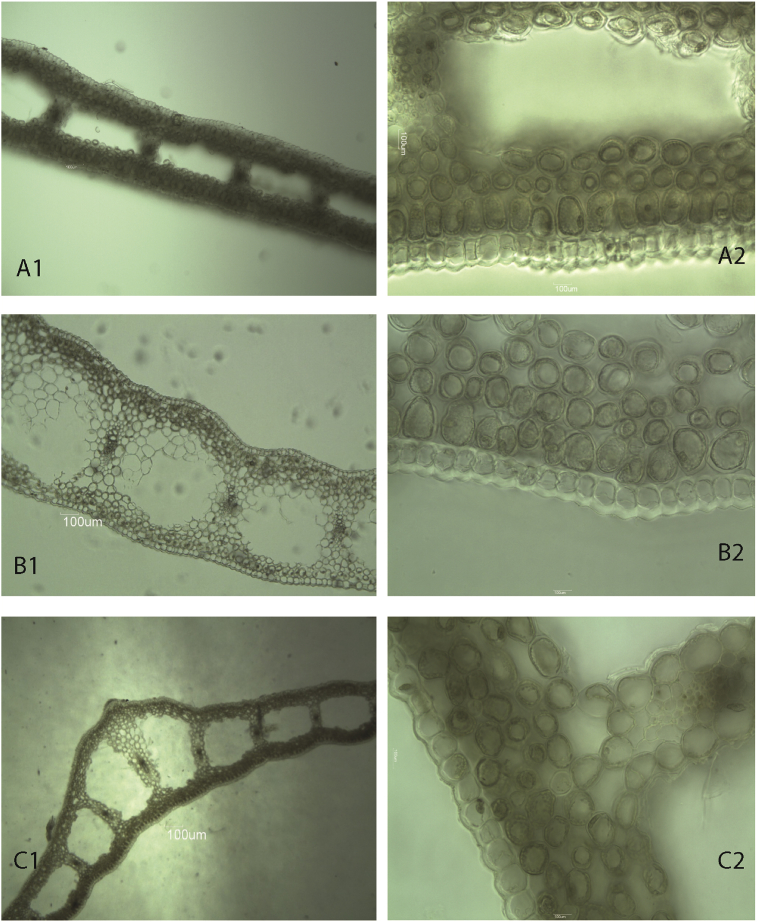
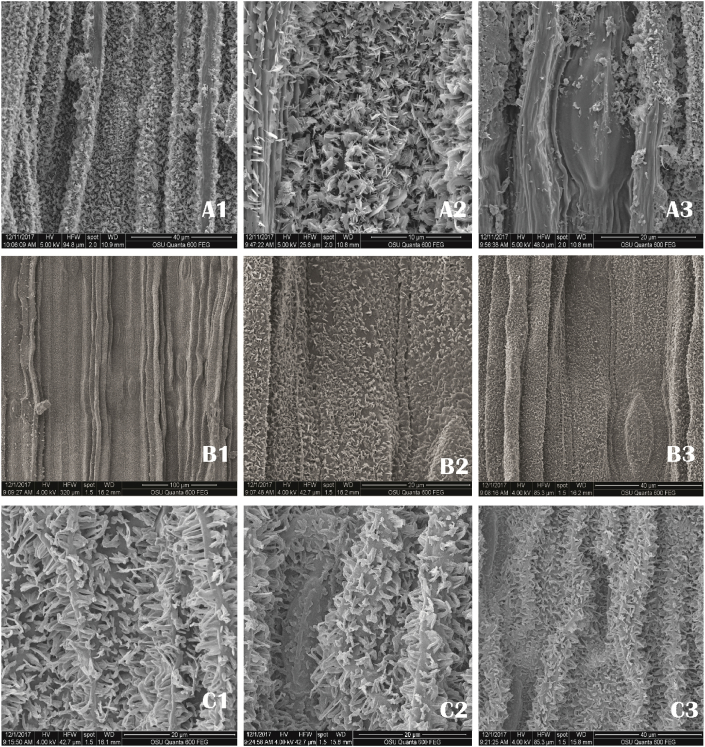
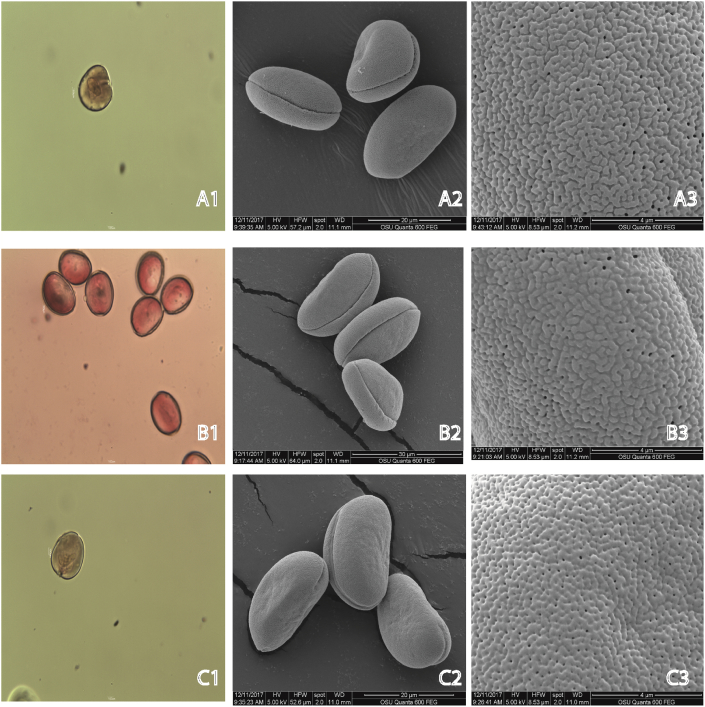
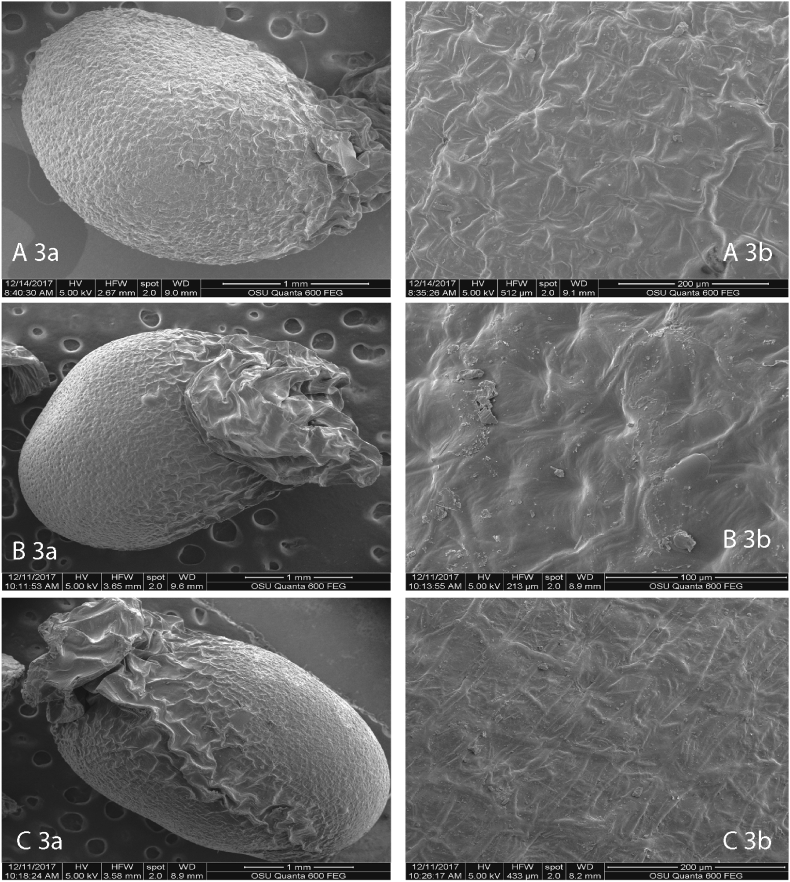
Genus (Amaryllidaceae) includes 19 species in Europe and the Middle East. The Flora of Bulgaria recognizes two species: L. and Hook. is characterized by relatively high morphological variability, leading some authors to identify some populations as Celak. However, the occurrence of in the Bulgarian flora is disputed. The hypothesis was that populations previously identified as belong indeed to a separate species. Therefore, the objective of this study was to compare and with plants from populations previously identified as . Morphological, DNA, embryological and anatomical analyzes were conducted to meet the objective. The morphological characteristics and DNA dendrogram revealed that and were situated in the same cluster and had significant morphological similarity, whereas plants from populations identified as were dissimilar in morphology and situated in a separate cluster. The revealed features of the generative sphere showed similarities across the species. Scanning electron microscopy (SEM) analyses of the surface revealed that the anticillinal walls of and were straight, while those of were wavy. This research demonstrated that the plants of and those from populations identified as are morphologically, embryologically and genetically similar, thus refuting the hypothesis. This study did not provide sufficient evidence to support the claim of the existence of in the Bulgarian flora; the populations identified as in Bulgaria may be forms of .
水仙属(石蒜科)在欧洲和中东地区包括19个物种。《保加利亚植物志》认可两个物种:水仙和胡克水仙。水仙具有相对较高的形态变异性,导致一些作者将一些种群鉴定为塞拉克水仙。然而,水仙在保加利亚植物区系中的存在存在争议。假设是先前鉴定为水仙的种群确实属于一个单独的物种。因此,本研究的目的是将水仙和胡克水仙与先前鉴定为水仙的种群的植物进行比较。为实现该目的进行了形态学、DNA、胚胎学和解剖学分析。形态特征和DNA树状图显示,水仙和胡克水仙位于同一聚类中,具有显著的形态相似性,而鉴定为塞拉克水仙的种群的植物在形态上不同,位于一个单独的聚类中。生殖球体的揭示特征显示出不同物种间的相似性。表面的扫描电子显微镜(SEM)分析表明,水仙和胡克水仙的垂周壁是直的,而塞拉克水仙的垂周壁是波浪状的。这项研究表明,水仙的植物和鉴定为塞拉克水仙的种群的植物在形态学、胚胎学和遗传学上相似,从而反驳了该假设。本研究没有提供足够的证据来支持保加利亚植物区系中存在塞拉克水仙的说法;在保加利亚鉴定为塞拉克水仙的种群可能是水仙的变种。