Department of Molecular Cell Genetics, L. Rydygier Collegium Medicum, Nicolaus Copernicus University, uI. Curie Sklodowskiej 9, 85-94 Bydgoszcz, Poland.
Department of Physiology and Cell Biology, University of Nevada, Reno School of Medicine, Reno, Nevada 89557, United States.
ACS Chem Neurosci. 2020 Jun 3;11(11):1555-1562. doi: 10.1021/acschemneuro.0c00210. Epub 2020 May 19.
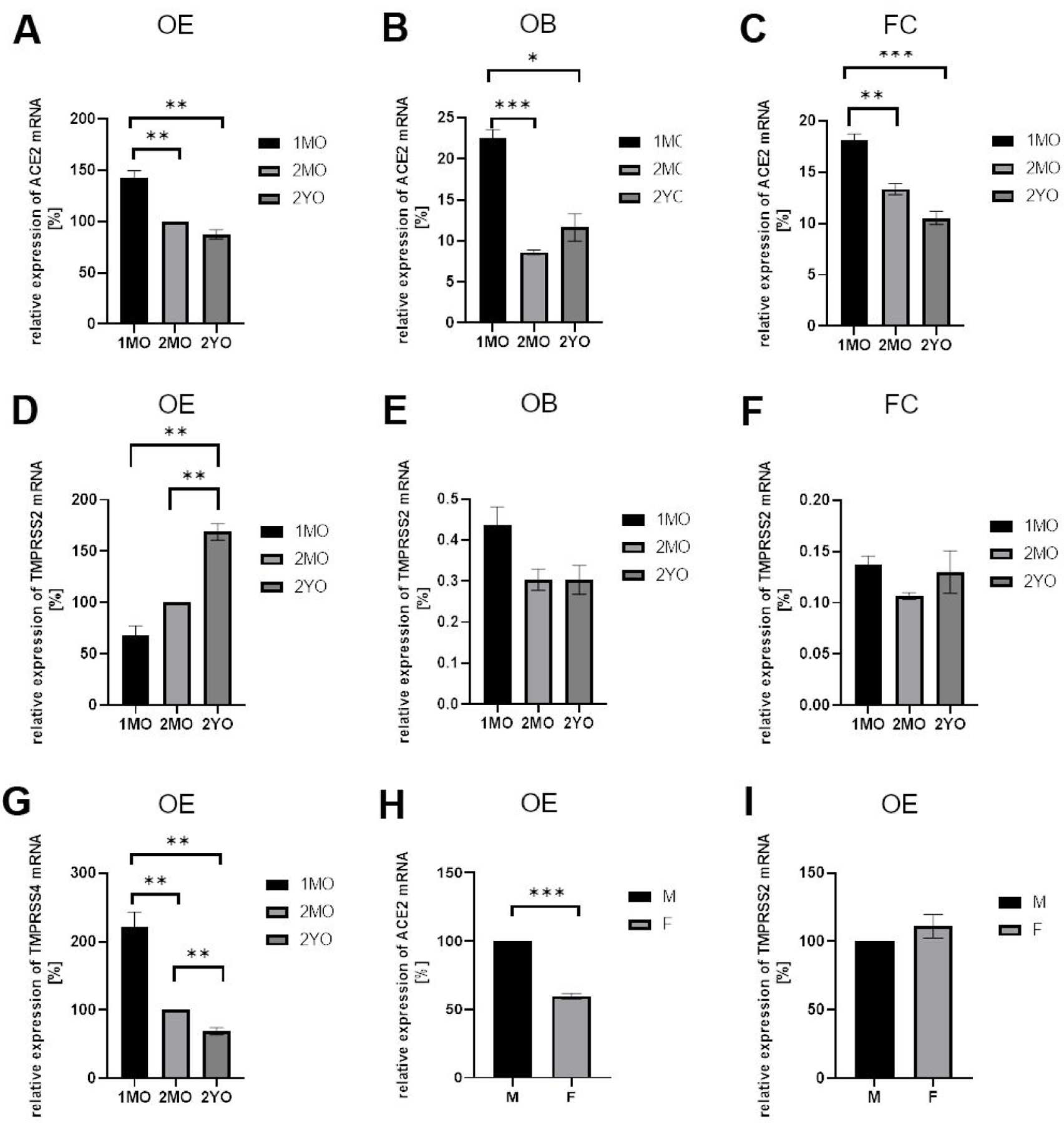
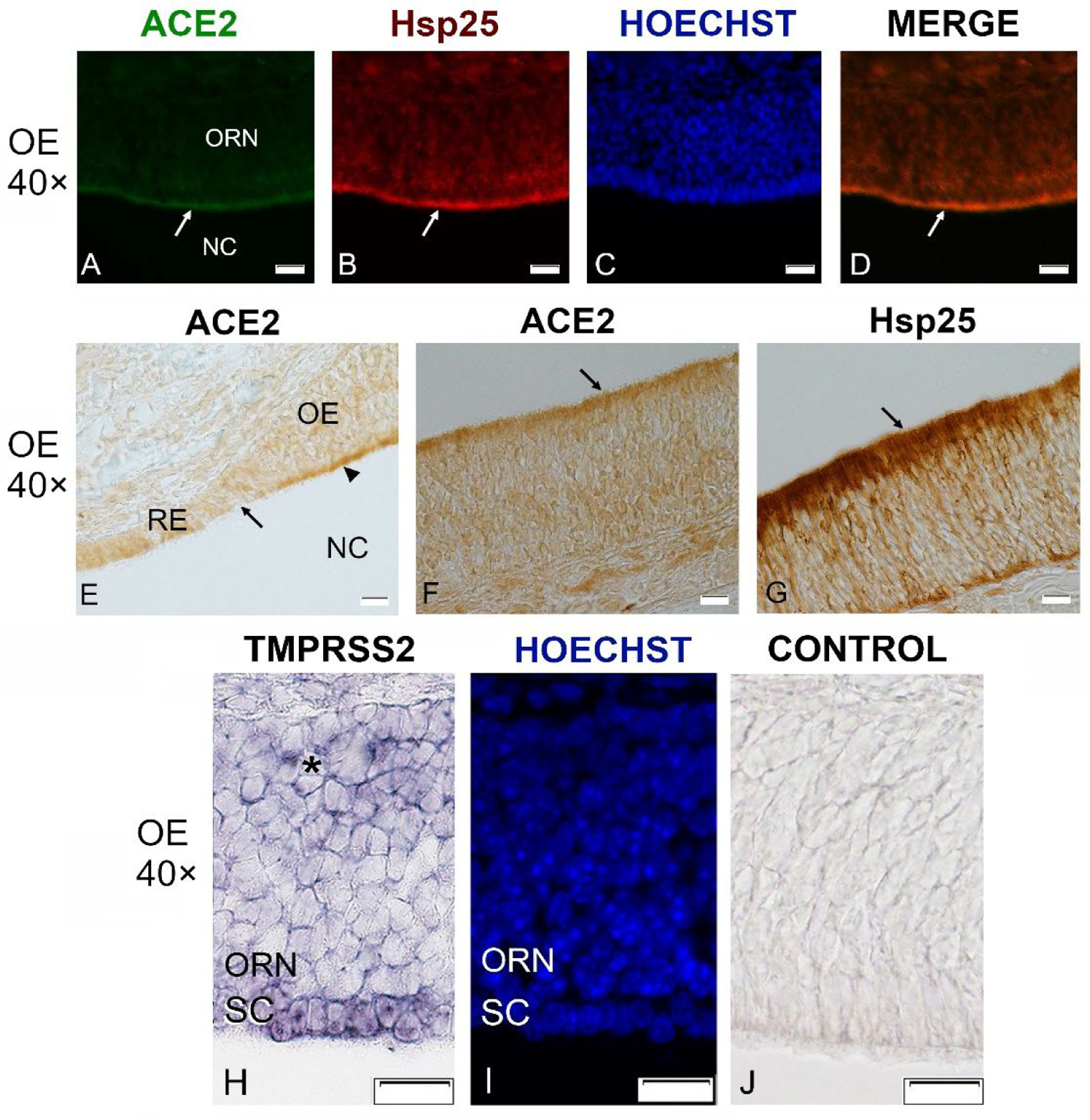
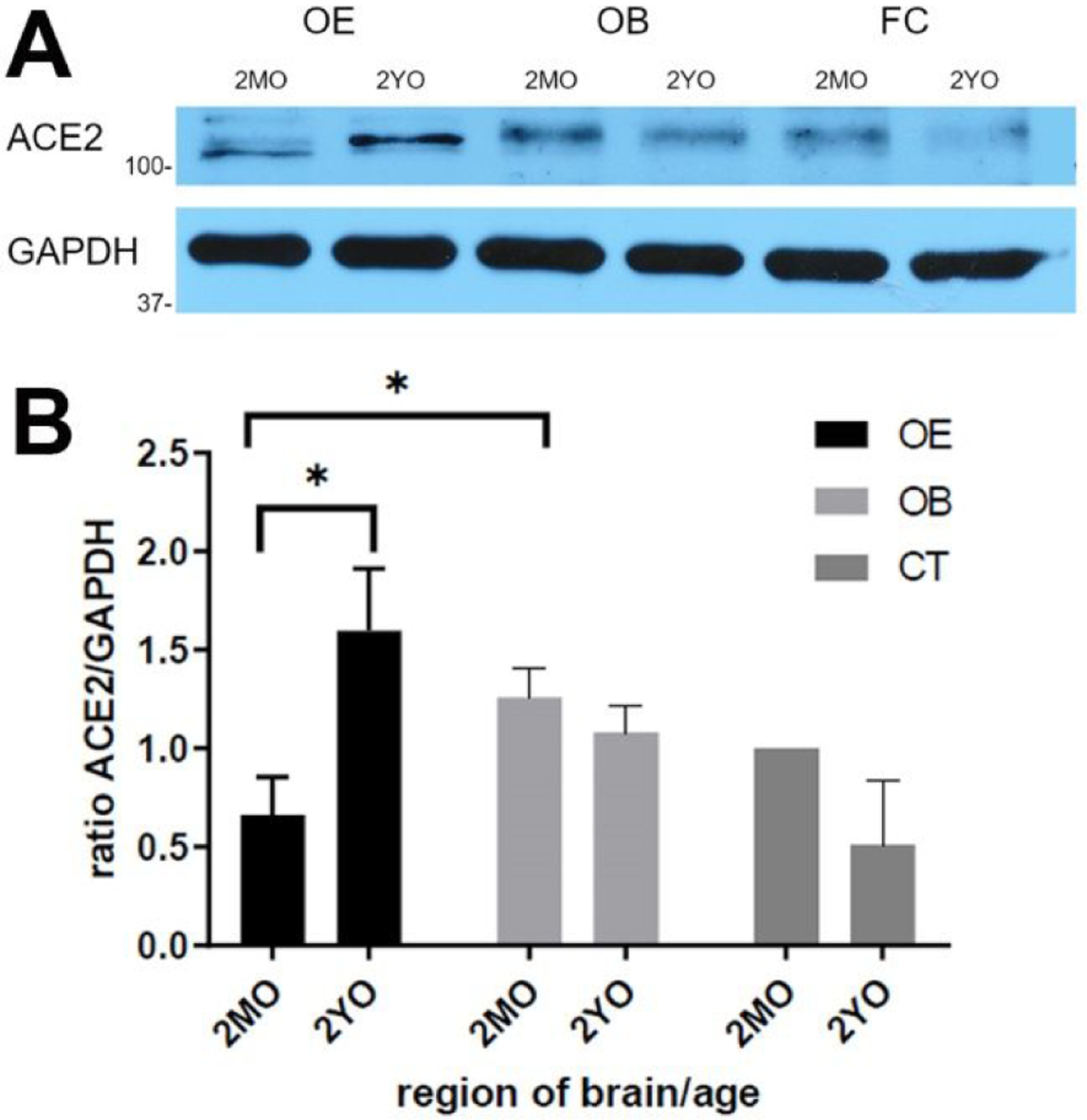
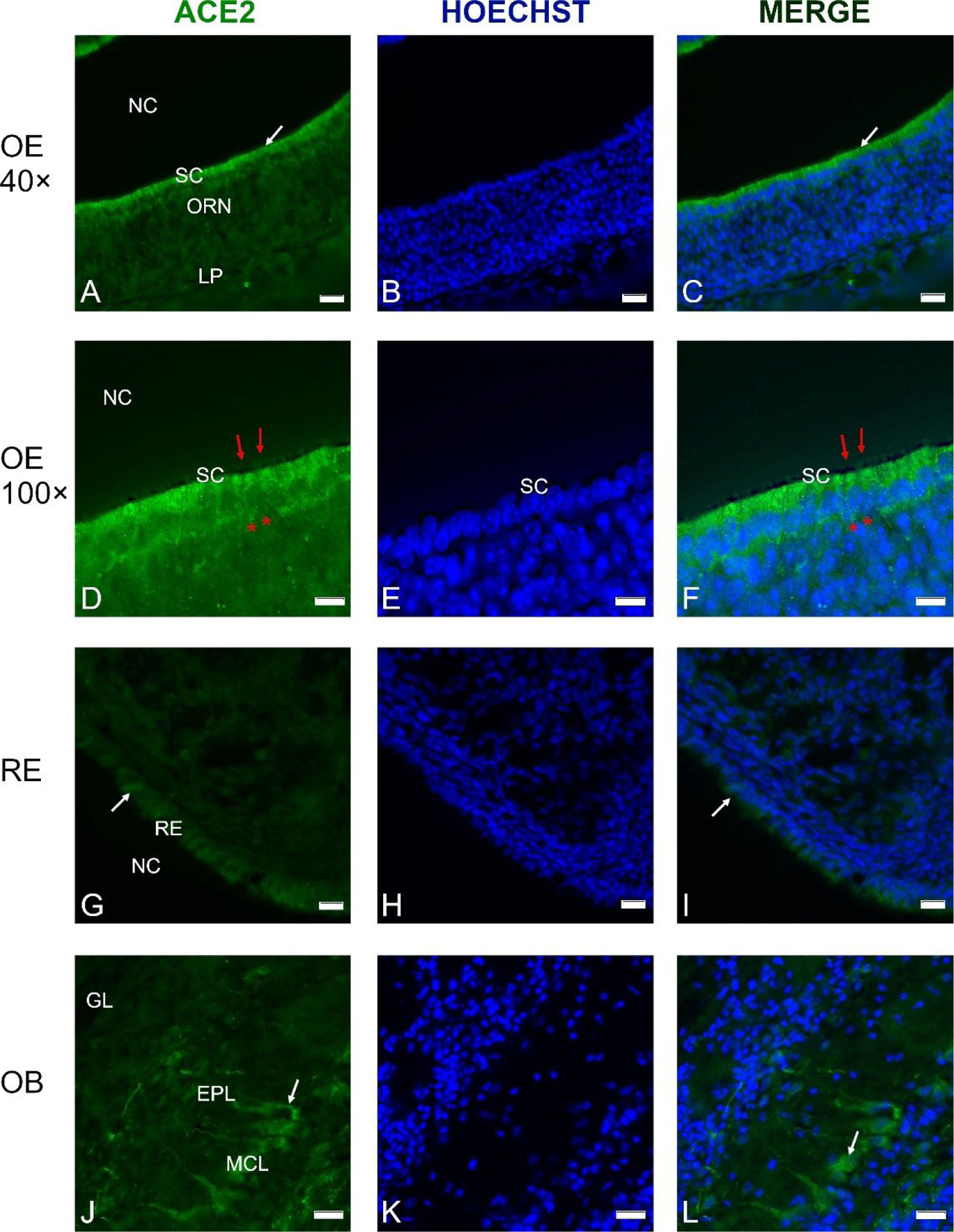
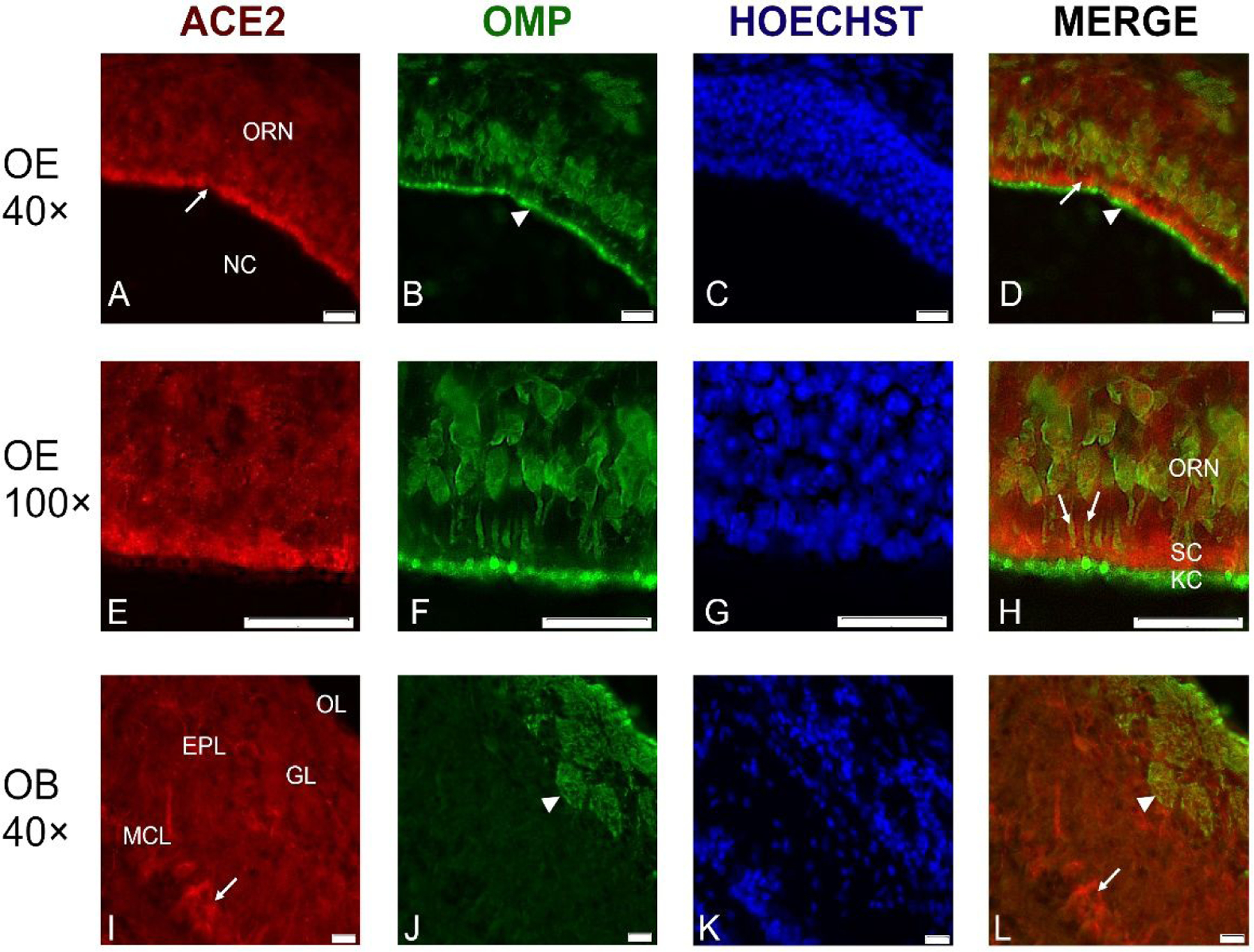
The COVID-19 pandemic revealed that there is a loss of smell in many patients, including in infected but otherwise asymptomatic individuals. The underlying mechanisms for the olfactory symptoms are unclear. Using a mouse model, we determined whether cells in the olfactory epithelium express the obligatory receptors for entry of the SARS-CoV-2 virus by using RNAseq, RT-PCR, in situ hybridization, Western blot, and immunocytochemistry. We show that the cell surface protein ACE2 and the protease TMPRSS2 are expressed in sustentacular cells of the olfactory epithelium but not, or much less, in most olfactory receptor neurons. These data suggest that sustentacular cells are involved in SARS-CoV-2 virus entry and impairment of the sense of smell in COVID-19 patients. We also show that expression of the entry proteins increases in animals of old age. This may explain, if true also in humans, why individuals of older age are more susceptible to the SARS-CoV-2 infection.
新冠疫情大流行表明,许多患者(包括无症状感染者)都存在嗅觉丧失。嗅觉症状的潜在机制尚不清楚。我们使用小鼠模型,通过 RNAseq、RT-PCR、原位杂交、Western blot 和免疫细胞化学,确定了嗅上皮中的细胞是否表达 SARS-CoV-2 病毒进入的必需受体。结果表明,细胞表面蛋白 ACE2 和蛋白酶 TMPRSS2 在嗅上皮的支持细胞中表达,但在大多数嗅觉受体神经元中不表达或表达很少。这些数据表明,支持细胞参与了 SARS-CoV-2 病毒的进入以及新冠患者嗅觉丧失。我们还发现,这些进入蛋白的表达在老年动物中增加。如果这在人类中也是如此,那么这可以解释为什么老年人更容易感染 SARS-CoV-2。