Universidad de Buenos Aires, Facultad de Ciencias Exactas y Naturales, Departamento de Química Biológica, Laboratorio de Virología, Buenos Aires, Argentina; CONICET - Universidad de Buenos Aires, Instituto de Química Biológica de la Facultad de Ciencias Exactas y Naturales (IQUIBICEN). Buenos Aires, Argentina.
Laboratorio de Patología y Farmacología Molecular, Instituto de Biología y Medicina Experimental, IBYME, CONICET, Buenos Aires, Argentina.
Antiviral Res. 2020 Jul;179:104817. doi: 10.1016/j.antiviral.2020.104817. Epub 2020 May 6.
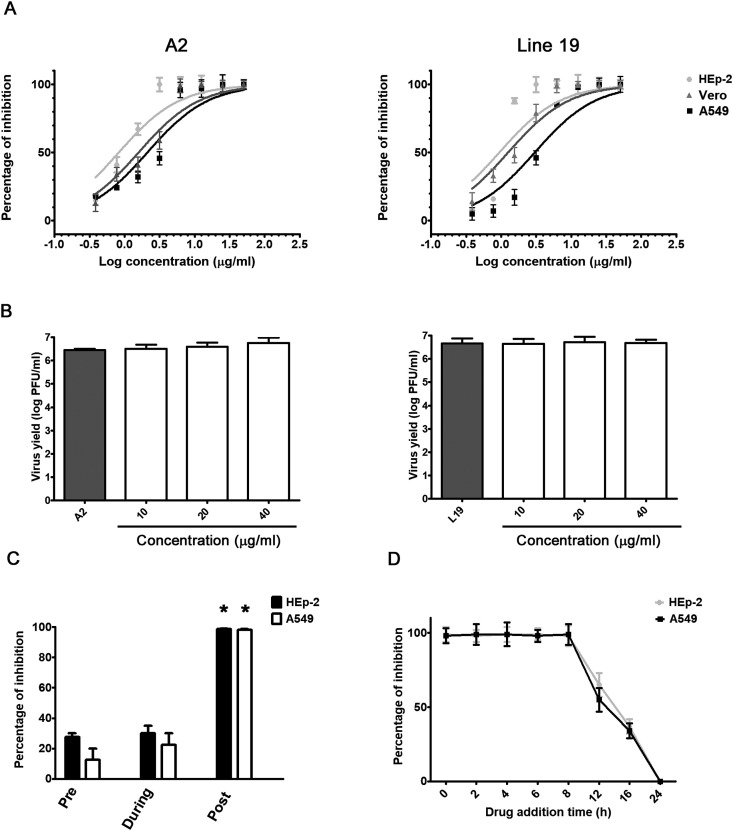
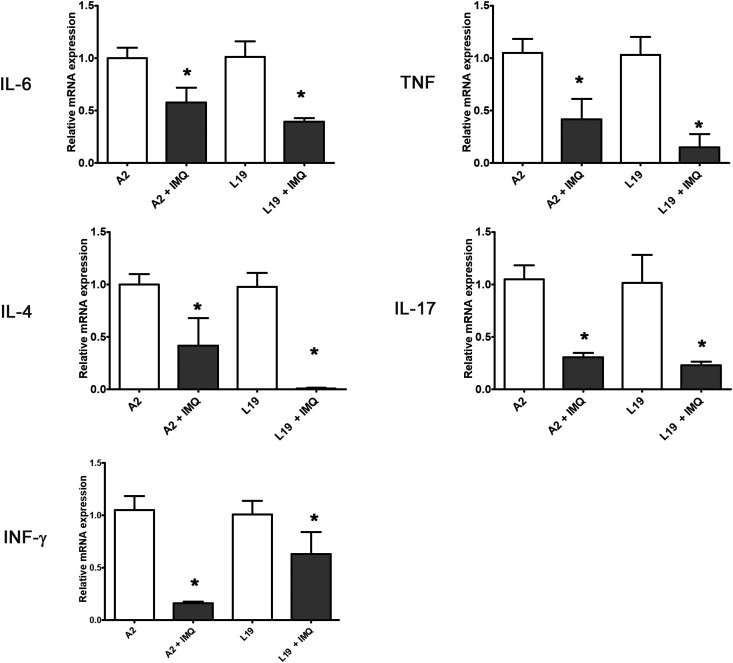
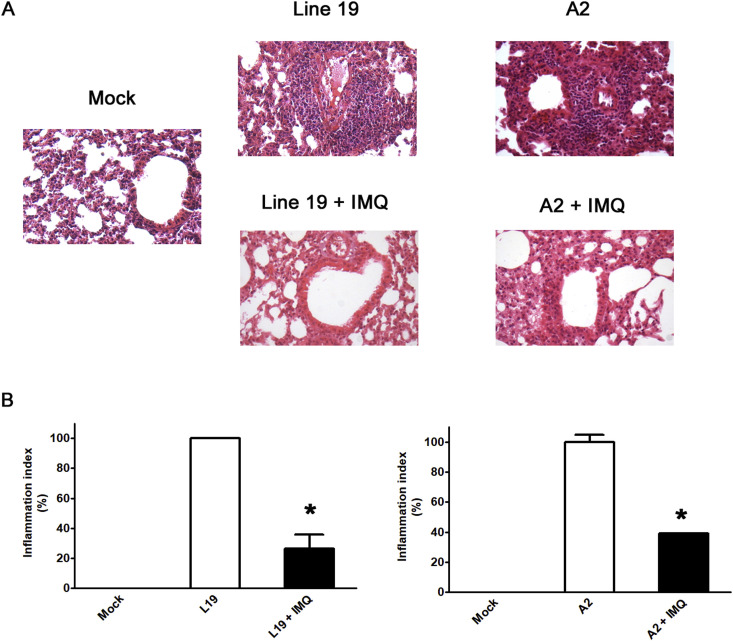
Respiratory syncytial virus (RSV) is a leading cause of lower respiratory tract disease and bronchiolitis in children, as well as an important cause of morbidity and mortality in elderly and immunocompromised individuals. However, there is no safe and efficacious RSV vaccine or antiviral treatment. Toll Like Receptors (TLR) are important molecular mediators linking innate and adaptive immunity, and their stimulation by cognate agonists has been explored as antiviral agents. Imiquimod is known as a TLR7 agonist, but additionally acts as an antagonist for adenosine receptors. In this study, we demonstrate that imiquimod, but not resiquimod, has direct anti-RSV activity via PKA pathway in HEp-2 and A549 cells, independently of an innate response. Imiquimod restricts RSV infection after viral entry into the host cell, interfering with viral RNA and protein synthesis. Probably as a consequence of these anti-RSV properties, imiquimod displays cytokine modulating activity in RSV infected epithelial cells. Moreover, in a murine model of RSV infection, imiquimod treatment improves the course of acute disease, evidenced by decreased weight loss, reduced RSV lung titers, and attenuated airway inflammation. Consequently, imiquimod represents a promising therapeutic alternative against RSV infection and may inform the development of novel therapeutic targets to control RSV pathogenesis.
呼吸道合胞病毒(RSV)是导致儿童下呼吸道疾病和细支气管炎的主要原因,也是老年人和免疫功能低下者发病率和死亡率的重要原因。然而,目前尚无安全有效的 RSV 疫苗或抗病毒治疗方法。Toll 样受体(TLR)是连接先天免疫和适应性免疫的重要分子介质,其同源激动剂的刺激作用已被探索作为抗病毒药物。咪喹莫特是一种 TLR7 激动剂,但也作为腺苷受体的拮抗剂。在这项研究中,我们证明了咪喹莫特而非瑞喹莫特通过 PKA 通路在 HEp-2 和 A549 细胞中具有直接的抗 RSV 活性,而与先天反应无关。咪喹莫特在病毒进入宿主细胞后限制 RSV 感染,干扰病毒 RNA 和蛋白质合成。可能由于这些抗 RSV 特性,咪喹莫特在 RSV 感染的上皮细胞中显示细胞因子调节活性。此外,在 RSV 感染的小鼠模型中,咪喹莫特治疗可改善急性疾病的病程,表现为体重减轻减少、RSV 肺部滴度降低和气道炎症减轻。因此,咪喹莫特代表了针对 RSV 感染的有前途的治疗选择,并可能为控制 RSV 发病机制的新型治疗靶点的开发提供信息。