Department of Chemistry, University of Tokyo, Tokyo, Japan.
Department of Clinical Laboratory Medicine, Graduate School of Medicine, University of Tokyo, Tokyo, Japan.
Elife. 2020 May 12;9:e52938. doi: 10.7554/eLife.52938.
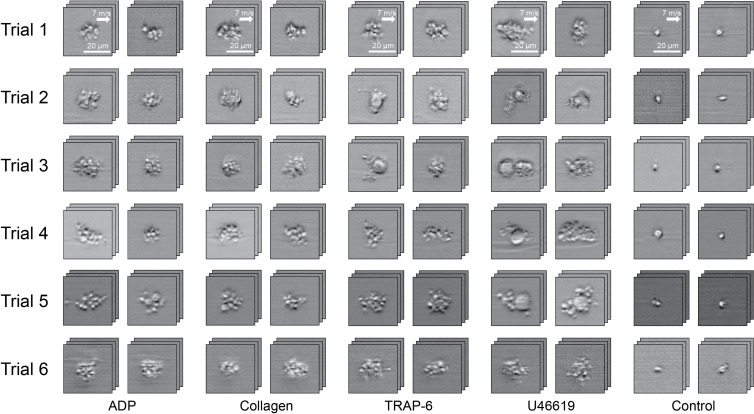
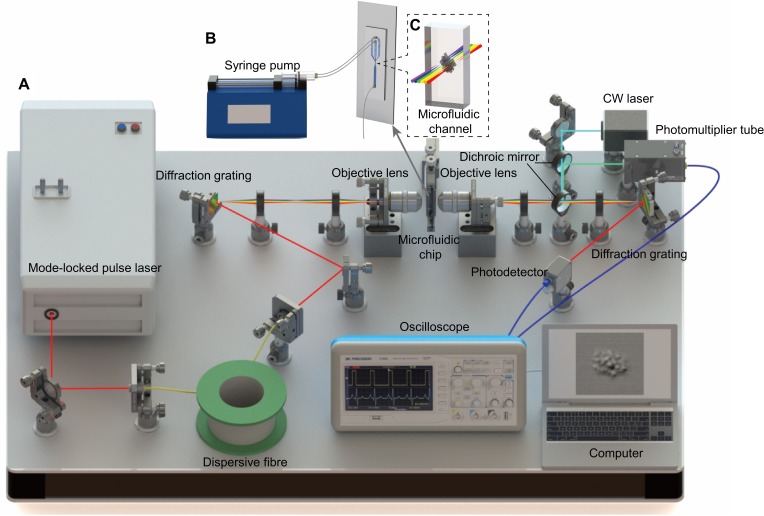
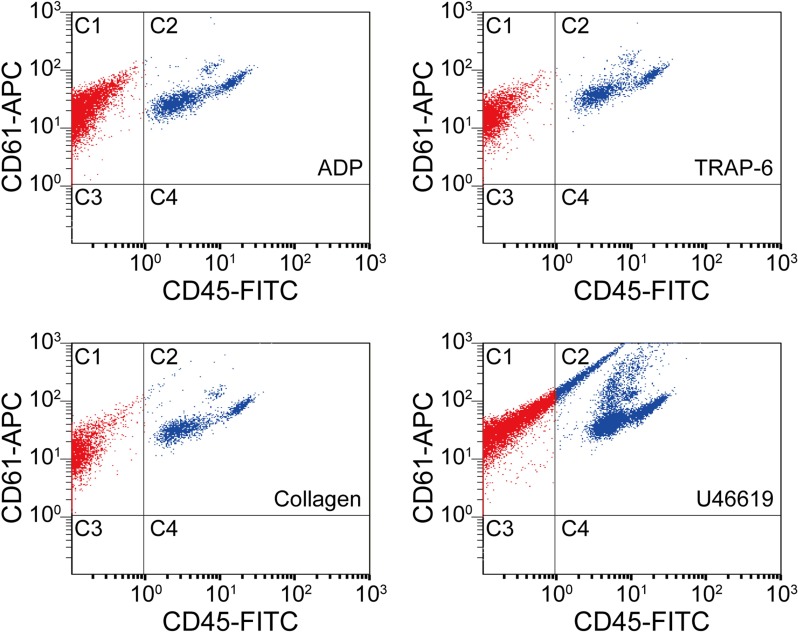
Platelets are anucleate cells in blood whose principal function is to stop bleeding by forming aggregates for hemostatic reactions. In addition to their participation in physiological hemostasis, platelet aggregates are also involved in pathological thrombosis and play an important role in inflammation, atherosclerosis, and cancer metastasis. The aggregation of platelets is elicited by various agonists, but these platelet aggregates have long been considered indistinguishable and impossible to classify. Here we present an intelligent method for classifying them by agonist type. It is based on a convolutional neural network trained by high-throughput imaging flow cytometry of blood cells to identify and differentiate subtle yet appreciable morphological features of platelet aggregates activated by different types of agonists. The method is a powerful tool for studying the underlying mechanism of platelet aggregation and is expected to open a window on an entirely new class of clinical diagnostics, pharmacometrics, and therapeutics.
血小板是血液中无核的细胞,其主要功能是通过形成聚集物来止血,从而参与止血反应。除了参与生理止血外,血小板聚集物还参与病理性血栓形成,并在炎症、动脉粥样硬化和癌症转移中发挥重要作用。血小板的聚集由各种激动剂引起,但这些血小板聚集物长期以来一直被认为是不可区分的,无法分类。在这里,我们提出了一种通过激动剂类型对其进行分类的智能方法。它基于一种卷积神经网络,该网络由高通量成像流式细胞术对血细胞进行训练,以识别和区分不同类型激动剂激活的血小板聚集物的细微但明显的形态特征。该方法是研究血小板聚集潜在机制的有力工具,有望为一类全新的临床诊断、药物代谢动力学和治疗学开辟一扇窗口。