College of Veterinary Medicine, South China Agricultural University, 510642, Guangzhou, China.
Guangdong Laboratory of Lingnan Modern Agriculture, 510642, Guangzhou, China.
Nat Commun. 2020 May 11;11(1):2325. doi: 10.1038/s41467-020-16173-0.
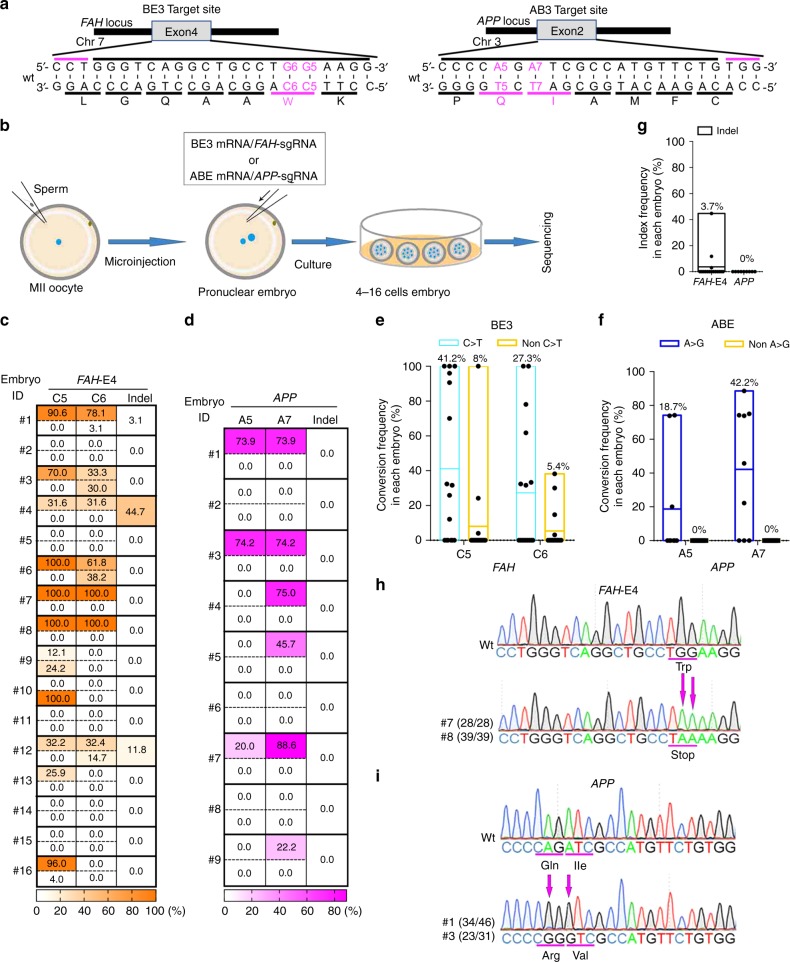
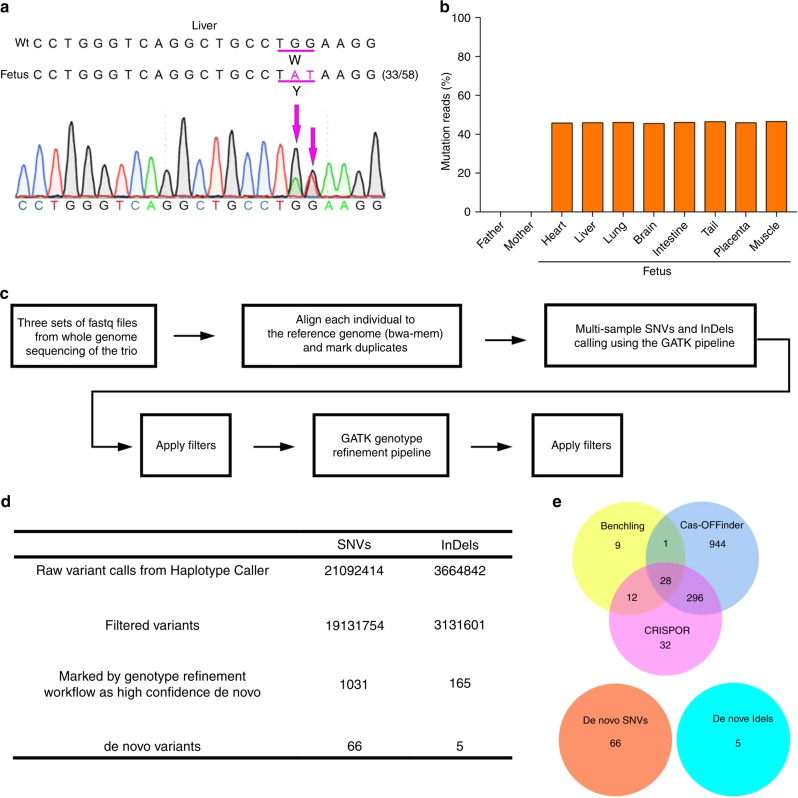
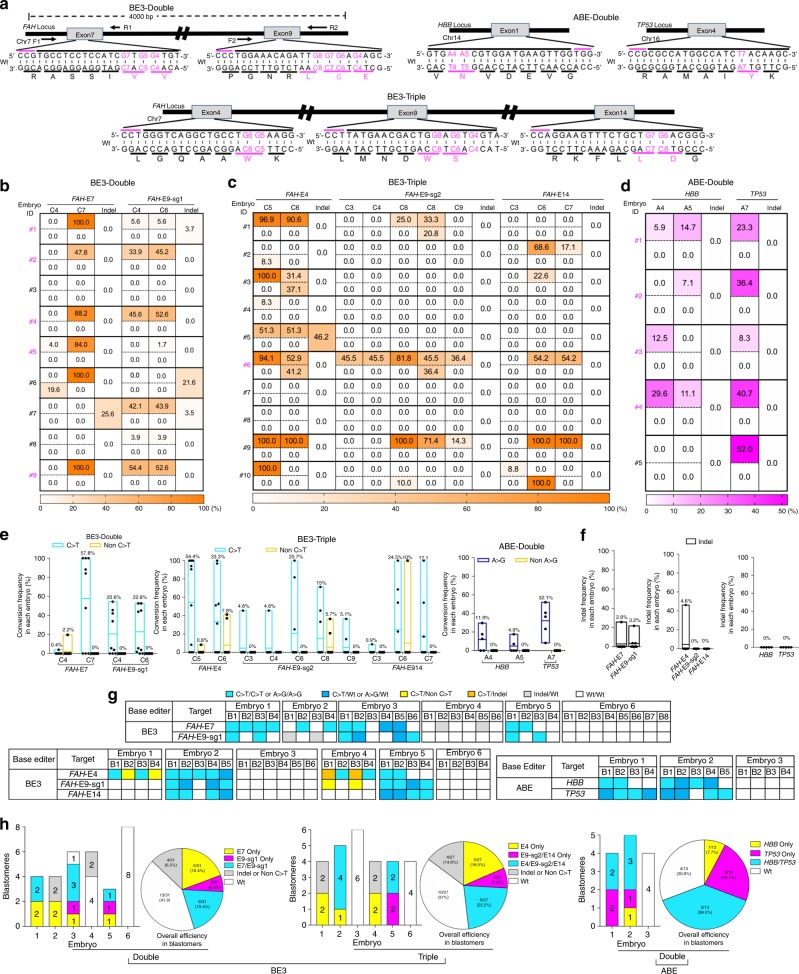
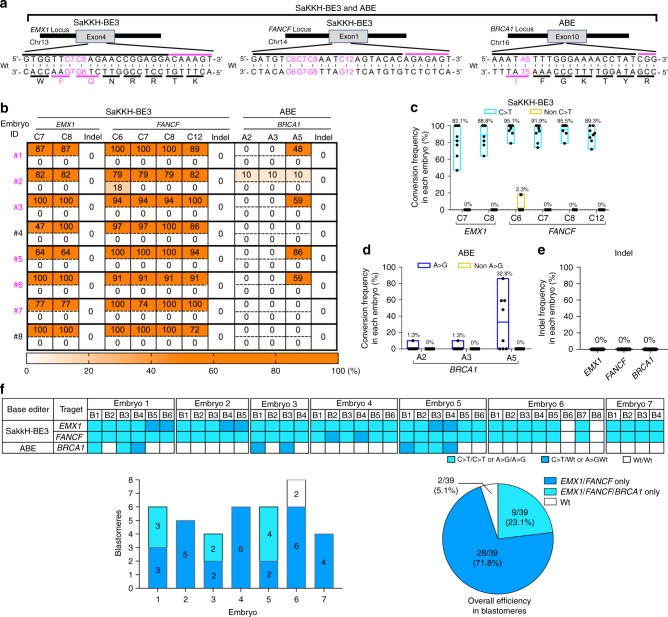
Common polygenic diseases result from compounded risk contributed by multiple genetic variants, meaning that simultaneous correction or introduction of single nucleotide variants is required for disease modeling and gene therapy. Here, we show precise, efficient, and simultaneous multiplex base editing of up to three target sites across 11 genes/loci in cynomolgus monkey embryos using CRISPR-based cytidine- and adenine-base editors. Unbiased whole genome sequencing demonstrates high specificity of base editing in monkey embryos. Our data demonstrate feasibility of multiplex base editing for polygenic disease modeling in primate zygotes.
常见的多基因疾病是由多个遗传变异共同导致的风险累积所致,这意味着需要同时纠正或引入单个核苷酸变异,才能进行疾病建模和基因治疗。在这里,我们使用基于 CRISPR 的胞嘧啶和腺嘌呤碱基编辑器,在食蟹猴胚胎中精确、高效、同时对多达 11 个基因/基因座的三个靶标进行了多重碱基编辑。无偏全基因组测序证明了碱基编辑在猴胚胎中的高度特异性。我们的数据证明了在灵长类受精卵中进行多基因疾病建模的多重碱基编辑的可行性。