Iliuk Anton, Wu Xiaofeng, Li Li, Sun Jie, Hadisurya Marco, Boris Ronald S, Tao W Andy
Department of Biochemistry, Purdue University, West Lafayette, Indiana 47907, United States.
Tymora Analytical Operations, West Lafayette, Indiana 47906, United States.
J Proteome Res. 2020 Jul 2;19(7):2563-2574. doi: 10.1021/acs.jproteome.0c00151. Epub 2020 May 28.
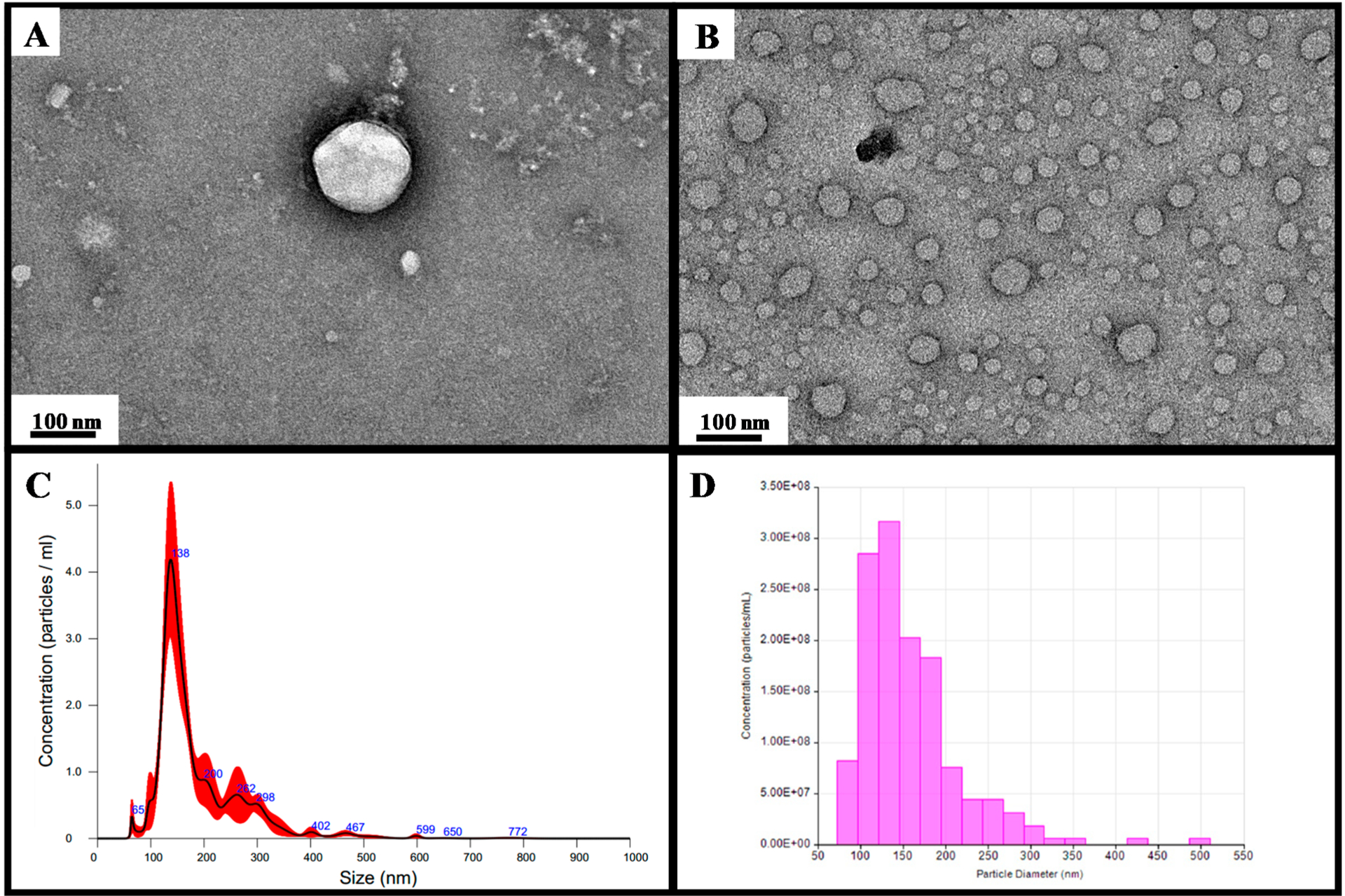
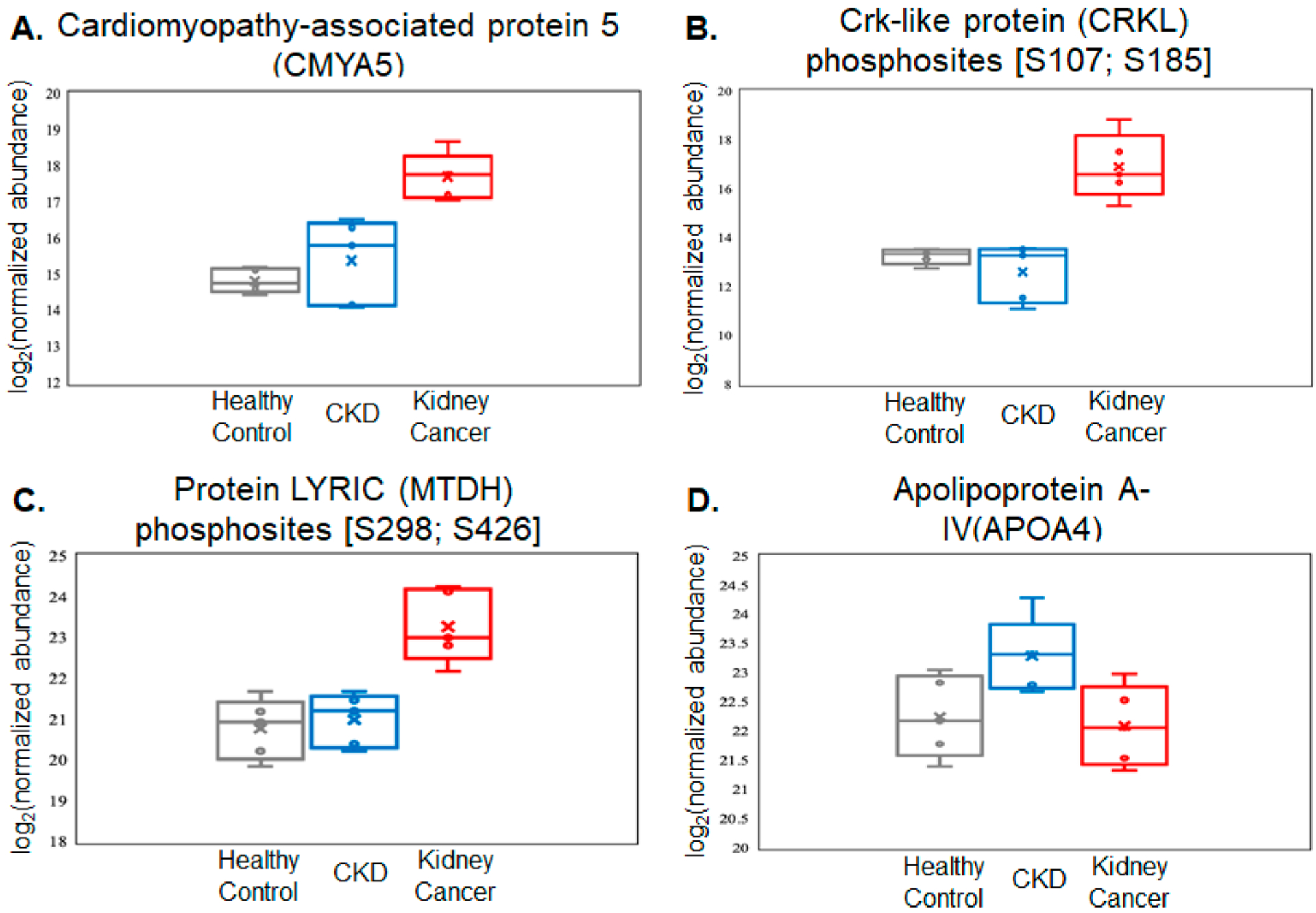
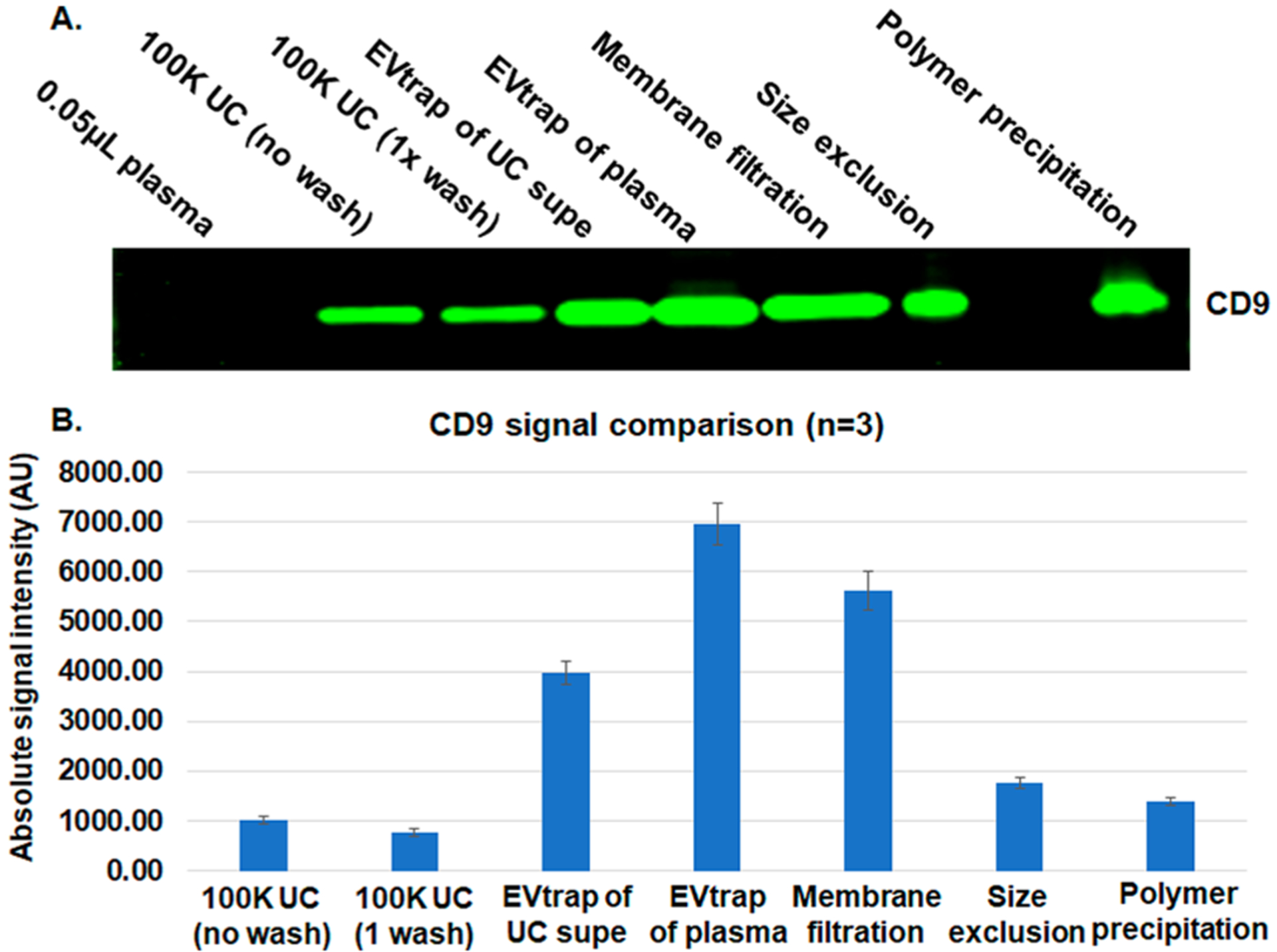
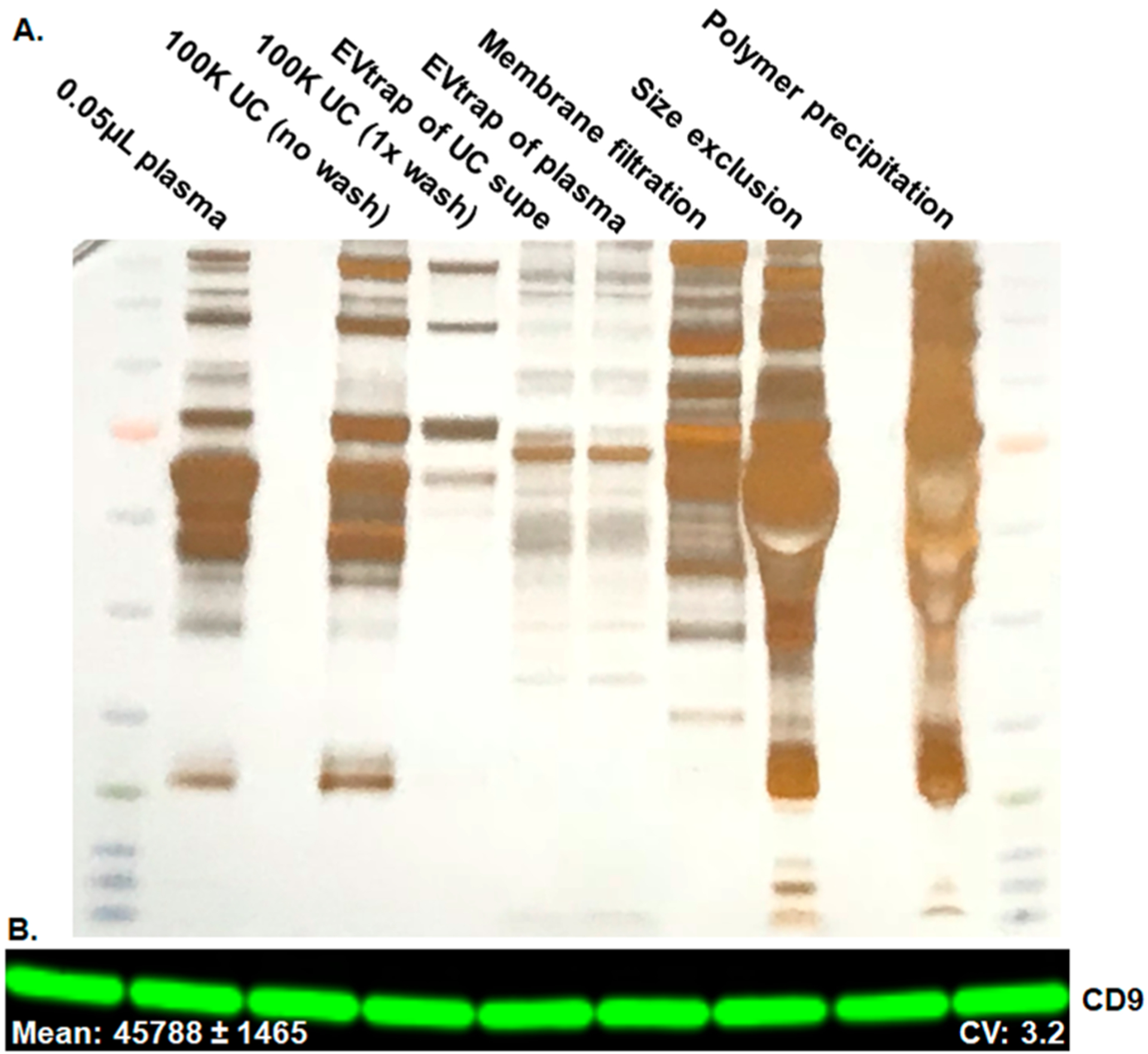
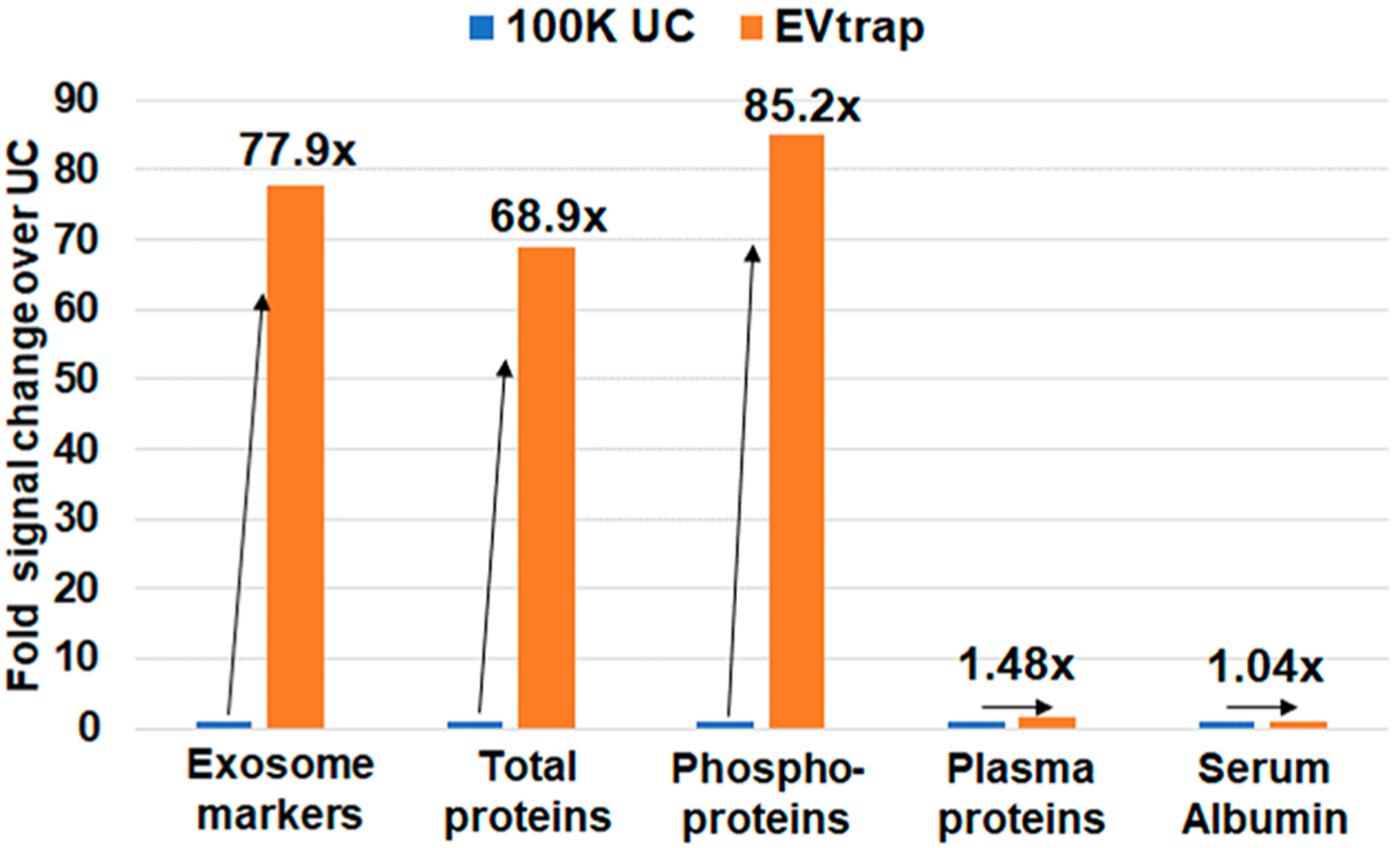
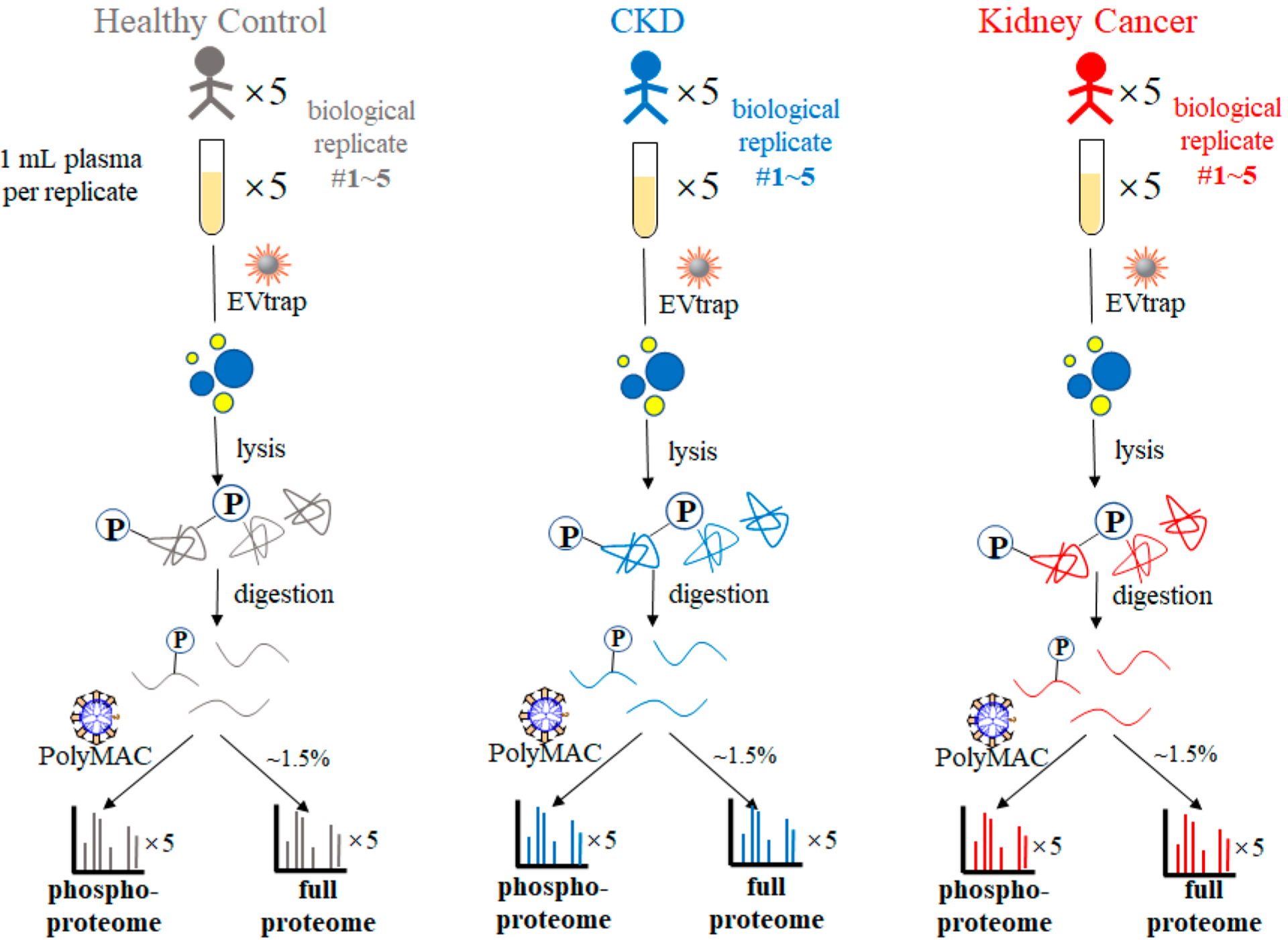
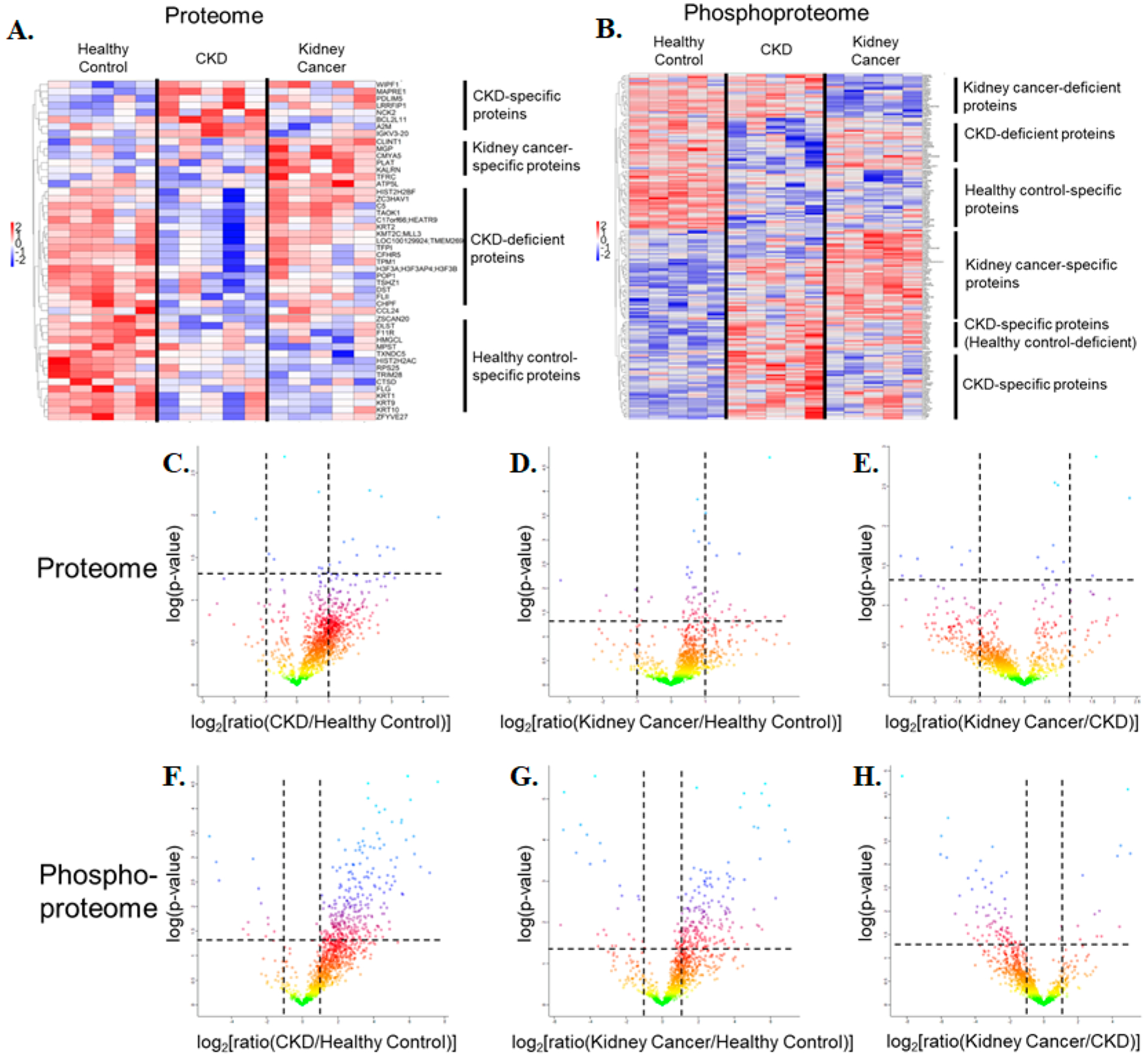
The invasive nature and the pain caused to patients inhibit the routine use of tissue biopsy-based procedures for cancer diagnosis and surveillance. The analysis of extracellular vesicles (EVs) from biofluids has recently gained significant traction in the liquid biopsy field. EVs offer an essential "snapshot" of their precursor cells in real time and contain an information-rich collection of nucleic acids, proteins, lipids, and so on. The analysis of protein phosphorylation, as a direct marker of cellular signaling and disease progression could be an important stepping stone to successful liquid biopsy applications. Here we introduce a rapid EV isolation method based on chemical affinity called EVtrap (extracellular vesicle total recovery and purification) for the EV phosphoproteomics analysis of human plasma. By incorporating EVtrap with high-performance mass spectrometry (MS), we were able to identify over 16 000 unique peptides representing 2238 unique EV proteins from just 5 μL of plasma sample, including most known EV markers, with substantially higher recovery levels compared with ultracentrifugation. Most importantly, more than 5500 unique phosphopeptides representing almost 1600 phosphoproteins in EVs were identified using only 1 mL of plasma. Finally, we carried out a quantitative EV phosphoproteomics analysis of plasma samples from patients diagnosed with chronic kidney disease or kidney cancer, identifying dozens of phosphoproteins capable of distinguishing disease states from healthy controls. The study demonstrates the potential feasibility of our robust analytical pipeline for cancer signaling monitoring by tracking plasma EV phosphorylation.
侵入性以及给患者带来的疼痛限制了基于组织活检的程序在癌症诊断和监测中的常规应用。生物流体中细胞外囊泡(EVs)的分析最近在液体活检领域获得了显著关注。EVs能够实时提供其前体细胞的重要“快照”,并且包含丰富的核酸、蛋白质、脂质等信息。蛋白质磷酸化分析作为细胞信号传导和疾病进展的直接标志物,可能是成功应用液体活检的重要基石。在此,我们介绍一种基于化学亲和力的快速EV分离方法,称为EVtrap(细胞外囊泡全回收与纯化),用于人血浆的EV磷酸化蛋白质组学分析。通过将EVtrap与高性能质谱(MS)相结合,我们仅从5μL血浆样本中就能鉴定出代表2238种独特EV蛋白的超过16000种独特肽段,包括大多数已知的EV标志物,与超速离心相比,回收率显著更高。最重要的是,仅使用1mL血浆就鉴定出了EV中代表近1600种磷酸化蛋白的超过5500种独特磷酸肽段。最后,我们对慢性肾病或肾癌患者的血浆样本进行了定量EV磷酸化蛋白质组学分析,鉴定出数十种能够区分疾病状态与健康对照的磷酸化蛋白。该研究通过追踪血浆EV磷酸化,证明了我们强大的分析流程用于癌症信号监测的潜在可行性。