Bockorny Bruno, Muthuswamy Lakshmi, Huang Ling, Hadisurya Marco, Maria Lim Christine, Tsai Leo L, Gill Ritu R, Wei Jesse L, Bullock Andrea J, Grossman Joseph E, Besaw Robert J, Narasimhan Supraja, Tao Weiguo Andy, Perea Sofia, Sawhney Mandeep S, Freedman Steven D, Hildago Manuel, Iliuk Anton, Muthuswamy Senthil K
Division of Medical Oncology, Beth Israel Deaconess Medical Center, Boston, United States.
Harvard Medical School, Boston, United States.
Elife. 2024 Dec 18;12:RP87369. doi: 10.7554/eLife.87369.
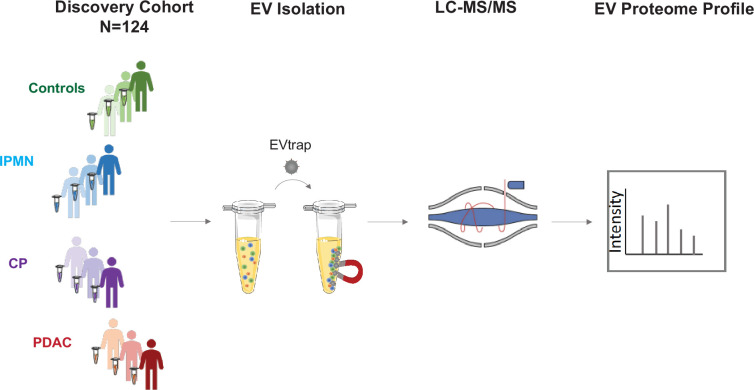
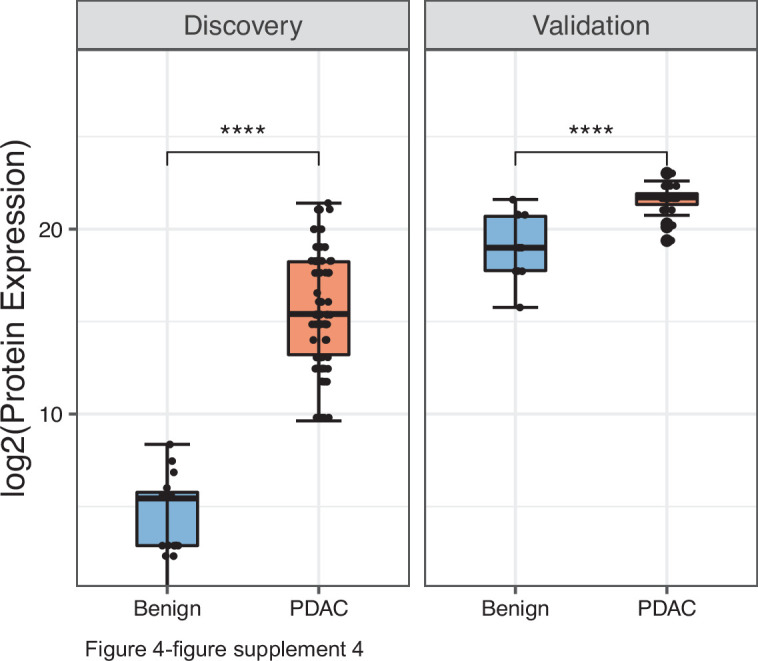
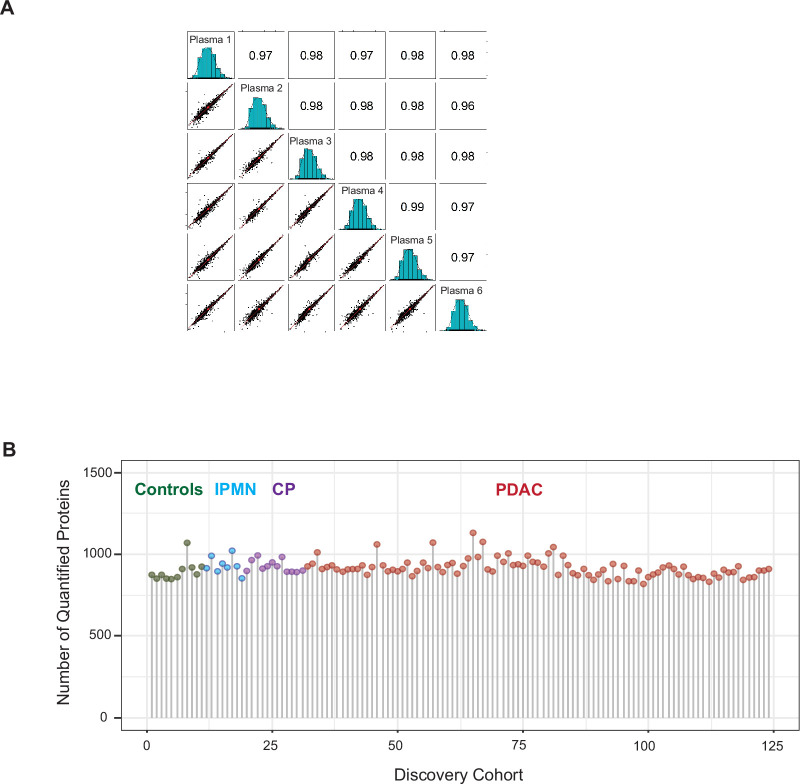
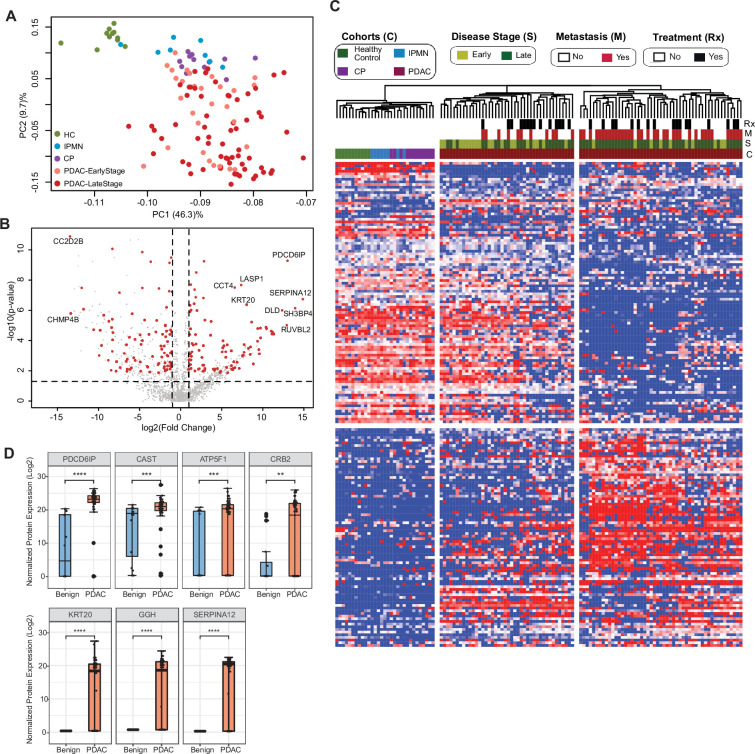
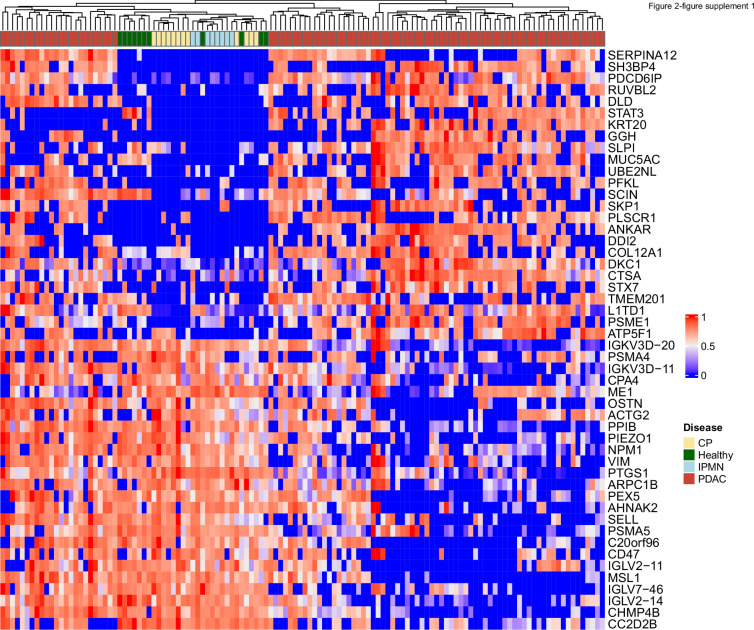
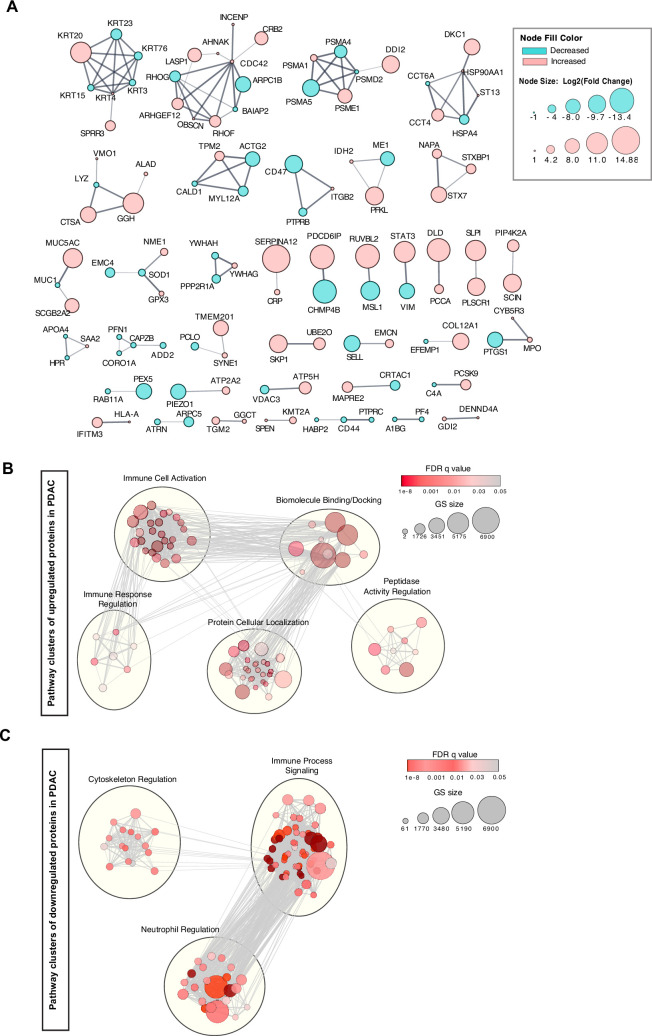
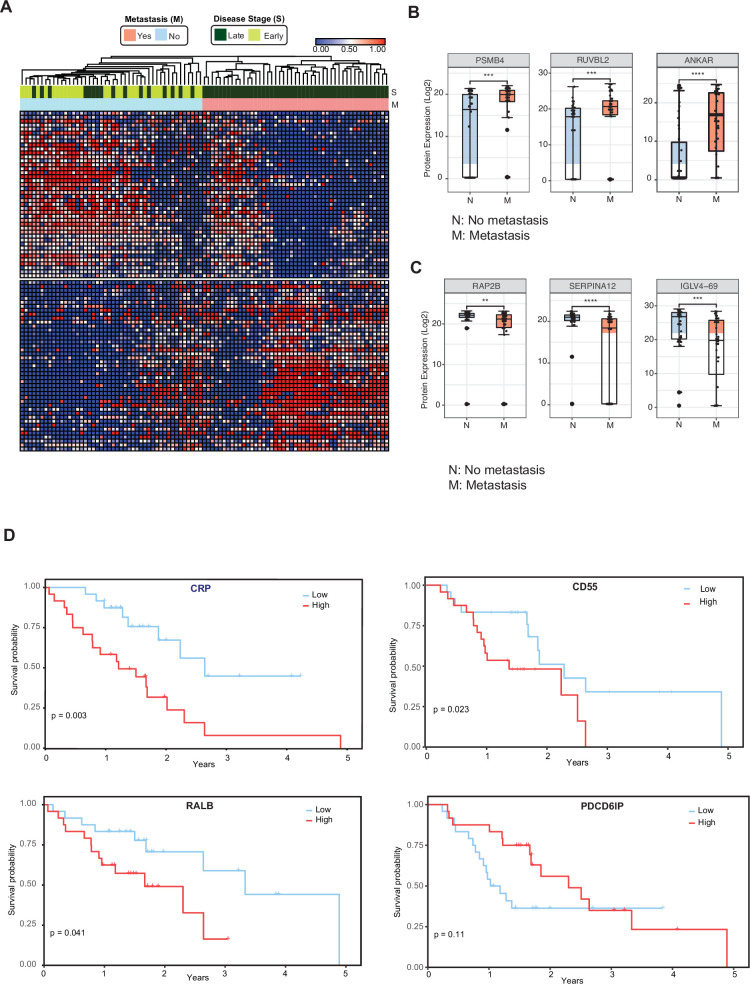
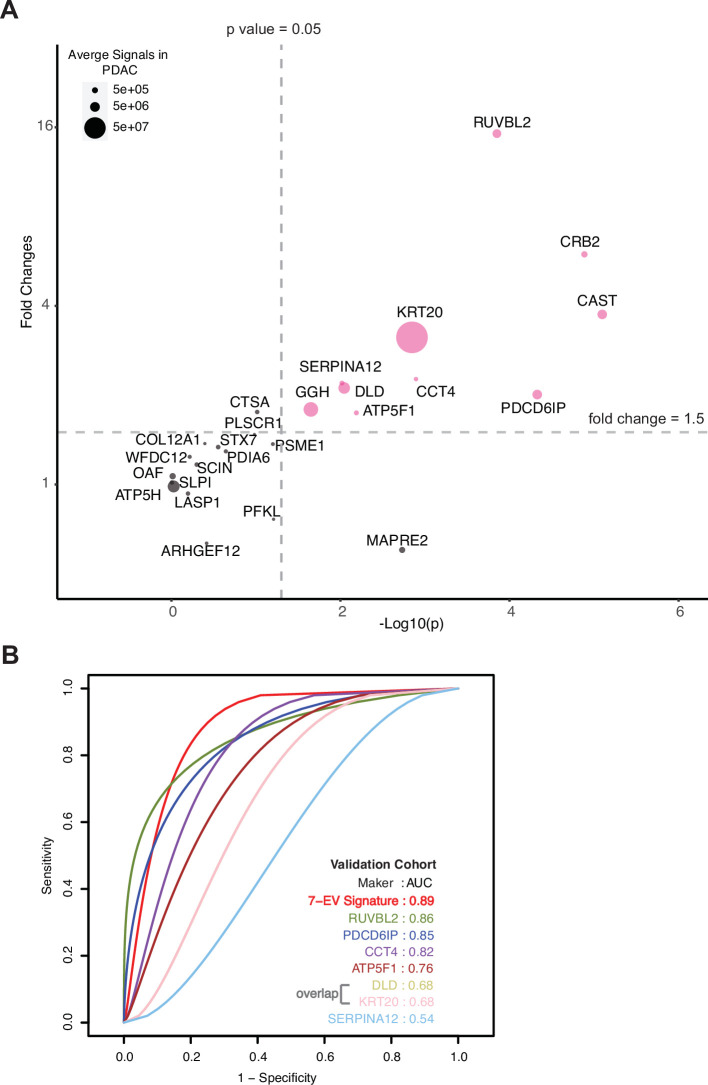
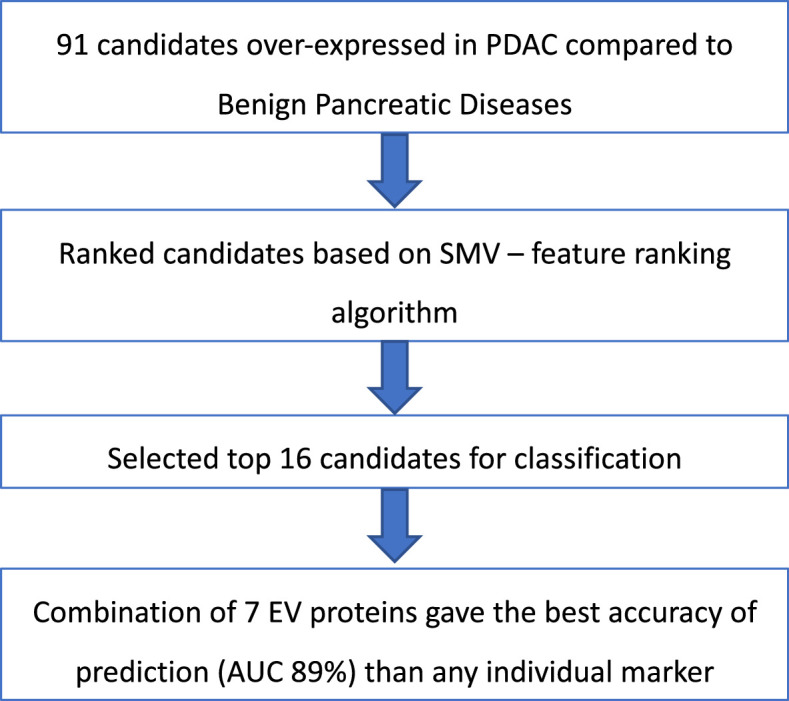
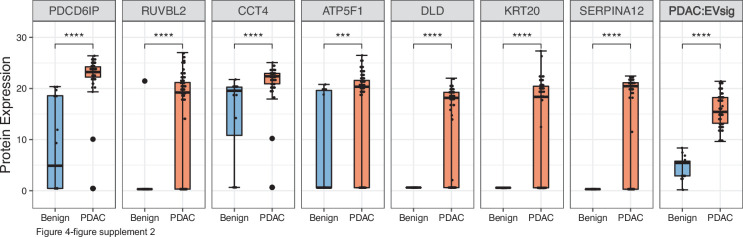
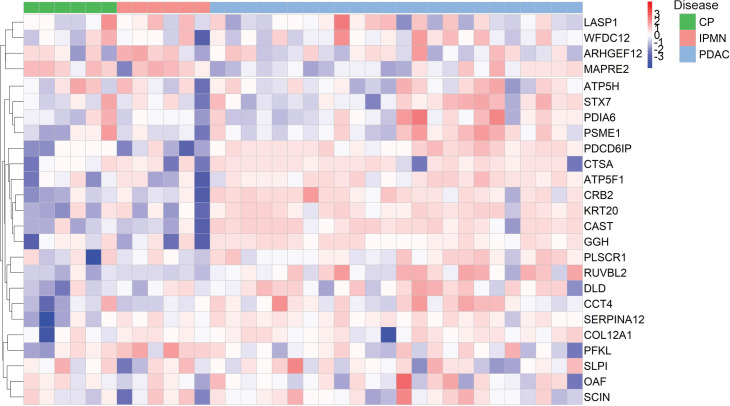
Pancreatic cancer has the worst prognosis of all common tumors. Earlier cancer diagnosis could increase survival rates and better assessment of metastatic disease could improve patient care. As such, there is an urgent need to develop biomarkers to diagnose this deadly malignancy. Analyzing circulating extracellular vesicles (cEVs) using 'liquid biopsies' offers an attractive approach to diagnose and monitor disease status. However, it is important to differentiate EV-associated proteins enriched in patients with pancreatic ductal adenocarcinoma (PDAC) from those with benign pancreatic diseases such as chronic pancreatitis and intraductal papillary mucinous neoplasm (IPMN). To meet this need, we combined the novel EVtrap method for highly efficient isolation of EVs from plasma and conducted proteomics analysis of samples from 124 individuals, including patients with PDAC, benign pancreatic diseases and controls. On average, 912 EV proteins were identified per 100 µL of plasma. EVs containing high levels of PDCD6IP, SERPINA12, and RUVBL2 were associated with PDAC compared to the benign diseases in both discovery and validation cohorts. EVs with PSMB4, RUVBL2, and ANKAR were associated with metastasis, and those with CRP, RALB, and CD55 correlated with poor clinical prognosis. Finally, we validated a seven EV protein PDAC signature against a background of benign pancreatic diseases that yielded an 89% prediction accuracy for the diagnosis of PDAC. To our knowledge, our study represents the largest proteomics profiling of circulating EVs ever conducted in pancreatic cancer and provides a valuable open-source atlas to the scientific community with a comprehensive catalogue of novel cEVs that may assist in the development of biomarkers and improve the outcomes of patients with PDAC.
胰腺癌是所有常见肿瘤中预后最差的。早期癌症诊断可提高生存率,而对转移性疾病的更好评估可改善患者护理。因此,迫切需要开发生物标志物来诊断这种致命的恶性肿瘤。使用“液体活检”分析循环细胞外囊泡(cEVs)为诊断和监测疾病状态提供了一种有吸引力的方法。然而,区分胰腺导管腺癌(PDAC)患者与慢性胰腺炎和导管内乳头状黏液性肿瘤(IPMN)等良性胰腺疾病患者中富集的EV相关蛋白非常重要。为满足这一需求,我们结合了从血浆中高效分离EVs的新型EVtrap方法,并对124名个体(包括PDAC患者、良性胰腺疾病患者和对照组)的样本进行了蛋白质组学分析。每100微升血浆平均鉴定出912种EV蛋白。在发现和验证队列中,与良性疾病相比,含有高水平PDCD6IP、SERPINA12和RUVBL2的EVs与PDAC相关。含有PSMB4、RUVBL2和ANKAR的EVs与转移相关,而含有CRP、RALB和CD55的EVs与不良临床预后相关。最后,我们在良性胰腺疾病背景下验证了一种由七种EV蛋白组成的PDAC特征,其对PDAC诊断的预测准确率为89%。据我们所知,我们的研究是迄今为止在胰腺癌中进行的最大规模的循环EVs蛋白质组学分析,为科学界提供了一个有价值的开源图谱,其中包含了一份全面的新型cEVs目录,可能有助于生物标志物的开发并改善PDAC患者的治疗结果。