Nowosielecka Dorota, Jacheć Wojciech, Polewczyk Anna, Tułecki Łukasz, Tomków Konrad, Stefańczyk Paweł, Tomaszewski Andrzej, Brzozowski Wojciech, Szcześniak-Stańczyk Dorota, Kleinrok Andrzej, Kutarski Andrzej
Department of Cardiology The Pope John Paul II Province Hospital, 22-400 Zamosc, Poland.
2nd Department of Cardiology, Silesian Medical University, 41-800 Zabrze, Poland.
J Clin Med. 2020 May 8;9(5):1382. doi: 10.3390/jcm9051382.
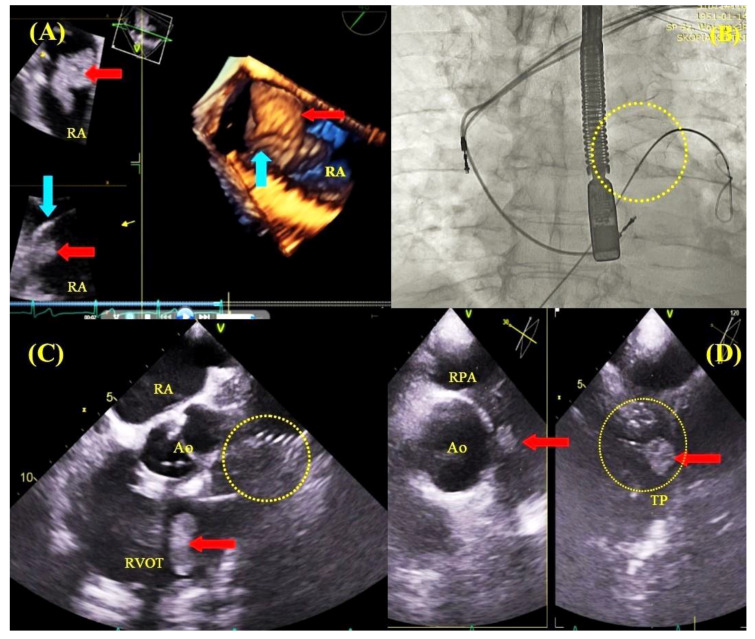
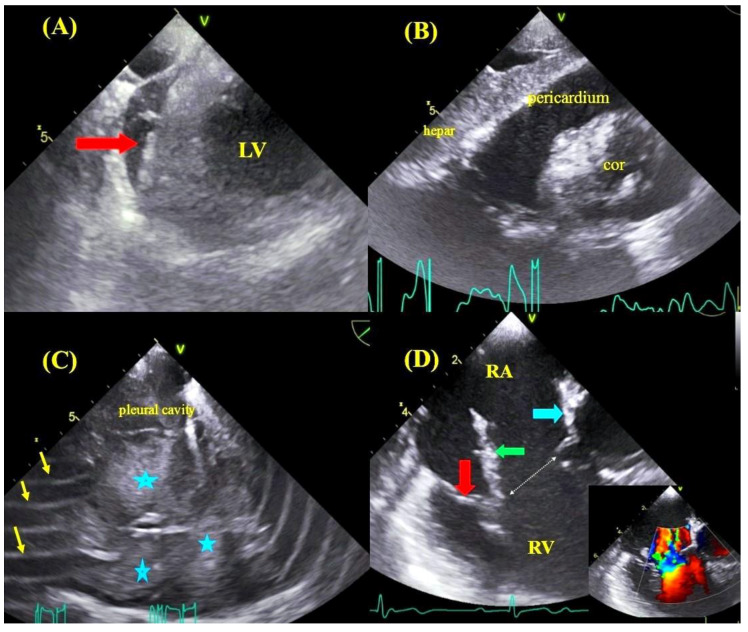
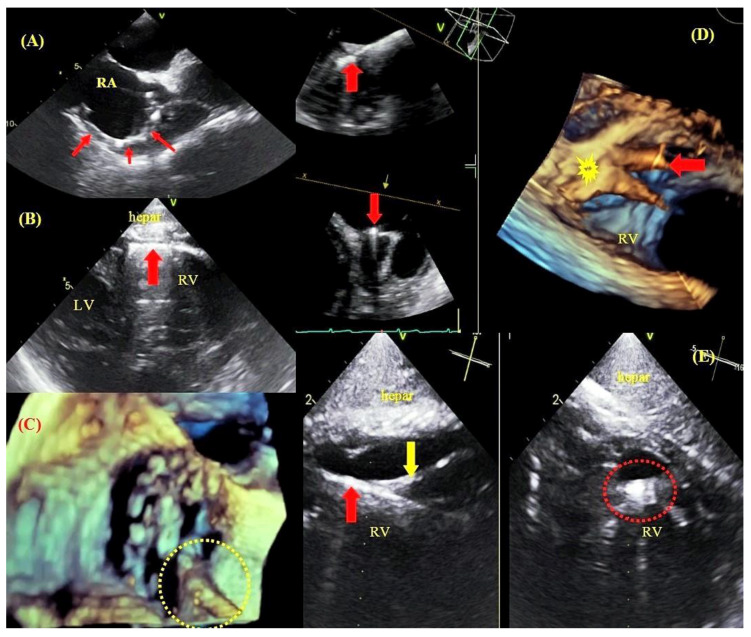
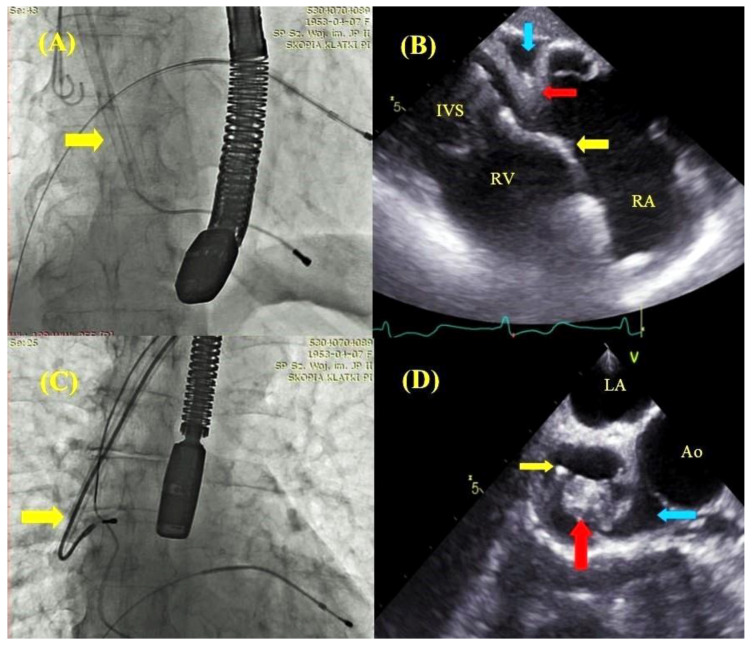
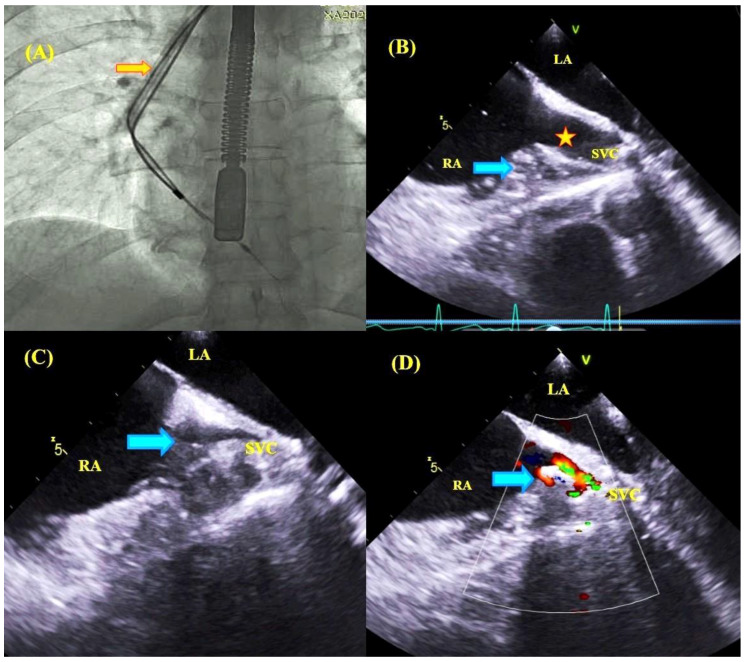
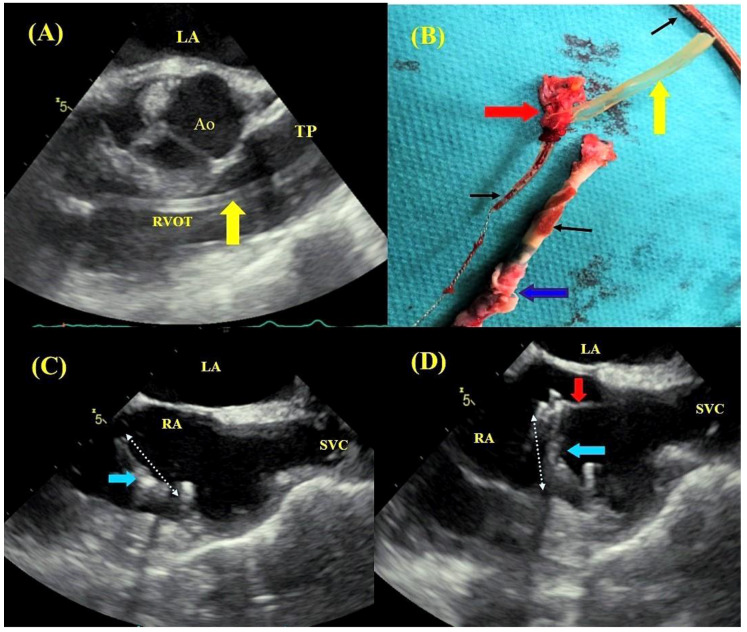
Transesophageal echocardiography (TEE) is a valuable tool for monitoring the patient during transvenous lead extraction (TLE), but the direct impact of TEE on the effectiveness and safety of TLE has not yet been documented.
The effectiveness of TLE and short-term survival were compared between two groups of patients: 2106 patients in whom TEE was performed before and after TLE and 1079 individuals in whom continuous TEE monitoring was used. The procedure-related risk of major complications was assessed using a predictive SAFeTY TLE score.
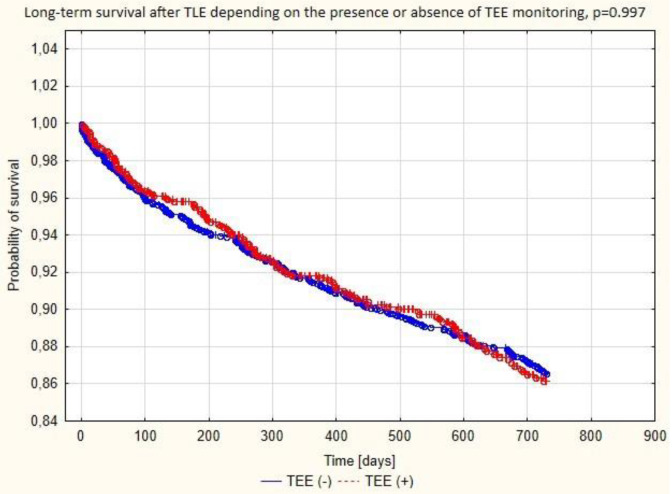
The patients monitored by TEE were characterized by older age, more comorbidities and higher SAFeTY TLE scores (6.143 ± 4.395 vs. 5.593 ± 4.127; p = 0.004). Complete procedural success was significantly higher in the TEE-guided group (97.683% vs. 95.442%, < 0.01). The rate of serious complications in the TEE-guided group was lower than the predictive SAFeTY TLE score-a reduction of 28.75% ( < 0.05). Periprocedural mortality in the TEE-guided and non-TEE-guided groups was zero vs. six deaths ( = 0.186). Short-term survival was comparable between the groups.
Transesophageal echocardiography as a monitoring tool during transvenous lead extraction provides valuable results-higher rates of complete procedural success and a reduced risk of the most severe complications, thus preventing periprocedural deaths.
经食管超声心动图(TEE)是经静脉导线拔除术(TLE)期间监测患者的一项重要工具,但TEE对TLE有效性和安全性的直接影响尚未得到证实。
比较两组患者TLE的有效性和短期生存率:2106例在TLE前后进行TEE检查的患者和1079例使用持续TEE监测的患者。使用预测性SAFeTY TLE评分评估与手术相关的主要并发症风险。
接受TEE监测的患者具有年龄较大、合并症较多和SAFeTY TLE评分较高的特点(6.143±4.395对5.593±4.127;p=0.004)。TEE引导组的手术完全成功率显著更高(97.683%对95.442%,<0.01)。TEE引导组的严重并发症发生率低于预测性SAFeTY TLE评分——降低了28.75%(<0.05)。TEE引导组和非TEE引导组的围手术期死亡率分别为零和6例死亡(=0.186)。两组间短期生存率相当。
经食管超声心动图作为经静脉导线拔除术期间的监测工具可提供有价值的结果——更高的手术完全成功率和降低最严重并发症的风险,从而预防围手术期死亡。