Medical Imaging, National Taiwan University Hospital, Taipei, Taiwan.
Radiology, National Taiwan University, Taipei, Taiwan
J Neurointerv Surg. 2020 Aug;12(8):788-793. doi: 10.1136/neurintsurg-2019-015621. Epub 2020 May 15.
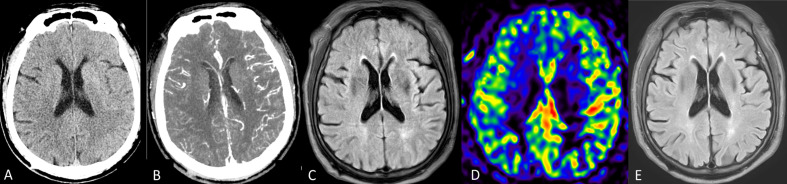
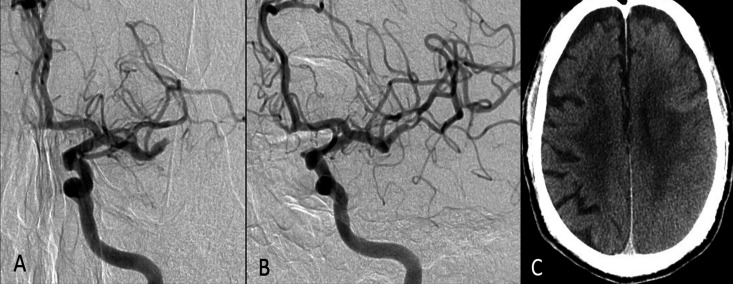
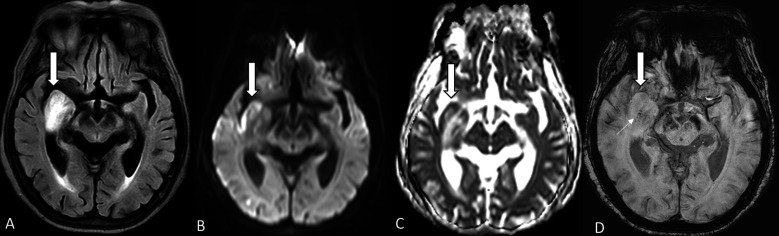
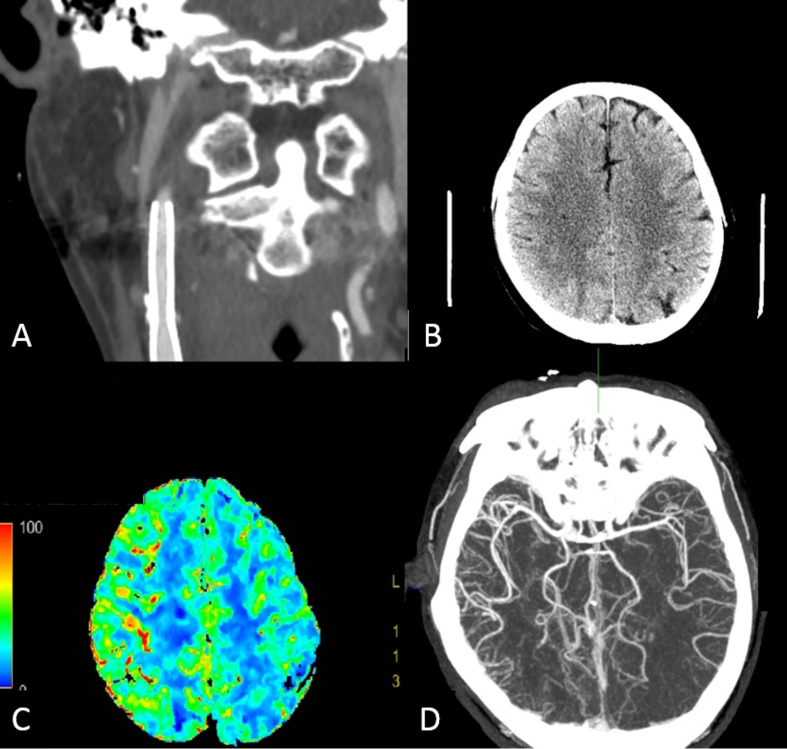
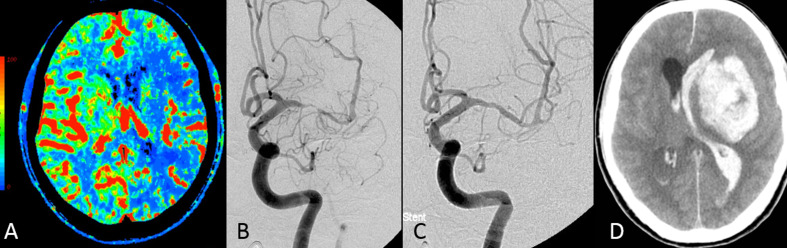
Cerebral hyperperfusion syndrome (CHS) is a clinical syndrome following a revascularization procedure. In the past decade, neurointerventional surgery has become a standard procedure to treat stenotic or occluded cerebral vessels in both acute and chronic settings, as well as endovascular thrombectomy in acute ischemic stroke. This review aims to summarize relevant recent studies regarding the epidemiology, diagnosis, and management of CHS as well as to highlight areas of uncertainty. Extracranial and intracranial cerebrovascular diseases in acute and chronic conditions are considered. The definition and diagnostic criteria of CHS are diverse. Although impaired cerebrovascular autoregulation plays a major role in the pathophysiology of CHS, the underlying mechanism is still not fully understood. Its clinical characteristics vary in different patients. The current findings on clinical and radiological presentation, pathophysiology, incidence, and risk factors are based predominantly on carotid angioplasty and stenting studies. Hemodynamic assessment using imaging modalities is the main form of diagnosis although the criteria are distinct, but it is helpful for patient selection before an elective revascularization procedure is conducted. After endovascular thrombectomy, a diagnosis of CHS is even more complex, and physicians should consider concomitant reperfusion injury. Management and preventative measures, including intensive blood pressure control before, during, and after revascularization procedures and staged angioplasty, are discussed in detail.
大脑高灌注综合征(CHS)是血管再通手术后出现的一种临床综合征。在过去十年中,神经介入手术已成为治疗急性和慢性狭窄或闭塞性脑血管疾病以及急性缺血性脑卒中血管内取栓的标准方法。本综述旨在总结 CHS 的流行病学、诊断和管理方面的相关最新研究,并强调不确定领域。考虑了急性和慢性情况下的颅外和颅内脑血管疾病。CHS 的定义和诊断标准多种多样。尽管血管自动调节功能受损在 CHS 的病理生理学中起主要作用,但其潜在机制仍未完全阐明。其临床特征在不同患者中有所不同。目前关于临床和影像学表现、病理生理学、发生率和危险因素的研究结果主要基于颈动脉血管成形术和支架置入术的研究。使用影像学方法进行血流动力学评估是主要的诊断形式,尽管标准不同,但对于在进行选择性血管再通手术之前进行患者选择很有帮助。在血管内取栓术后,CHS 的诊断更加复杂,医生应考虑同时存在的再灌注损伤。详细讨论了管理和预防措施,包括在血管再通术前、术中和术后进行强化血压控制以及分期血管成形术。