Vanderbilt University School of Medicine, Department of Biochemistry, Nashville, TN, 37232, USA.
Vanderbilt University School of Medicine, Department of Biochemistry, Nashville, TN, 37232, USA.
DNA Repair (Amst). 2020 Jun;90:102866. doi: 10.1016/j.dnarep.2020.102866. Epub 2020 Apr 30.
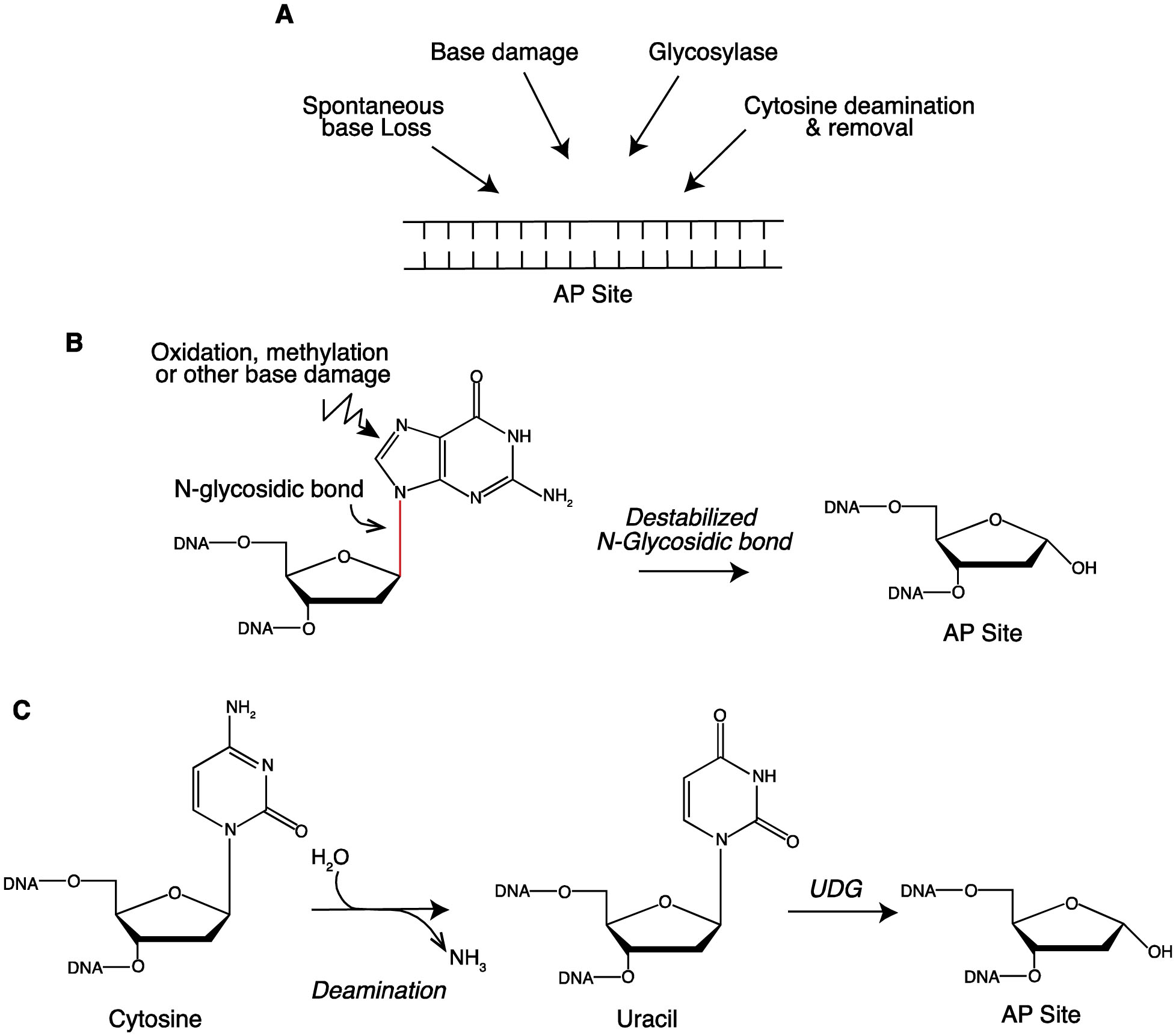
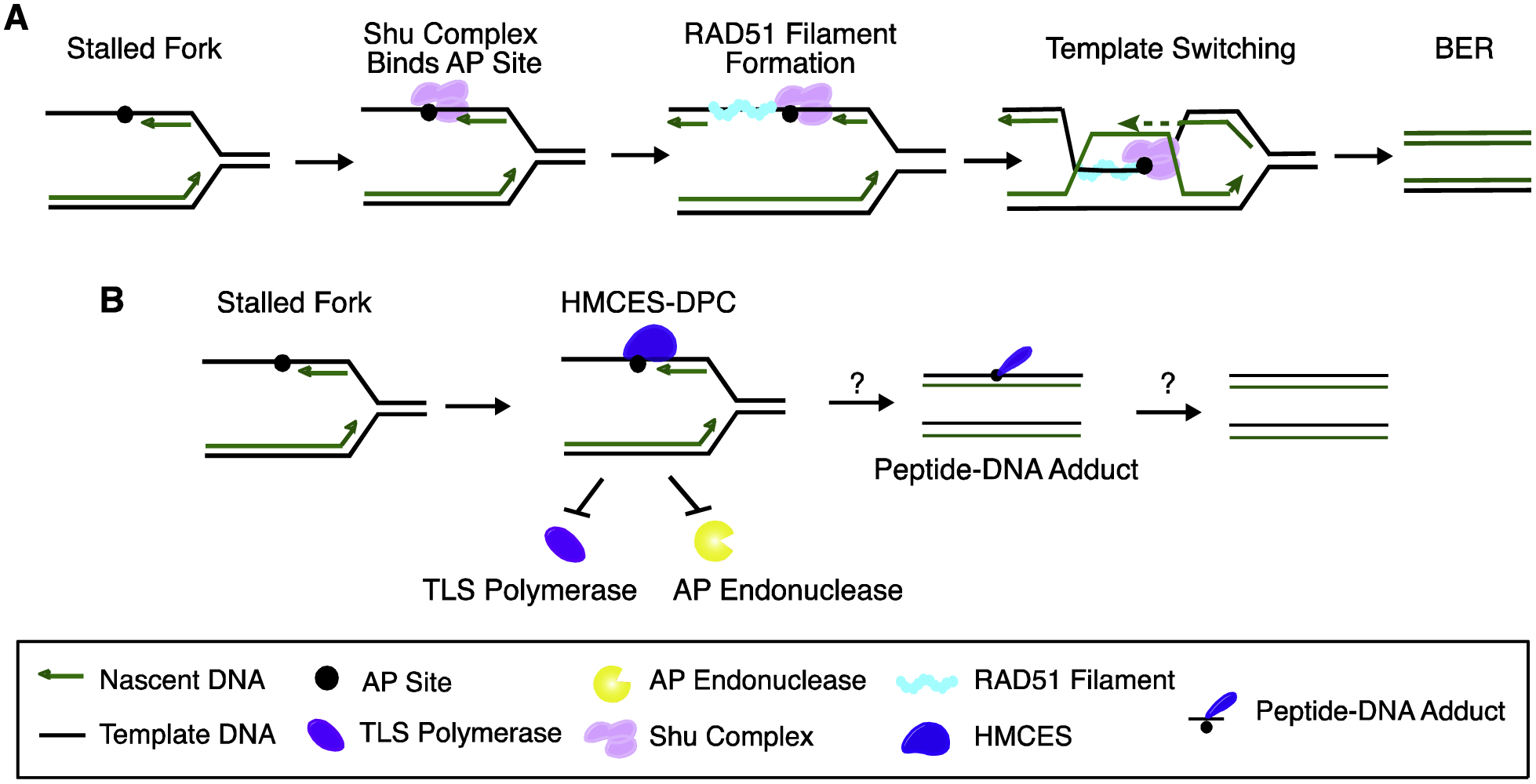
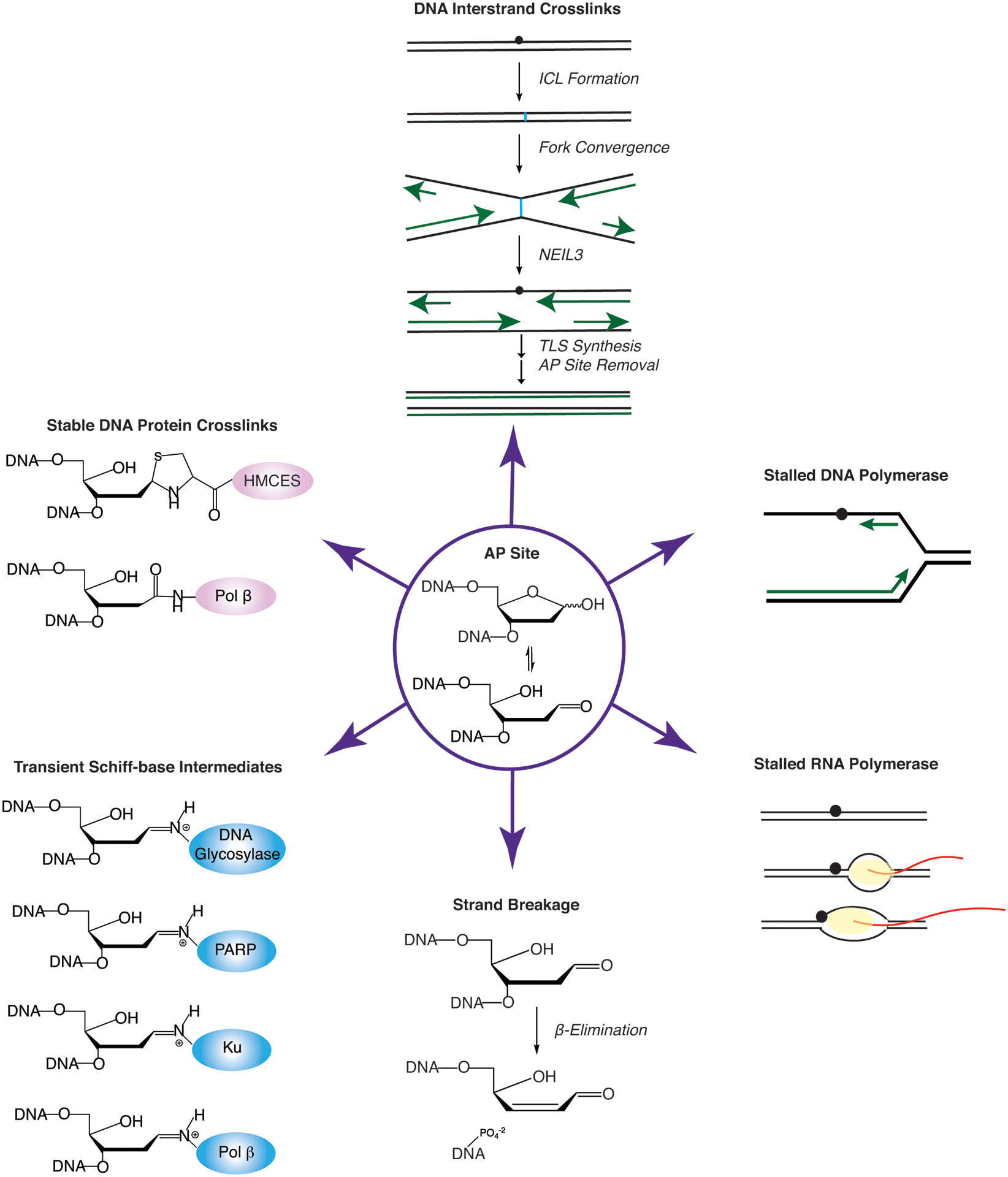
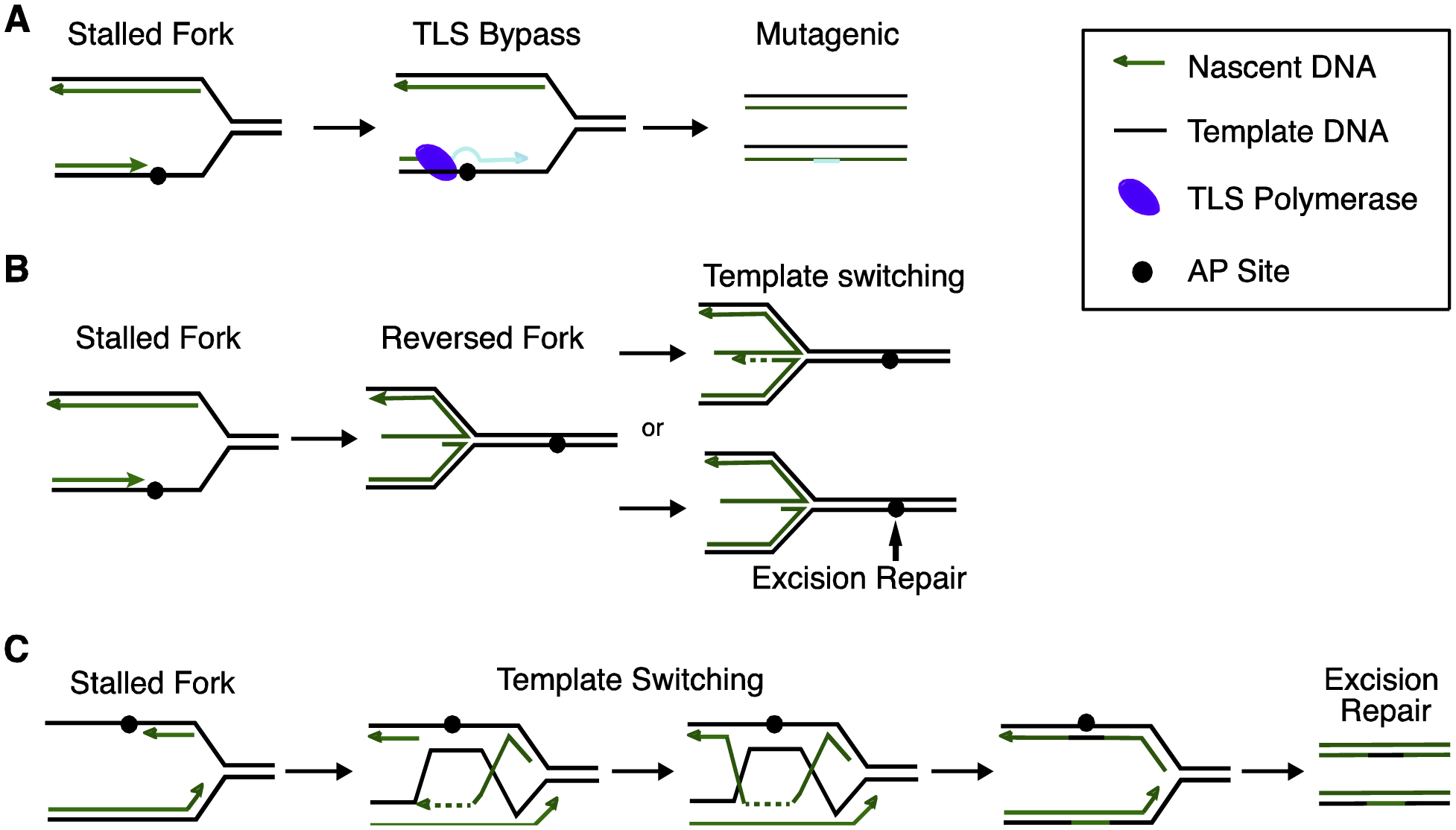
Thousands of apurinic/apyrimidinic (AP or abasic) sites form in each cell, each day. This simple DNA lesion can have profound consequences to cellular function, genome stability, and disease. As potent blocks to polymerases, they interfere with the reading and copying of the genome. Since they provide no coding information, they are potent sources of mutation. Due to their reactive chemistry, they are intermediates in the formation of lesions that are more challenging to repair including double-strand breaks, interstrand crosslinks, and DNA protein crosslinks. Given their prevalence and deleterious consequences, cells have multiple mechanisms of repairing and tolerating these lesions. While base excision repair of abasic sites in double-strand DNA has been studied for decades, new interest in abasic site processing has come from more recent insights into how they are processed in single-strand DNA. In this review, we discuss the source of abasic sites, their biological consequences, tolerance mechanisms, and how they are repaired in double and single-stranded DNA.
每天,每个细胞中都会形成数千个无嘌呤/无嘧啶(AP 或碱基)位点。这种简单的 DNA 损伤会对细胞功能、基因组稳定性和疾病产生深远影响。作为聚合酶的有效阻断物,它们会干扰基因组的读取和复制。由于它们不提供编码信息,因此是突变的潜在来源。由于其反应性化学性质,它们是更难修复的损伤(包括双链断裂、链间交联和 DNA 蛋白质交联)的中间产物。鉴于其普遍性和有害后果,细胞有多种修复和耐受这些损伤的机制。虽然双螺旋 DNA 中碱基切除修复无碱基位点已经研究了几十年,但近年来,人们对单链 DNA 中无碱基位点处理的新认识引起了人们对其的兴趣。在这篇综述中,我们讨论了无碱基位点的来源、它们的生物学后果、耐受机制以及它们在双链和单链 DNA 中的修复方式。