Aston Neuroscience Institute, School of Life and Health Sciences, Aston University, Birmingham, UK.
Department of Paediatric Neurology, The Birmingham Women's and Children's Hospital NHS Foundation Trust, Birmingham, UK.
Ann Clin Transl Neurol. 2020 Jun;7(6):883-890. doi: 10.1002/acn3.51030. Epub 2020 May 19.
The amino-3-hydroxy-5-methyl-4-isoxazolepropionic acid receptor (AMPAR) is increasingly recognized as a therapeutic target in drug-refractory pediatric epilepsy. Perampanel (PER) is a non-competitive AMPAR antagonist, and pre-clinical studies have shown the AMPAR-mediated anticonvulsant effects of decanoic acid (DEC), a major medium-chain fatty acid provided in the medium-chain triglyceride ketogenic diet.
Using brain tissue resected from children with intractable epilepsy, we recorded the effects of PER and DEC in vitro.
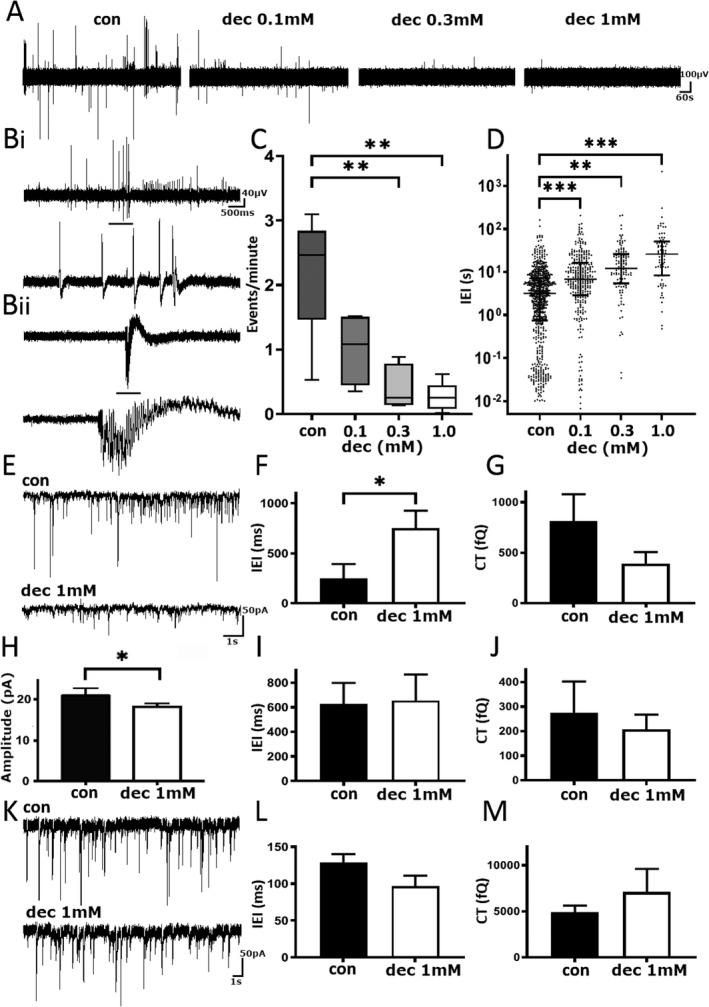
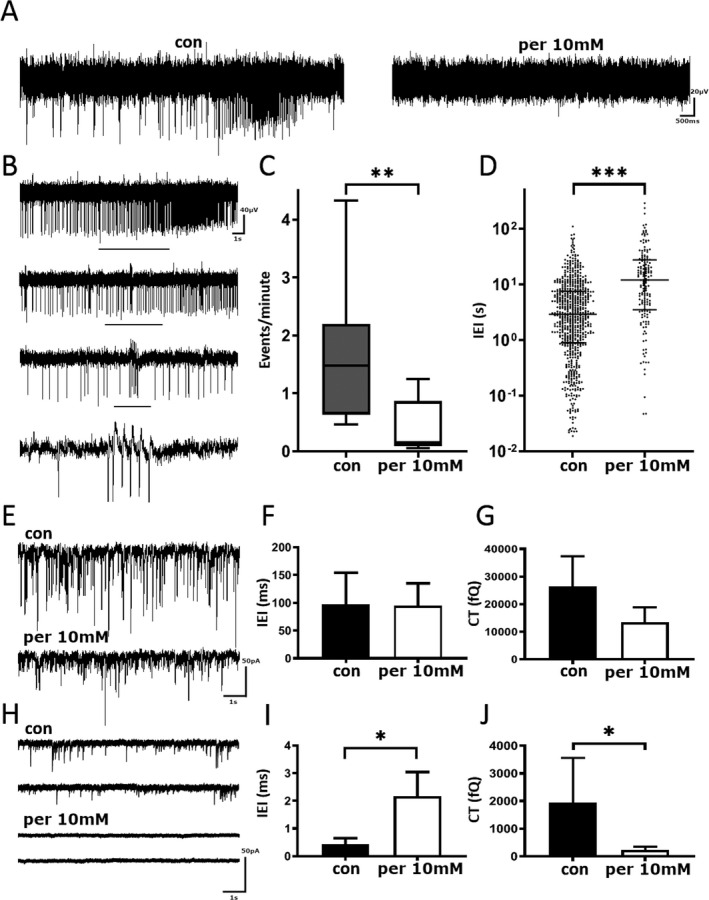
We found resected pediatric epilepsy tissue exhibits spontaneous epileptic activity in vitro, and showed that DEC and PER inhibit this epileptiform activity in local field potential recordings as well as excitatory synaptic transmission.
This study confirms AMPAR antagonists inhibit epileptiform discharges in brain tissue resected in a wide range of pediatric epilepsies.
越来越多的研究表明,氨基酸-3-羟基-5-甲基-4-异恶唑丙酸受体(AMPAR)是治疗耐药性小儿癫痫的一个潜在靶点。吡仑帕奈(PER)是一种非竞争性 AMPAR 拮抗剂,临床前研究表明癸酸(DEC)作为中链甘油三酯生酮饮食中的主要中链脂肪酸,具有 AMPAR 介导电抗癫痫作用。
我们使用难治性癫痫儿童切除的脑组织,在体外记录 PER 和 DEC 的作用。
我们发现切除的小儿癫痫组织在体外具有自发的癫痫样活动,并且发现 DEC 和 PER 抑制局部场电位记录和兴奋性突触传递中的这种癫痫样放电。
这项研究证实 AMPAR 拮抗剂可抑制广泛小儿癫痫中切除的脑组织中的癫痫样放电。