Department of Respiratory and Critical Care Medicine, Ruijin Hospital, School of Medicine, Shanghai Jiao Tong University, Shanghai, 20025, China.
State Key Laboratory of Bioreactor Engineering & Shanghai Key Laboratory of New Drug Design, School of Pharmacy, East China University of Science and Technology, Shanghai, 200237, China.
Stem Cell Res Ther. 2020 May 19;11(1):182. doi: 10.1186/s13287-020-01689-5.
ARDS and ALI are life-threatening diseases with extremely high mortality in patients. Different sources of MSCs could mitigate the symptoms of ALI from diverse mechanisms. Liraglutide is an activator of glucagon-like peptide-1 receptor (GLP-1R) that activates anti-apoptotic pathways and exerts anti-inflammatory effects. We mainly compared the effects of human chorionic villus-derived mesenchymal stem cells (hCMSCs), human bone marrow-derived mesenchymal stem cells (hBMSCs), and human adipose-derived mesenchymal stem cells (hAMSCs) on the treatment of ALI and explored the apoptosis mechanism of combination MSCs of liraglutide.
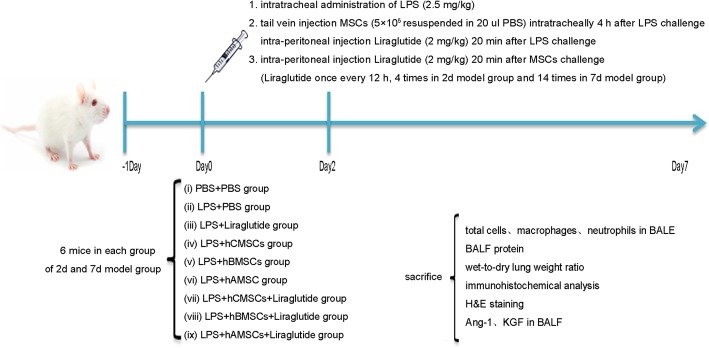
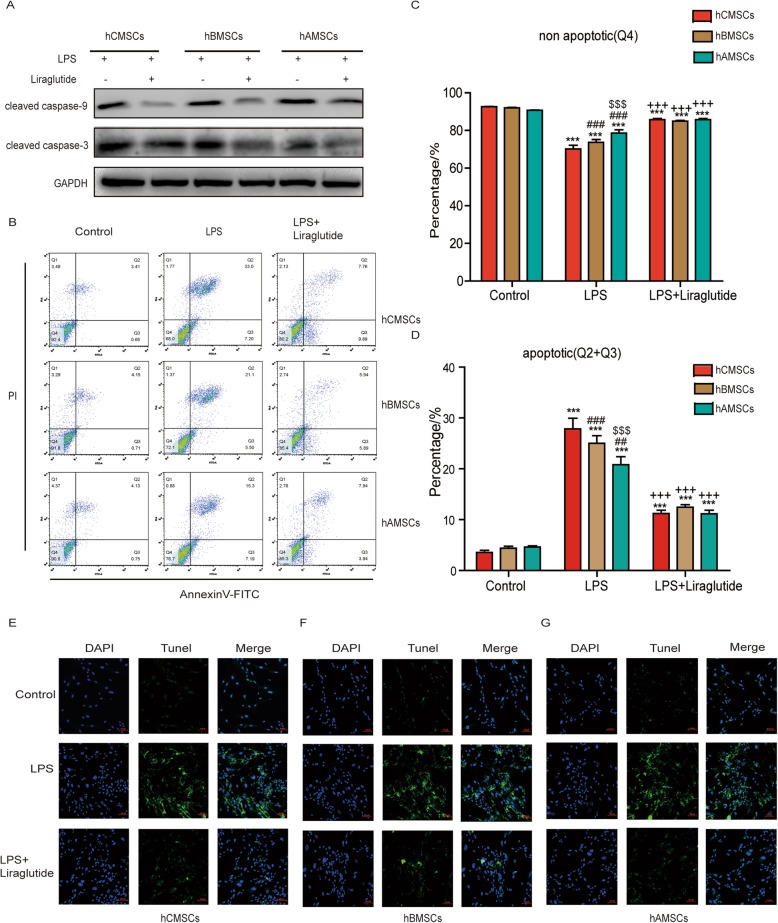
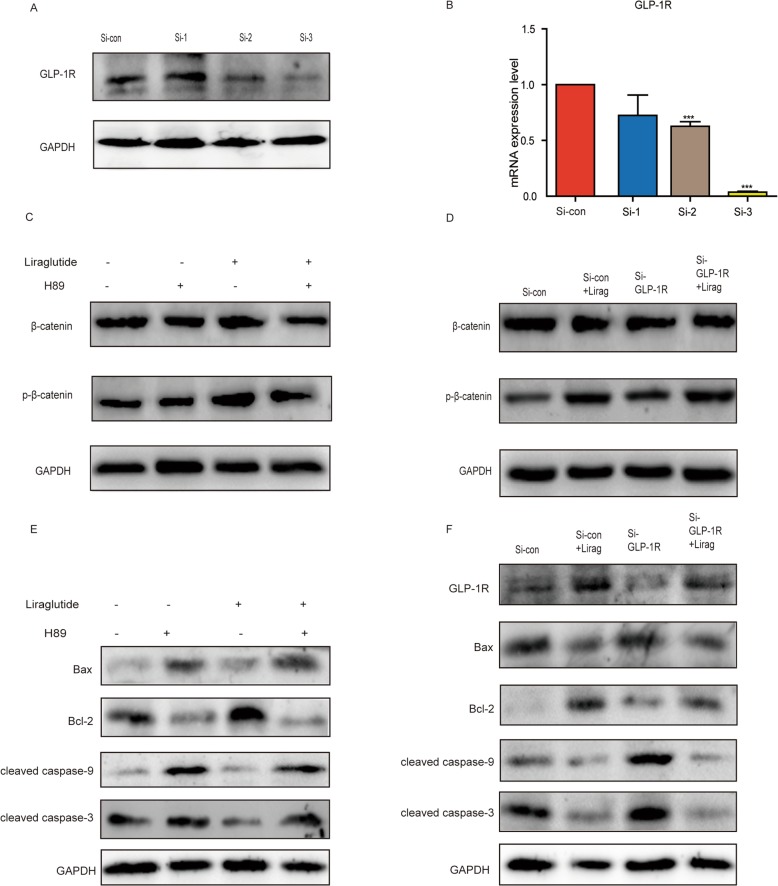
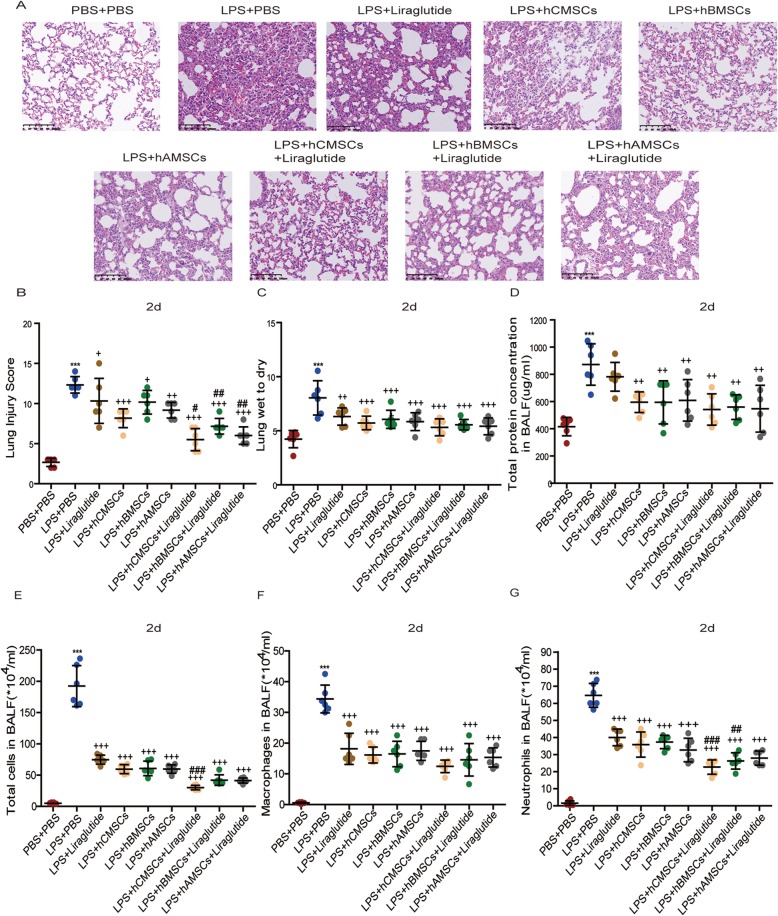
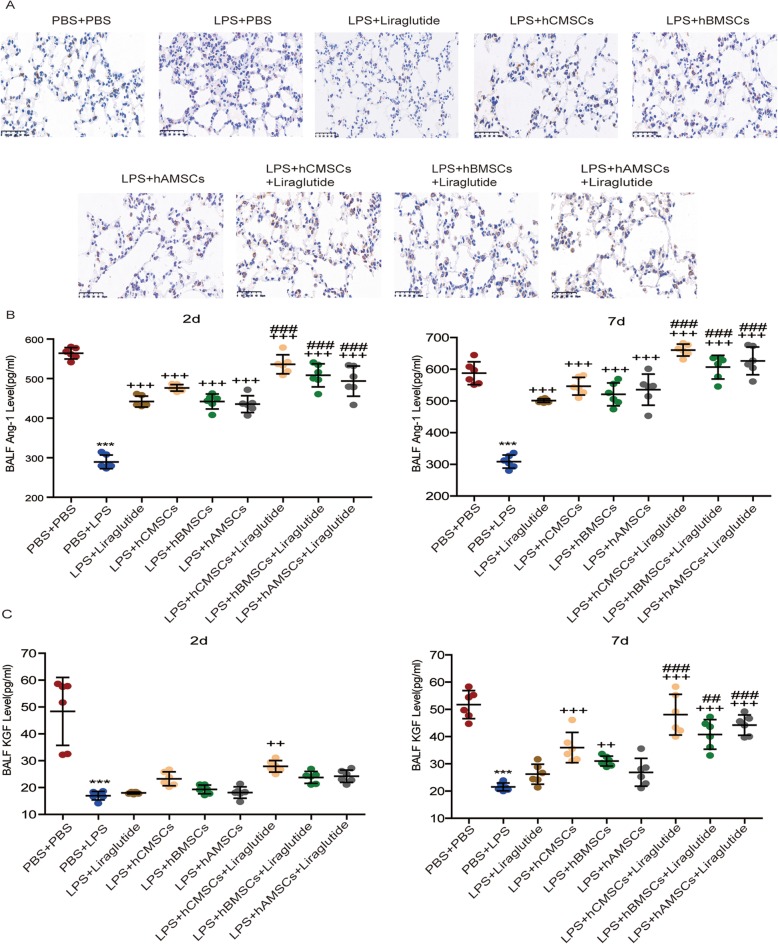
The proliferation of MSCs was detected by MTT assay. Western blot and RT-qPCR were used to detect the expression of GLP-1R, SPC, Ang-1, and KGF in MSCs stimulated by LPS and liraglutide. By using flow cytometry and TUNEL assay to compare the apoptosis of three MSCs under the action of LPS and liraglutide, we selected hCMSCs as the target cells to study the expression of apoptotic protein through the PKA/β-catenin pathway. In ALI animal models, we observed the effects of liraglutide alone, MSCs alone, and MSCs combined with liraglutide by H&E staining, cell counting, immunohistochemistry, and ELISA assay.
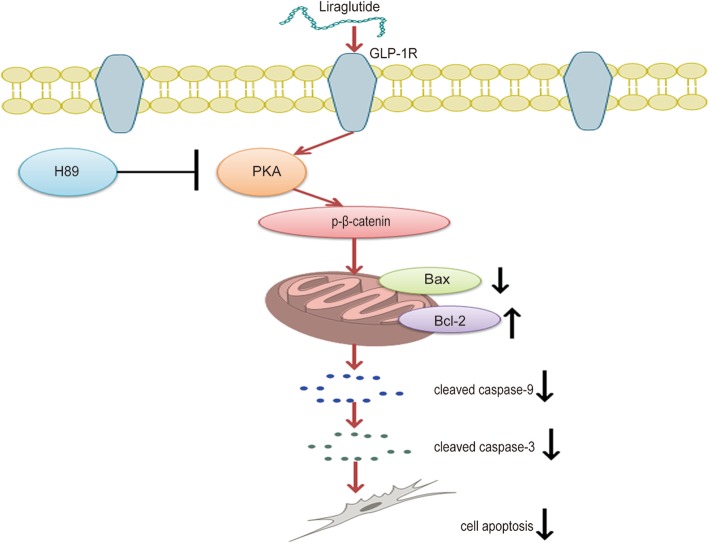
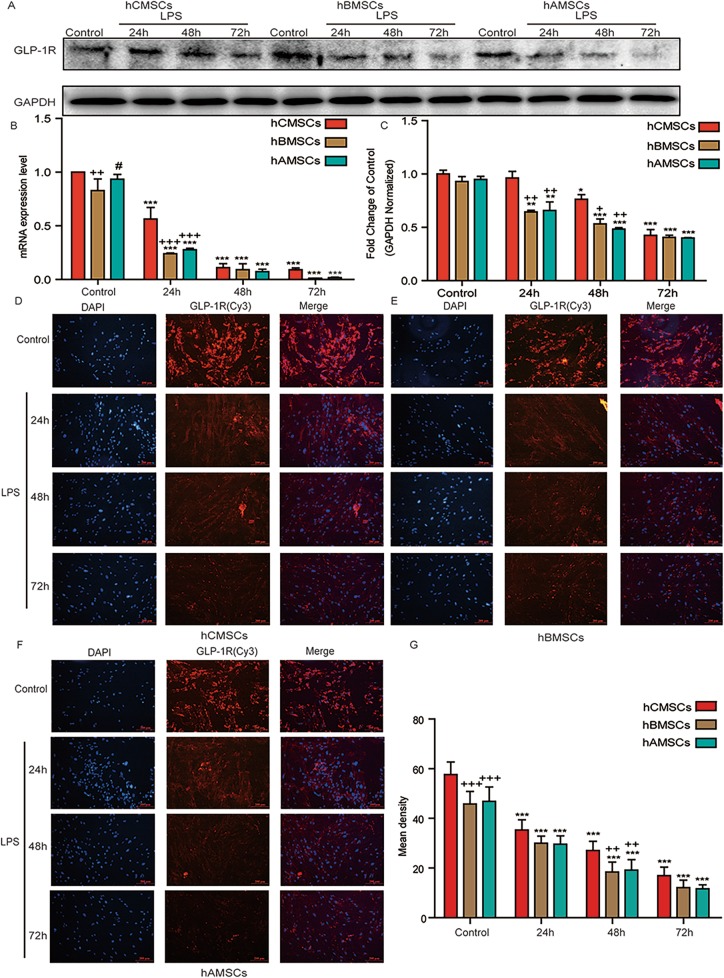
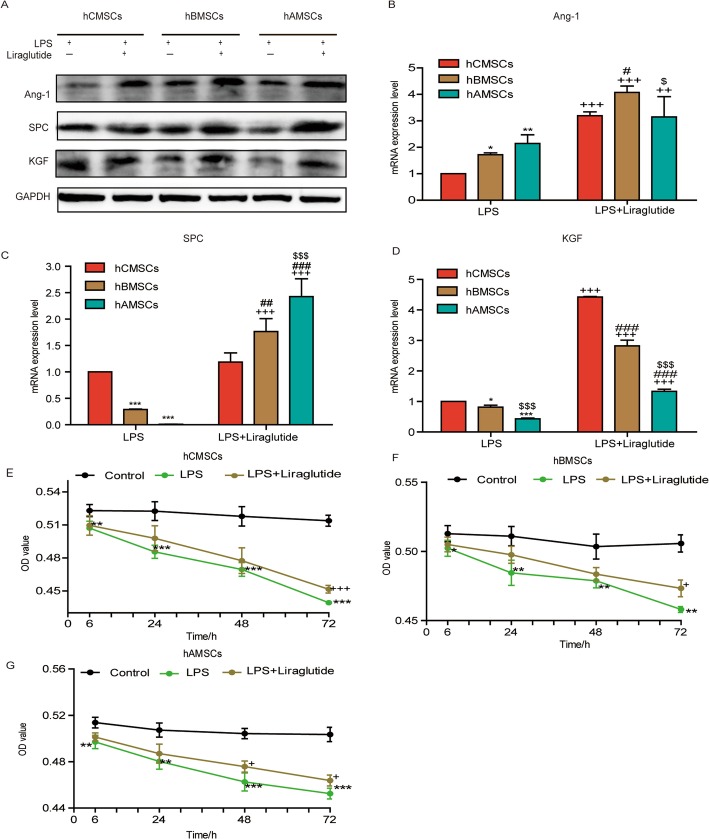
We demonstrated that LPS attenuates the proliferation of the three MSCs and the expression of GLP-1R. Liraglutide could reverse the effects of LPS; increase the expression of SPC, Ang-1, and KGF; and can reduce the apoptosis of three MSCs through the PKA/β-catenin pathway. In the LPS-induced ALI model, MSCs combined with liraglutide showed a significant therapeutic effect, and hCMSCs combined with liraglutide have advantages in the treatment of ALI.
The therapeutic effect of combination MSCs of liraglutide on ALI was higher than that of MSCs alone or liraglutide alone, and liraglutide could alleviate the symptoms of ALI by reducing MSCs apoptosis.
ARDS 和 ALI 是危及生命的疾病,患者死亡率极高。不同来源的间充质干细胞(MSCs)可以通过不同的机制减轻 ALI 的症状。利拉鲁肽是胰高血糖素样肽-1 受体(GLP-1R)的激动剂,可激活抗细胞凋亡途径并发挥抗炎作用。我们主要比较了人绒毛膜绒毛来源的间充质干细胞(hCMSCs)、人骨髓来源的间充质干细胞(hBMSCs)和人脂肪来源的间充质干细胞(hAMSCs)对 ALI 的治疗作用,并探讨了利拉鲁肽联合 MSCs 的凋亡机制。
MTT 法检测 MSCs 的增殖。Western blot 和 RT-qPCR 检测 LPS 和利拉鲁肽刺激后 MSCs 中 GLP-1R、SPC、Ang-1 和 KGF 的表达。通过流式细胞术和 TUNEL 检测 LPS 和利拉鲁肽作用下三种 MSCs 的凋亡情况,选择 hCMSCs 为靶细胞,通过 PKA/β-catenin 通路研究凋亡蛋白的表达。在 ALI 动物模型中,通过 H&E 染色、细胞计数、免疫组化和 ELISA 检测观察利拉鲁肽单独、MSCs 单独以及 MSCs 联合利拉鲁肽的作用。
我们证实 LPS 减弱了三种 MSCs 的增殖和 GLP-1R 的表达。利拉鲁肽可逆转 LPS 的作用;增加 SPC、Ang-1 和 KGF 的表达;并通过 PKA/β-catenin 通路减少三种 MSCs 的凋亡。在 LPS 诱导的 ALI 模型中,MSCs 联合利拉鲁肽显示出显著的治疗效果,hCMSCs 联合利拉鲁肽在治疗 ALI 方面具有优势。
利拉鲁肽联合 MSCs 对 ALI 的治疗效果高于单独 MSCs 或利拉鲁肽,利拉鲁肽可通过减少 MSCs 凋亡来缓解 ALI 的症状。