Laboratoire de Biologie Moléculaire et Cellulaire du Cancer, Hôpital Kirchberg, 9, rue Edward Steichen, L-2540, Luxembourg, Luxembourg.
Laboratory for Radiopharmaceutical Research, Department of Pharmaceutical and Pharmacological Sciences, KU Leuven, Leuven, Belgium.
Clin Epigenetics. 2020 May 19;12(1):69. doi: 10.1186/s13148-020-00839-z.
Chronic myeloid leukemia (CML) pathogenesis is mainly driven by the oncogenic breakpoint cluster region-Abelson murine leukemia viral oncogene homolog 1 (BCR-ABL) fusion protein. Since BCR-ABL displays abnormal constitutive tyrosine kinase activity, therapies using tyrosine kinase inhibitors (TKis) such as imatinib represent a major breakthrough for the outcome of CML patients. Nevertheless, the development of TKi resistance and the persistence of leukemia stem cells (LSCs) remain barriers to cure the disease, justifying the development of novel therapeutic approaches. Since the activity of histone deacetylase (HDAC) is deregulated in numerous cancers including CML, pan-HDAC inhibitors may represent promising therapeutic regimens for the treatment of CML cells in combination with TKi.
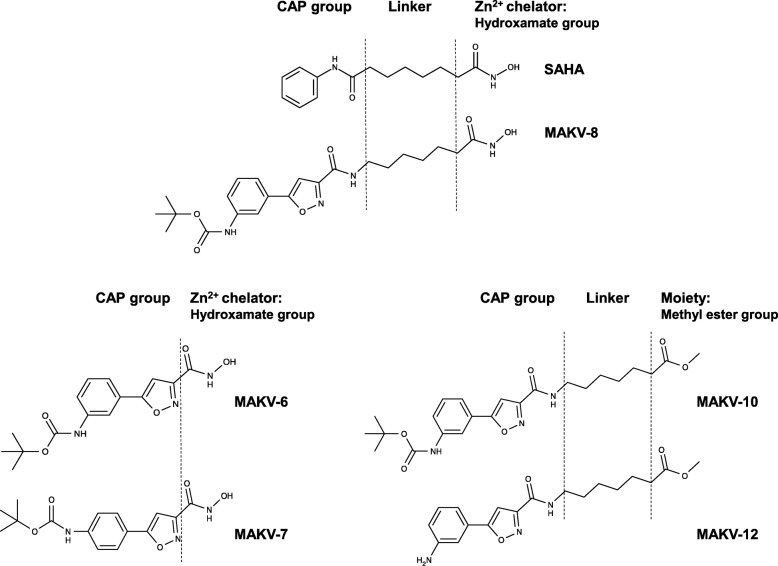
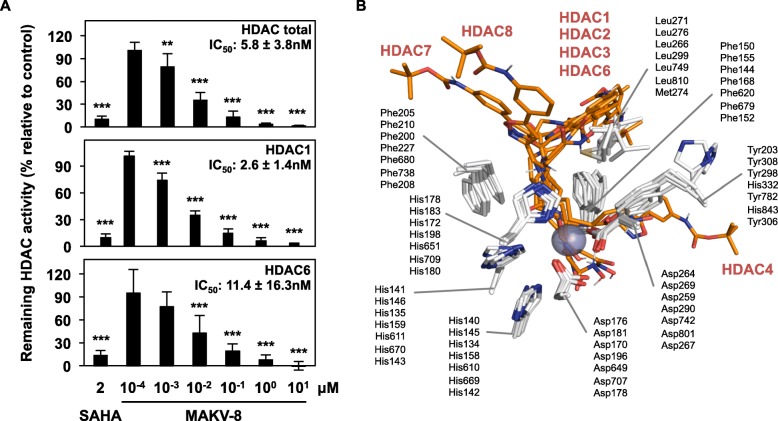
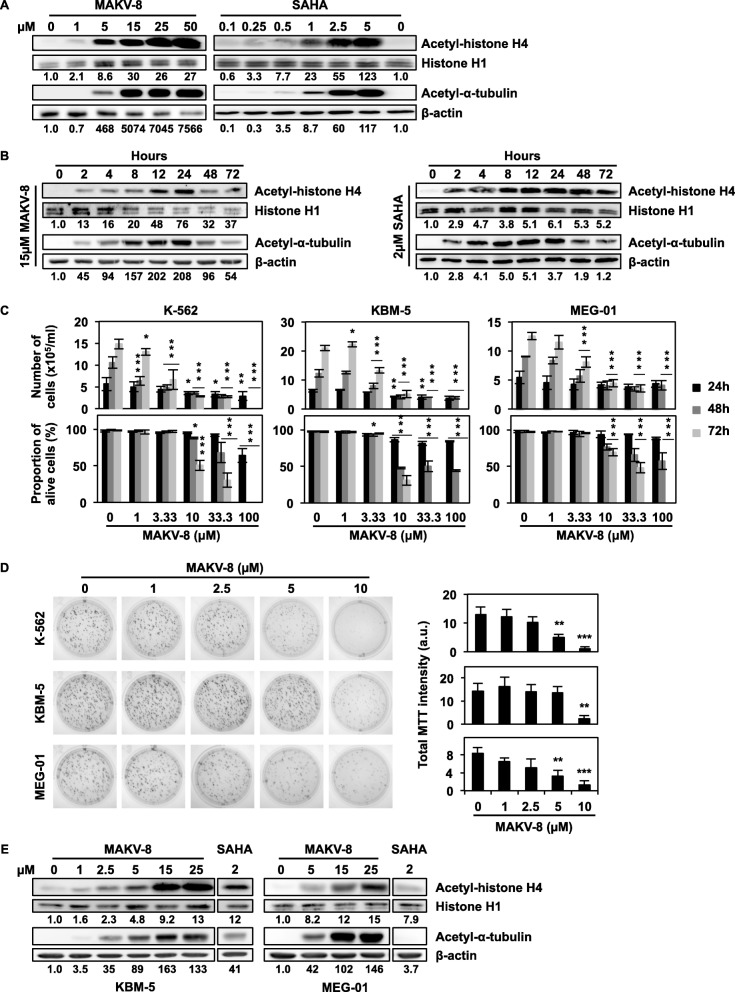
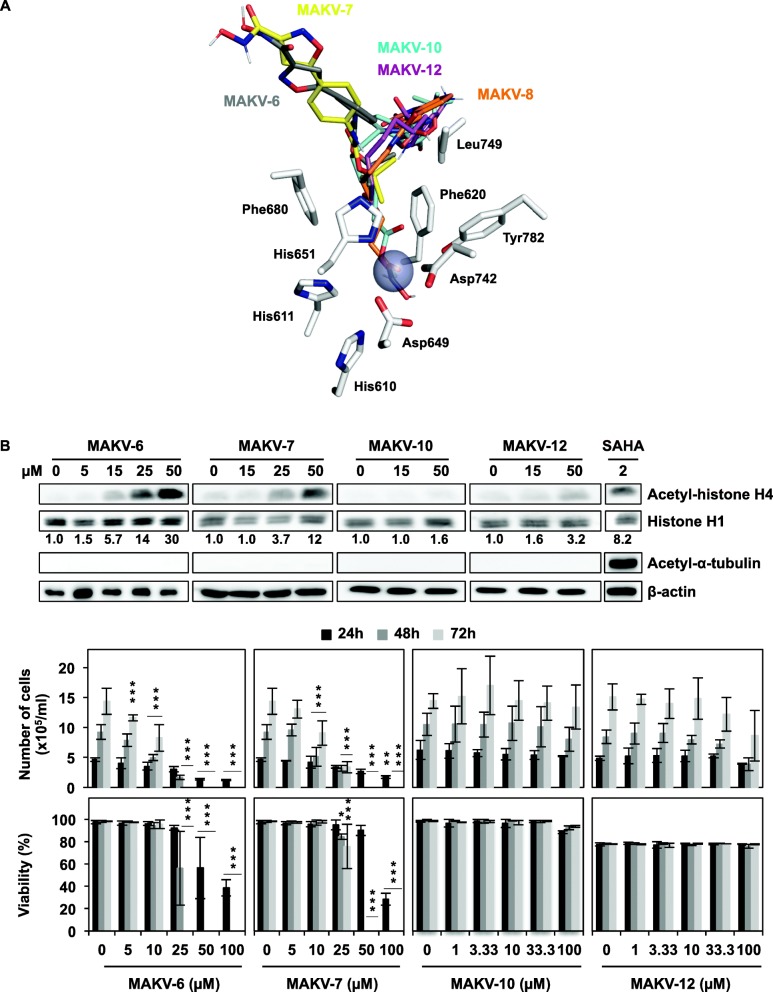
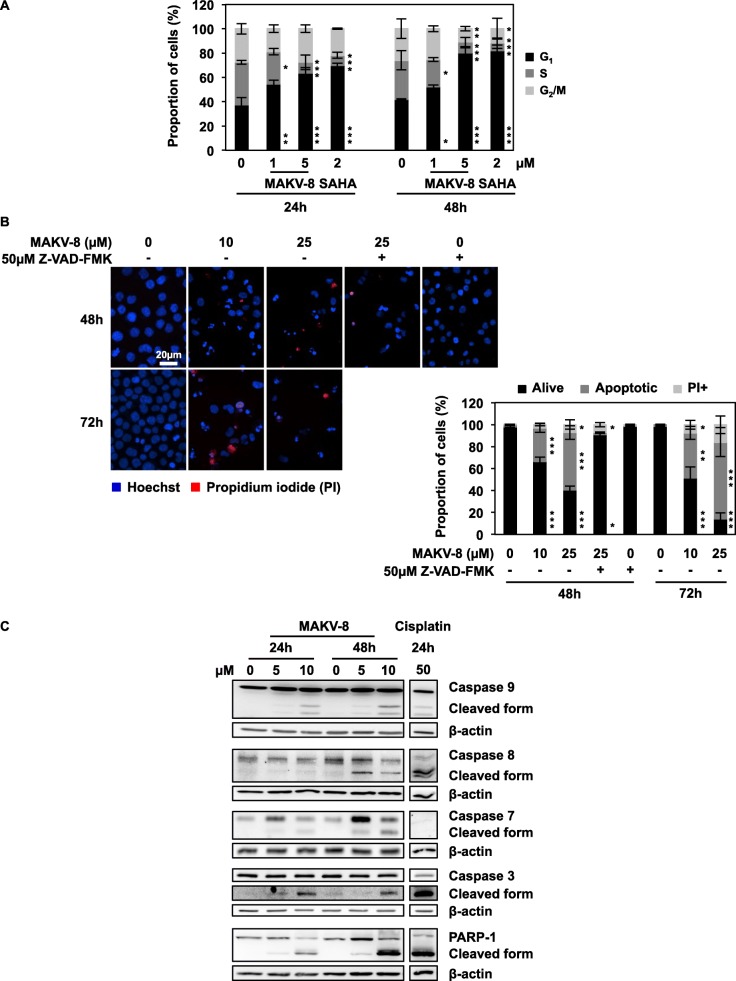
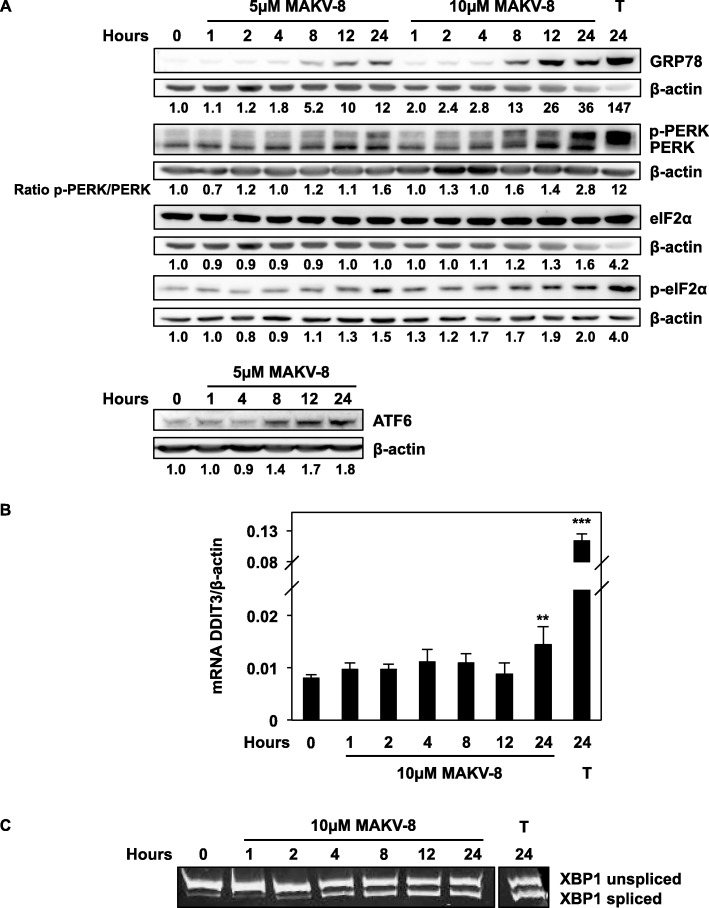
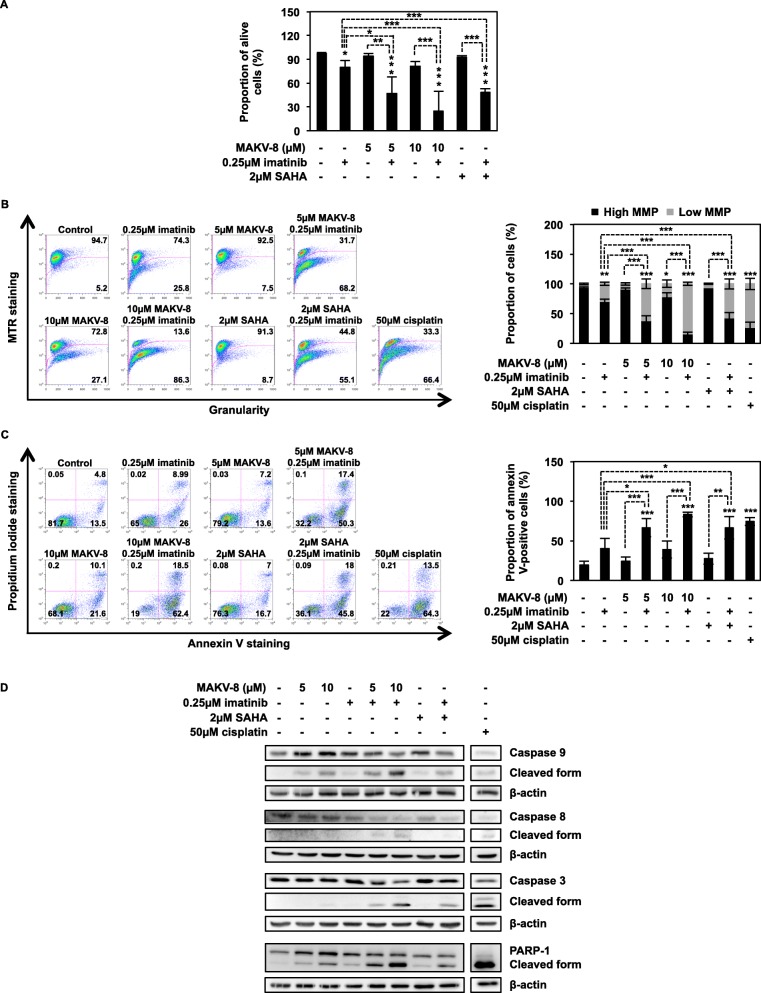
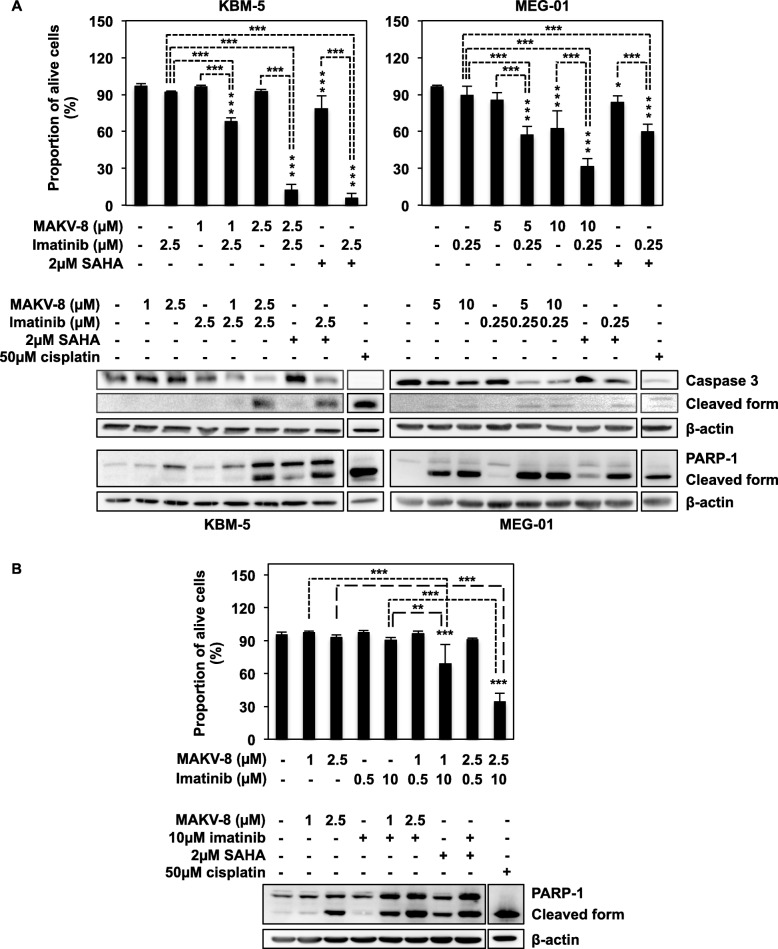
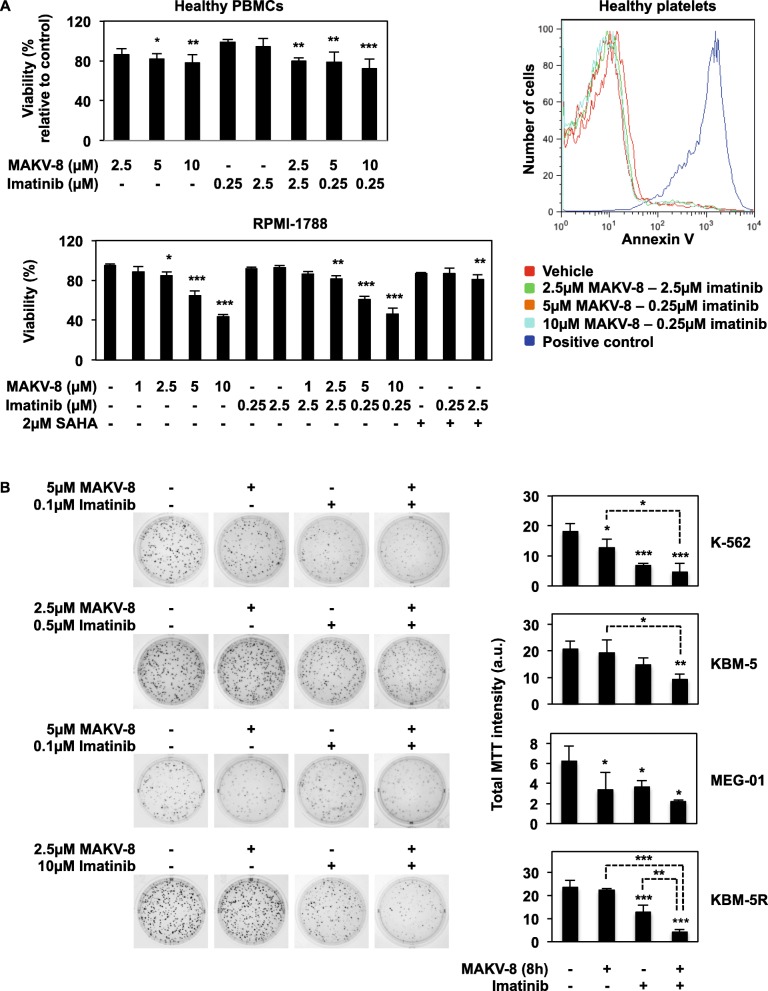
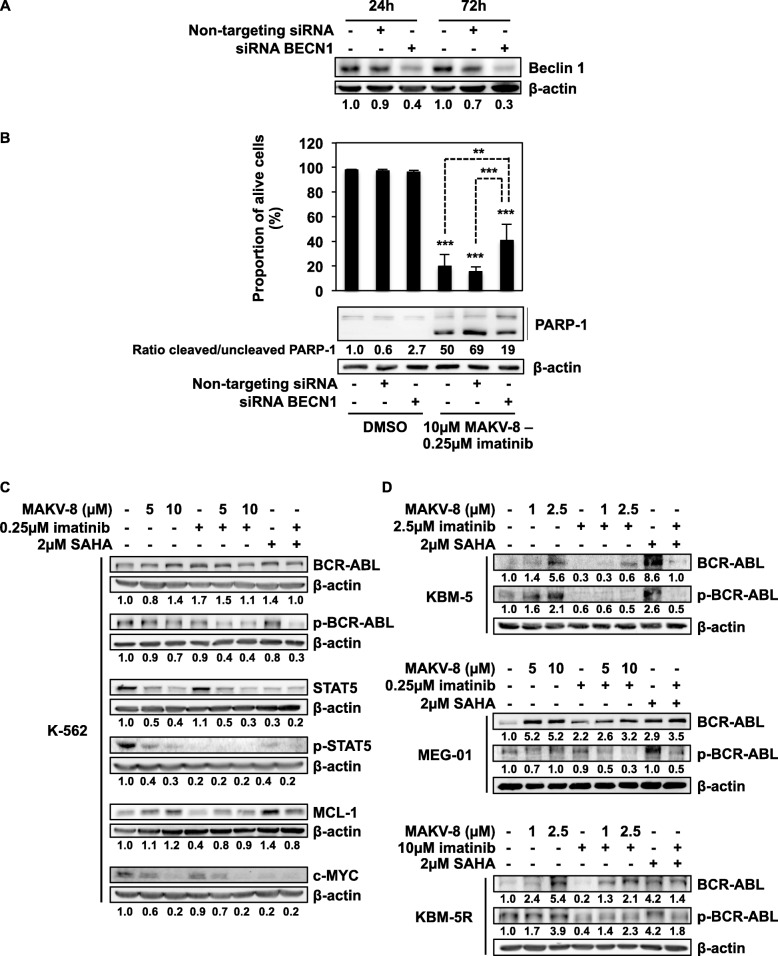
We assessed the anti-leukemic activity of a novel hydroxamate-based pan-HDAC inhibitor MAKV-8, which complied with the Lipinski's "rule of five," in various CML cells alone or in combination with imatinib. We validated the in vitro HDAC-inhibitory potential of MAKV-8 and demonstrated efficient binding to the ligand-binding pocket of HDAC isoenzymes. In cellulo, MAKV-8 significantly induced target protein acetylation, displayed cytostatic and cytotoxic properties, and triggered concomitant ER stress/protective autophagy leading to canonical caspase-dependent apoptosis. Considering the specific upregulation of selected HDACs in LSCs from CML patients, we investigated the differential toxicity of a co-treatment with MAKV-8 and imatinib in CML versus healthy cells. We also showed that beclin-1 knockdown prevented MAKV-8-imatinib combination-induced apoptosis. Moreover, MAKV-8 and imatinib co-treatment synergistically reduced BCR-ABL-related signaling pathways involved in CML cell growth and survival. Since our results showed that LSCs from CML patients overexpressed c-MYC, importantly MAKV-8-imatinib co-treatment reduced c-MYC levels and the LSC population. In vivo, tumor growth of xenografted K-562 cells in zebrafish was completely abrogated upon combined treatment with MAKV-8 and imatinib.
Collectively, the present findings show that combinations HDAC inhibitor-imatinib are likely to overcome drug resistance in CML pathology.
慢性髓系白血病(CML)的发病机制主要由致癌的断裂簇区-Abelson 鼠白血病病毒致癌基因同源物 1(BCR-ABL)融合蛋白驱动。由于 BCR-ABL 显示异常组成型酪氨酸激酶活性,因此使用酪氨酸激酶抑制剂(TKI)如伊马替尼的治疗方法代表了 CML 患者治疗结果的重大突破。然而,TKI 耐药的发展和白血病干细胞(LSC)的持续存在仍然是治愈该疾病的障碍,这证明了开发新的治疗方法是合理的。由于组蛋白去乙酰化酶(HDAC)的活性在包括 CML 在内的许多癌症中失调,因此泛 HDAC 抑制剂可能代表治疗 CML 细胞的有前途的治疗方案,与 TKI 联合使用。
我们评估了一种新型基于羟肟酸的泛 HDAC 抑制剂 MAKV-8 的抗白血病活性,该抑制剂符合 Lipinski 的“五规则”,单独或与伊马替尼联合用于各种 CML 细胞。我们验证了 MAKV-8 的体外 HDAC 抑制潜力,并证明了其与 HDAC 同工酶的配体结合口袋的有效结合。在细胞内,MAKV-8 显著诱导靶蛋白乙酰化,显示出细胞生长抑制和细胞毒性,并引发伴随的内质网应激/保护性自噬,导致经典的半胱天冬酶依赖性细胞凋亡。考虑到 CML 患者 LSCs 中选定的 HDAC 特异性上调,我们研究了 MAKV-8 与伊马替尼联合治疗在 CML 与健康细胞中的差异毒性。我们还表明,beclin-1 敲低可阻止 MAKV-8-伊马替尼联合诱导的细胞凋亡。此外,MAKV-8 和伊马替尼联合治疗协同降低了涉及 CML 细胞生长和存活的 BCR-ABL 相关信号通路。由于我们的结果表明,CML 患者的 LSCs 过度表达 c-MYC,重要的是 MAKV-8-伊马替尼联合治疗降低了 c-MYC 水平和 LSC 群体。在体内,用 MAKV-8 和伊马替尼联合治疗完全阻断了异种移植 K-562 细胞在斑马鱼中的肿瘤生长。
总的来说,这些发现表明 HDAC 抑制剂-伊马替尼的联合使用可能克服 CML 病理中的耐药性。