Garetier Marc, Borotikar Bhushan, Makki Karim, Brochard Sylvain, Rousseau François, Ben Salem Douraïed
Department of Radiology, Military Teaching Hospital Clermont-Tonnerre, Rue du colonel Fonferrier, 29240, Brest, Cedex 9, France.
Department of Radiology, University Hospital Morvan, Brest, France.
Insights Imaging. 2020 May 19;11(1):66. doi: 10.1186/s13244-020-00868-5.
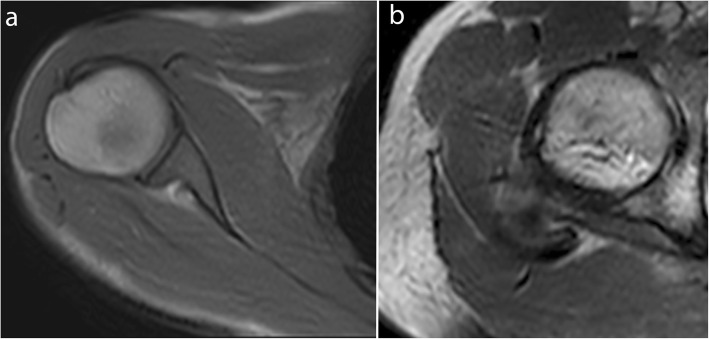
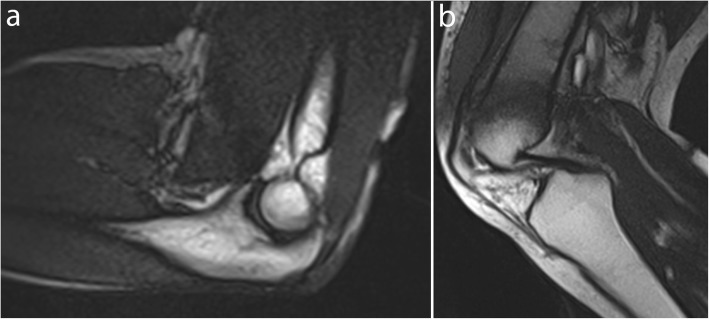
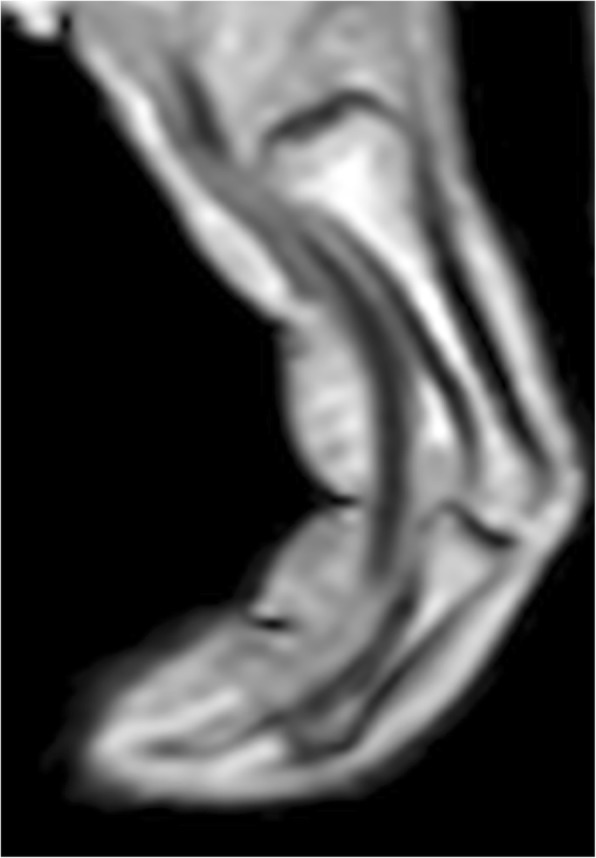
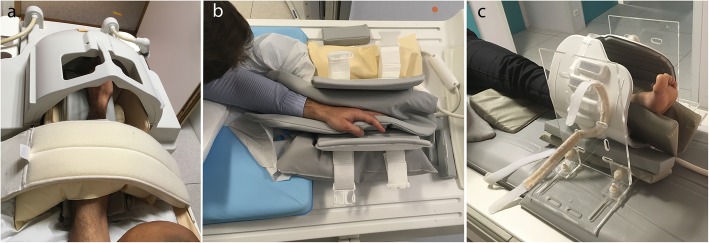
Dynamic magnetic resonance imaging (MRI) is a non-invasive method that can be used to increase the understanding of the pathomechanics of joints. Various types of real-time gradient echo sequences used for dynamic MRI acquisition of joints include balanced steady-state free precession sequence, radiofrequency-spoiled sequence, and ultra-fast gradient echo sequence. Due to their short repetition time and echo time, these sequences provide high temporal resolution, a good signal-to-noise ratio and spatial resolution, and soft tissue contrast. The prerequisites of the evaluation of joints with dynamic MRI include suitable patient installation and optimal positioning of the joint in the coil to allow joint movement, sometimes with dedicated coil support. There are currently few recommendations in the literature regarding appropriate protocol, sequence standardizations, and diagnostic criteria for the use of real-time dynamic MRI to evaluate joints. This article summarizes the technical parameters of these sequences from various manufacturers on 1.5 T and 3.0 T MRI scanners. We have reviewed pertinent details of the patient and coil positioning for dynamic MRI of various joints. The indications and limitations of dynamic MRI of joints are discussed.
动态磁共振成像(MRI)是一种非侵入性方法,可用于增进对关节病理力学的理解。用于关节动态MRI采集的各种实时梯度回波序列包括平衡稳态自由进动序列、射频扰相序列和超快速梯度回波序列。由于其重复时间和回波时间较短,这些序列提供了高时间分辨率、良好的信噪比和空间分辨率以及软组织对比度。使用动态MRI评估关节的前提条件包括合适的患者安置以及关节在线圈中的最佳定位,以允许关节运动,有时还需要专用的线圈支撑。目前文献中关于使用实时动态MRI评估关节的适当方案、序列标准化和诊断标准的建议很少。本文总结了不同制造商在1.5 T和3.0 T MRI扫描仪上这些序列的技术参数。我们回顾了各种关节动态MRI的患者和线圈定位的相关细节。讨论了关节动态MRI的适应证和局限性。