Copeland Connor, Stabenfeldt Sarah E
School of Biological and Health Systems Engineering, Arizona State University, Tempe, AZ.
Curr Opin Biomed Eng. 2020 Jun;14:1-8. doi: 10.1016/j.cobme.2020.04.001. Epub 2020 Apr 14.
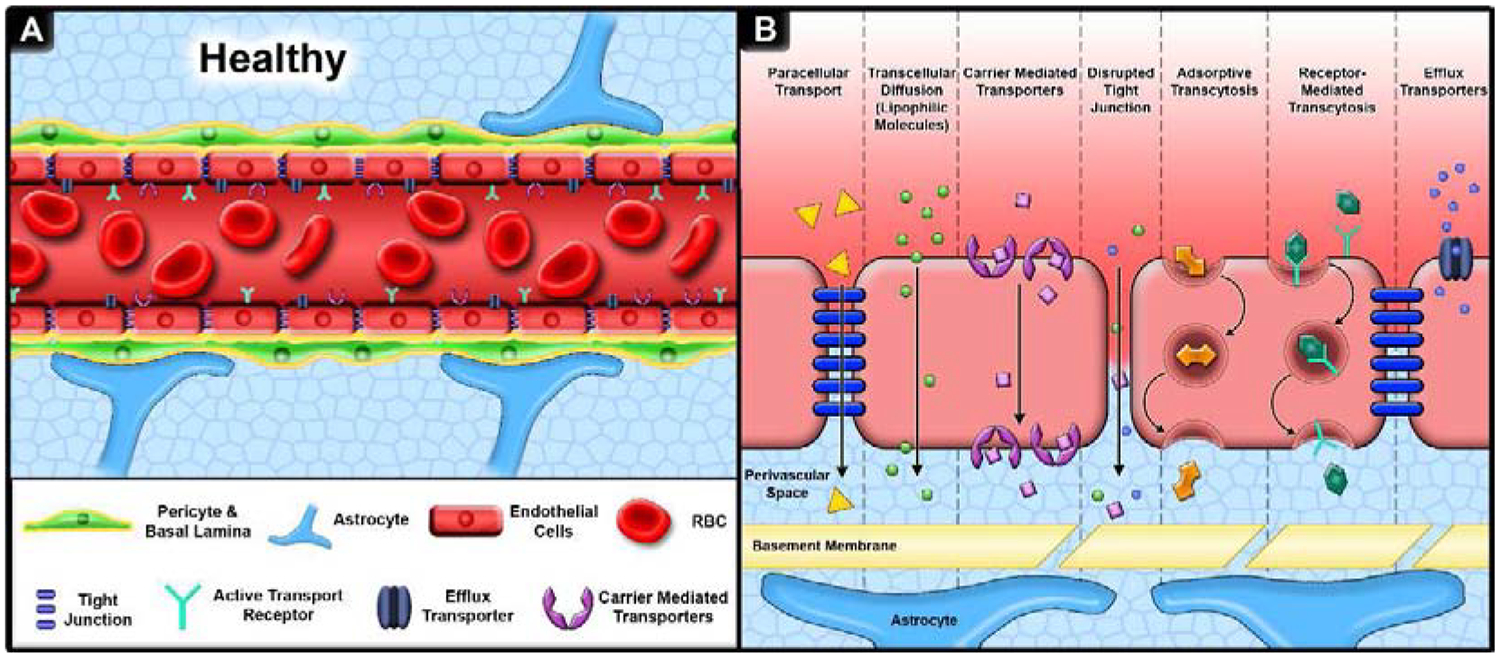
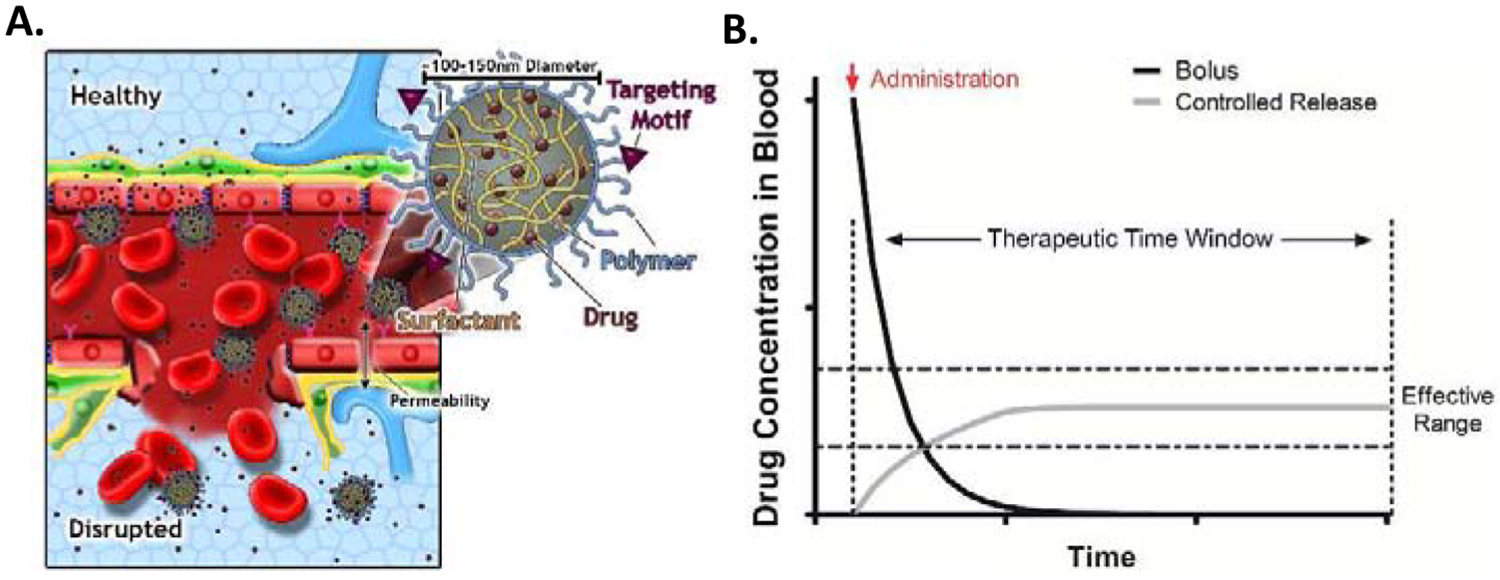
Neurological diseases and injuries have profound impact on a patient's lifespan and functional capabilities, but often lack effective intervention strategies to address the underlying neuropathology. The blood-brain barrier (BBB) is a major hurdle in the effective delivery of therapeutics to the brain. Recent discoveries in BBB maintenance reveal a dynamic system where time of day, disease progression, and even biological variables all strongly influence its permeability and flux of molecules. Nanoparticles can be used to improve the efficacy of therapeutics by increasing circulation time, bioavailability, selectivity, and controlling the rate of payload release. Considering these recent findings, the next generation of pharmacological paradigms are evolving to leverage nanotechnology to turn therapeutic intervention to meet the needs of a specific patient (i.e. personalized medicine).
神经疾病和损伤对患者的寿命和功能能力有深远影响,但往往缺乏有效的干预策略来解决潜在的神经病理学问题。血脑屏障(BBB)是将治疗药物有效输送到大脑的主要障碍。最近在血脑屏障维持方面的发现揭示了一个动态系统,其中一天中的时间、疾病进展,甚至生物学变量都会强烈影响其通透性和分子通量。纳米颗粒可用于通过增加循环时间、生物利用度、选择性和控制有效载荷释放速率来提高治疗效果。考虑到这些最新发现,下一代药理学范式正在不断发展,以利用纳米技术实现治疗干预,满足特定患者的需求(即个性化医疗)。