Faculty of Anesthesiology, Changhai Hospital, Naval Medical University, Shanghai 200433, China.
Aging (Albany NY). 2020 May 20;12(10):9534-9548. doi: 10.18632/aging.103226.
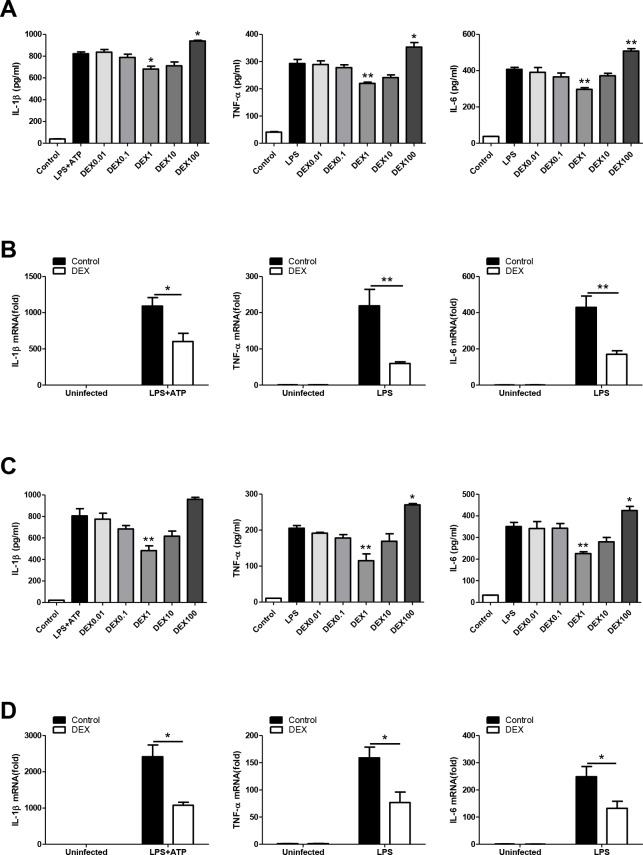
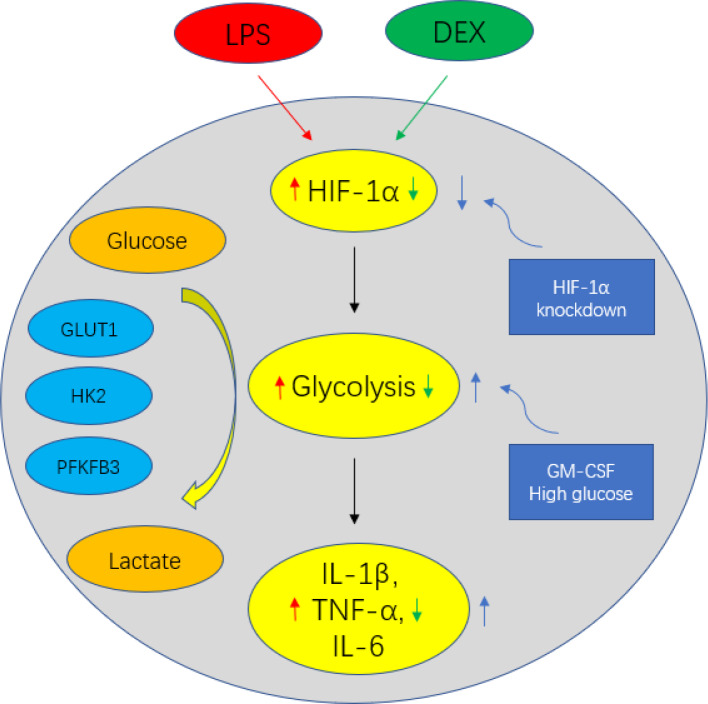
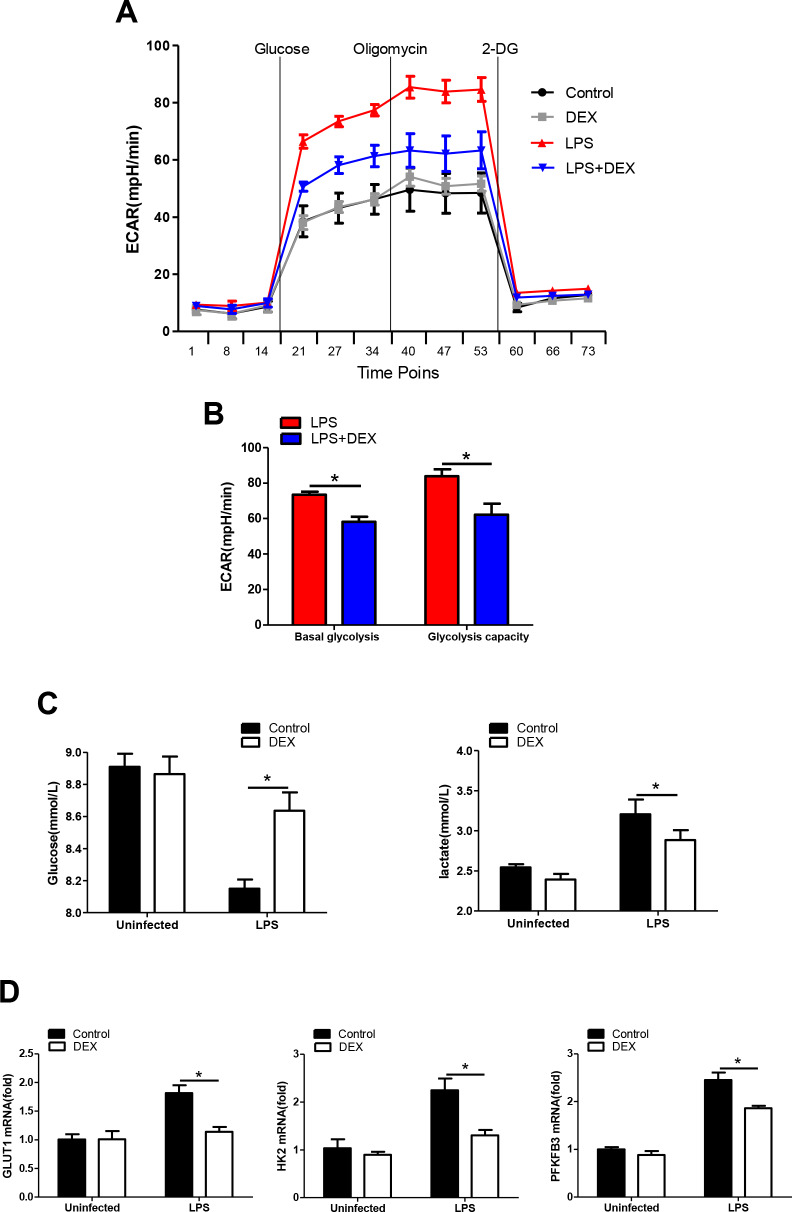
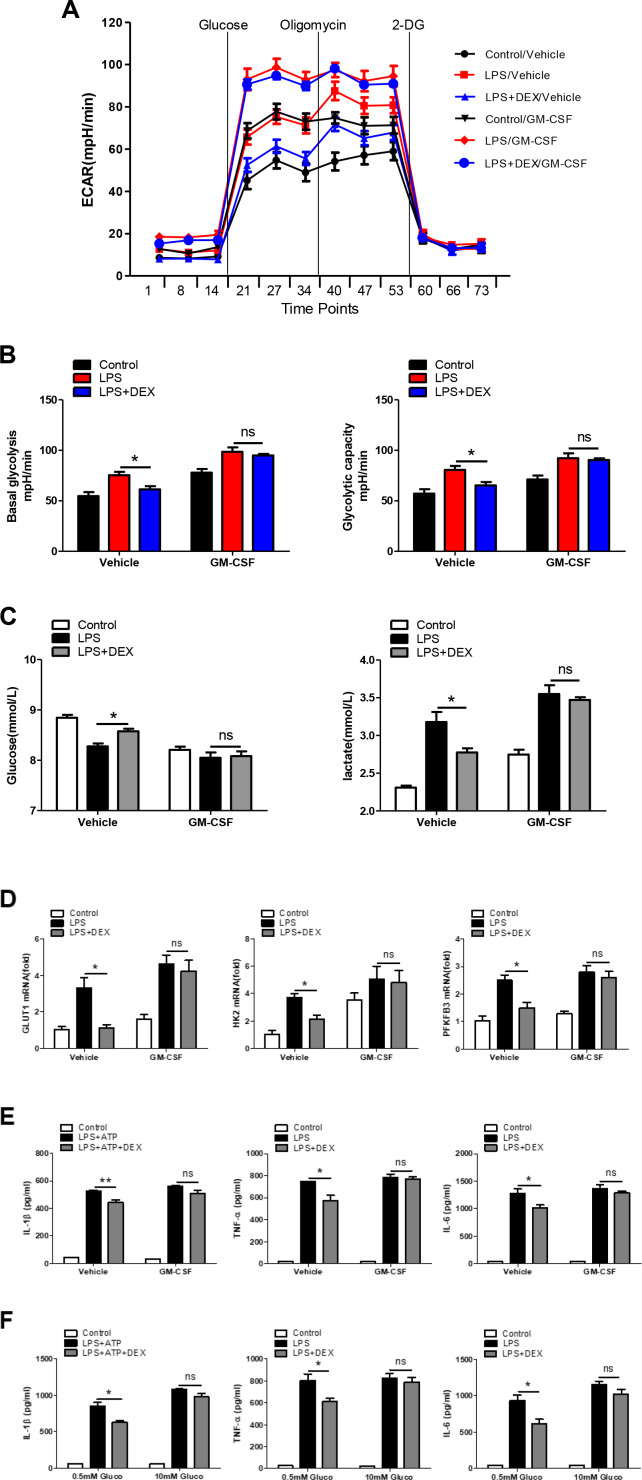
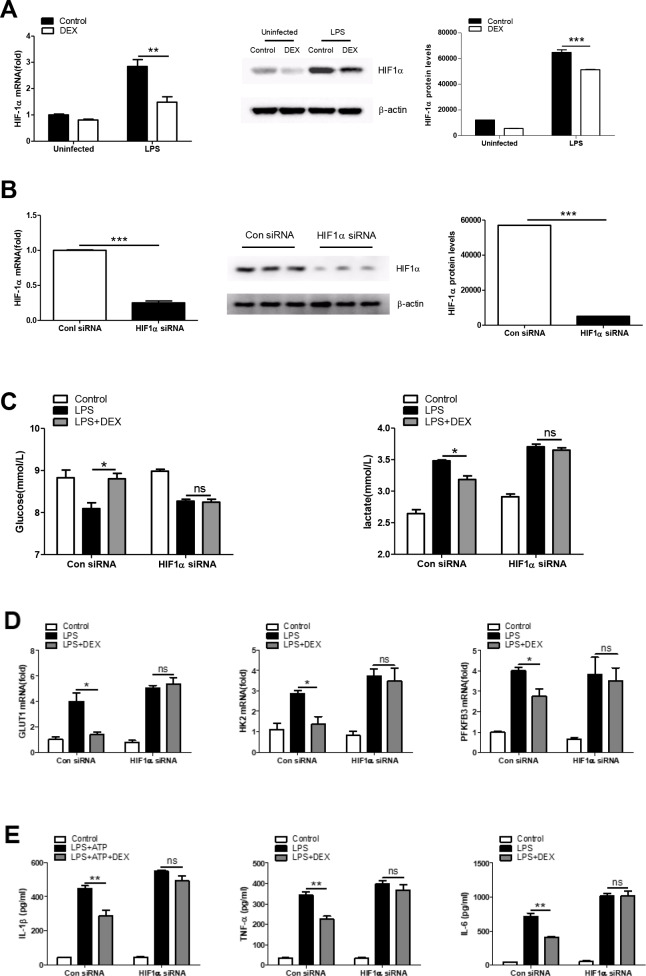
Dexmedetomidine, a highly selective α2-adrenoceptor agonist, has been reported to exert an anti-inflammatory effect in several animal models, but the mechanism remains unclear. Previous studies have shown that hypoxia inducible factor 1α-induced glycolysis is essential for the activation of inflammatory macrophages. However, whether dexmedetomidine influences hypoxia inducible factor 1α-induced glycolysis and thus exerts an anti-inflammatory effect has been poorly investigated. This study aims to elucidate the anti-inflammatory mechanism of dexmedetomidine involving the hypoxia inducible factor 1α-dependent glycolytic pathway. We showed that dexmedetomidine could suppress lipopolysaccharide-induced inflammatory cytokine production; inhibit the extracellular acidification rate, glucose consumption and lactate production; and decrease the expression of glycolytic genes in macrophages. The enhancement of glycolysis by the granulocyte-macrophage colony-stimulating factor or higher concentration of glucose could reverse the anti-inflammatory effect of dexmedetomidine on lipopolysaccharide-treated macrophages. Moreover, dexmedetomidine significantly inhibited the upregulation of hypoxia inducible factor 1α at the mRNA and protein levels. Genetic inhibition of hypoxia inducible factor 1α expression could reverse the anti-inflammatory effect of dexmedetomidine. Taken together, our results indicate that dexmedetomidine attenuates lipopolysaccharide-induced proinflammatory responses partially by suppressing hypoxia inducible factor 1α-dependent glycolysis in macrophages.
右美托咪定是一种高选择性的α2-肾上腺素能受体激动剂,已被报道在几种动物模型中具有抗炎作用,但作用机制尚不清楚。先前的研究表明,缺氧诱导因子 1α 诱导的糖酵解对于炎症巨噬细胞的激活至关重要。然而,右美托咪定是否影响缺氧诱导因子 1α 诱导的糖酵解从而发挥抗炎作用尚未得到充分研究。本研究旨在阐明右美托咪定的抗炎机制涉及缺氧诱导因子 1α 依赖性糖酵解途径。我们表明,右美托咪定可以抑制脂多糖诱导的炎性细胞因子产生;抑制细胞外酸化率、葡萄糖消耗和乳酸产生;并降低巨噬细胞中糖酵解基因的表达。粒细胞-巨噬细胞集落刺激因子或更高浓度的葡萄糖增强糖酵解可以逆转右美托咪定对脂多糖处理的巨噬细胞的抗炎作用。此外,右美托咪定显著抑制缺氧诱导因子 1α 在 mRNA 和蛋白水平的上调。缺氧诱导因子 1α 表达的基因抑制可以逆转右美托咪定的抗炎作用。总之,我们的结果表明,右美托咪定通过抑制巨噬细胞中缺氧诱导因子 1α 依赖性糖酵解来减轻脂多糖诱导的促炎反应。