Laboratory of Molecular and Cellular Neuroscience, The Rockefeller University, 1230 York Avenue, New York, NY, 10065, USA.
Friedman Brain Institute, Department of Neuroscience, Icahn School of Medicine at Mount Sinai, New York, NY, 10029, USA.
Mol Psychiatry. 2020 Jul;25(7):1364-1381. doi: 10.1038/s41380-020-0767-8. Epub 2020 May 21.
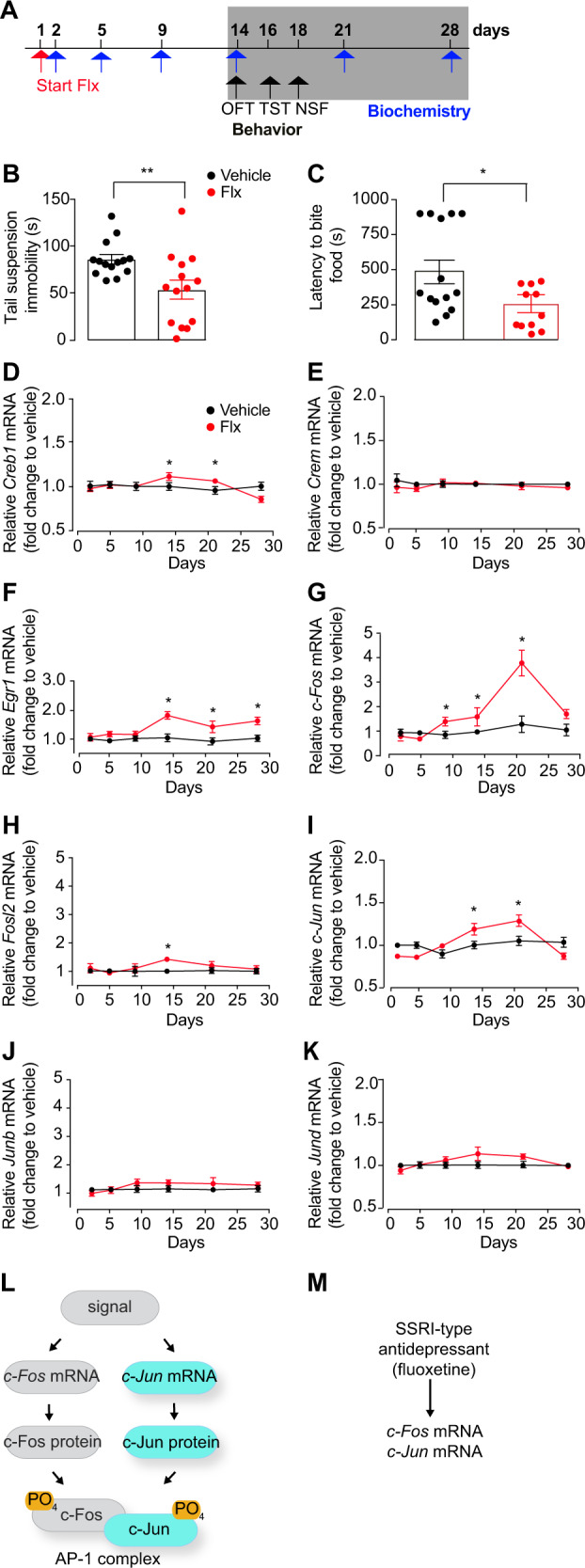
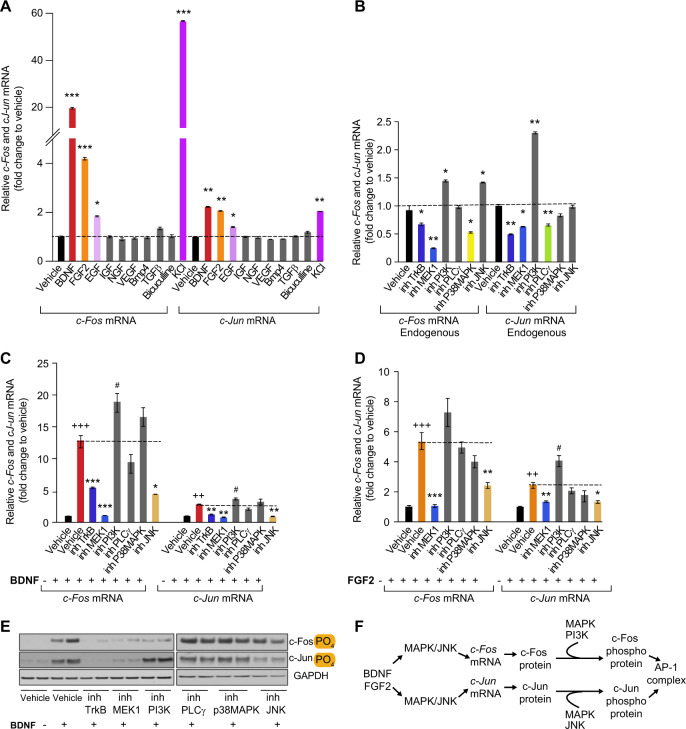
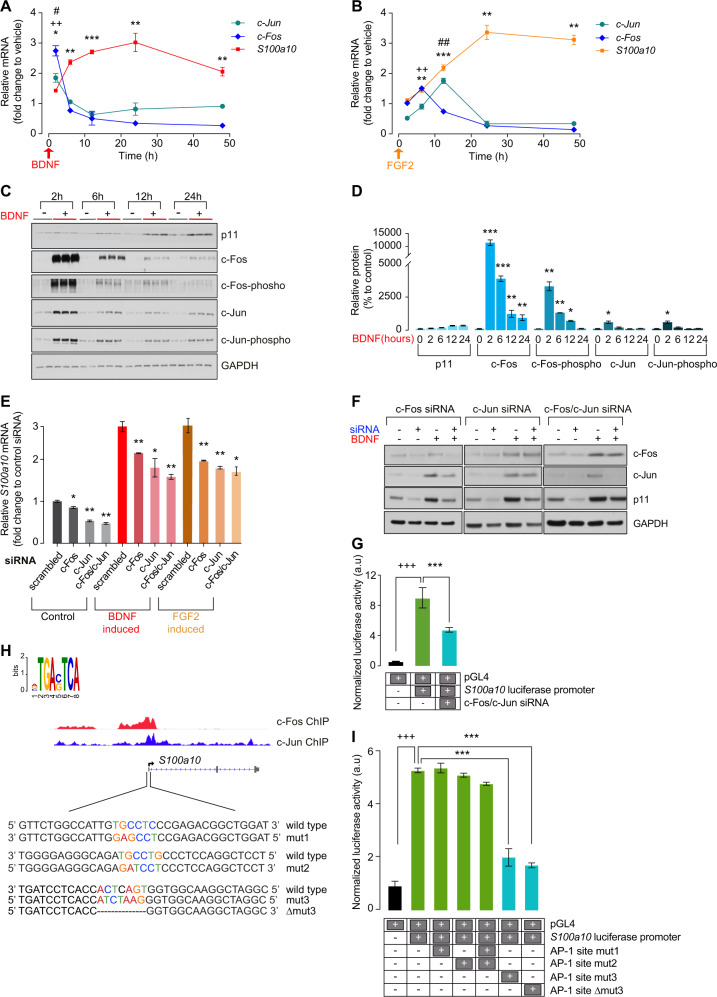
Selective serotonin reuptake inhibitors (SSRIs) are the most widely prescribed drugs for mood disorders. While the mechanism of SSRI action is still unknown, SSRIs are thought to exert therapeutic effects by elevating extracellular serotonin levels in the brain, and remodel the structural and functional alterations dysregulated during depression. To determine their precise mode of action, we tested whether such neuroadaptive processes are modulated by regulation of specific gene expression programs. Here we identify a transcriptional program regulated by activator protein-1 (AP-1) complex, formed by c-Fos and c-Jun that is selectively activated prior to the onset of the chronic SSRI response. The AP-1 transcriptional program modulates the expression of key neuronal remodeling genes, including S100a10 (p11), linking neuronal plasticity to the antidepressant response. We find that AP-1 function is required for the antidepressant effect in vivo. Furthermore, we demonstrate how neurochemical pathways of BDNF and FGF2, through the MAPK, PI3K, and JNK cascades, regulate AP-1 function to mediate the beneficial effects of the antidepressant response. Here we put forth a sequential molecular network to track the antidepressant response and provide a new avenue that could be used to accelerate or potentiate antidepressant responses by triggering neuroplasticity.
选择性 5-羟色胺再摄取抑制剂(SSRIs)是治疗情绪障碍最广泛使用的药物。虽然 SSRI 的作用机制尚不清楚,但 SSRI 被认为通过提高大脑中细胞外的 5-羟色胺水平发挥治疗作用,并重塑抑郁期间失调的结构和功能改变。为了确定它们的确切作用方式,我们测试了这种神经适应性过程是否受到特定基因表达程序调控的调节。在这里,我们确定了一个由激活蛋白-1(AP-1)复合物调节的转录程序,该复合物由 c-Fos 和 c-Jun 组成,在慢性 SSRI 反应开始之前被选择性激活。AP-1 转录程序调节关键神经元重塑基因的表达,包括 S100a10(p11),将神经元可塑性与抗抑郁反应联系起来。我们发现 AP-1 功能对于体内的抗抑郁作用是必需的。此外,我们展示了 BDNF 和 FGF2 的神经化学途径如何通过 MAPK、PI3K 和 JNK 级联调节 AP-1 功能,从而介导抗抑郁反应的有益效果。在这里,我们提出了一个连续的分子网络来跟踪抗抑郁反应,并提供了一个新的途径,可以通过触发神经可塑性来加速或增强抗抑郁反应。