Matveychuk Dmitriy, Thomas Rejish K, Swainson Jennifer, Khullar Atul, MacKay Mary-Anne, Baker Glen B, Dursun Serdar M
Department of Psychiatry, Neurochemical Research Unit, University of Alberta, Edmonton, Alberta, Canada.
Grey Nuns Community Hospital and Department of Psychiatry, University of Alberta, Edmonton, Alberta, Canada.
Ther Adv Psychopharmacol. 2020 May 11;10:2045125320916657. doi: 10.1177/2045125320916657. eCollection 2020.
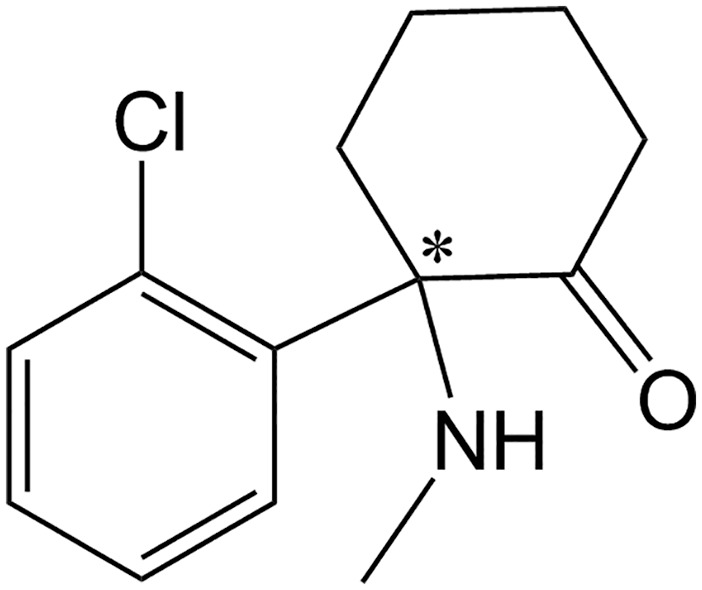
Ketamine, a drug introduced in the 1960s as an anesthetic agent and still used for that purpose, has garnered marked interest over the past two decades as an emerging treatment for major depressive disorder. With increasing evidence of its efficacy in treatment-resistant depression and its potential anti-suicidal action, a great deal of investigation has been conducted on elucidating ketamine's effects on the brain. Of particular interest and therapeutic potential is the ability of ketamine to exert rapid antidepressant properties as early as several hours after administration. This is in stark contrast to the delayed effects observed with traditional antidepressants, often requiring several weeks of therapy for a clinical response. Furthermore, ketamine appears to have a unique mechanism of action involving glutamate modulation actions at the -methyl-D-aspartate (NMDA) and -amino-3-hydroxy-5-methyl-4-isoxazolepropionic acid (AMPA) receptors, as well as downstream activation of brain-derived neurotrophic factor (BDNF) and mechanistic target of rapamycin (mTOR) signaling pathways to potentiate synaptic plasticity. This paper provides a brief overview of ketamine with regard to pharmacology/pharmacokinetics, toxicology, the current state of clinical trials on depression, postulated antidepressant mechanisms and potential biomarkers (biochemical, inflammatory, metabolic, neuroimaging sleep-related and cognitive) for predicting response to and/or monitoring of therapeutic outcome with ketamine.
氯胺酮是20世纪60年代作为麻醉剂引入且至今仍用于该目的的一种药物,在过去二十年中作为重度抑郁症的新兴治疗方法引起了显著关注。随着其在难治性抑郁症治疗中的疗效以及潜在抗自杀作用的证据不断增加,人们对阐明氯胺酮对大脑的影响进行了大量研究。氯胺酮在给药后数小时内就能发挥快速抗抑郁特性,这一点尤其令人感兴趣且具有治疗潜力。这与传统抗抑郁药观察到的延迟效应形成鲜明对比,传统抗抑郁药通常需要数周治疗才会出现临床反应。此外,氯胺酮似乎具有独特的作用机制,涉及谷氨酸调节——作用于N-甲基-D-天冬氨酸(NMDA)和α-氨基-3-羟基-5-甲基-4-异恶唑丙酸(AMPA)受体,以及下游激活脑源性神经营养因子(BDNF)和雷帕霉素靶蛋白(mTOR)信号通路以增强突触可塑性。本文简要概述了氯胺酮在药理学/药代动力学、毒理学、抑郁症临床试验现状、假定的抗抑郁机制以及用于预测氯胺酮治疗反应和/或监测治疗结果的潜在生物标志物(生化、炎症、代谢、神经影像学、睡眠相关和认知方面)。