Department of Neurobiology, Northwestern University, Evanston, IL 60208, USA.
Department of Neurobiology, Northwestern University, Evanston, IL 60208, USA.
Curr Biol. 2020 Jun 22;30(12):2275-2288.e5. doi: 10.1016/j.cub.2020.04.038. Epub 2020 May 21.
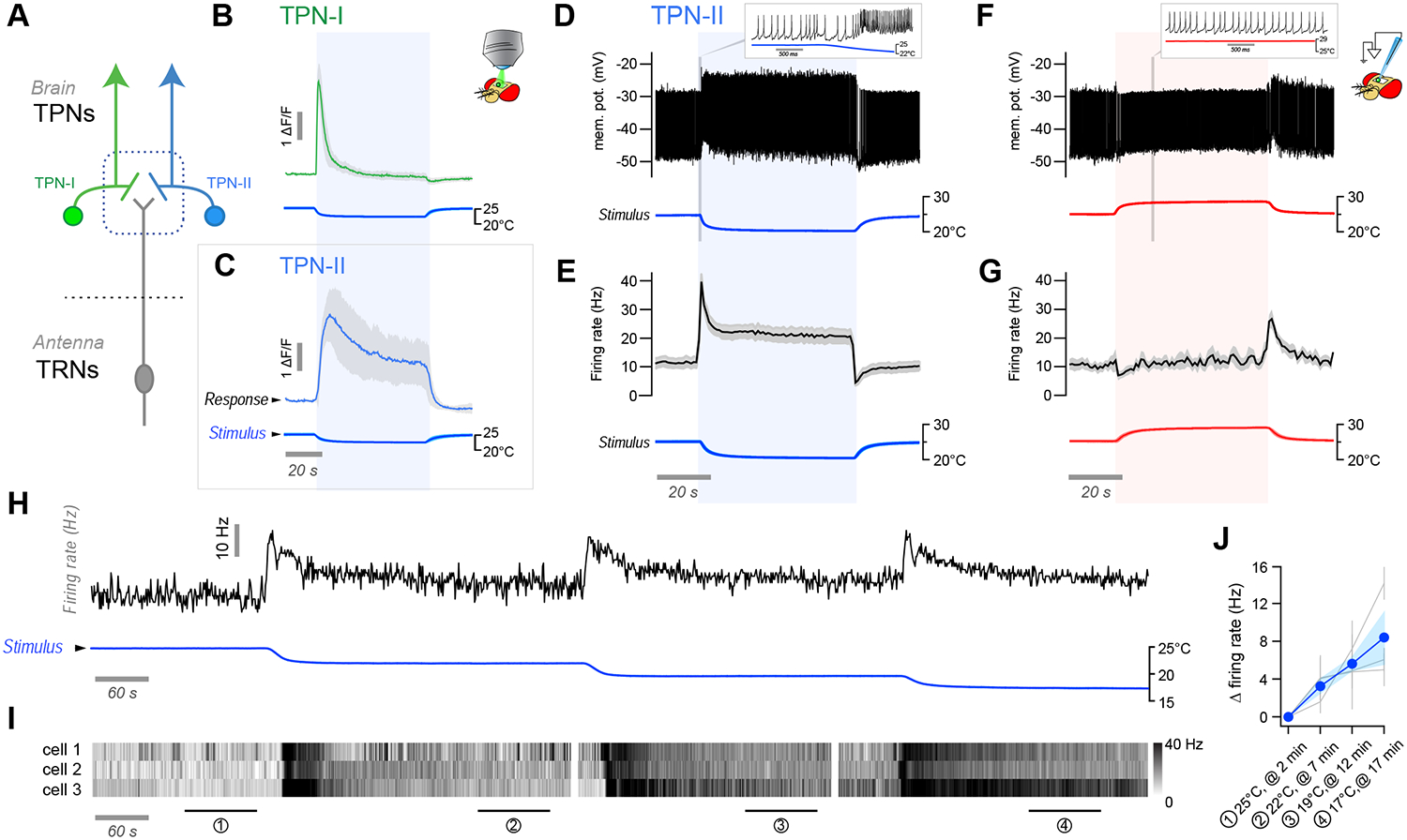
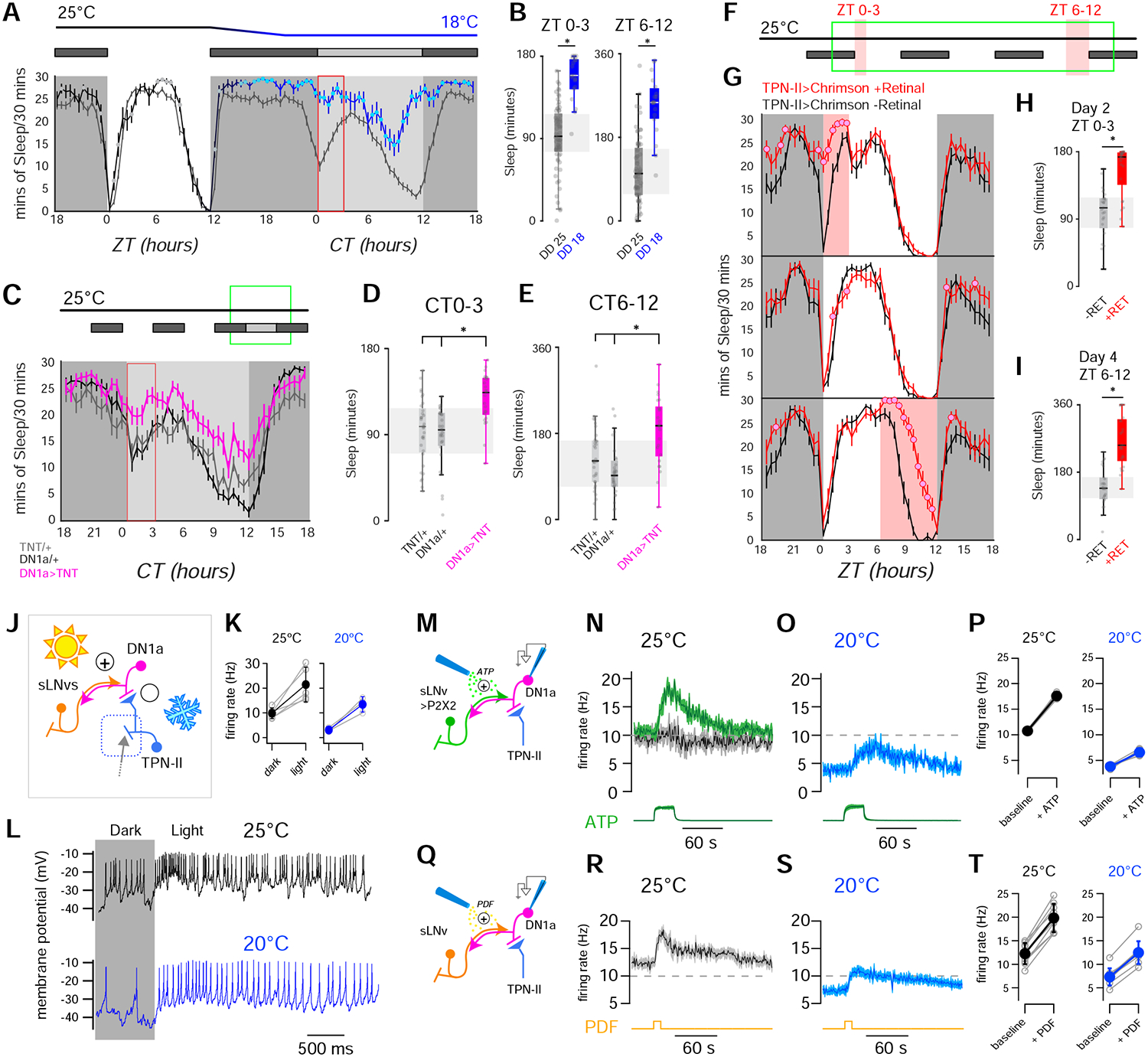
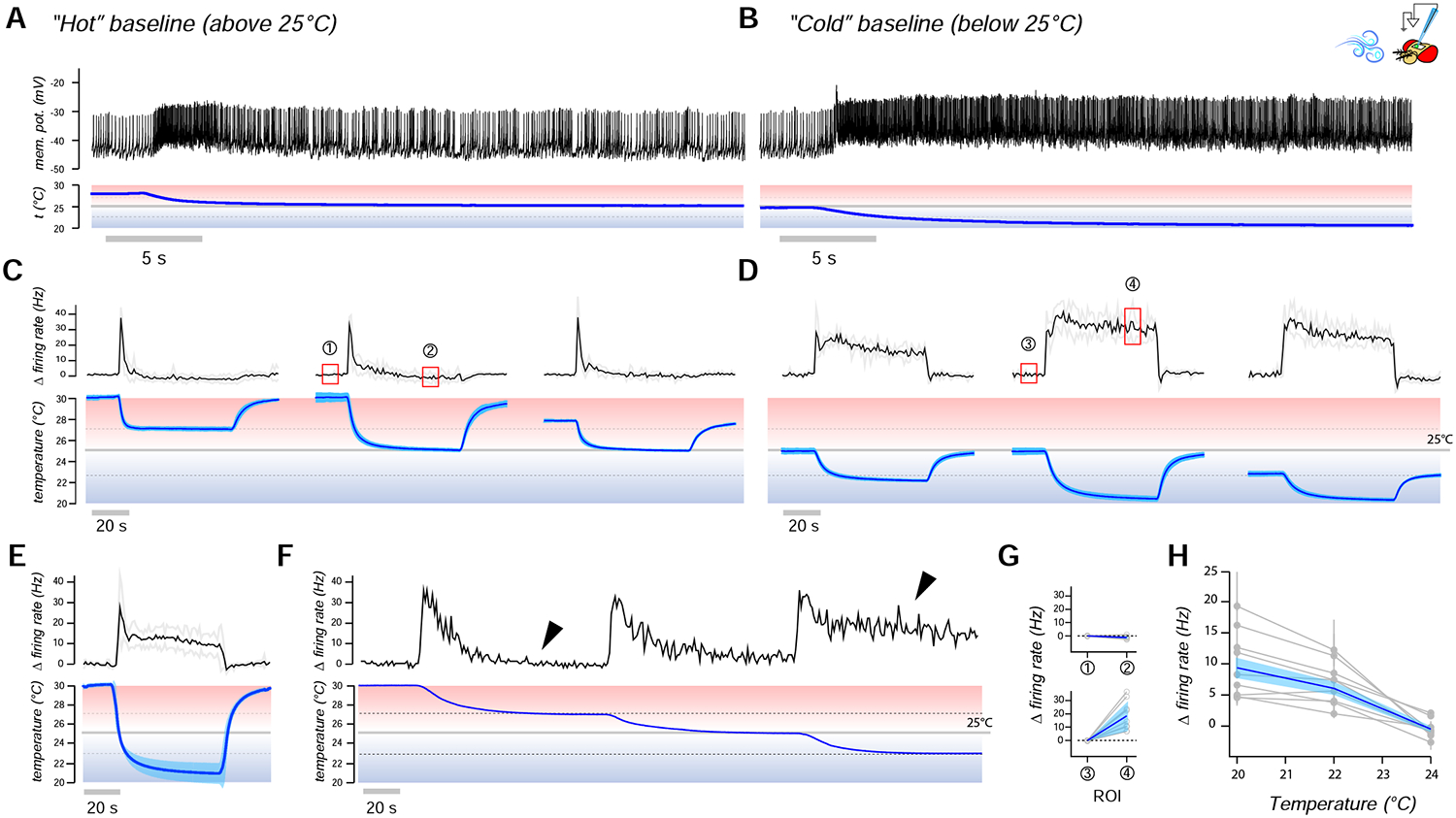
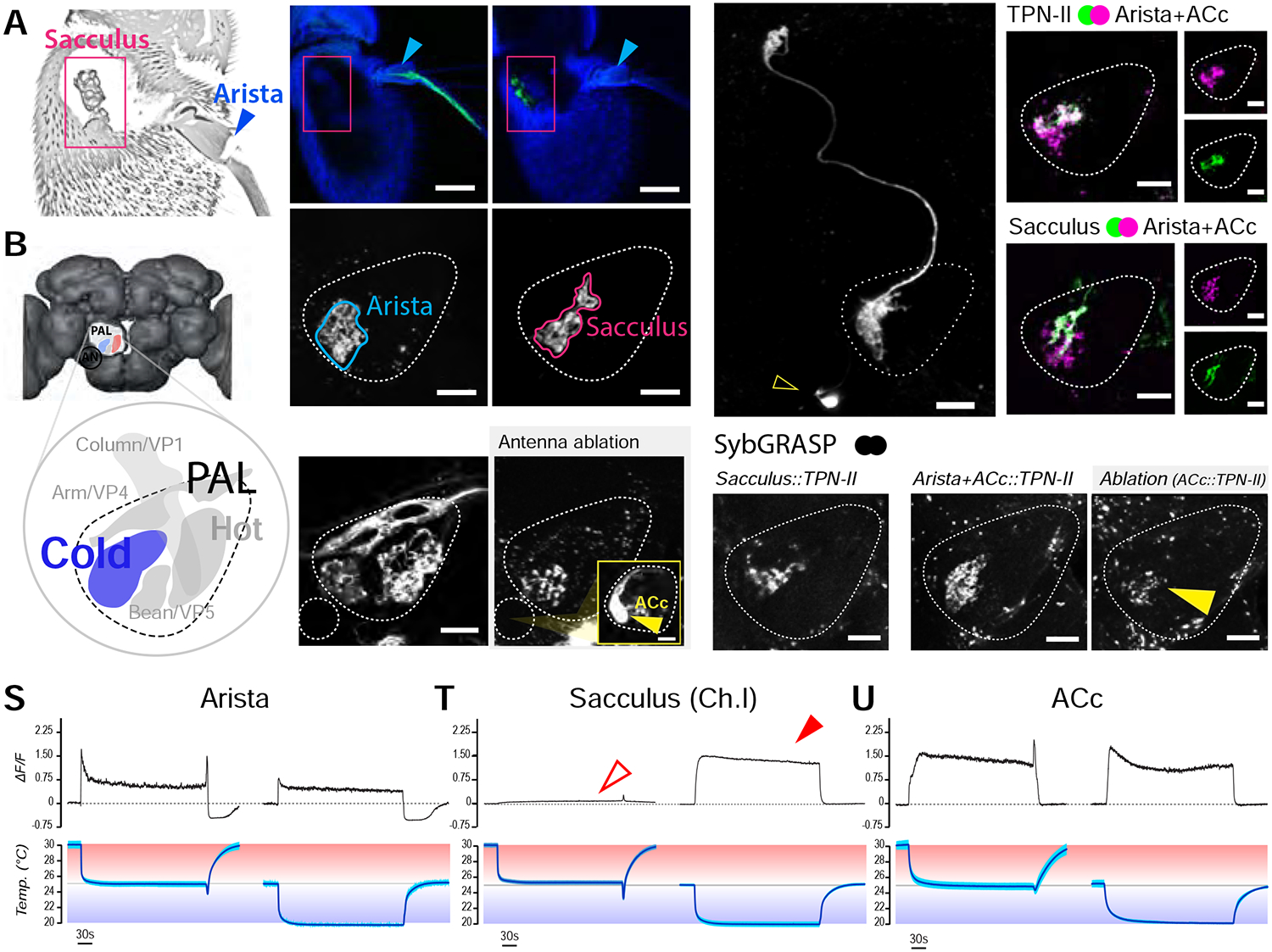
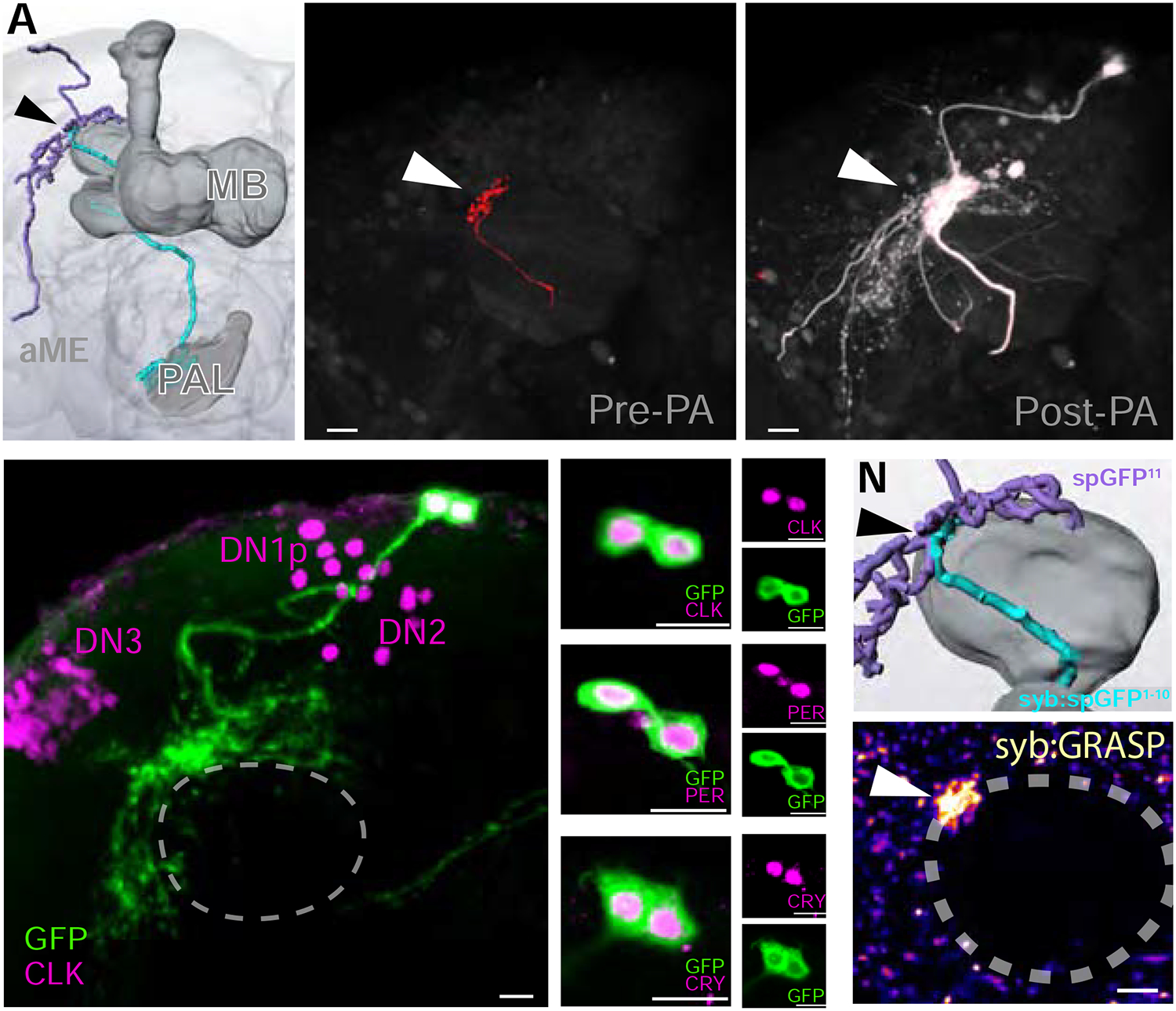
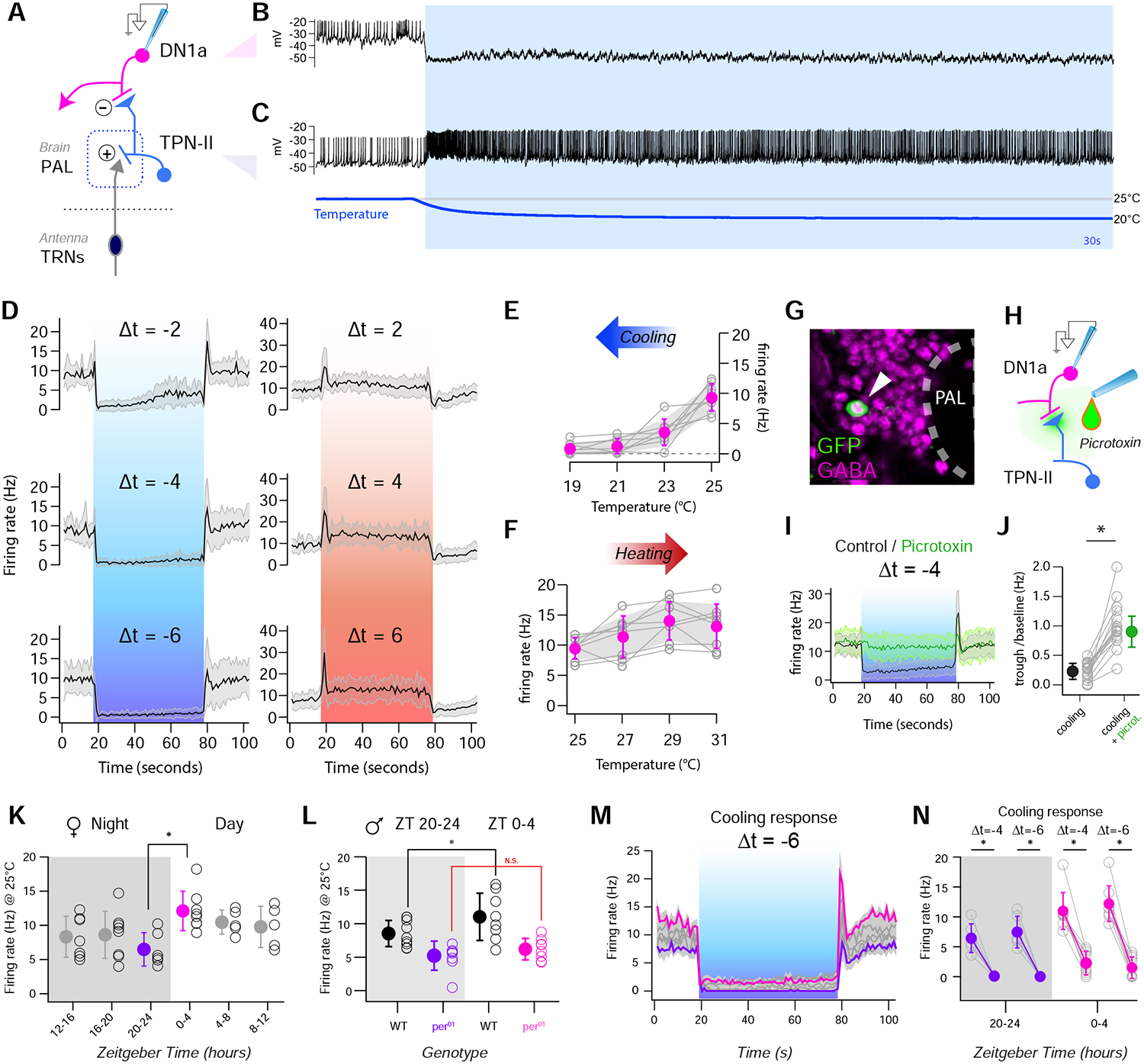
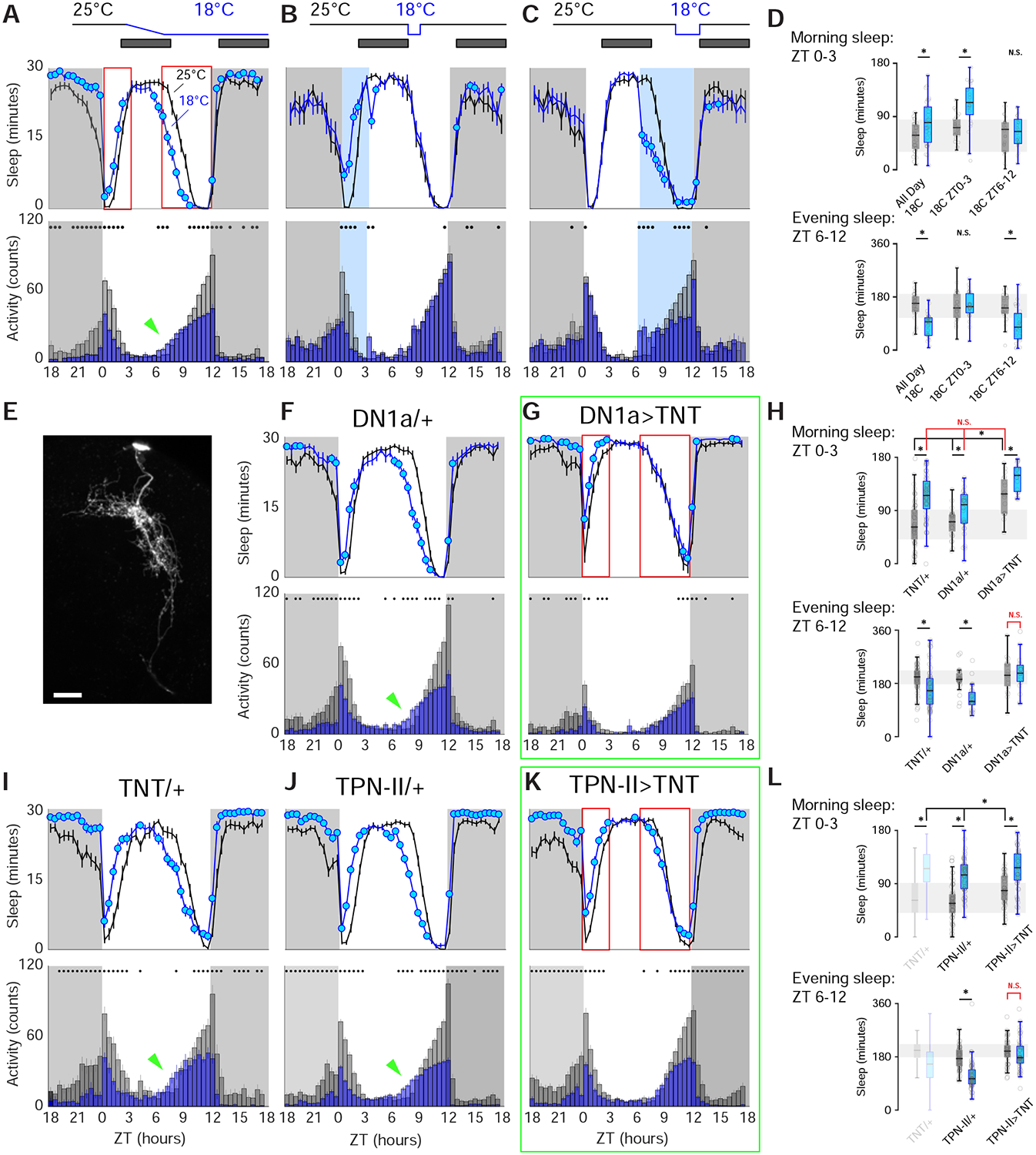
Animals react to environmental changes over timescales ranging from seconds to days and weeks. An important question is how sensory stimuli are parsed into neural signals operating over such diverse temporal scales. Here, we uncover a specialized circuit, from sensory neurons to higher brain centers, that processes information about long-lasting, absolute cold temperature in Drosophila. We identify second-order thermosensory projection neurons (TPN-IIs) exhibiting sustained firing that scales with absolute temperature. Strikingly, this activity only appears below the species-specific, preferred temperature for D. melanogaster (∼25°C). We trace the inputs and outputs of TPN-IIs and find that they are embedded in a cold "thermometer" circuit that provides powerful and persistent inhibition to brain centers involved in regulating sleep and activity. Our results demonstrate that the fly nervous system selectively encodes and relays absolute temperature information and illustrate a sensory mechanism that allows animals to adapt behavior specifically to cold conditions on the timescale of hours to days.
动物会在从秒到天和周的时间范围内对环境变化做出反应。一个重要的问题是,感觉刺激如何被解析为在如此多样化的时间尺度上运作的神经信号。在这里,我们揭示了一个专门的电路,从感觉神经元到更高的大脑中枢,该电路处理果蝇中关于持久的、绝对寒冷温度的信息。我们鉴定出表现出与绝对温度成比例的持续放电的二级热敏投射神经元(TPN-II)。引人注目的是,这种活动仅出现在特定物种、黑腹果蝇(∼25°C)偏好温度以下。我们追踪了 TPN-II 的输入和输出,发现它们嵌入在一个冷“温度计”电路中,该电路为参与调节睡眠和活动的大脑中枢提供强大而持久的抑制。我们的结果表明,果蝇神经系统选择性地编码和传递绝对温度信息,并说明了一种感觉机制,使动物能够专门针对数小时到数天的寒冷条件来调整行为。