Pharmaceutical Production Research Facility, Schulich School of Engineering, University of Calgary, Calgary, Alberta, Canada.
Biomedical Engineering Graduate Program, University of Calgary, Calgary, Alberta, Canada.
Stem Cells Transl Med. 2020 Sep;9(9):1036-1052. doi: 10.1002/sctm.19-0406. Epub 2020 May 22.
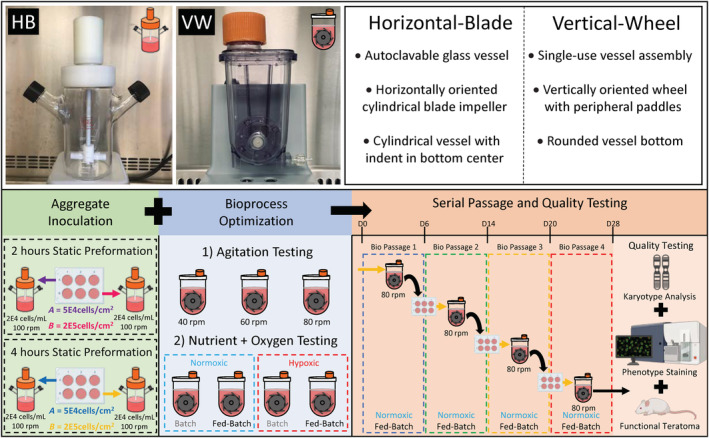
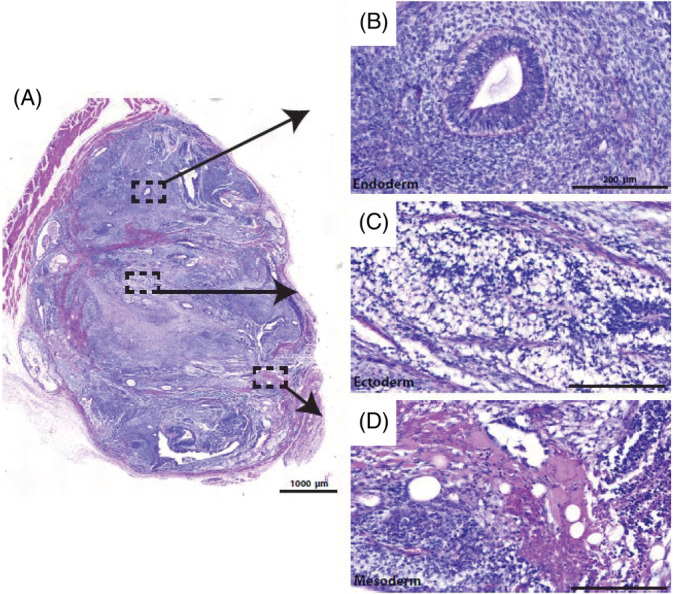
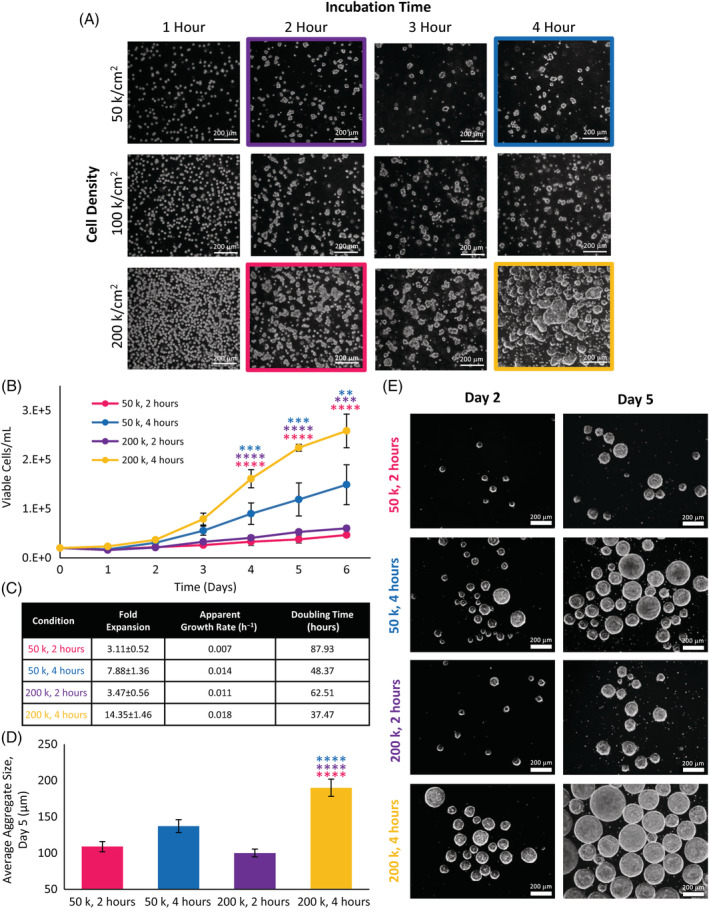
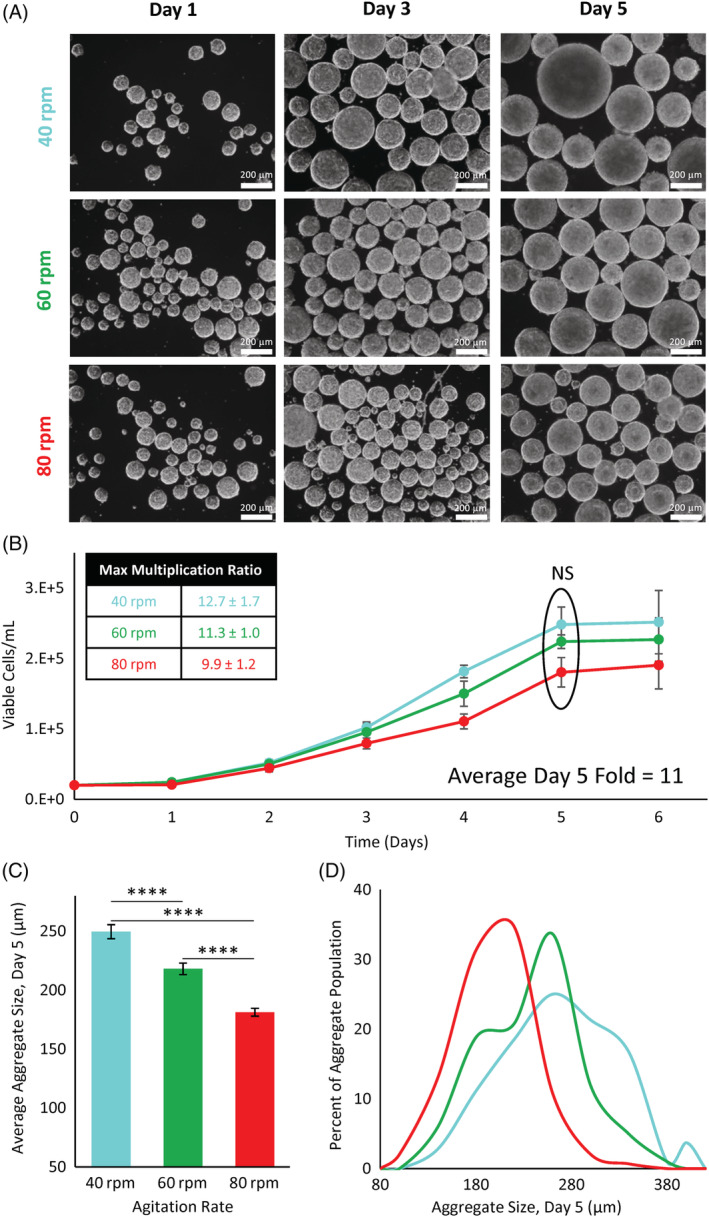
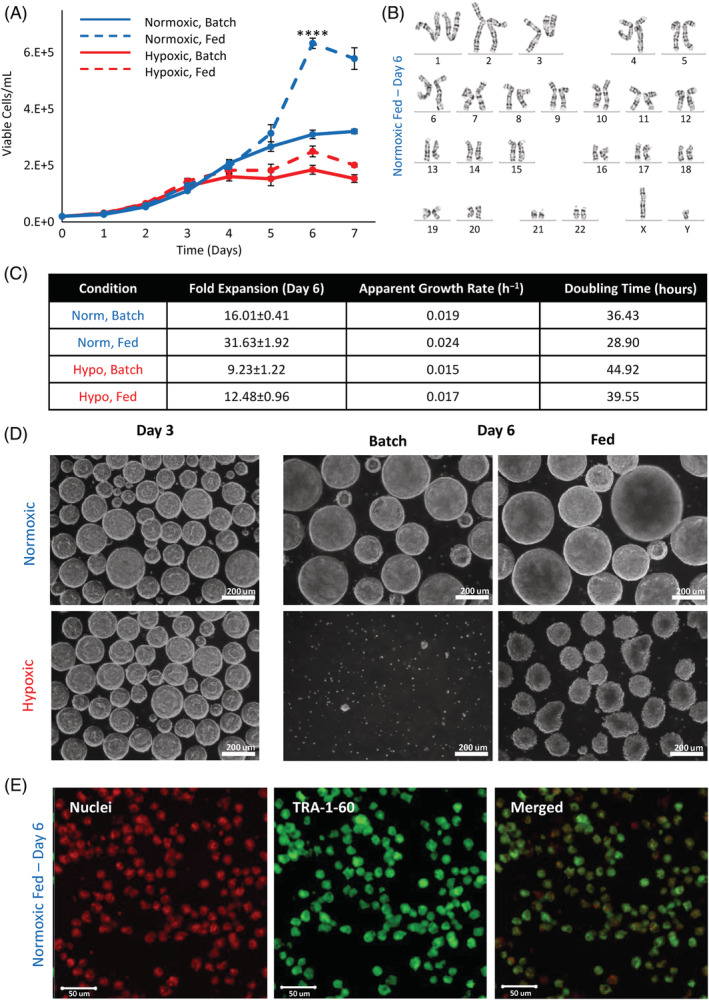
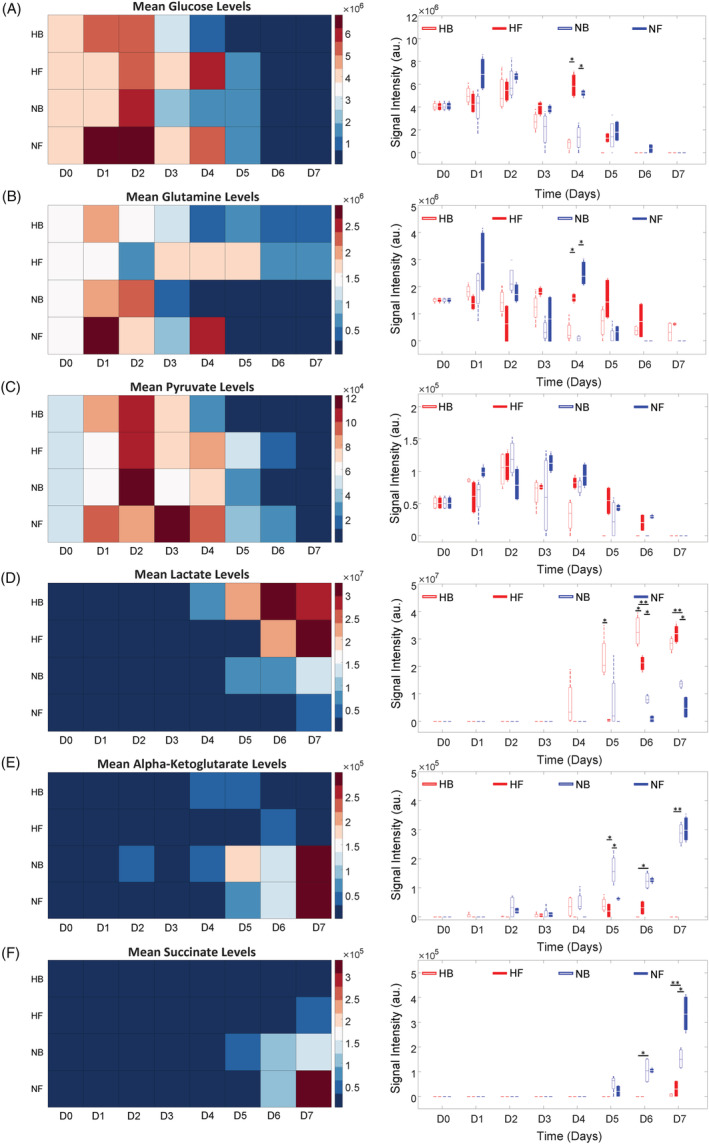
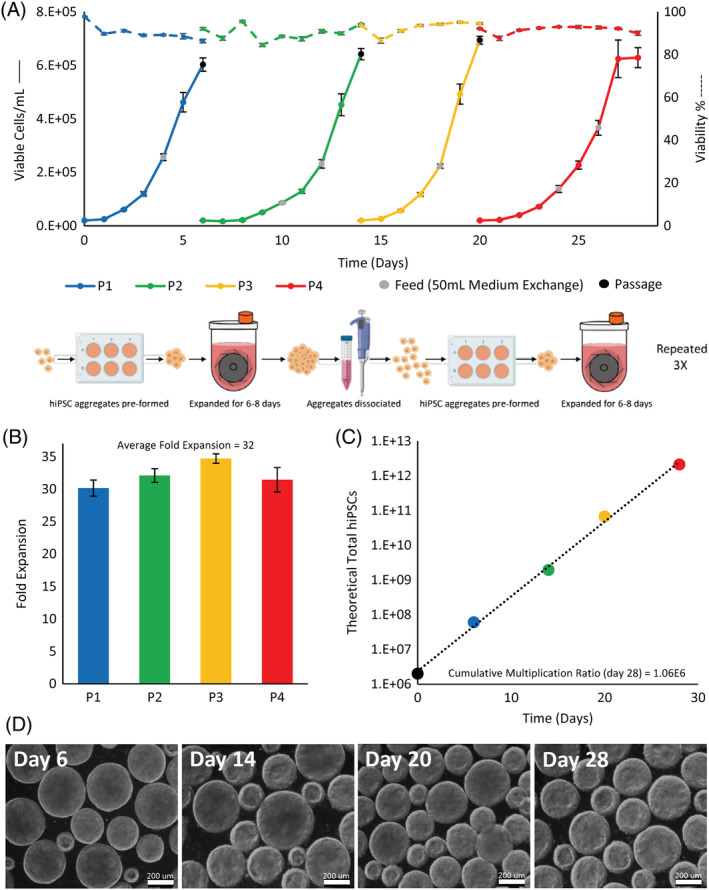
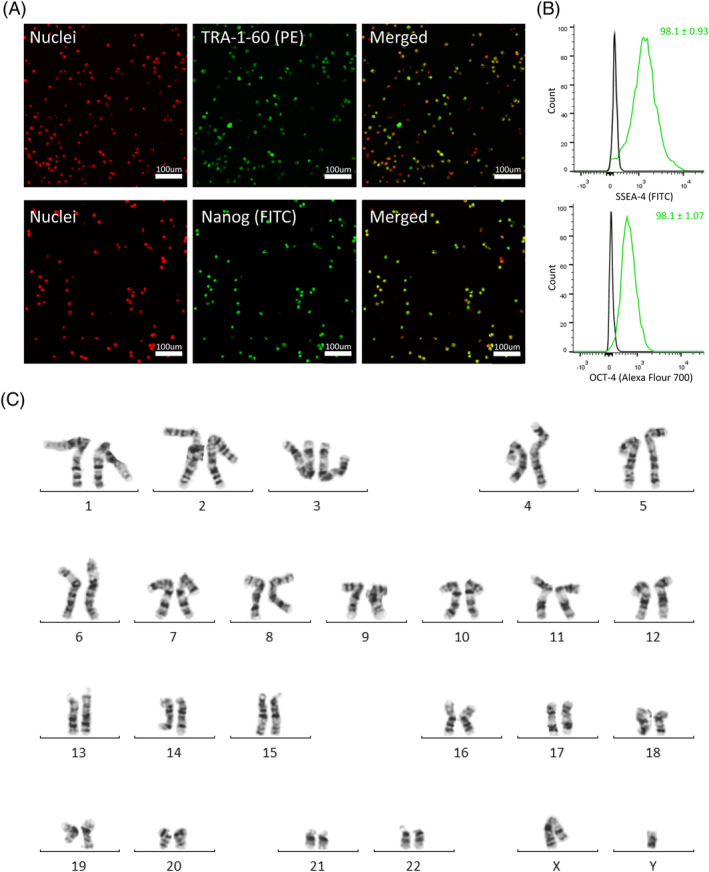
Human induced pluripotent stem cells (hiPSCs) have generated a great deal of attention owing to their capacity for self-renewal and differentiation into the three germ layers of the body. Their discovery has facilitated a new era in biomedicine for understanding human development, drug screening, disease modeling, and cell therapy while reducing ethical issues and risks of immune rejection associated with traditional embryonic stem cells. Bioreactor-based processes have been the method of choice for the efficient expansion and differentiation of stem cells in controlled environments. Current protocols for the expansion of hiPSCs use horizontal impeller, paddle, or rocking wave mixing method bioreactors which require large static cell culture starting populations and achieve only moderate cell fold increases. This study focused on optimizing inoculation, agitation, oxygen, and nutrient availability for the culture of hiPSCs as aggregates in single-use, low-shear, vertical-wheel bioreactors. Under optimized conditions, we achieved an expansion of more than 30-fold in 6 days using a small starting population of cells and minimal media resources throughout. Importantly, we showed that that this optimized bioreactor expansion protocol could be replicated over four serial passages resulting in a cumulative cell expansion of 1.06E6-fold in 28 days. Cells from the final day of the serial passage were of high quality, maintaining a normal karyotype, pluripotent marker staining, and the ability to form teratomas in vivo. These findings demonstrate that a vertical-wheel bioreactor-based bioprocess can provide optimal conditions for efficient, rapid generation of high-quality hiPSCs to meet the demands for clinical manufacturing of therapeutic cell products.
人类诱导多能干细胞(hiPSCs)因其自我更新和分化为身体的三个胚层的能力而引起了极大的关注。它们的发现促进了生物医学的新时代,用于理解人类发育、药物筛选、疾病建模和细胞治疗,同时减少了与传统胚胎干细胞相关的伦理问题和免疫排斥风险。基于生物反应器的工艺一直是在受控环境中高效扩增和分化干细胞的首选方法。目前用于扩增 hiPSCs 的方案使用水平叶轮、桨叶或摇床混合方法生物反应器,这些方法需要较大的静态细胞培养起始群体,并且仅能实现适度的细胞倍增。本研究专注于优化 hiPSCs 作为单细胞培养物在一次性、低剪切、垂直轮生物反应器中的接种、搅拌、氧气和营养物的可用性。在优化条件下,我们使用小起始细胞群体和最小量的培养基资源,在 6 天内实现了超过 30 倍的扩增。重要的是,我们表明,该优化的生物反应器扩增方案可以在四个连续传代中复制,从而在 28 天内实现 1.06E6 倍的细胞累积扩增。传代最后一天的细胞质量高,保持正常核型、多能标志物染色和体内形成畸胎瘤的能力。这些发现表明,基于垂直轮生物反应器的生物工艺可以为高效、快速生成高质量的 hiPSCs 提供最佳条件,以满足治疗性细胞产品临床制造的需求。