Sy Shirley Ming-Hui, Guo Yingying, Lan Ying, Ng Howin, Huen Michael Shing-Yan
School of Biomedical Sciences, LKS Faculty of Medicine, The University of Hong Kong, Hong Kong S.A.R..
School of Biomedical Sciences, LKS Faculty of Medicine, The University of Hong Kong, Hong Kong S.A.R.
Transl Oncol. 2020 Sep;13(9):100796. doi: 10.1016/j.tranon.2020.100796. Epub 2020 May 22.
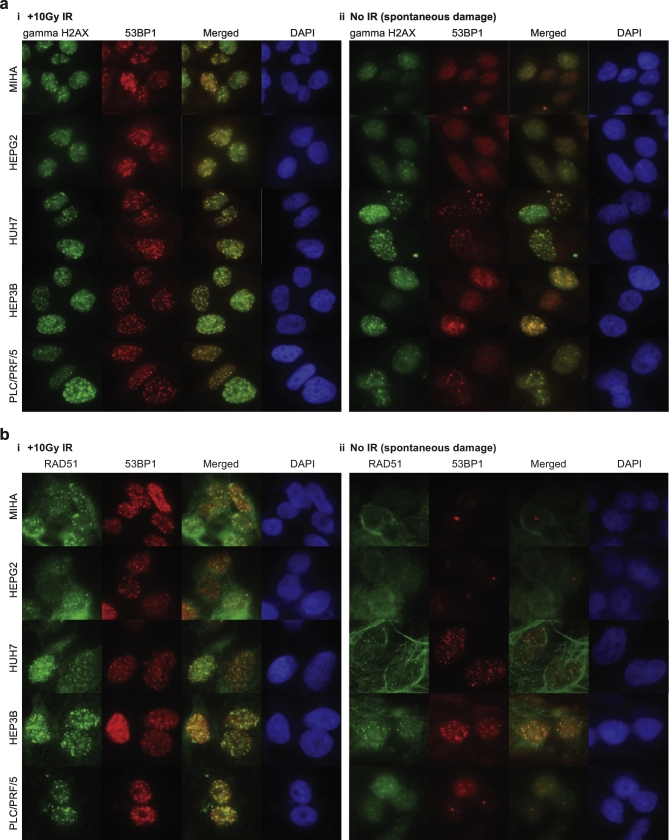
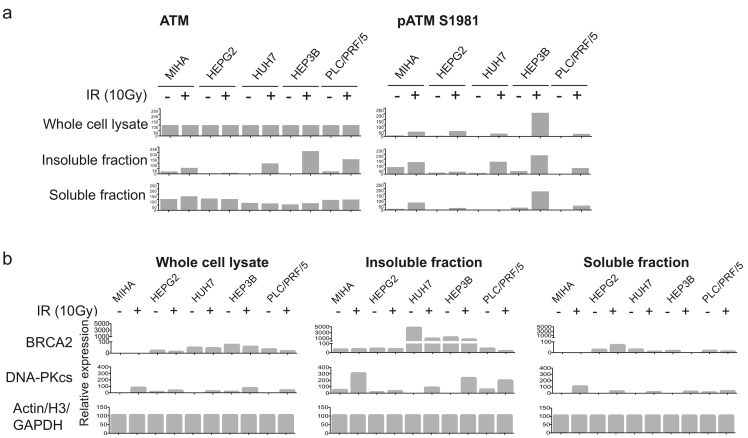
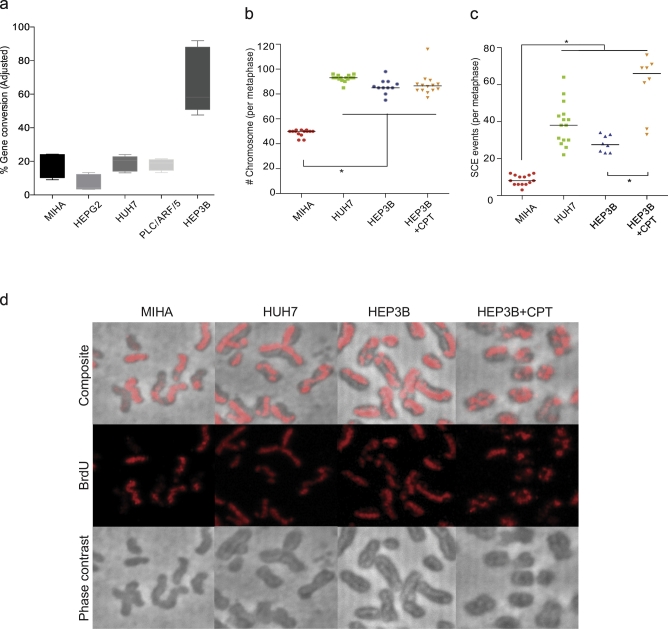
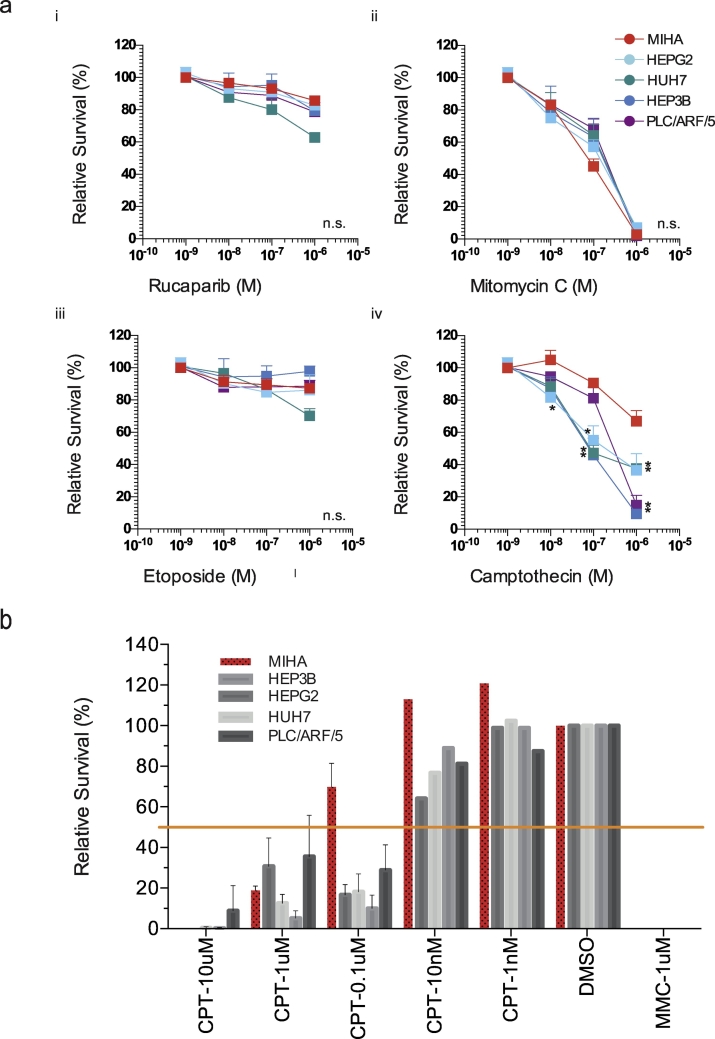
Degree of genomic instability closely correlates with poor prognosis, drug resistance as well as poor survival across human cancer of different origins. This study assessed the relationship between DNA damage response (DDR) and chromosome instability in hepatocellular carcinoma (HCC). We investigated DDR signaling in HCC cells by analyzing DNA damage-dependent redistribution of major DDR proteins to damaged chromatin using immunofluorescence microscopy and Western blotting experimentations. We also performed gene conversion and metaphase analyses to address whether dysregulated DDR may bear any biological significance during hepatocarcinogenesis. Accordingly, we found that HCC cell lines suffered from elevated spontaneous DNA double-strand breaks (DSBs). In addition, analyses of HCC metaphases revealed marked aneuploidy and frequent sister chromatid exchanges when compared to immortalized hepatocytes, the latter of which were further induced following camptothecin-induced DSBs. We propose that genomic instability in HCC may be caused by erroneous DNA repair in a desperate attempt to mend DSBs for cell survival and that such preemptive measures inadvertently foster chromosome instability and thus complex genomic rearrangements.
基因组不稳定性的程度与不同起源的人类癌症的不良预后、耐药性以及较差的生存率密切相关。本研究评估了肝细胞癌(HCC)中DNA损伤反应(DDR)与染色体不稳定性之间的关系。我们通过使用免疫荧光显微镜和蛋白质免疫印迹实验分析主要DDR蛋白向受损染色质的DNA损伤依赖性重新分布,来研究HCC细胞中的DDR信号传导。我们还进行了基因转换和中期分析,以探讨失调的DDR在肝癌发生过程中是否具有任何生物学意义。因此,我们发现HCC细胞系存在自发DNA双链断裂(DSB)增加的情况。此外,与永生化肝细胞相比,HCC中期分析显示出明显的非整倍体和频繁的姐妹染色单体交换,后者在喜树碱诱导DSB后进一步增加。我们认为,HCC中的基因组不稳定性可能是由于细胞为了生存而不顾一切地修复DSB时DNA修复错误所致,而这种先发制人的措施无意中促进了染色体不稳定性,从而导致复杂的基因组重排。