Instituto Gonçalo Moniz, FIOCRUZ, Salvador 40296710, BA, Brazil.
Departamento de Microbiologia, Universidade de São Paulo-USP, São Paulo 05508900, SP, Brazil.
Int J Mol Sci. 2020 May 22;21(10):3659. doi: 10.3390/ijms21103659.
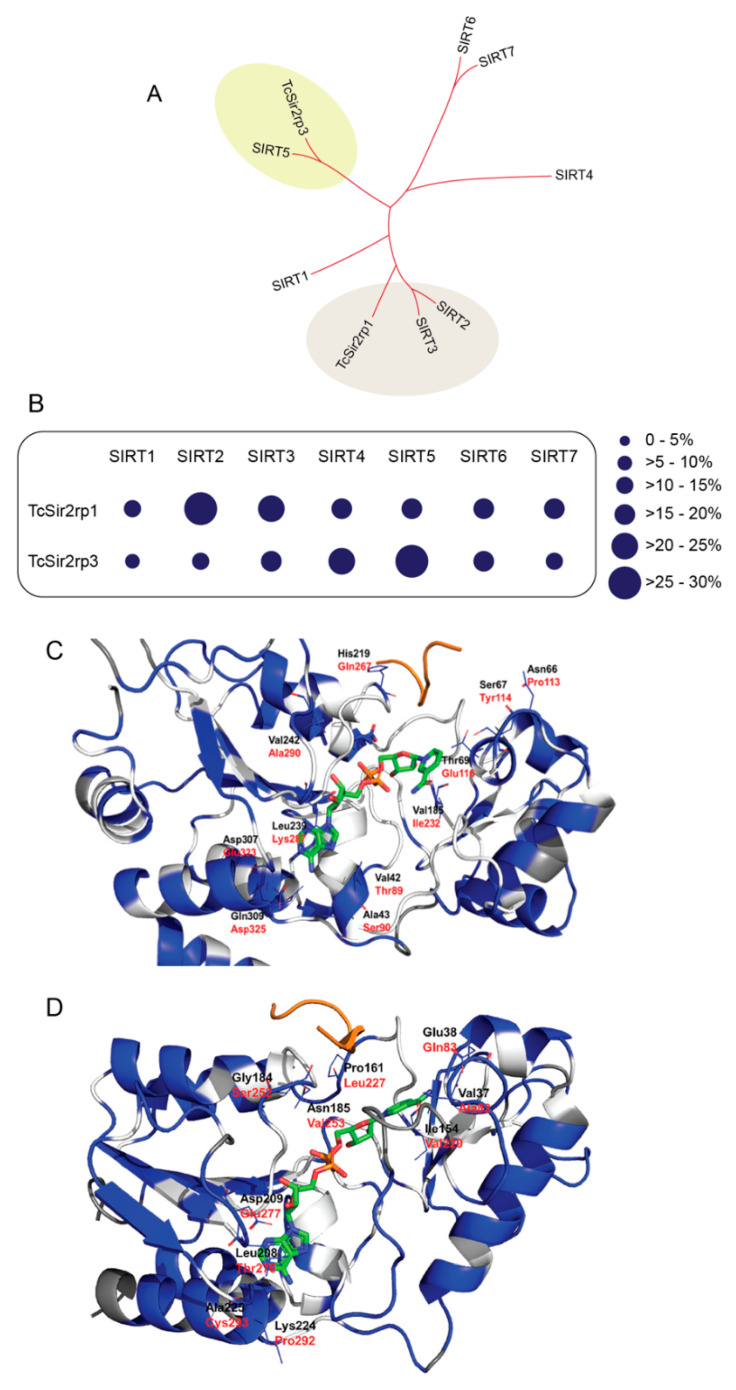
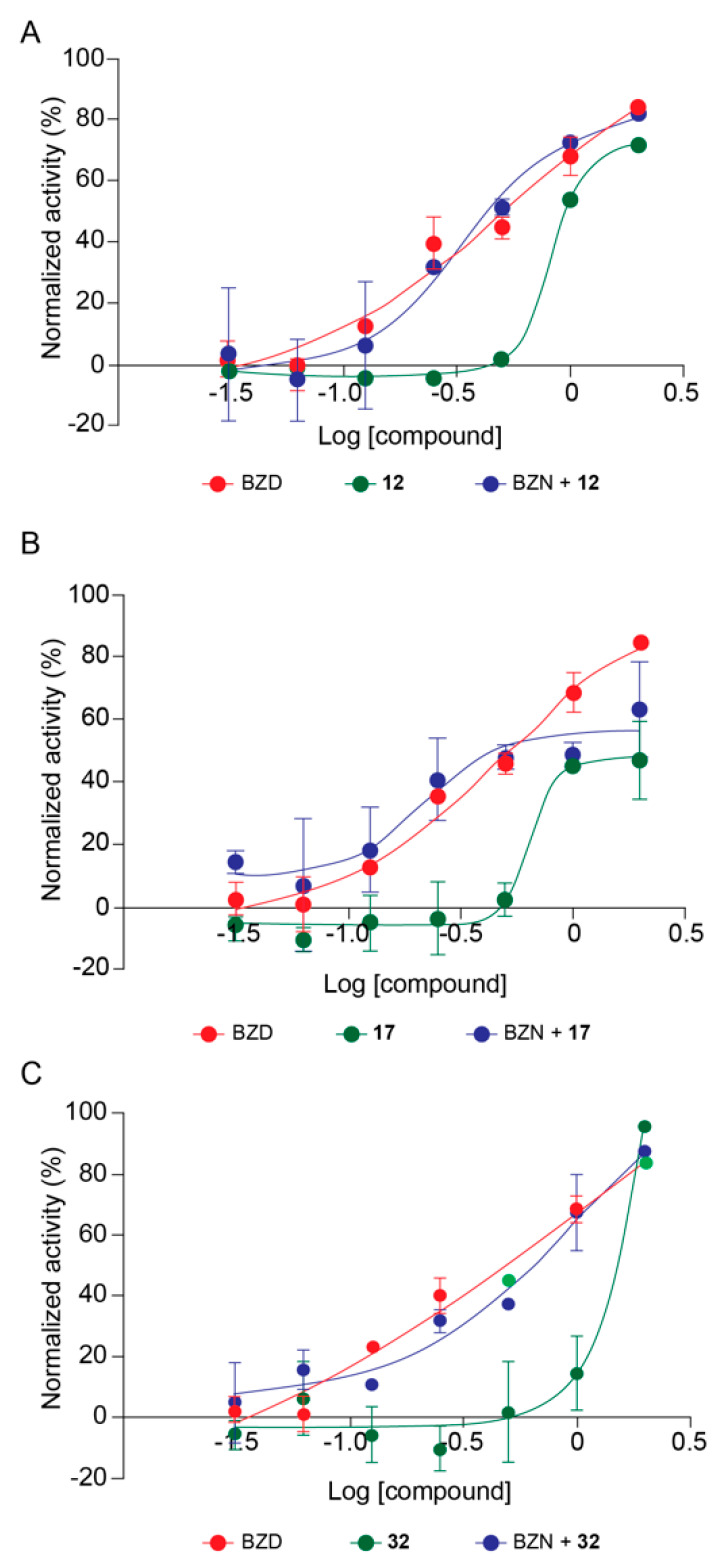
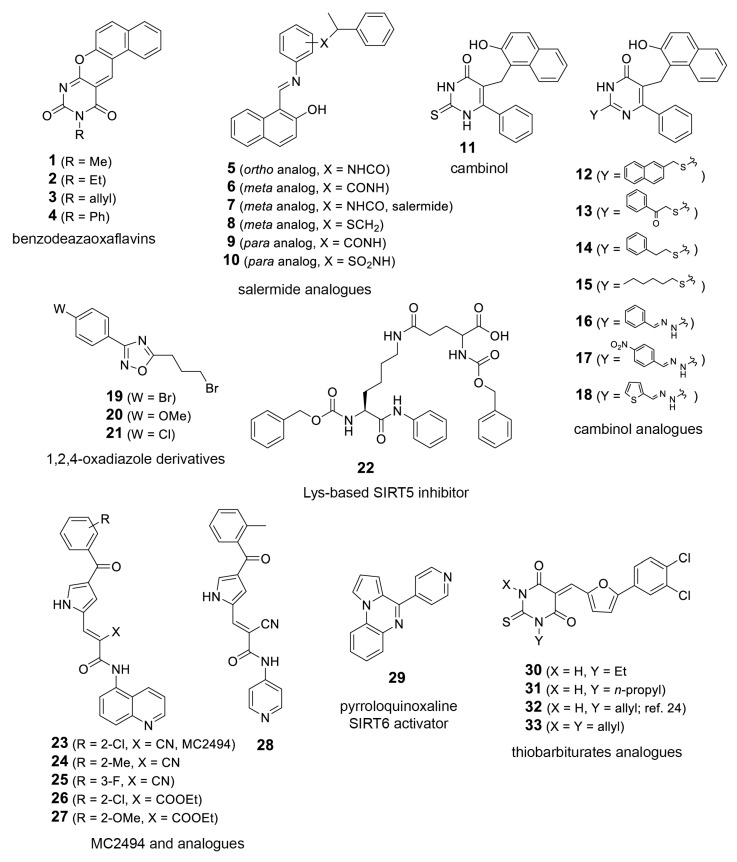
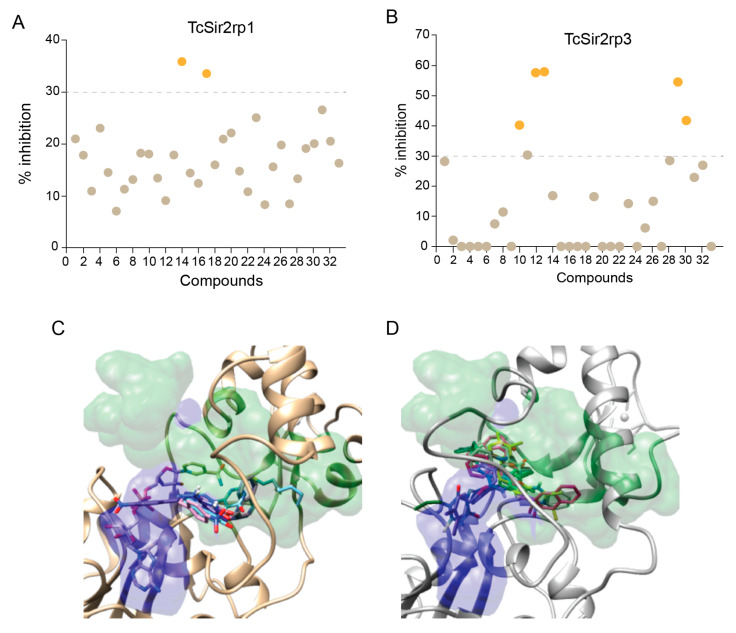
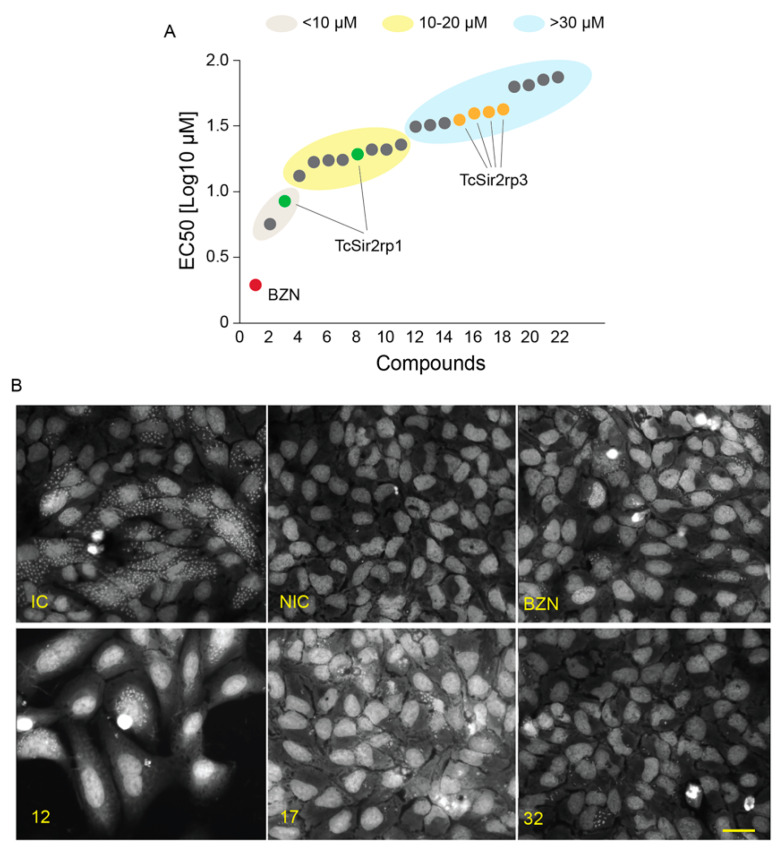
Chagas disease is an illness caused by the protozoan parasite , affecting more than 7 million people in the world. Benznidazole and nifurtimox are the only drugs available for treatment and in addition to causing several side effects, are only satisfactory in the acute phase of the disease. Sirtuins are NAD-dependent deacetylases involved in several biological processes, which have become drug target candidates in various disease settings. presents two sirtuins, one cytosolic (TcSir2rp1) and the latter mitochondrial (TcSir2rp3). Here, we characterized the effects of human sirtuin inhibitors against sirtuins as an initial approach to develop specific parasite inhibitors. We found that, of 33 compounds tested, two inhibited TcSir2rp1 ( and ), while other five inhibited TcSir2rp3 (, , , , and ), indicating that specific inhibitors can be devised for each one of the enzymes. Furthermore, all inhibiting compounds prevented parasite proliferation in cultured mammalian cells. When combining the most effective inhibitors with benznidazole at least two compounds, and , demonstrated synergistic effects. Altogether, these results support the importance of exploring sirtuins as drug targets and provide key elements to develop specific inhibitors for these enzymes as potential targets for Chagas disease treatment.
恰加斯病是一种由原生动物寄生虫引起的疾病,影响着全球超过 700 万人。目前仅有苯唑硝唑和硝呋替莫可用于治疗,除了会引起多种副作用外,这两种药物仅在疾病的急性阶段才有效。沉默信息调节因子 2 相关酶 1(Sirtuins)是一种依赖烟酰胺腺嘌呤二核苷酸(NAD)的去乙酰化酶,参与多种生物学过程,已成为各种疾病治疗靶点的候选药物。本文介绍了两种恰加斯虫 Sirtuins,一种是细胞质(TcSir2rp1),另一种是线粒体(TcSir2rp3)。在这里,我们研究了人类 Sirtuins 抑制剂对 Sirtuins 的作用,作为开发针对寄生虫的特异性抑制剂的初步方法。我们发现,在测试的 33 种化合物中,有两种抑制了 TcSir2rp1(和),而另外五种抑制了 TcSir2rp3(、、、和),这表明可以针对每种酶设计特异性抑制剂。此外,所有具有抑制作用的化合物都能阻止寄生虫在培养的哺乳动物细胞中增殖。当将最有效的抑制剂与苯唑硝唑联合使用时,至少有两种化合物(和)表现出协同作用。综上所述,这些结果支持将恰加斯病 Sirtuins 作为药物靶点进行探索的重要性,并为开发针对这些酶的特异性抑制剂提供了关键要素,这些抑制剂可能成为恰加斯病治疗的潜在靶点。