Department of Microbiology, Kasturba Medical College, Manipal, Manipal Academy of Higher Education, Manipal, Karnataka, India.
Department of Critical Care, Vall d'Hebron Research Institute; Clinical Research & Innovation in Pneumonia and Sepsis, Barcelona, Spain.
Indian J Med Res. 2020 Apr;151(4):287-302. doi: 10.4103/ijmr.IJMR_1678_19.
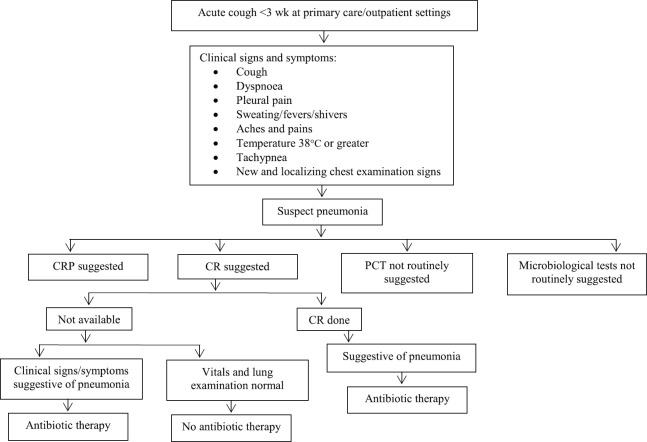
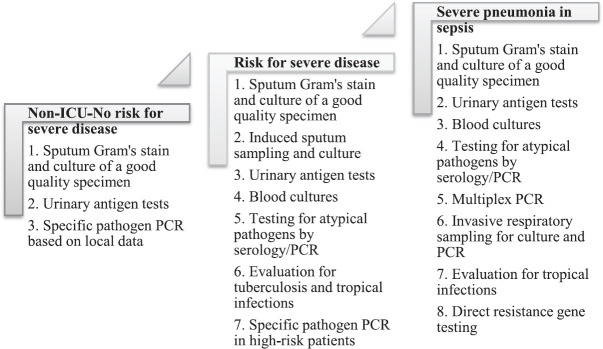
Community-acquired pneumonia (CAP) is the prominent cause of mortality and morbidity with important clinical impact across the globe. India accounts for 23 per cent of global pneumonia burden with case fatality rates between 14 and 30 per cent, and Streptococcus pneumoniae is considered a major bacterial aetiology. Emerging pathogens like Burkholderia pseudomallei is increasingly recognized as an important cause of CAP in Southeast Asian countries. Initial management in the primary care depends on clinical assessment while the hospitalized patients require combinations of clinical scores, chest radiography and various microbiological and biomarker assays. This comprehensive diagnostic approach together with additional sampling and molecular tests in selected high-risk patients should be practiced. Inappropriate therapy in CAP in hospitalized patients lengthens hospital stay and increases cost and mortality. In addition, emergence of multidrug-resistant organisms poses tough challenges in deciding empirical as well as definitive therapy. Developing local evidence on the cause and management should be a priority to improve health outcomes in CAP.
社区获得性肺炎(CAP)是全球范围内导致死亡率和发病率较高的重要疾病,具有重要的临床影响。印度占全球肺炎负担的 23%,病死率在 14%至 30%之间,肺炎链球菌被认为是主要的细菌病因。伯氏疏螺旋体等新兴病原体在东南亚国家日益被认为是 CAP 的重要病因。初级保健中的初始管理取决于临床评估,而住院患者需要结合临床评分、胸部 X 光检查以及各种微生物和生物标志物检测进行治疗。应采用这种全面的诊断方法,并在选定的高危患者中进行额外的采样和分子检测。住院患者中 CAP 的不适当治疗会延长住院时间,增加成本和死亡率。此外,多药耐药菌的出现给经验性和确定性治疗的决策带来了严峻挑战。制定关于病因和管理的本地证据应是改善 CAP 患者健康结果的优先事项。