Hiramoto Rika, Miyachi Mitsuru, Nitta Yoshihiro, Yoshida Hideki, Kuwahara Yasumichi, Tsuchiya Kunihiko, Iehara Tomoko, Yarita Kyoko, Kamei Katsuhiko, Hosoi Hajime
Department of Pediatrics, Graduate School of Medical Science, Kyoto Prefectural University of Medicine, 465 Kajii-cho, Hirokoji, Kamigyo-ku, Kyoto, 602-8566, Japan.
Medical Mycology Research Center, Chiba University, Chiba, Japan.
IDCases. 2020 May 11;20:e00760. doi: 10.1016/j.idcr.2020.e00760. eCollection 2020.
although rarely causing mucormycosis, is responsible for the highest mortality among mucormycetes. The diagnosis of mucormycosis is challenged by the absence of specific biomarkers. Herein, we report a fatal case of infection and detection of its DNA in the serum by polymerase chain reaction (PCR).
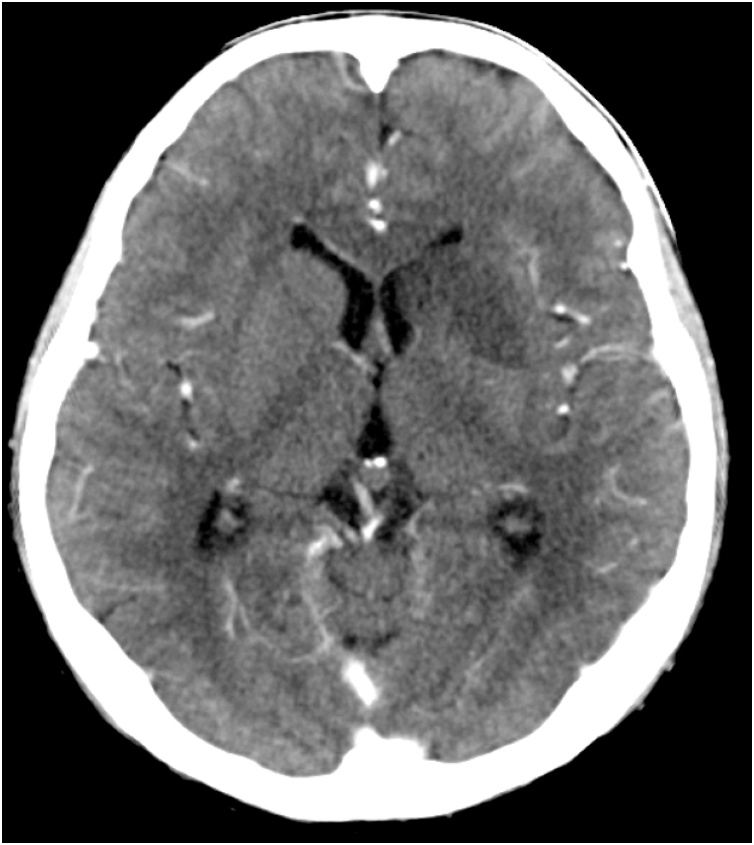
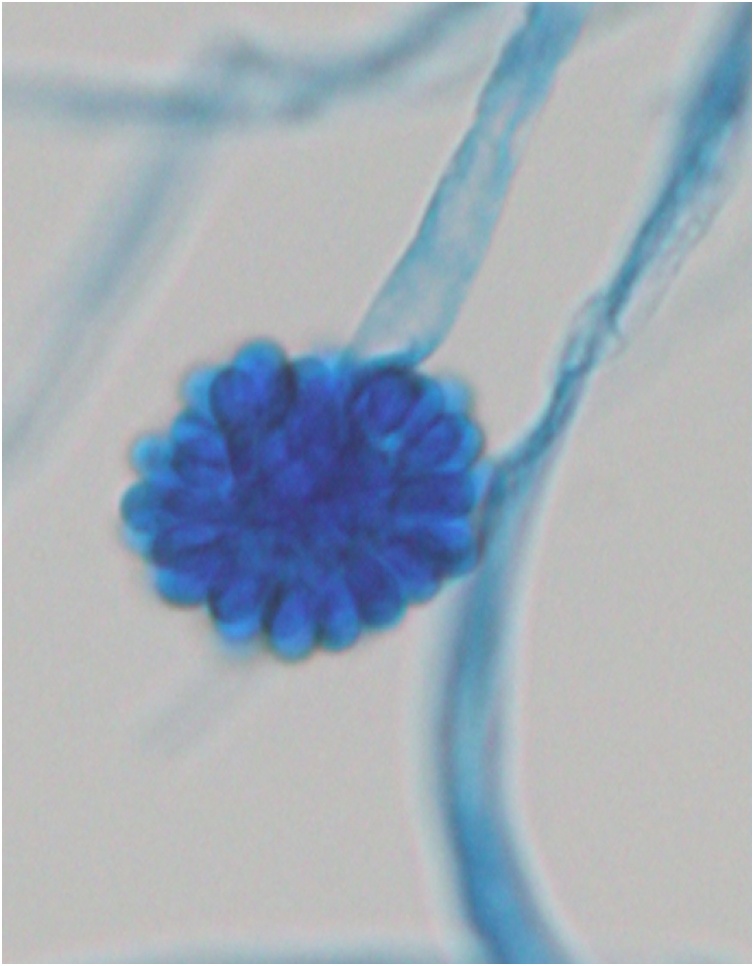
A 23-year-old male with refractory osteosarcoma was admitted with multiple lung metastases. He was on oral voriconazole prophylaxis after pulmonary aspergillosis. He suffered from fever during temporary neutropenia following chemotherapy and showed several neurological and respiratory symptoms. Despite liposomal-amphotericin B administration, the symptoms rapidly progressed, and he died five days after the onset of neurological symptoms.We retrospectively evaluated the filamentous fungus isolated after his death from gastric juices. Based on the sequence of the internal transcribed spacer (ITS) region we identified the fungal isolate as . A 146-bp portion of the D1/D2 region was quantified by quantitative-PCR using DNA extracted from the serum. DNA load in the serum was 18.0 copies/μL on the day of onset of neurological symptoms, with the highest (101.0 copies/μL) on the day of his death.
Detection of circulating DNA of mucormycetes in the blood would greatly enhance the diagnosis of mucormycosis. Rapid diagnosis might alleviate mortality due to mucormycosis.
The present case-report suggests that the quantification of DNA in the serum could be useful for the diagnosis and evaluation of mucormycosis pathogenesis in patients.
虽然很少引起毛霉病,但在毛霉目中导致的死亡率最高。毛霉病的诊断因缺乏特异性生物标志物而面临挑战。在此,我们报告一例致命的感染病例,并通过聚合酶链反应(PCR)在血清中检测到其DNA。
一名23岁患有难治性骨肉瘤的男性因多处肺转移入院。他在发生肺曲霉菌病后接受口服伏立康唑预防治疗。在化疗后出现短暂中性粒细胞减少期间他发热,并表现出多种神经和呼吸症状。尽管给予了脂质体两性霉素B治疗,但症状迅速进展,他在神经症状出现后五天死亡。我们回顾性评估了他死后从胃液中分离出的丝状真菌。根据内转录间隔区(ITS)区域的序列,我们将该真菌分离株鉴定为 。使用从血清中提取的DNA,通过定量PCR对D1/D2区域的146碱基对部分进行定量。神经症状出现当天血清中的DNA载量为18.0拷贝/微升,在他死亡当天最高(101.0拷贝/微升)。
检测血液中毛霉菌的循环DNA将极大地提高毛霉病的诊断水平。快速诊断可能会降低毛霉病导致的死亡率。
本病例报告表明,血清中DNA的定量可能有助于诊断和评估患者毛霉病的发病机制。