Heimesaat Markus M, Mousavi Soraya, Kløve Sigri, Genger Claudia, Weschka Dennis, Giladi Eliezer, Bereswill Stefan, Gozes Illana
Institute of Microbiology, Infectious Diseases and Immunology, Charité-University Medicine Berlin, Corporate Member of Freie Universität Berlin, Humboldt-Universität zu Berlin, and Berlin Institute of Health, 12203 Berlin, Germany.
Department of Human Molecular Genetics and Biochemistry, Sackler Faculty of Medicine, Sagol School of Neuroscience and Adams Super Center for Brain Studies, Tel Aviv University, Tel Aviv 69978, Israel.
Microorganisms. 2020 May 26;8(6):802. doi: 10.3390/microorganisms8060802.
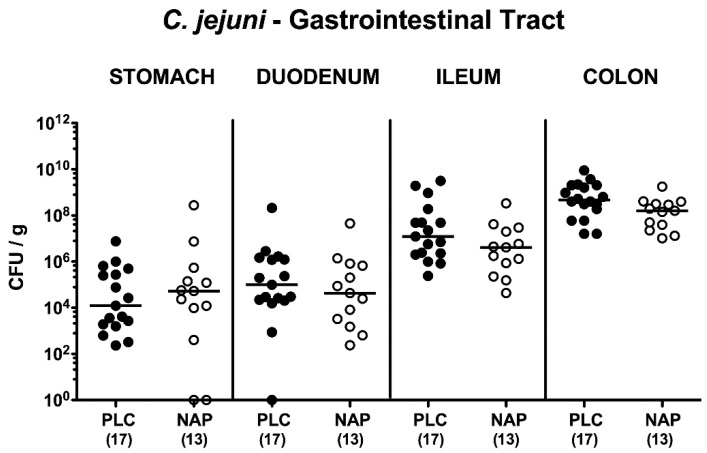
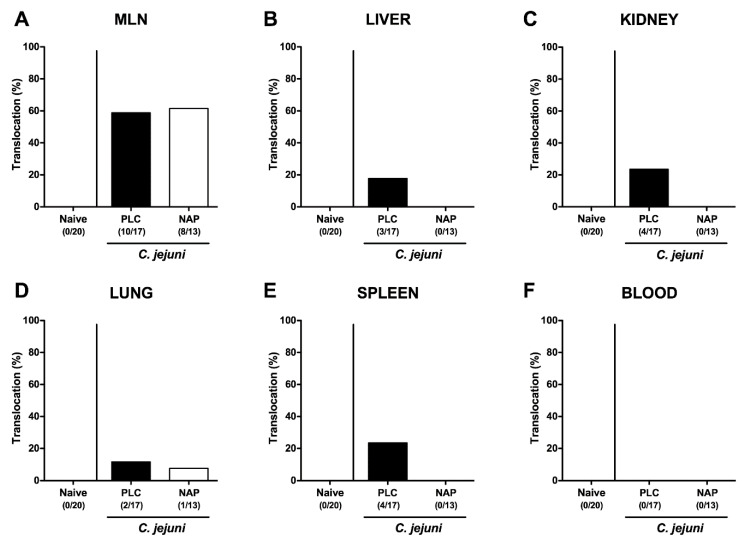
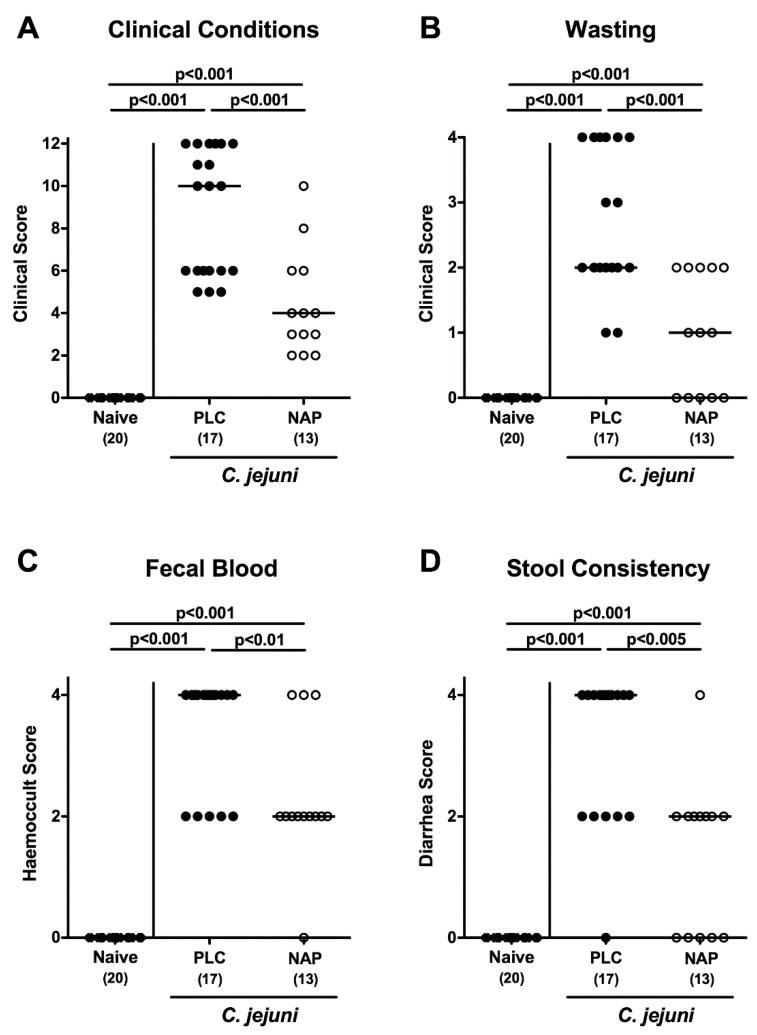
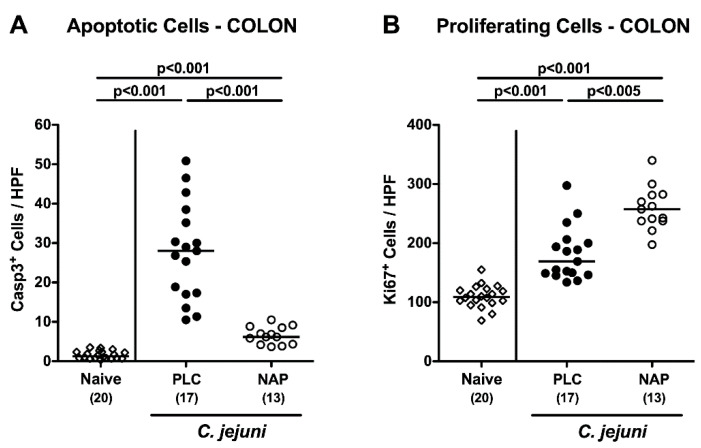
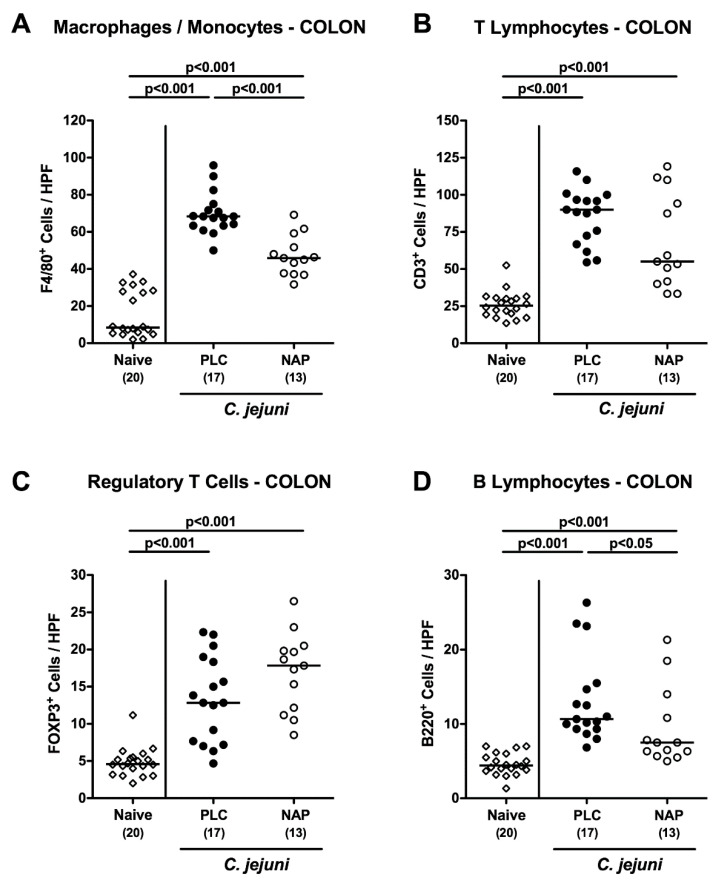
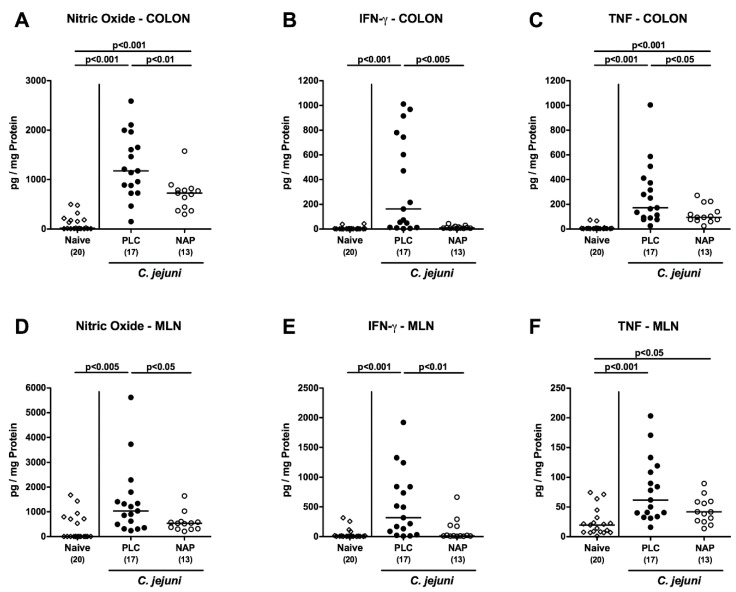
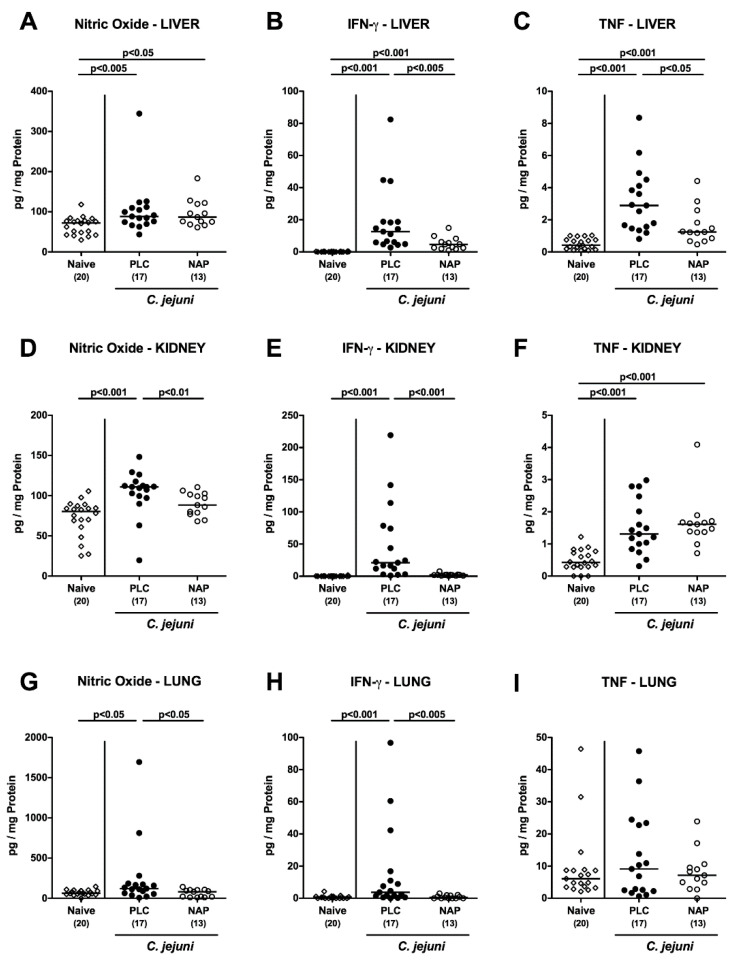
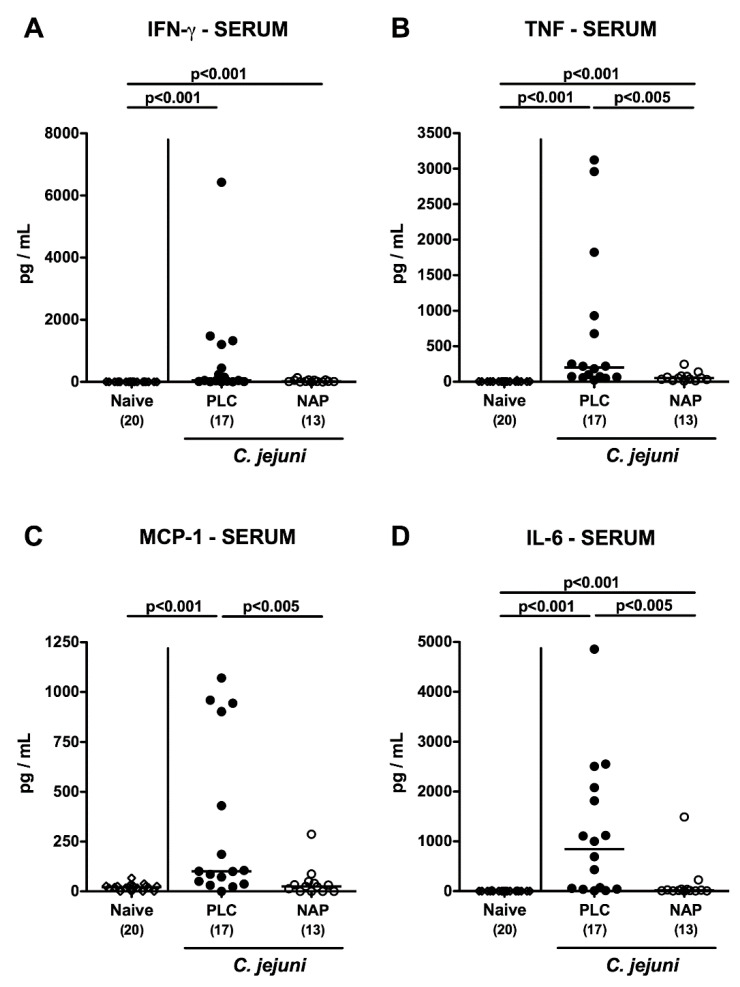
Human infections with the food-borne zoonotic pathogen are progressively rising and constitute serious global public health and socioeconomic burdens. Hence, application of compounds with disease-alleviating properties are required to combat campylobacteriosis and post-infectious sequelae. In our preclinical intervention study applying an acute induced enterocolitis model, we surveyed the anti-pathogenic and immune-modulatory effects of the octapeptide NAP which is well-known for its neuroprotective and anti-inflammatory properties. Therefore, secondary abiotic IL-10 mice were perorally infected with and intraperitoneally treated with synthetic NAP from day 2 until day 5 post-infection. NAP-treatment did not affect gastrointestinal colonization but could alleviate clinical signs of infection that was accompanied by less pronounced apoptosis of colonic epithelial cells and enhancement of cell regenerative measures on day 6 post-infection. Moreover, NAP-treatment resulted in less distinct innate and adaptive pro-inflammatory immune responses that were not restricted to the intestinal tract but could also be observed in extra-intestinal and even systemic compartments. NAP-treatment further resulted in less frequent translocation of viable pathogens from the intestinal tract to extra-intestinal including systemic tissue sites. For the first time, we here provide evidence that NAP application constitutes a promising option to combat acute campylobacteriosis.
食源性人畜共患病原体导致的人类感染病例正在逐渐增加,并构成了严重的全球公共卫生和社会经济负担。因此,需要应用具有缓解疾病特性的化合物来对抗弯曲杆菌病和感染后后遗症。在我们应用急性诱导性小肠结肠炎模型的临床前干预研究中,我们研究了以其神经保护和抗炎特性而闻名的八肽NAP的抗病原和免疫调节作用。因此,从感染后第2天到第5天,对继发性非生物IL-10小鼠进行口服感染,并腹腔注射合成的NAP进行治疗。NAP治疗并不影响胃肠道的定植,但可以减轻感染的临床症状,感染后第6天结肠上皮细胞凋亡不那么明显,细胞再生措施增强。此外,NAP治疗导致先天性和适应性促炎免疫反应不那么明显,这种反应不仅限于肠道,在肠道外甚至全身也能观察到。NAP治疗还使活病原体从肠道向肠道外包括全身组织部位的易位频率降低。我们首次在此提供证据表明,应用NAP是对抗急性弯曲杆菌病的一个有前景的选择。