Division of Food Sciences, University of Nottingham, Sutton Bonington Campus, Loughborough LE12 5RD, UK.
Department of Food Engineering, Universidade Estadual Do Centro-Oeste - Unicentro, Paraná, Brazil.
Food Res Int. 2020 Jul;133:109197. doi: 10.1016/j.foodres.2020.109197. Epub 2020 Mar 24.
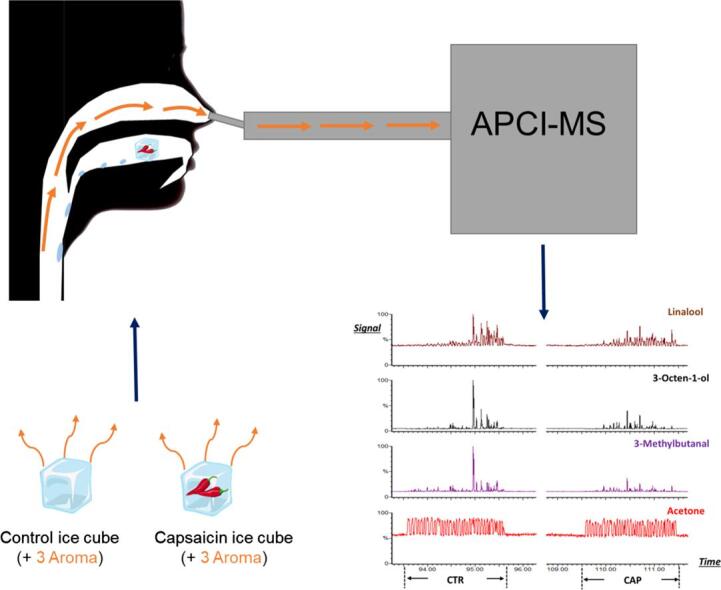
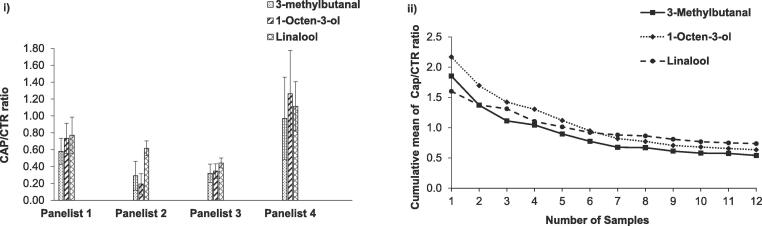
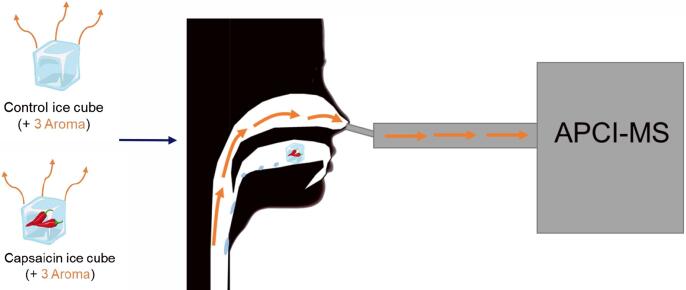
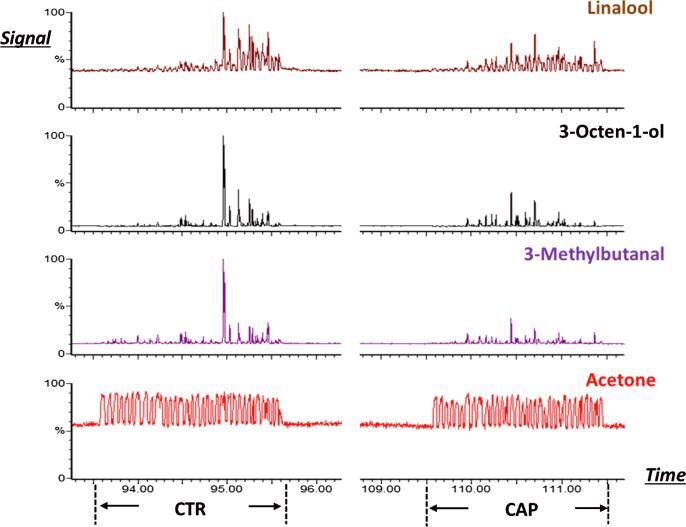
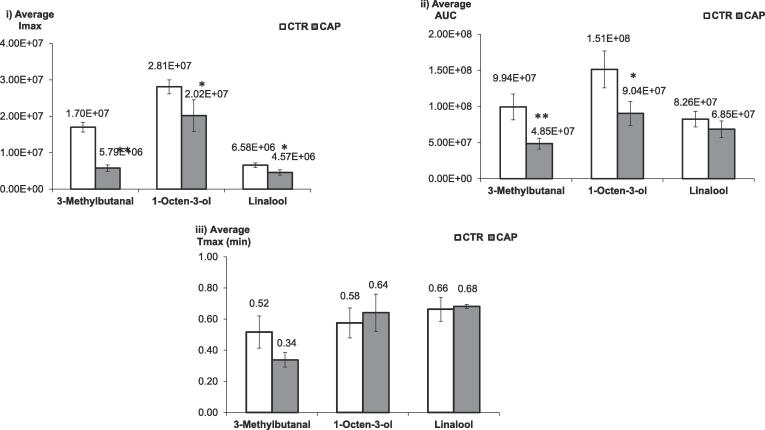
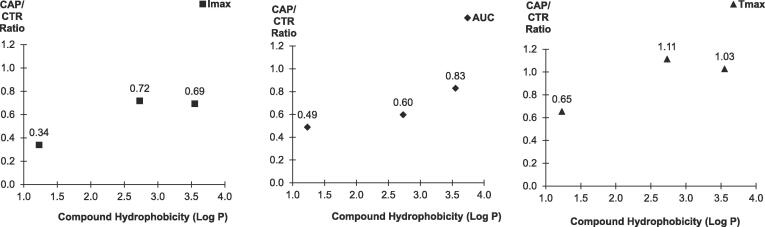
Capsaicin is the main bioactive compound in chili pepper that leads to the perception of "spiciness". However, the effect of capsaicin on aroma release in the nose remains unexplained. This is the first study designed to measure capsaicin's impact on aroma release during consumption. In vitro studies, using static headspace analysis by atmospheric pressure chemical ionization-mass spectrometry (APCI-MS), showed no impact of capsaicin (5 ppm) on the gas-liquid partitioning equilibria of a range of aroma compounds. However, a significant reduction in aroma release was observed in vivo, during oral melting of a model ice cube system (p < 0.05) included 5 ppm capsaicin. The total release of aroma into the nasal cavity was decreased, such that only 49% of 3-methylbutanal, 60% of 1-octen-3-ol and 83% of linalool was released. This is the first evidence of capsaicin's reduction effect on aroma release during consumption. It was also found that 5 ppm capsaicin increased saliva secretion by 75%, which may have led to the dilution of aroma compounds in the mouth and directly impacted the aroma release into the nasal cavity. The most hydrophilic compound (3-methylbutanal) was affected by capsaicin to a greater extent than the hydrophobic compound (linalool), the solvent effect of the additional saliva may explain this.
辣椒素是辣椒中导致“辣味”感知的主要生物活性化合物。然而,辣椒素对鼻子中香气释放的影响仍未得到解释。这是首次旨在测量辣椒素在消费过程中对香气释放影响的研究。使用大气压化学电离-质谱(APCI-MS)的静态顶空分析的体外研究表明,辣椒素(5ppm)对一系列香气化合物的气液分配平衡没有影响。然而,在体内观察到香气释放的显著减少,在含有 5ppm 辣椒素的模型冰块系统的口腔融化过程中(p<0.05)。释放到鼻腔中的总香气减少,使得只有 3-甲基丁醛的 49%、1-辛烯-3-醇的 60%和芳樟醇的 83%被释放。这是首次证明辣椒素在消费过程中对香气释放的减少作用的证据。还发现 5ppm 辣椒素使唾液分泌增加了 75%,这可能导致口中香气化合物的稀释,并直接影响香气释放到鼻腔中。最亲水的化合物(3-甲基丁醛)比疏水性化合物(芳樟醇)受辣椒素的影响更大,额外唾液的溶剂效应可能解释了这一点。