Yang Ni, Yang Qian, Chen Jianshe, Fisk Ian
Division of Food, Nutrition and Dietetics, University of Nottingham, Sutton Bonington Campus, Loughborough, LE12 5RD, UK.
Lab of Food Oral Processing, School of Food Science and Biotechnology, Zhejiang Gongshang University, Hangzhou, China.
Lebensm Wiss Technol. 2021 Mar;138:110613. doi: 10.1016/j.lwt.2020.110613.
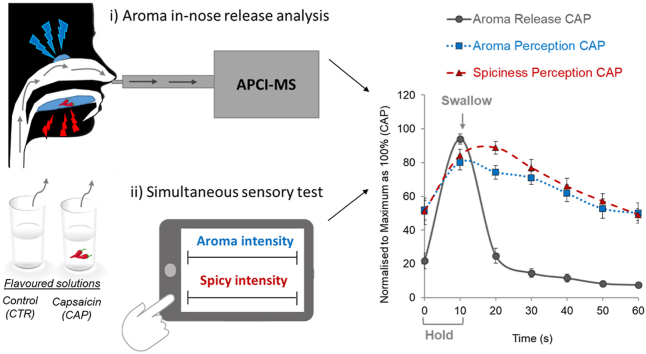
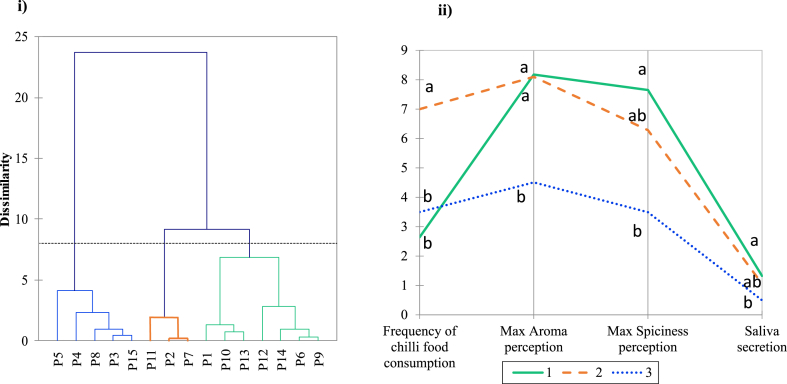
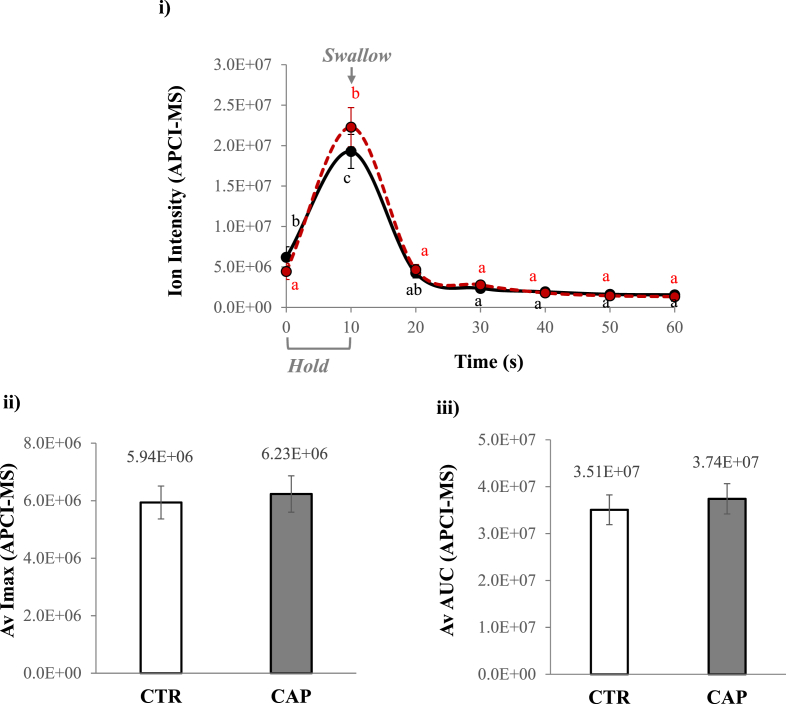
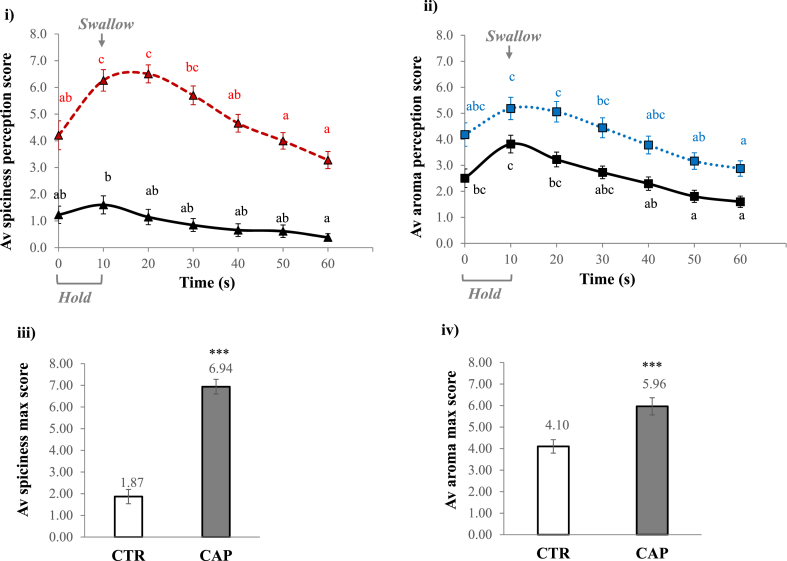
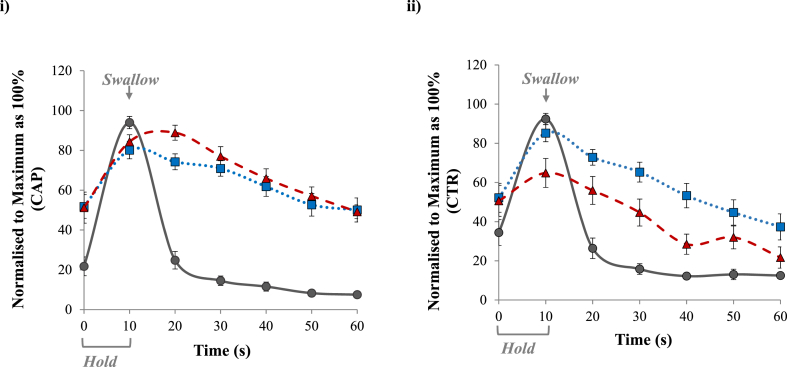
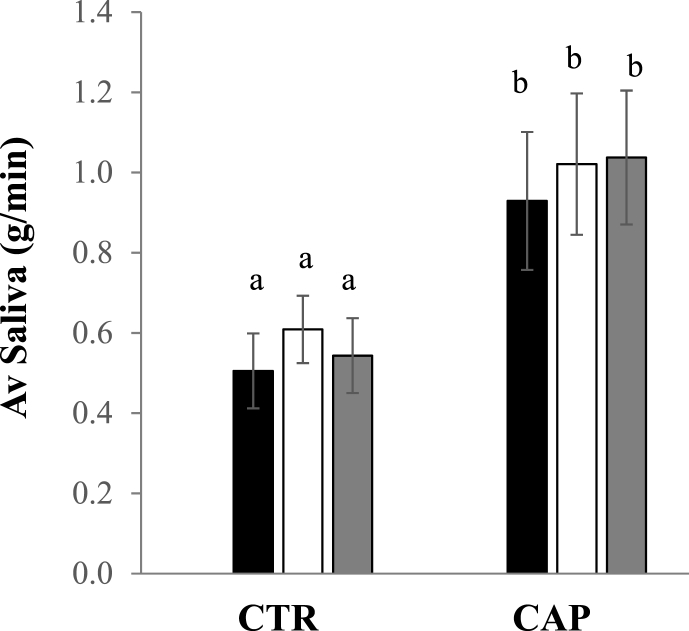
Capsaicin is the main component in chilli pepper, which contributes to the spiciness of the food. However, the role of capsaicin on aroma perception has been controversial in the literature. This is the first study exploring the impact of capsaicin on aroma release and perception simultaneously. Flavoured solutions with 3-methylbutanal (nutty note) were made with or without 5 mg/L capsaicin. Real-time APCI-MS analysis was applied to investigate in-nose aroma release during and after consumption of the solutions, and sensory tests were simultaneously conducted to reveal any temporal perception changes over 60 s. The results from 15 participants with triplicates indicated that capsaicin had no significant impact on aroma concentration from aqueous solutions, but the aroma perception rating was significantly higher (p < 0.0001), increasing by 45%. Capsaicin also enhanced average saliva flow by 92% (p < 0.0001), and lower saliva flow participants were found to have lower spiciness and aroma ratings.
辣椒素是辣椒中的主要成分,它赋予了食物辣味。然而,辣椒素对香气感知的作用在文献中一直存在争议。这是第一项同时探究辣椒素对香气释放和感知影响的研究。用或不用5毫克/升辣椒素配制了含有3 - 甲基丁醛(坚果味)的调味溶液。应用实时大气压化学电离质谱分析法来研究溶液饮用期间及之后鼻腔内的香气释放情况,同时进行感官测试以揭示60秒内任何时间感知的变化。15名参与者进行了三次重复实验,结果表明辣椒素对水溶液中的香气浓度没有显著影响,但香气感知评分显著更高(p < 0.0001),提高了45%。辣椒素还使平均唾液流量增加了92%(p < 0.0001),并且发现唾液流量较低的参与者辣味和香气评分也较低。