Department of Obstetrics, The Affiliated Hospital of Kunming University of Science and Technology, Kunming, Yunnan 650031, P.R. China.
Mol Med Rep. 2020 Aug;22(2):926-938. doi: 10.3892/mmr.2020.11184. Epub 2020 May 22.
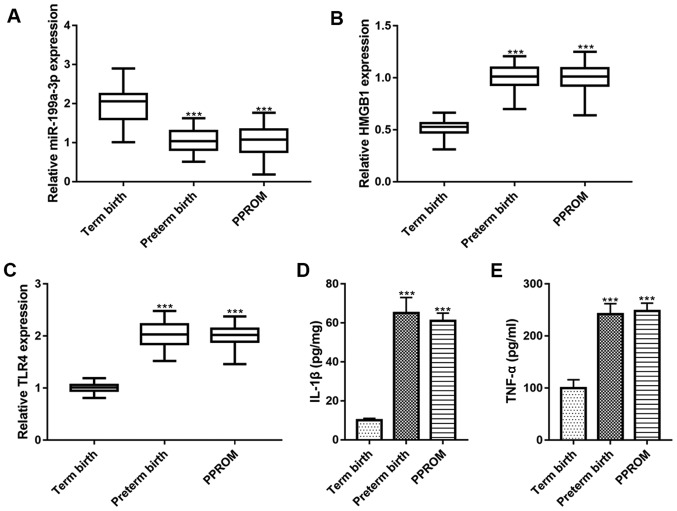
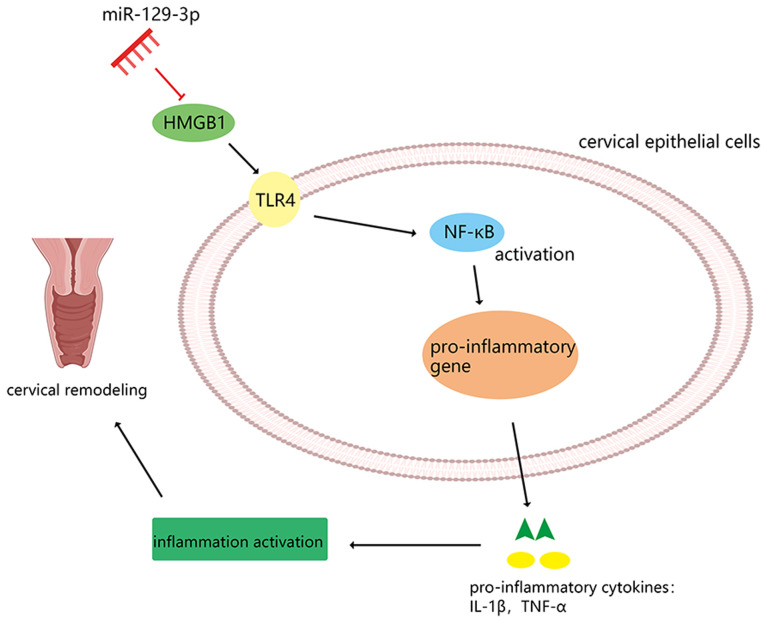
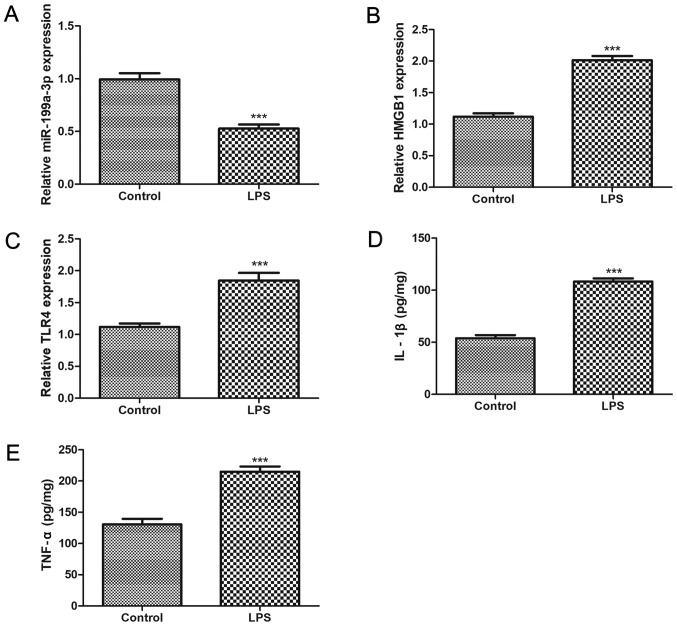
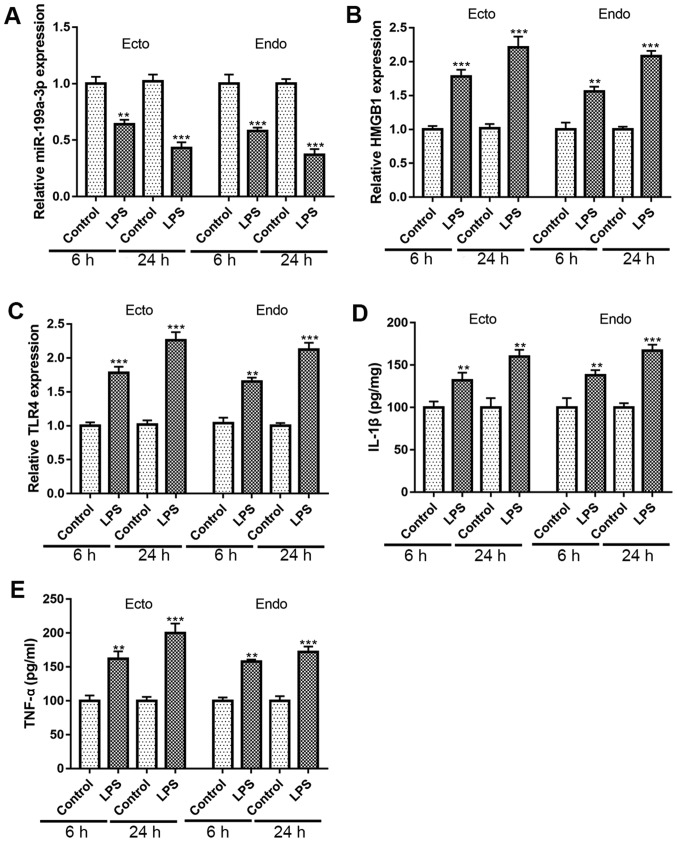
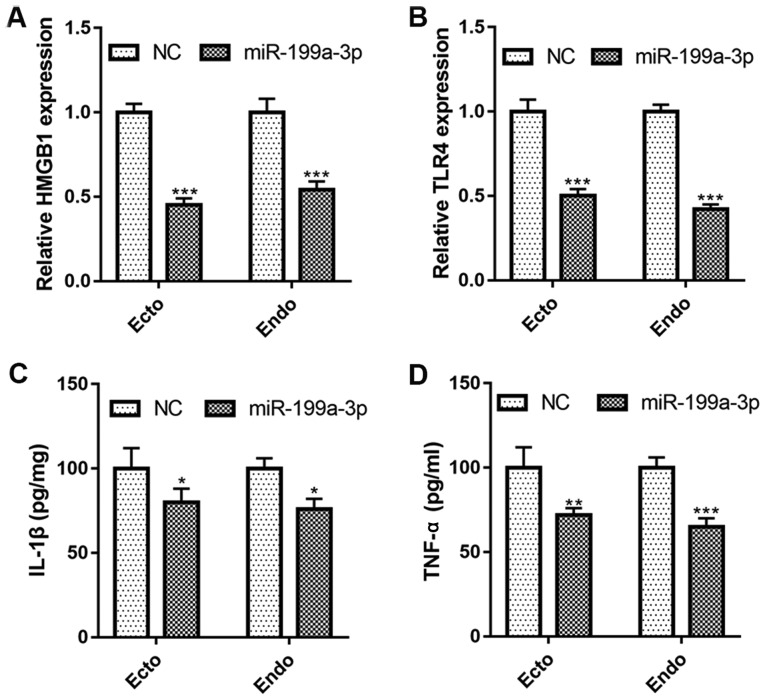
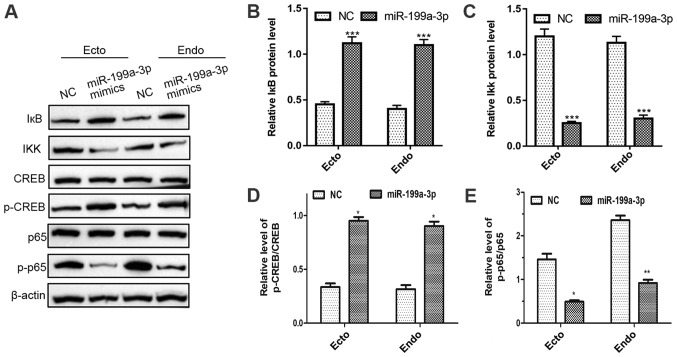
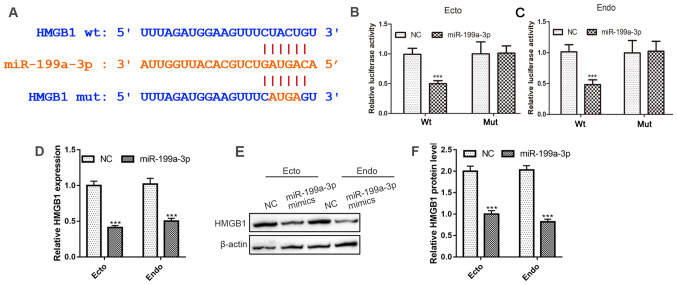
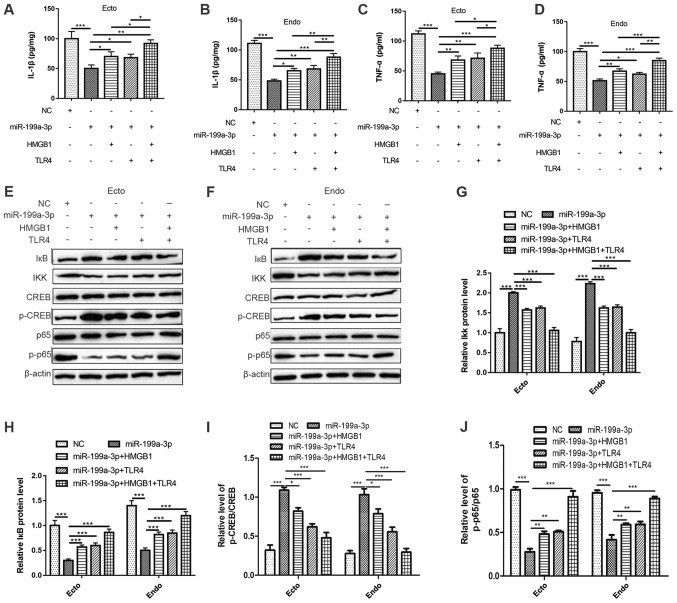
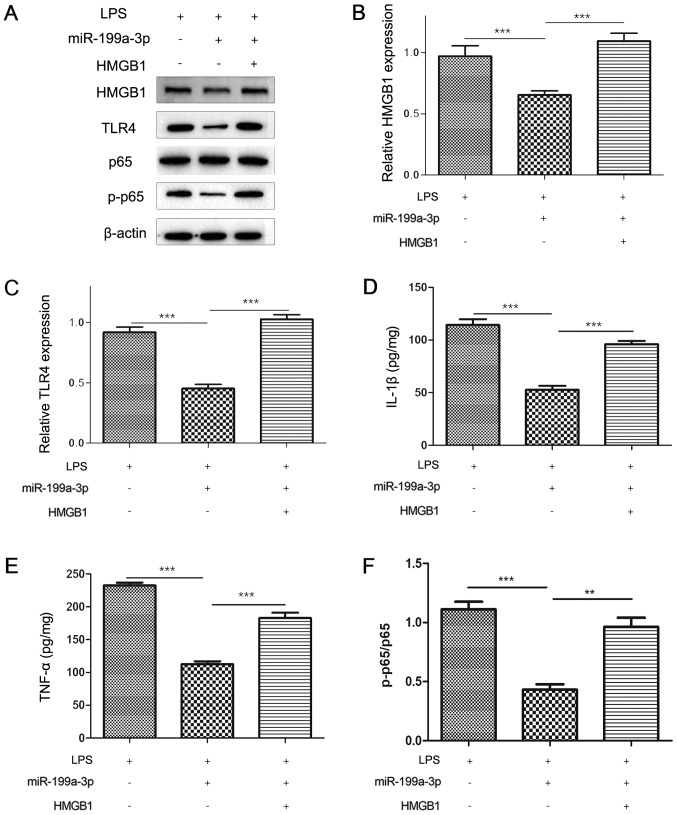
Preterm birth (PTB) is the primary cause of neonatal mortality worldwide. Infection and inflammation are considered to be the primary causes of PTB. Cervical remodeling is an important step in the process of preterm delivery, and the destruction of the cervical epithelial barrier and inflammation are important triggers of cervical remodeling. The aim of the present study was to determine the effect and underlying mechanism of microRNA (miR)‑199a‑3p/high‑mobility group box 1 protein (HMGB1) signaling in cervical epithelial inflammation in PTB. The results of this study revealed that miR‑199a‑3p was significantly decreased in cervical epithelial tissue samples from patients in both the preterm labor and preterm premature rupture of membrane groups. This decrease was also observed in tissue samples from a lipopolysaccharide (LPS)‑induced PTB mouse model and in LPS‑induced ectocervical and endocervical cells. Whereas, the expression of HMGB1 and toll‑like receptor 4 (TLR4) was significantly increased, which was associated with the upregulation of interleukin (IL)‑1β and tumor necrosis factor (TNF)‑α expression. Furthermore, overexpression of miR‑199a‑3p significantly suppressed the expression and activation of HMGB1 and TLR4/NF‑κB signaling, and decreased the levels of IL‑1β and TNF‑α in vitro and in vivo. Additionally, overexpression of HMGB1 and/or TLR4 reversed the anti‑inflammatory effects of miR‑199a‑3p mimics in vitro and in vivo. These results indicate that miR‑199a‑3p acts as a negative inflammatory regulator in PTB by targeting HMGB1 to regulate the TLR4/NF‑κB pathway.
早产(PTB)是全球新生儿死亡的主要原因。感染和炎症被认为是 PTB 的主要原因。宫颈重塑是早产过程中的重要步骤,而宫颈上皮屏障的破坏和炎症是宫颈重塑的重要触发因素。本研究旨在确定 microRNA(miR)-199a-3p/高迁移率族蛋白 1(HMGB1)信号在 PTB 宫颈上皮炎症中的作用及其潜在机制。本研究的结果表明,早产临产和早产胎膜早破组患者的宫颈上皮组织样本中 miR-199a-3p 表达显著降低。在脂多糖(LPS)诱导的 PTB 小鼠模型和 LPS 诱导的宫颈外口和宫颈内口细胞中也观察到了这种降低。然而,HMGB1 和 Toll 样受体 4(TLR4)的表达显著增加,与白细胞介素(IL)-1β和肿瘤坏死因子(TNF)-α表达的上调有关。此外,miR-199a-3p 的过表达显著抑制了 HMGB1 和 TLR4/NF-κB 信号通路的表达和激活,并降低了体外和体内的 IL-1β 和 TNF-α水平。此外,HMGB1 和/或 TLR4 的过表达逆转了 miR-199a-3p 模拟物在体外和体内的抗炎作用。这些结果表明,miR-199a-3p 通过靶向 HMGB1 调节 TLR4/NF-κB 通路,在 PTB 中作为负性炎症调节剂发挥作用。