Gastrointestinal Center, Sano Hospital, Hyogo 655-0031, Japan.
World J Gastroenterol. 2020 May 21;26(19):2276-2285. doi: 10.3748/wjg.v26.i19.2276.
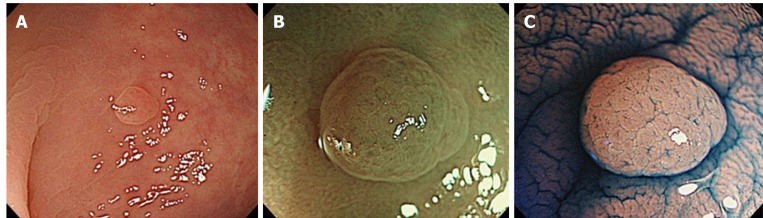
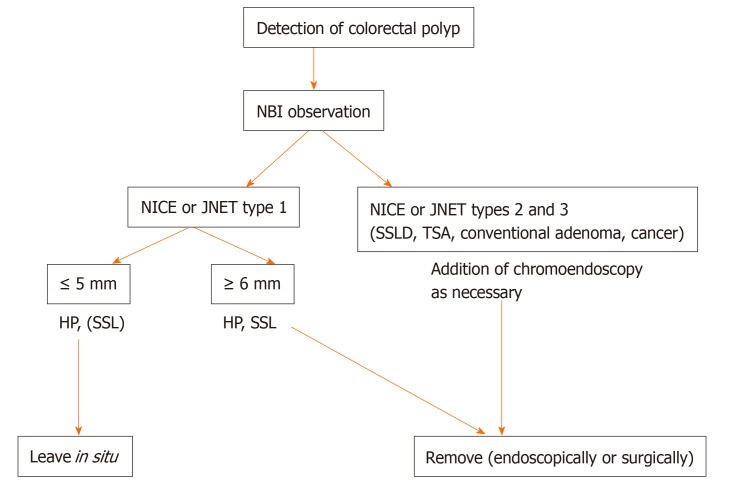
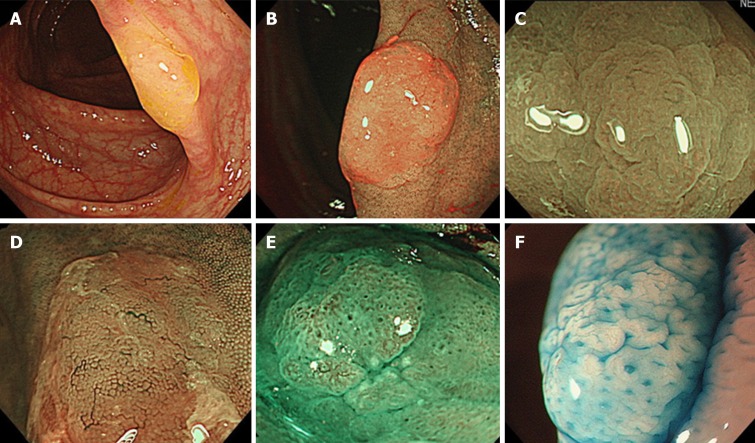
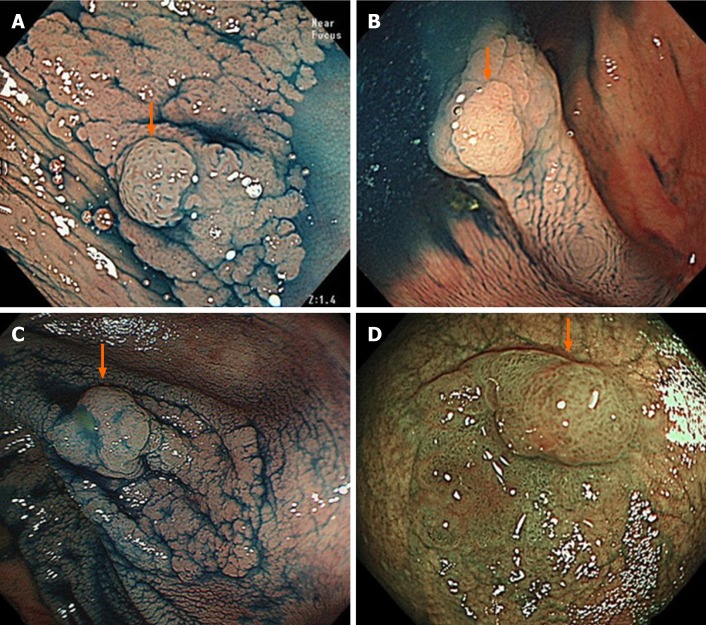
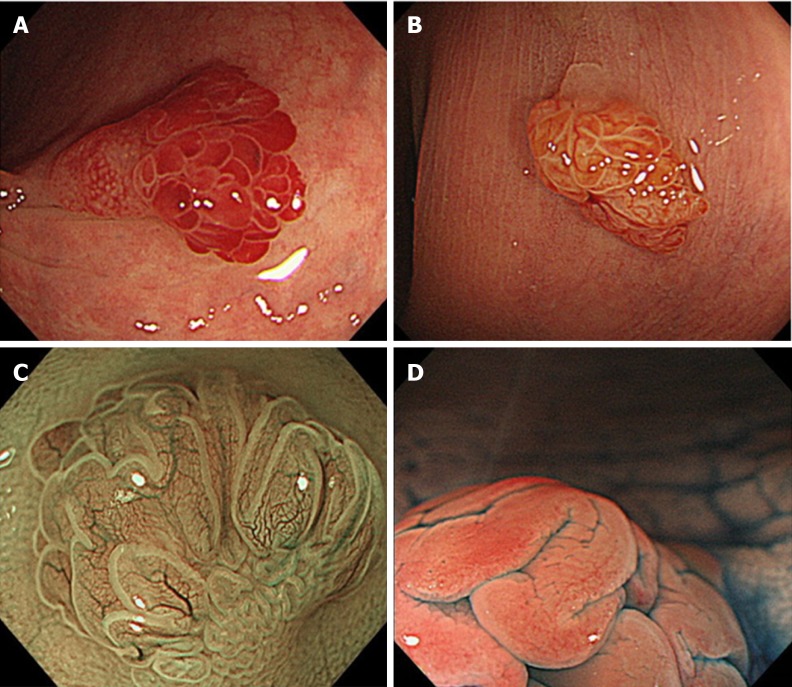
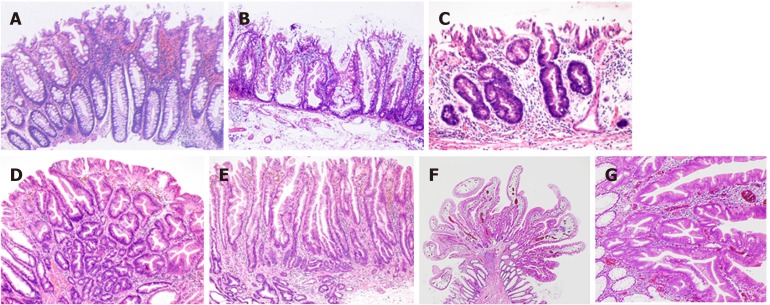
In recent years, the serrated neoplasia pathway where serrated polyps arise as a colorectal cancer has gained considerable attention as a new carcinogenic pathway. Colorectal serrated polyps are histopathologically classified into hyperplastic polyps (HPs), sessile serrated lesions, and traditional serrated adenomas; in the serrated neoplasia pathway, the latter two are considered to be premalignant. In western countries, all colorectal polyps, including serrated polyps, apart from diminutive rectosigmoid HPs are removed. However, in Asian countries, the treatment strategy for colorectal serrated polyps has remained unestablished. Therefore, in this review, we described the clinicopathological features of colorectal serrated polyps and proposed to remove HPs and sessile serrated lesions ≥ 6 mm in size, and traditional serrated adenomas of any size.
近年来,锯齿状肿瘤途径(锯齿状息肉是结直肠癌的一种)作为一种新的致癌途径引起了相当大的关注。结直肠锯齿状息肉在组织病理学上可分为增生性息肉(HPs)、无蒂锯齿状病变和传统锯齿状腺瘤;在锯齿状肿瘤途径中,后两者被认为是癌前病变。在西方国家,除了微小的直肠乙状结肠 HPs 之外,所有结直肠息肉(包括锯齿状息肉)都被切除。然而,在亚洲国家,结直肠锯齿状息肉的治疗策略仍未确定。因此,在这篇综述中,我们描述了结直肠锯齿状息肉的临床病理特征,并提出了切除 HPs 和无蒂锯齿状病变≥6mm 以及任何大小的传统锯齿状腺瘤的建议。