Leger Charles, Herbert Monique, DeSouza Joseph F X
Department of Psychology, York University, Toronto, ON, Canada.
Neuroscience Diploma, York University, Toronto, ON, Canada.
Front Neurol. 2020 May 11;11:364. doi: 10.3389/fneur.2020.00364. eCollection 2020.
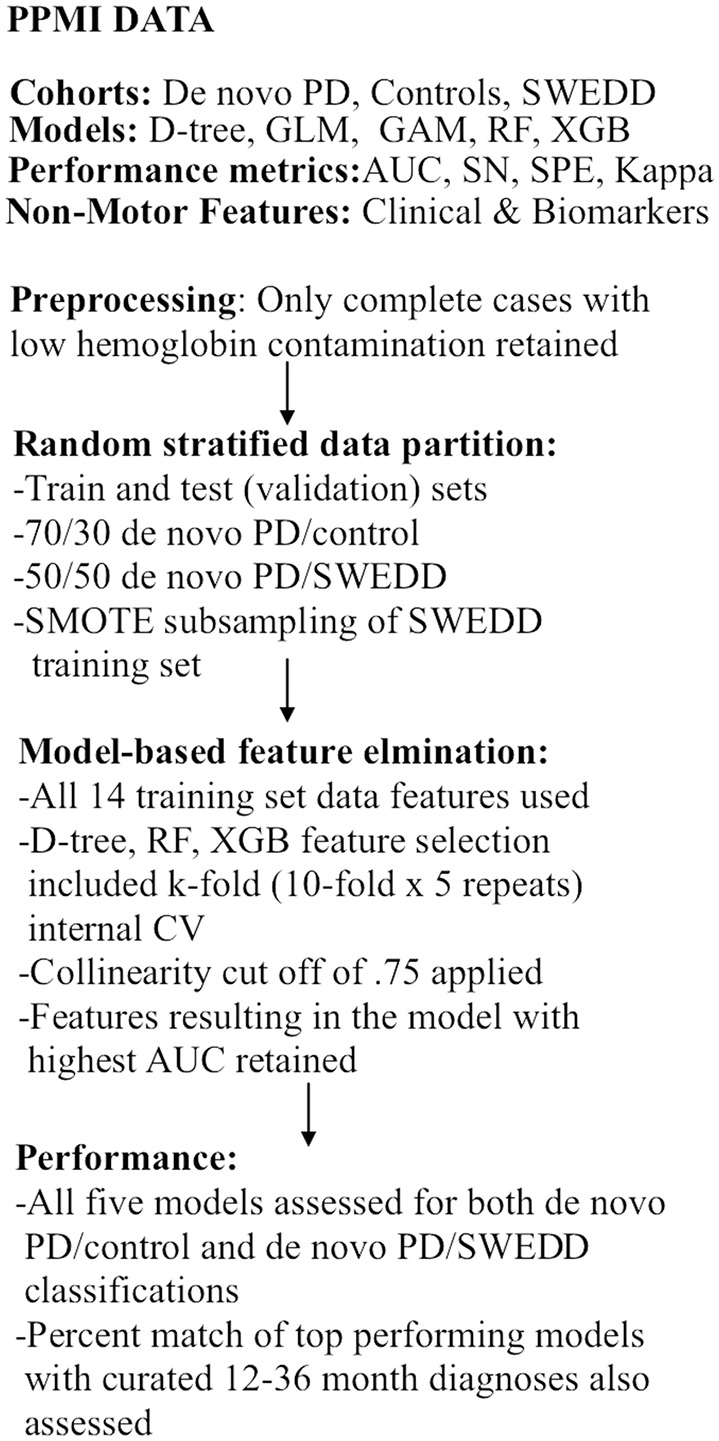
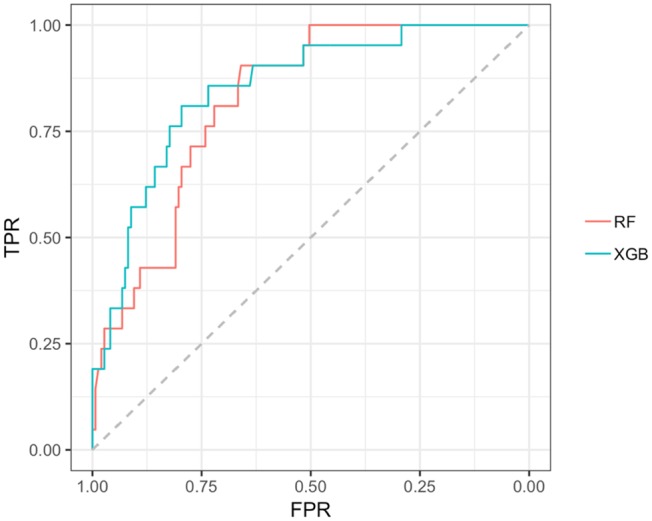
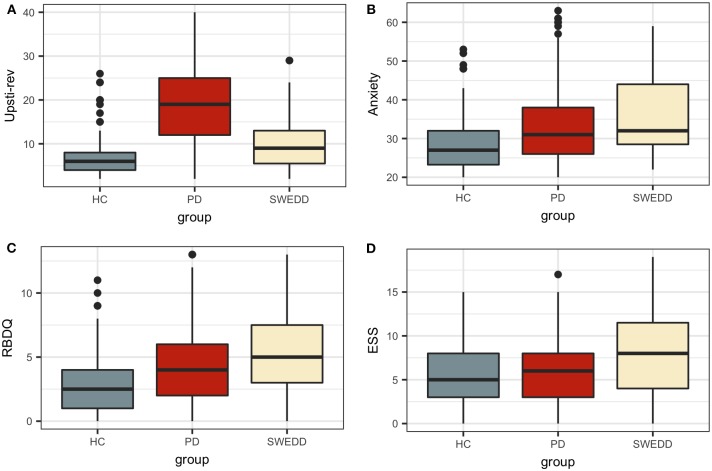
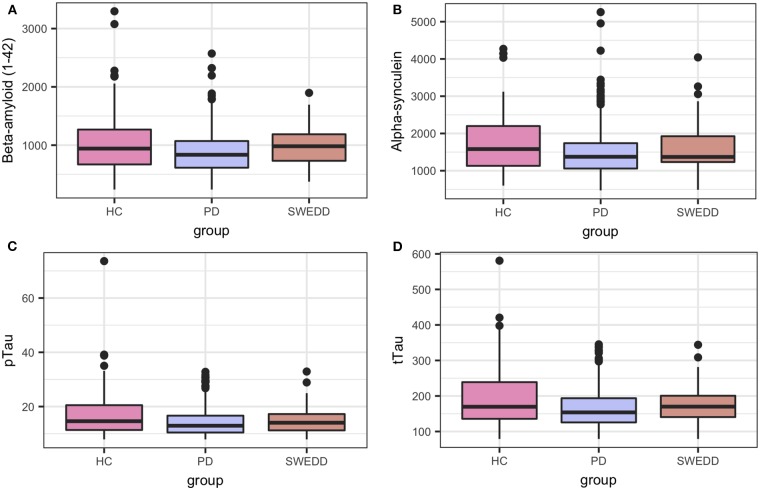
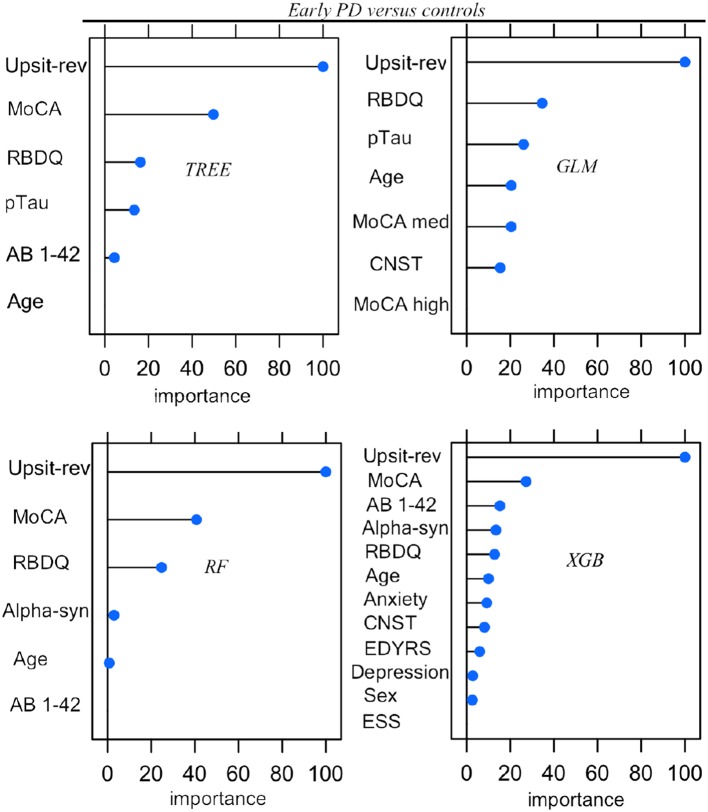
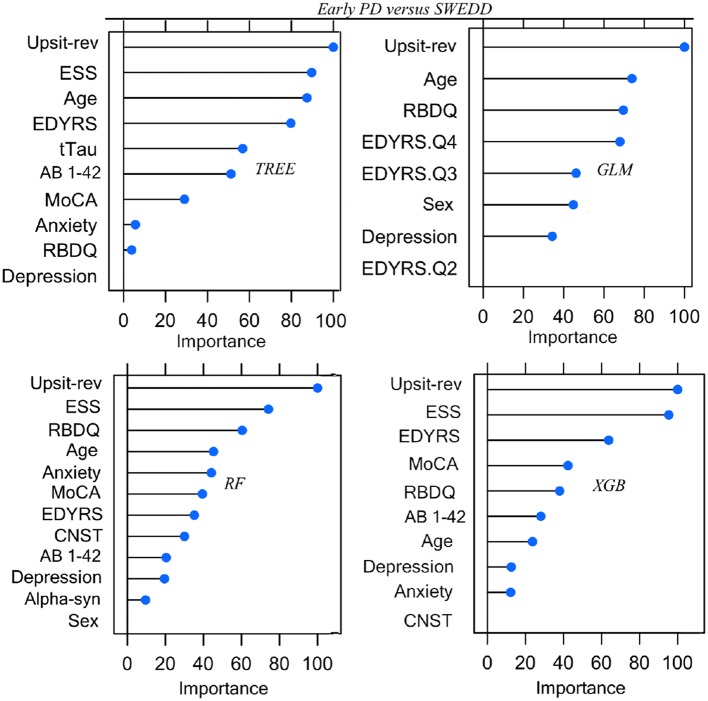
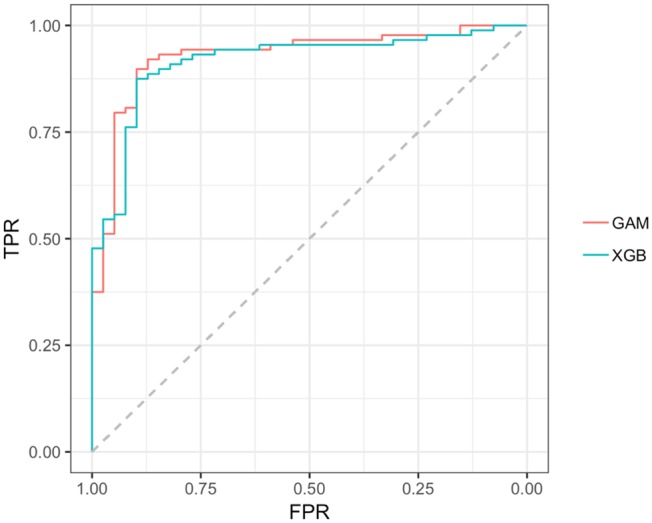
Early stage (preclinical) detection of Parkinson's disease (PD) remains challenged yet is crucial to both differentiate it from other disorders and facilitate timely administration of neuroprotective treatment as it becomes available. In a cross-validation paradigm, this work focused on two binary predictive probability analyses: classification of early PD vs. controls and classification of early PD vs. SWEDD (scans without evidence of dopamine deficit). It was hypothesized that five distinct model types using combined non-motor and biomarker features would distinguish early PD from controls with > 80% cross-validated (CV) accuracy, but that the diverse nature of the SWEDD category would reduce early PD vs. SWEDD CV classification accuracy and alter model-based feature selection. Cross-sectional, baseline data was acquired from the Parkinson's Progressive Markers Initiative (PPMI). Logistic regression, general additive (GAM), decision tree, random forest and XGBoost models were fitted using non-motor clinical and biomarker features. Randomized train and test data partitions were created. Model classification CV performance was compared using the area under the curve (AUC), sensitivity, specificity and the Kappa statistic. All five models achieved >0.80 AUC CV accuracy to distinguish early PD from controls. The GAM (CV AUC 0.928, sensitivity 0.898, specificity 0.897) and XGBoost (CV AUC 0.923, sensitivity 0.875, specificity 0.897) models were the top classifiers. Performance across all models was consistently lower in the early PD/SWEDD analyses, where the highest performing models were XGBoost (CV AUC 0.863, sensitivity 0.905, specificity 0.748) and random forest (CV AUC 0.822, sensitivity 0.809, specificity 0.721). XGBoost detection of non-PD SWEDD matched 1-2 years curated diagnoses in 81.25% (13/16) cases. In both early PD/control and early PD/SWEDD analyses, and across all models, hyposmia was the single most important feature to classification; rapid eye movement behavior disorder (questionnaire) was the next most commonly high ranked feature. Alpha-synuclein was a feature of import to early PD/control but not early PD/SWEDD classification and the Epworth Sleepiness scale was antithetically important to the latter but not former. Non-motor clinical and biomarker variables enable high CV discrimination of early PD vs. controls but are less effective discriminating early PD from SWEDD.
帕金森病(PD)的早期(临床前)检测仍然具有挑战性,但对于将其与其他疾病区分开来以及在有神经保护治疗时促进及时给药至关重要。在交叉验证范式中,这项工作聚焦于两项二元预测概率分析:早期PD与对照的分类以及早期PD与SWEDD(无多巴胺缺乏证据的扫描)的分类。研究假设,使用非运动和生物标志物特征组合的五种不同模型类型能够以超过80%的交叉验证(CV)准确率将早期PD与对照区分开来,但SWEDD类别的多样性会降低早期PD与SWEDD的CV分类准确率并改变基于模型的特征选择。从帕金森病进展标志物倡议(PPMI)获取横断面基线数据。使用非运动临床和生物标志物特征拟合逻辑回归、广义相加模型(GAM)、决策树、随机森林和XGBoost模型。创建随机的训练和测试数据分区。使用曲线下面积(AUC)、敏感性、特异性和Kappa统计量比较模型分类的CV性能。所有五个模型在区分早期PD与对照时均达到了>0.80的AUC CV准确率。GAM(CV AUC 0.928,敏感性0.898,特异性0.897)和XGBoost(CV AUC 0.923,敏感性0.875,特异性0.897)模型是顶级分类器。在早期PD/SWEDD分析中,所有模型的性能始终较低,其中表现最佳的模型是XGBoost(CV AUC 0.863,敏感性0.905,特异性0.748)和随机森林(CV AUC 0.822,敏感性0.809,特异性0.721)。XGBoost对非PD SWEDD的检测在81.25%(13/16)的病例中与1 - 2年精心策划的诊断相符。在早期PD/对照和早期PD/SWEDD分析中,以及在所有模型中,嗅觉减退是分类中最重要的单一特征;快速眼动行为障碍(问卷)是下一个最常被列为重要的特征。α-突触核蛋白是早期PD/对照分类的重要特征,但不是早期PD/SWEDD分类的重要特征,而爱泼华嗜睡量表对后者重要,对前者则相反。非运动临床和生物标志物变量能够对早期PD与对照进行高度的CV区分,但在区分早期PD与SWEDD方面效果较差。