Department of Biomedicine, Institute of Biomedicine and Translational Medicine, University of Tartu, Tartu, Estonia.
Institute of Clinical Molecular Biology, University of Kiel, Kiel, Germany.
Front Immunol. 2020 May 8;11:838. doi: 10.3389/fimmu.2020.00838. eCollection 2020.
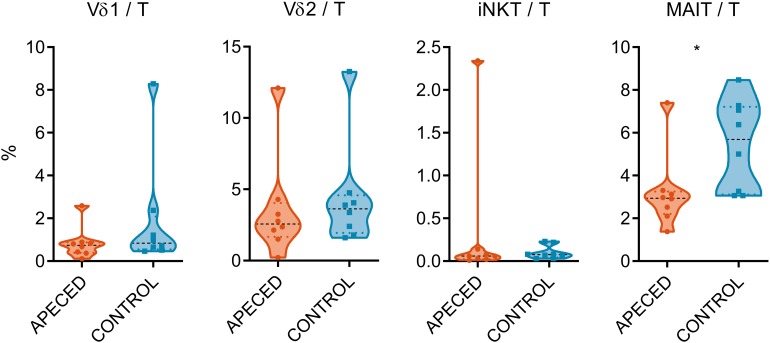
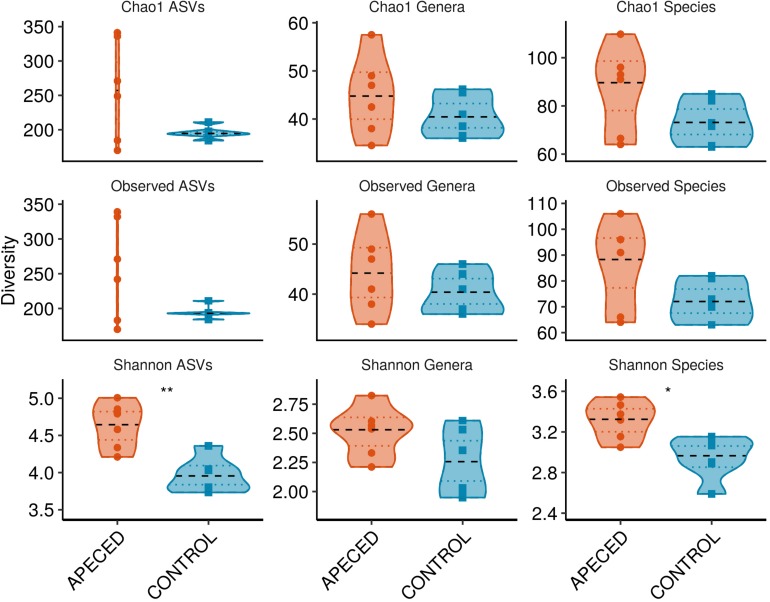
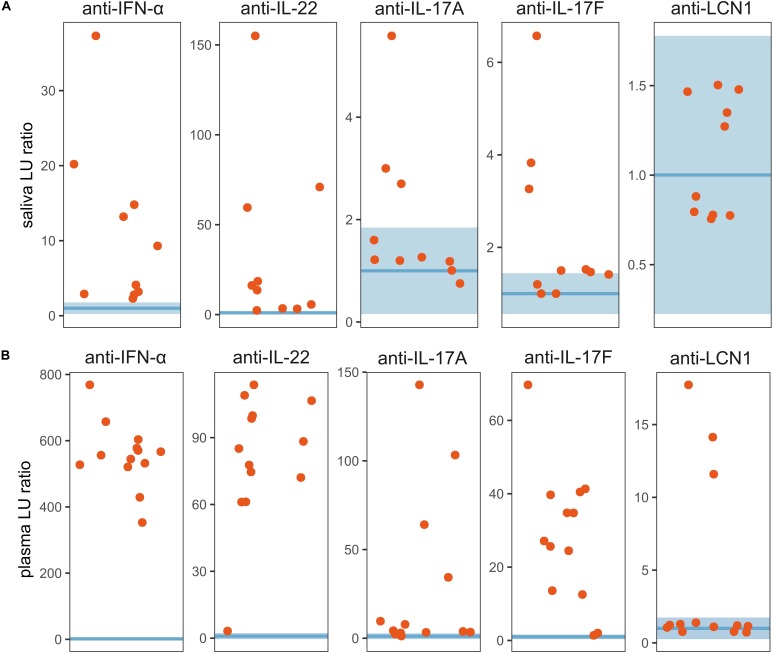
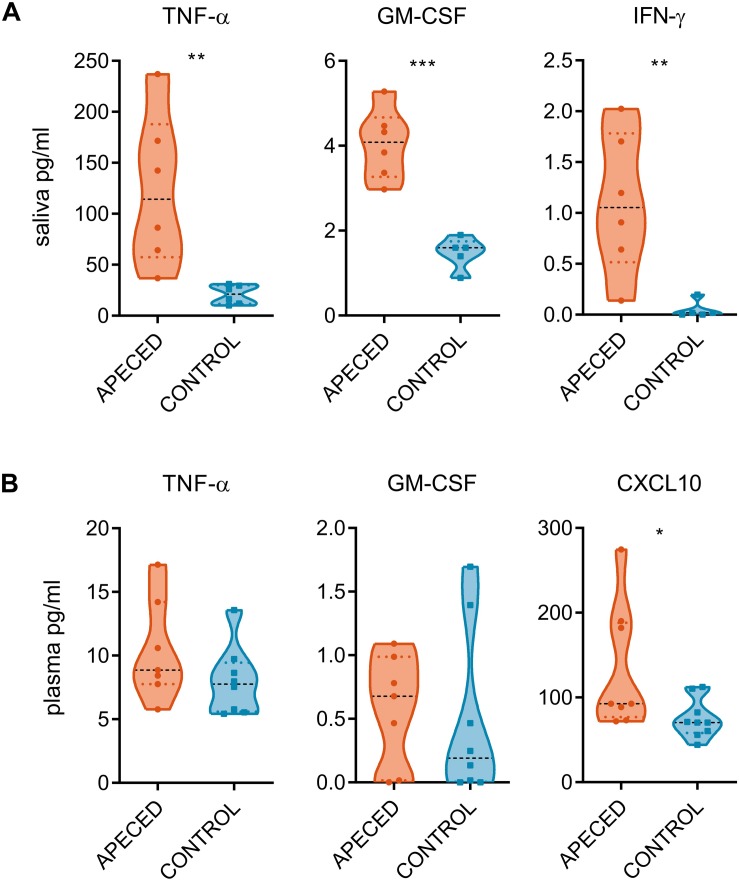
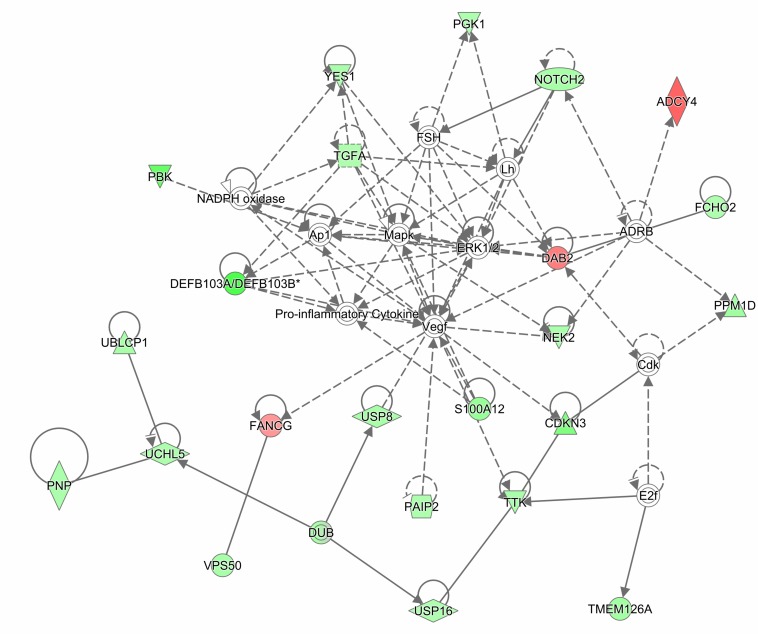
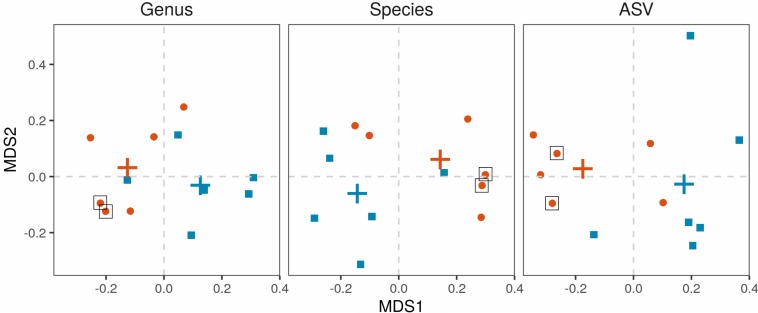
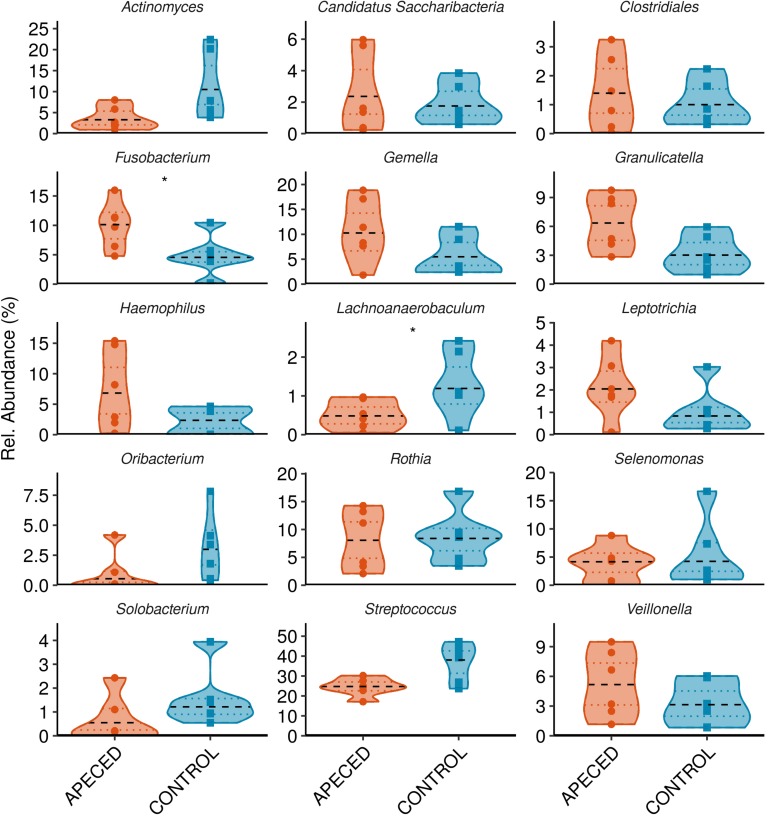
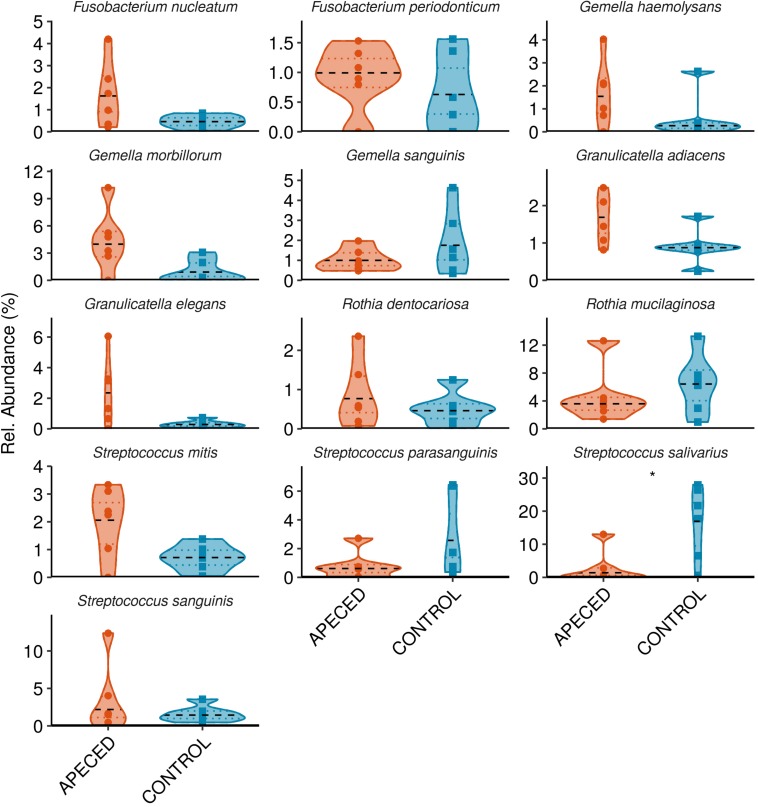
Autoimmune polyendocrinopathy-candidiasis-ectodermal dystrophy (APECED) is caused by recessive mutations in the gene. The hallmark of the disease is the production of highly neutralizing autoantibodies against type I interferons and IL-22. Considering the importance of IL-22 in maintaining mucosal barrier integrity and shaping its microbial community, we sought to study potential changes in the oral cavity in this model of human IL-22 paucity. We found that besides known Th22 cell deficiency, APECED patients have significantly fewer circulating MAIT cells with potential IL-22 secreting capacity. Saliva samples from APECED patients revealed local inflammation, the presence of autoantibodies against IFN-α and IL-22, and alterations in the oral microbiota. Moreover, gene expression data of buccal biopsy samples suggested impaired antimicrobial response and cell proliferation, both of which are processes regulated by IL-22. Our data complement the knowledge gained from mouse models and support the concept of IL-22 being a critical homeostatic cytokine in human mucosal sites.
自身免疫性多内分泌腺病-念珠菌病-外胚层营养不良(APECED)是由 基因的隐性突变引起的。该疾病的标志是产生针对 I 型干扰素和 IL-22 的高度中和的自身抗体。考虑到 IL-22 在维持粘膜屏障完整性和塑造其微生物群落中的重要性,我们试图在这种人类 IL-22 缺乏的模型中研究口腔中潜在的变化。我们发现,除了已知的 Th22 细胞缺乏外,APECED 患者的循环 MAIT 细胞数量明显减少,这些细胞具有潜在的 IL-22 分泌能力。APECED 患者的唾液样本显示局部炎症、针对 IFN-α 和 IL-22 的自身抗体存在以及口腔微生物群的改变。此外,颊活检样本的基因表达数据表明抗菌反应和细胞增殖受损,这两个过程均受 IL-22 调节。我们的数据补充了从小鼠模型中获得的知识,并支持 IL-22 作为人类粘膜部位关键的稳态细胞因子的概念。