Percell Robert L, Sharpe Erin D, Lassen Teresa M, Maas Steffani R, Heiss Lori J, Hansen Dale A
Electrophysiology Department, Bryan Heart Institute, Lincoln, NE, USA.
J Innov Card Rhythm Manag. 2018 Nov 15;9(11):3385-3389. doi: 10.19102/icrm.2018.091101. eCollection 2018 Nov.
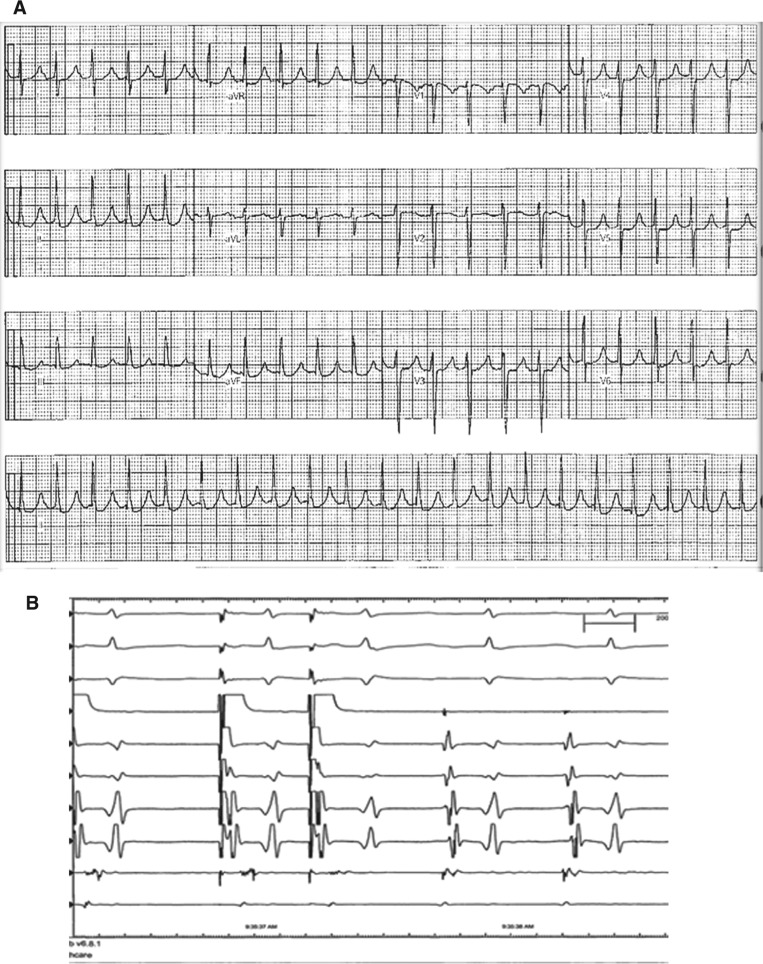
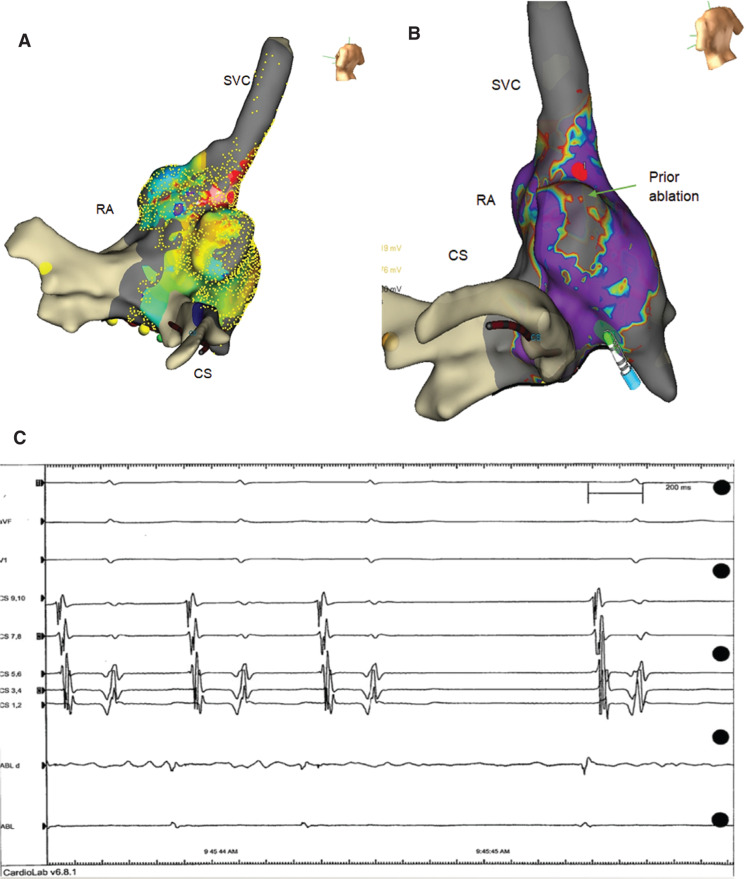
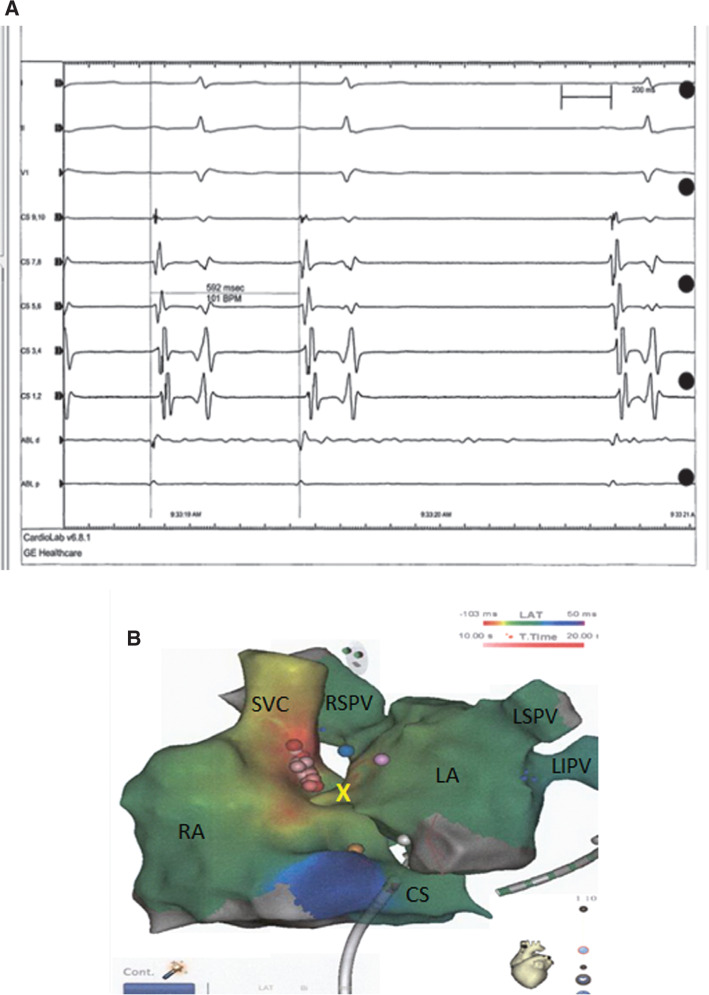
Regular atrial tachycardia (AT) is one of the most important proarrhythmic complications that may occur following left atrial pulmonary vein isolation (PVI). These tachycardias that develop after atrial fibrillation ablation may lead to worse symptoms than those from the original arrhythmia existing prior to the index ablation procedure. Ablation of various types of supraventricular tachycardias without the use of fluoroscopy has been shown to be feasible in both children and adults using three-dimensional mapping systems. We describe the case of a 71-year-old woman who developed a focal AT after a successful PVI procedure. The initial ablation failed with one mapping system. Repeat electrophysiologic study despite antiarrhythmic medications revealed the same focal AT, which was successfully ablated with a different mapping system. Both ablations were performed without fluoroscopy.
规则性房性心动过速(AT)是左心房肺静脉隔离(PVI)术后可能发生的最重要的促心律失常并发症之一。这些在房颤消融术后发生的心动过速可能比首次消融术前存在的原心律失常导致更严重的症状。在儿童和成人中,使用三维标测系统在不使用荧光透视的情况下消融各种类型的室上性心动过速已被证明是可行的。我们描述了一例71岁女性在成功进行PVI术后发生局灶性AT的病例。使用一种标测系统进行的首次消融失败。尽管使用了抗心律失常药物,但重复电生理检查仍显示相同的局灶性AT,使用不同的标测系统成功消融。两次消融均在不使用荧光透视的情况下进行。