Liu JinHui, Li SiYue, Feng Gao, Meng HuangYang, Nie SiPei, Sun Rui, Yang Jing, Cheng WenJun
Department of Gynecology, The First Affiliated Hospital of Nanjing Medical University, 300 Guangzhou Road, Nanjing, 210029 Jiangsu China.
Department of Orthopedic Surgery, The First Affiliated Hospital of Nanjing Medical University, Nanjing, Jiangsu China.
Cancer Cell Int. 2020 May 24;20:183. doi: 10.1186/s12935-020-01264-1. eCollection 2020.
Endometrial cancer is the fourth most common cancer in women. The death rate for endometrial cancer has increased. Glycolysis of cellular respiration is a complex reaction and is the first step in most carbohydrate catabolism, which was proved to participate in tumors.
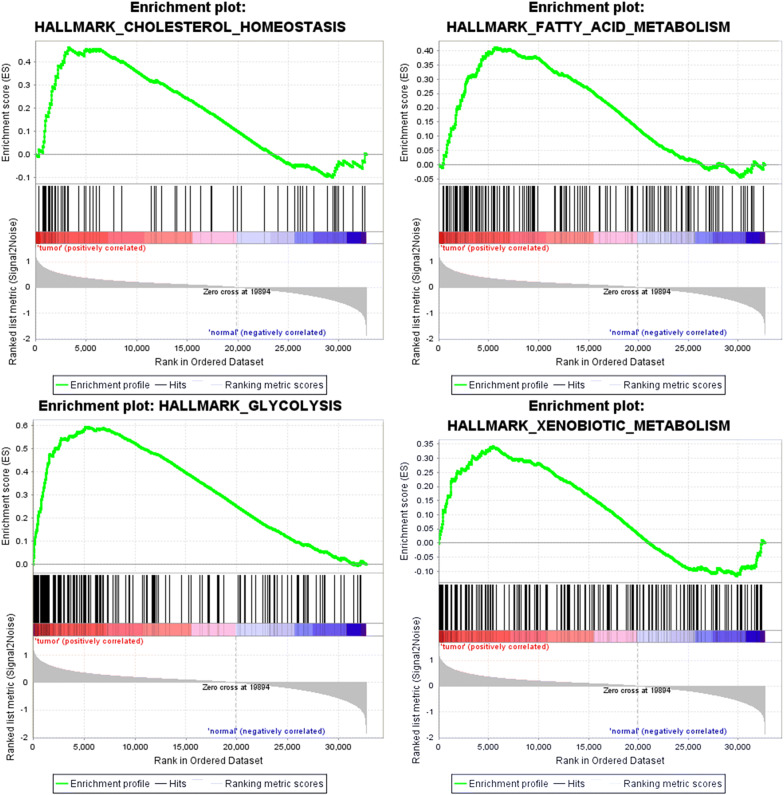
We analyzed the sample data of over 500 patients from TCGA database. The bioinformatic analysis included GSEA, cox and lasso regression analysis to select prognostic genes, as well as construction of a prognostic model and a nomogram for OS evaluation. The immunohistochemistry staining, survival analysis and expression level validation were also performed. Maftools package was for mutation analysis. GSEA identified Glycolysis was the most related pathway to EC. qRT-PCR verified the expression level of hub gene in clinical samples.
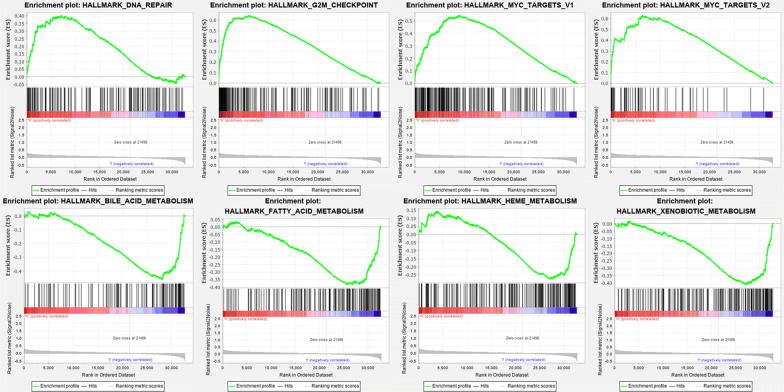
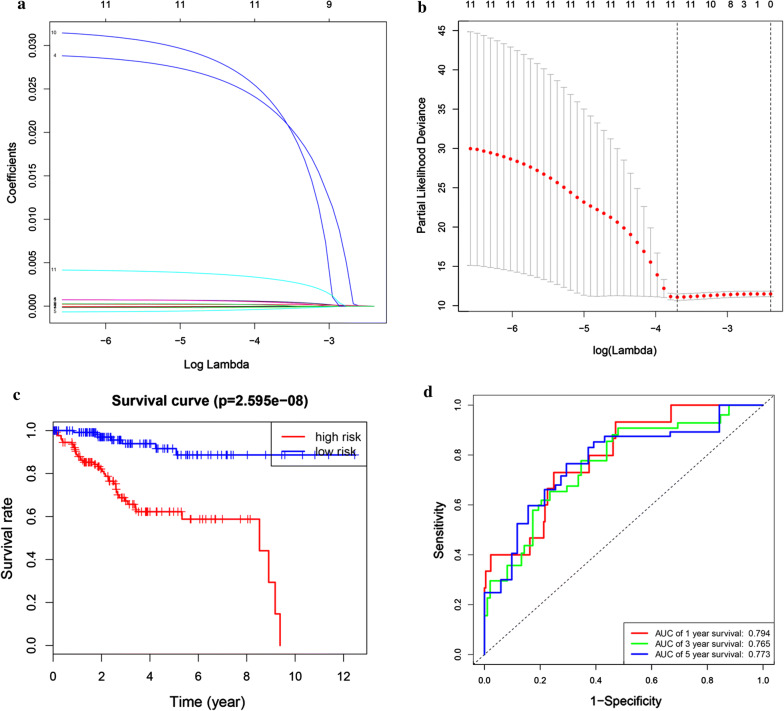
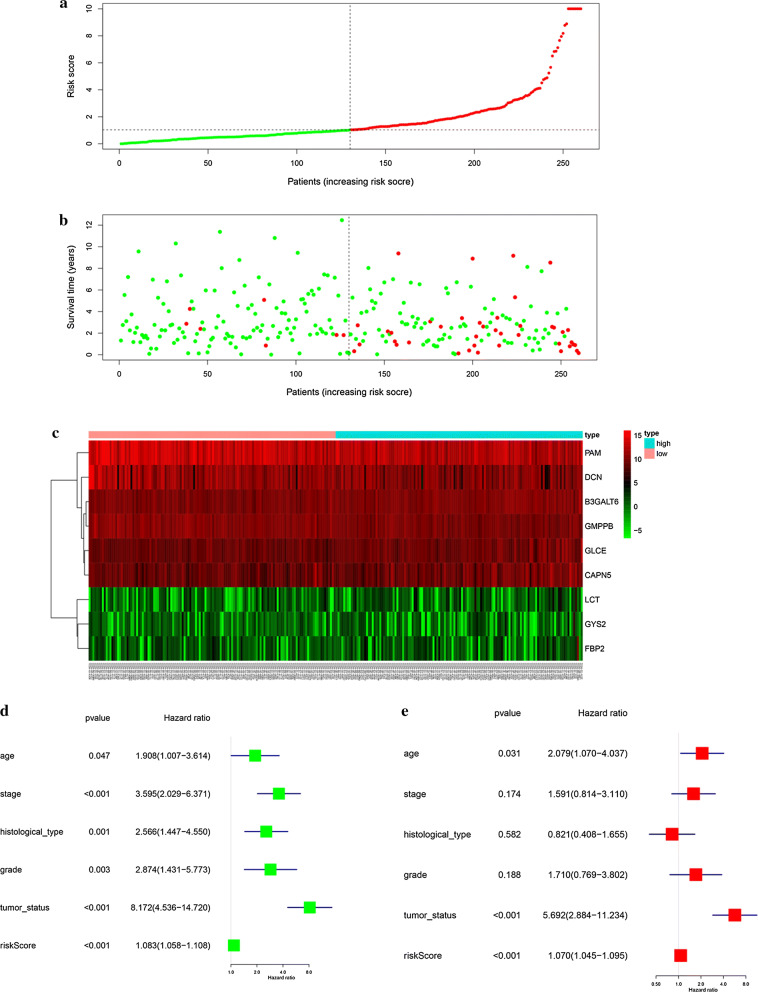
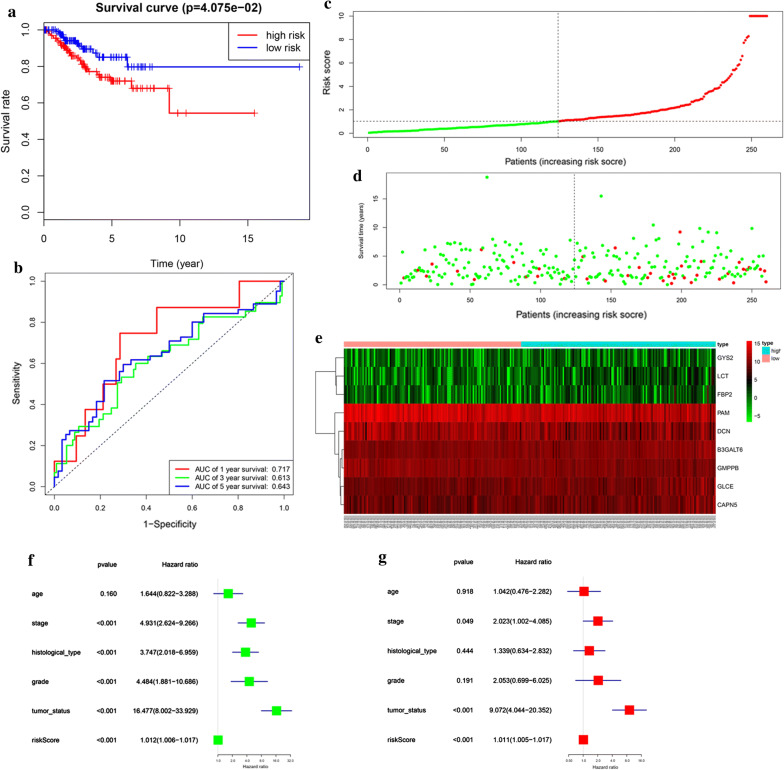
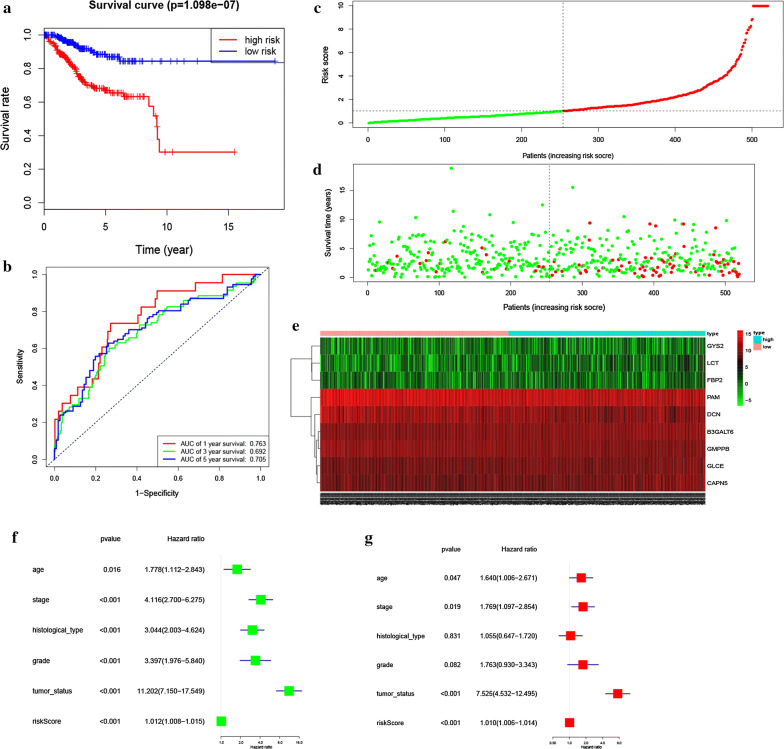
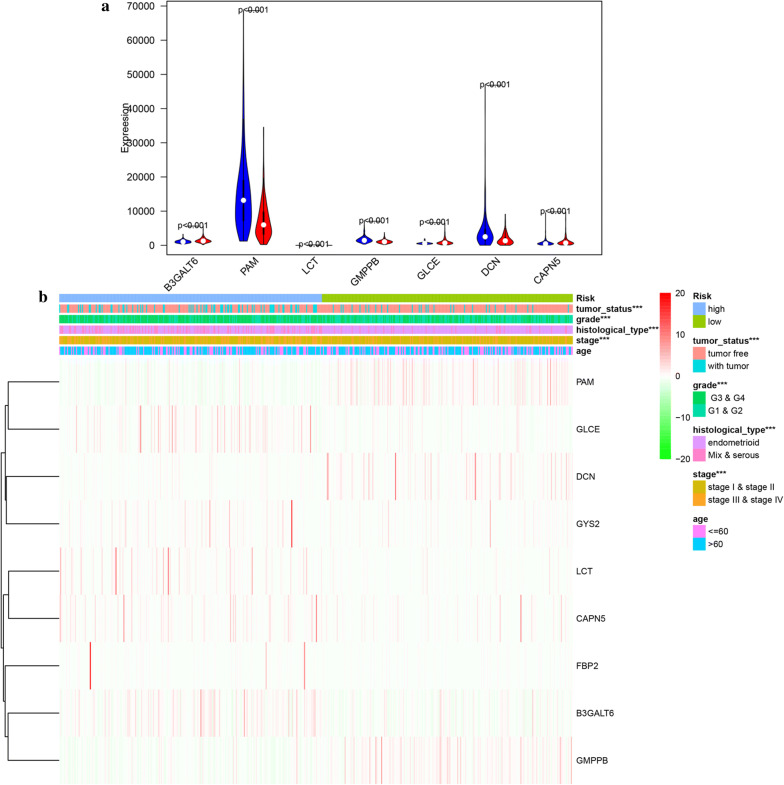
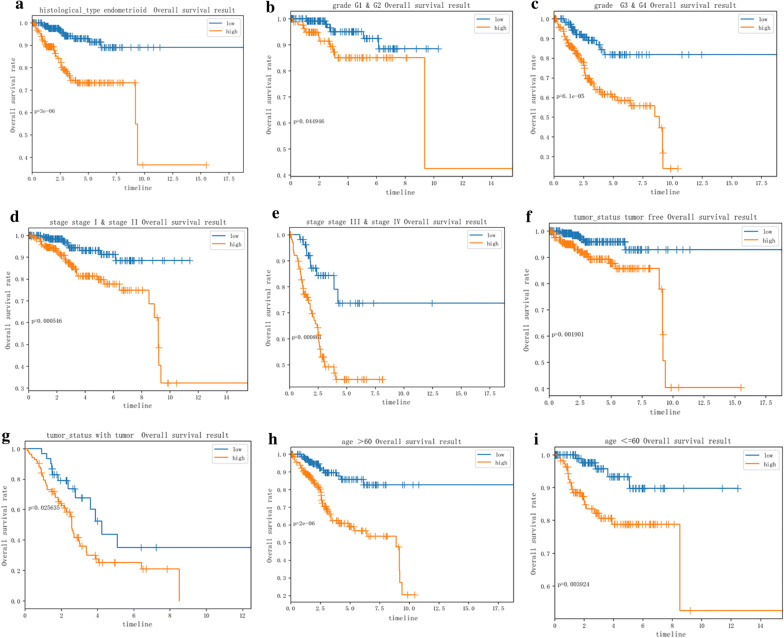
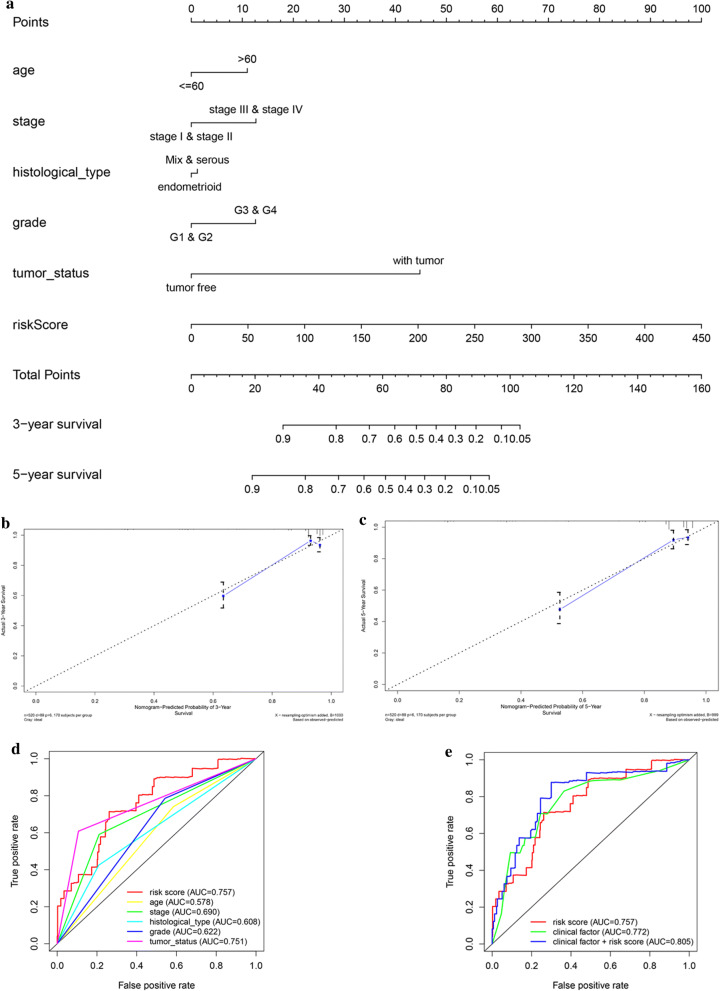
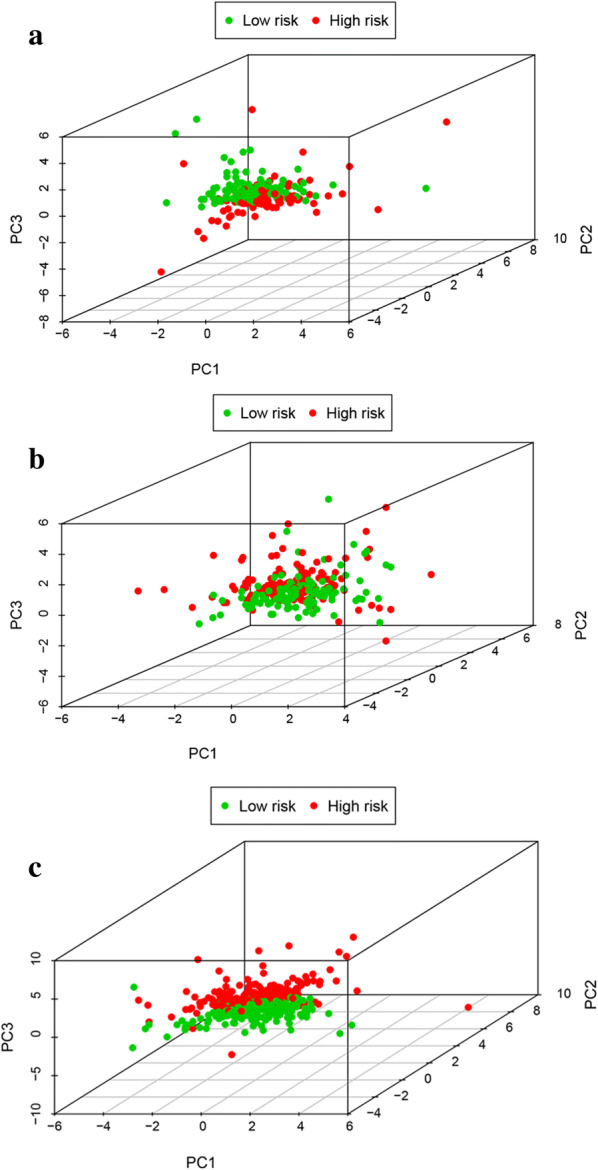
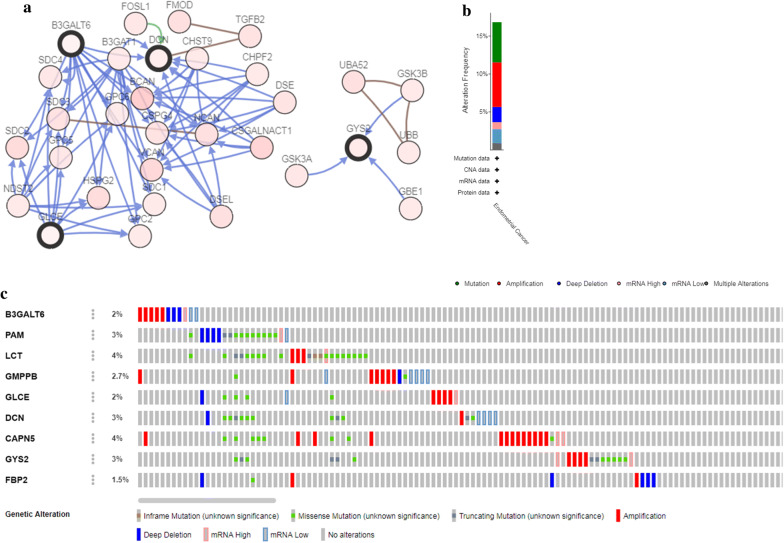
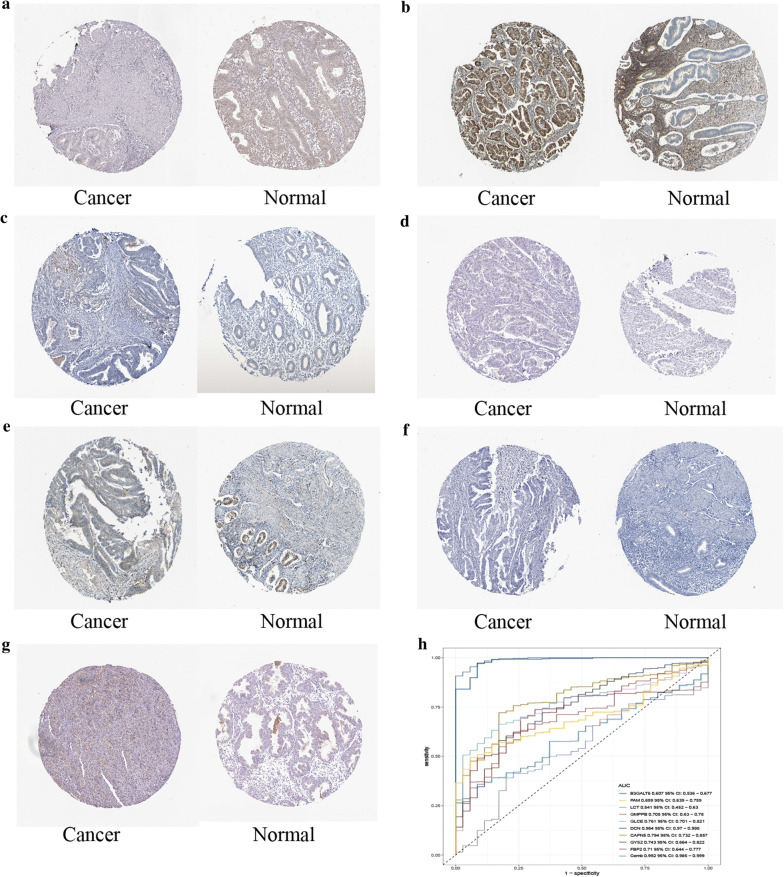
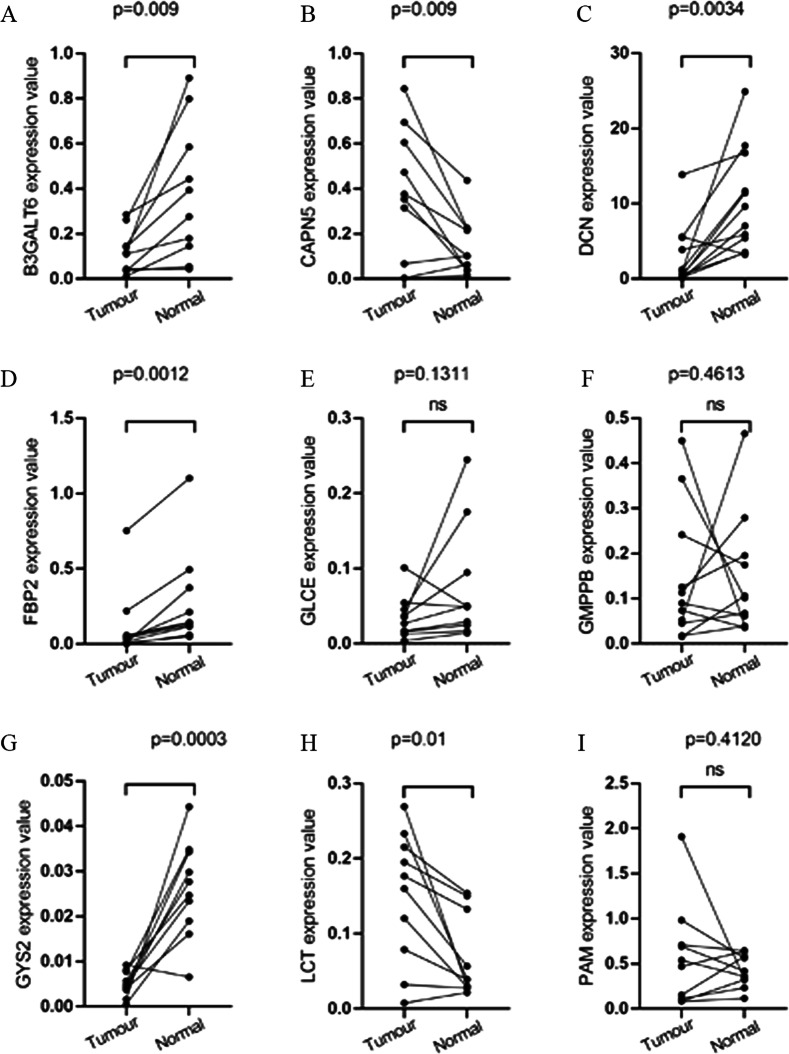
According to the prognostic model using the train set, 9 glycolysis-related genes including B3GALT6, PAM, LCT, GMPPB, GLCE, DCN, CAPN5, GYS2 and FBP2 were identified as prognosis-related genes. Based on nine gene signature, the EC patients could be classified into high and low risk subgroups, and patients with high risk score showed shorter survival time. Time-dependent ROC analysis and Cox regression suggested that the risk score predicted EC prognosis accurately and independently. Analysis of test and train sets yielded consistent results A nomogram which incorporated the 9-mRNA signature and clinical features was also built for prognostic prediction. Immunohistochemistry staining and TCGA validation showed that expression levels of these genes do differ between EC and normal tissue samples. GSEA revealed that the samples of the low-risk group were mainly concentrated on Bile Acid Metabolism. Patients in the low-risk group displayed obvious mutation signatures compared with those in the high-risk group. The expression levels of B3GALT6, DCN, FBP2 and GYS2 are lower in tumor samples and higher in normal tissue samples. The expression of CAPN5 and LCT in clinical sample tissues is just the opposite.
This study found that the Glycolysis pathway is associated with EC and screened for hub genes on the Glycolysis pathway, which may serve as new target for the treatment of EC.
子宫内膜癌是女性中第四常见的癌症。子宫内膜癌的死亡率有所上升。细胞呼吸的糖酵解是一个复杂的反应,是大多数碳水化合物分解代谢的第一步,已被证明参与肿瘤过程。
我们分析了来自TCGA数据库的500多名患者的样本数据。生物信息学分析包括基因集富集分析(GSEA)、cox和套索回归分析以选择预后基因,以及构建用于总生存期(OS)评估的预后模型和列线图。还进行了免疫组织化学染色、生存分析和表达水平验证。使用maftools软件包进行突变分析。GSEA确定糖酵解是与子宫内膜癌最相关的通路。qRT-PCR验证了临床样本中枢纽基因的表达水平。
根据使用训练集的预后模型,确定了包括B3GALT6、PAM、LCT、GMPPB、GLCE、DCN、CAPN5、GYS2和FBP2在内的9个糖酵解相关基因作为预后相关基因。基于这9个基因特征,子宫内膜癌患者可分为高风险和低风险亚组,高风险评分的患者生存时间较短。时间依赖性ROC分析和Cox回归表明,风险评分能够准确且独立地预测子宫内膜癌的预后。测试集和训练集的分析产生了一致的结果。还构建了一个纳入9个mRNA特征和临床特征的列线图用于预后预测。免疫组织化学染色和TCGA验证表明,这些基因在子宫内膜癌组织和正常组织样本中的表达水平确实存在差异。GSEA显示,低风险组的样本主要集中在胆汁酸代谢。与高风险组相比,低风险组患者表现出明显的突变特征。肿瘤样本中B3GALT6、DCN、FBP2和GYS2的表达水平较低,而在正常组织样本中较高。临床样本组织中CAPN5和LCT的表达情况则相反。
本研究发现糖酵解途径与子宫内膜癌相关,并筛选出了糖酵解途径上的枢纽基因,这可能成为子宫内膜癌治疗的新靶点。