Ubelaker Douglas H, DeGaglia Cassandra M
Department of Anthropology, National Museum of Natural History, Smithsonian Institution, Washington, DC, USA.
Forensic Sci Res. 2020 Feb 9;5(1):32-37. doi: 10.1080/20961790.2019.1704473. eCollection 2020.
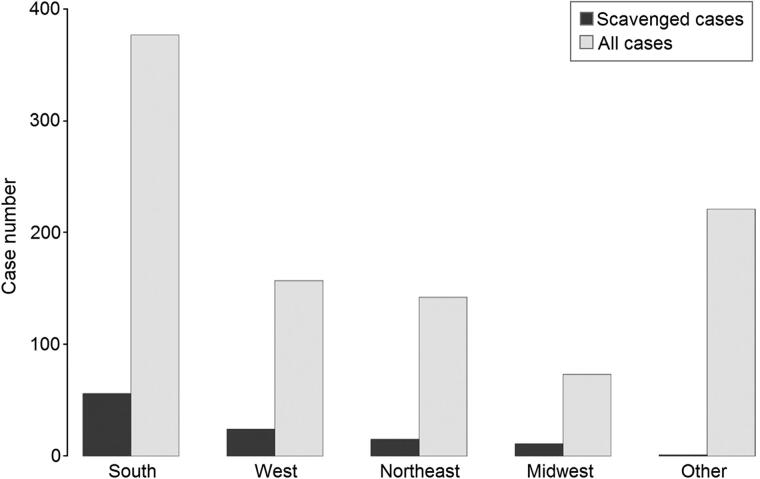
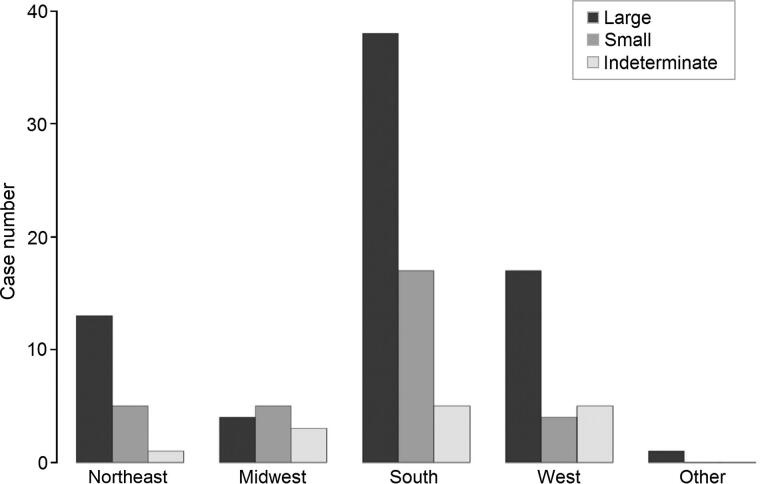
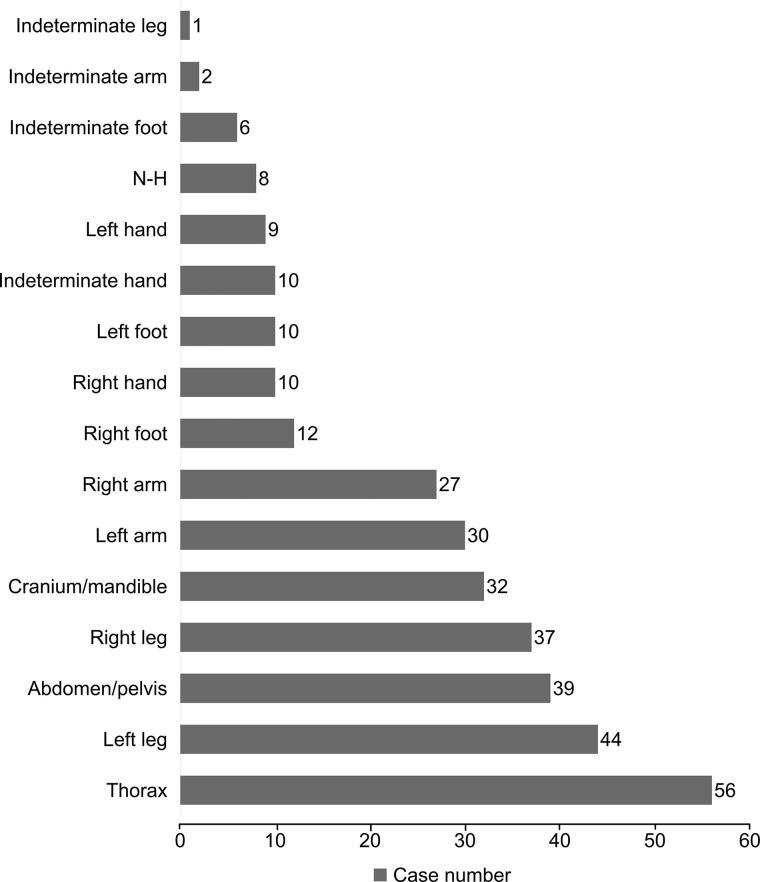
Forensic anthropology casework frequently encounters evidence of animal scavenging associated with fragmentation and loss of skeletal material. Published research demonstrates that patterns of destruction in bone can suggest the size and type of animal involved. This study analyzes 107 cases reported on by the first author at the Smithsonian Institution to investigate patterns of scavenging in forensic anthropology casework. This investigation reveals that the extent of scavenger impact varies across the body, but primarily is concentrated in the central body area. Although extensive animal scavenging can limit analysis, some evidence of foul play can be preserved.
法医人类学案件工作经常会遇到与骨骼材料的破碎和丢失相关的动物啃食证据。已发表的研究表明,骨骼的破坏模式可以提示涉及的动物的大小和类型。本研究分析了第一作者在史密森学会报告的107个案例,以调查法医人类学案件工作中的啃食模式。这项调查显示,食腐动物影响的程度在身体各部位有所不同,但主要集中在身体中部区域。尽管大量的动物啃食会限制分析,但一些犯罪行为的证据可能会被保留下来。