Vannabouathong Christopher, Chiu Justin, Patel Rahil, Sreeraman Shreyas, Mohamed Elias, Bhandari Mohit, Koval Kenneth, McKee Michael D
OrthoEvidence, Burlington, ON, Canada.
Faculty of Health Sciences, McMaster University, Hamilton, ON, Canada.
JSES Int. 2020 May 4;4(2):256-271. doi: 10.1016/j.jseint.2020.01.010. eCollection 2020 Jun.
The majority of clavicle fractures are midshaft injuries, although fractures of the distal or medial fragment also occur. The aim of this study was to review the current evidence on these injuries to help inform future treatment plans.
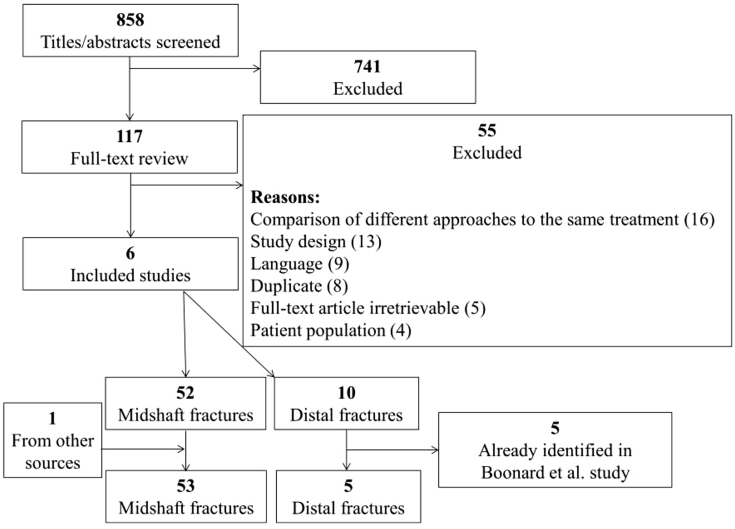
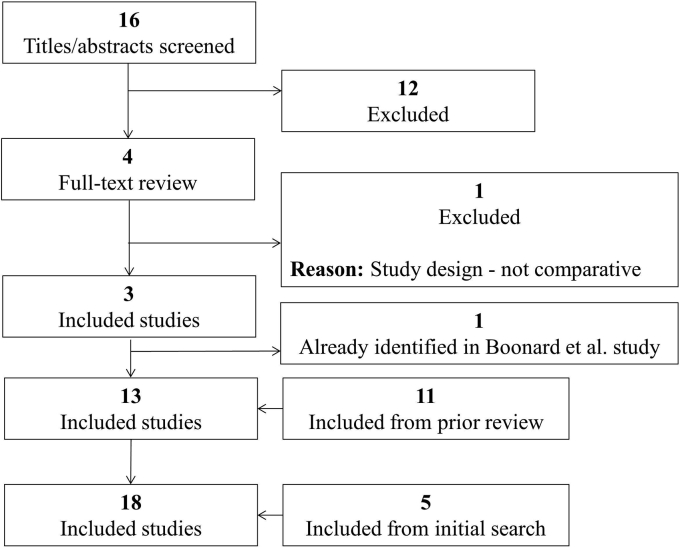
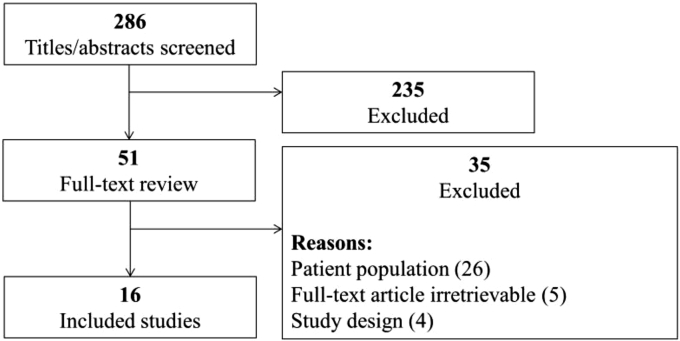
We searched for studies comparing interventions for medial, midshaft, or distal clavicle fractures; however, we did not identify any comparative studies on medial fractures and performed a secondary search on this topic. We conducted Bayesian network meta-analyses, although this was not feasible with studies on medial fractures and we described their results qualitatively.
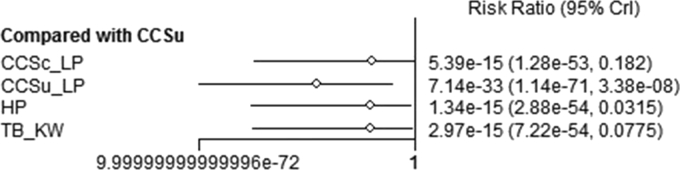
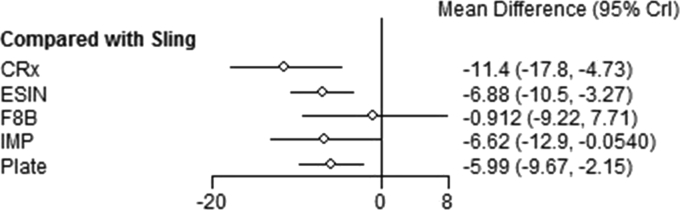
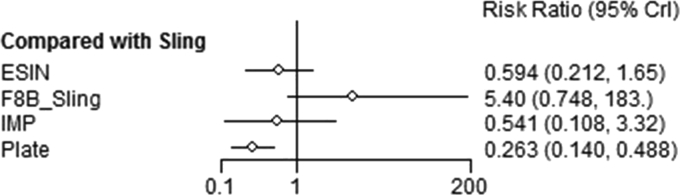
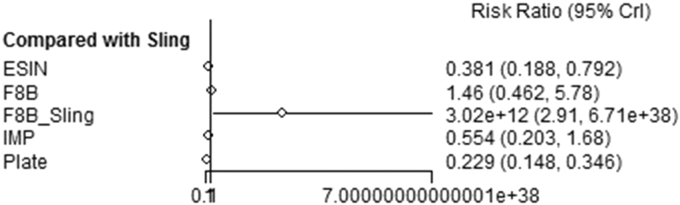
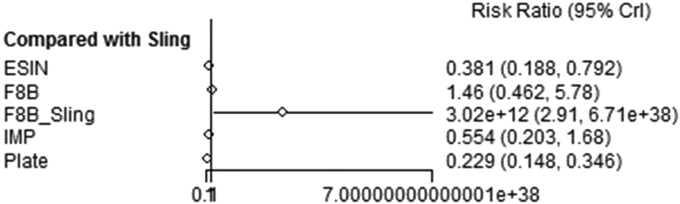
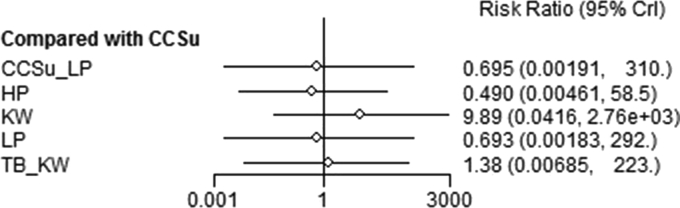
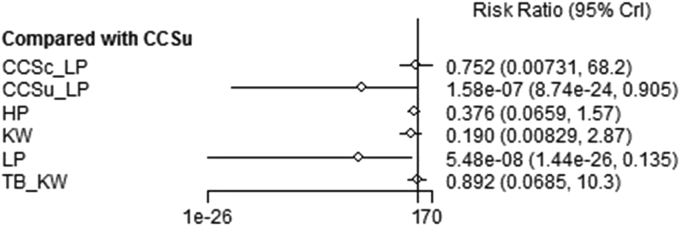
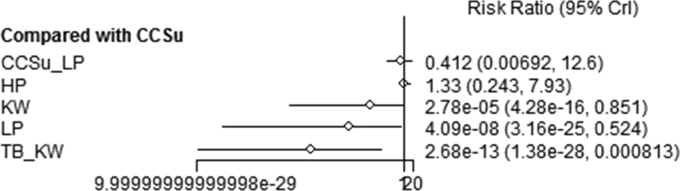
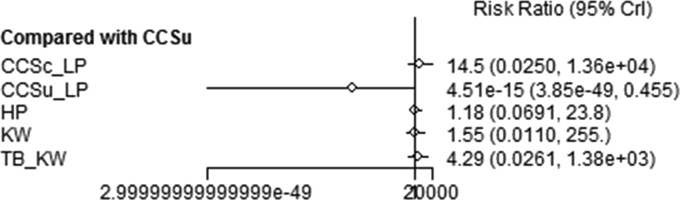
For midshaft fractures, we found statistically significant improvements in function and time to radiographic union with plating, an elastic stable intramedullary nail (ESIN), and the Sonoma CRx intramedullary nail over nonoperative treatments. Both plating and an ESIN also showed significantly lower risks of nonunion and malunion relative to nonoperative methods. For distal fractures, a locking plate (LP) with or without coracoclavicular (CC) suturing yielded significantly better outcomes over K-wires with or without tension bands, CC suturing alone, an LP with a CC screw, a hook plate, and a sling. For medial fractures, plating may result in more favorable functional and union-related outcomes, although implant irritation may occur. In addition, K-wires, tension bands, and a screw with sutures demonstrated success when plating was technically not feasible in a few cases, whereas treatment with a sling may result in reduced function and a higher risk of complications relative to surgery.
This study can provide guidance on the management of medial, midshaft, and distal clavicle fractures. The current evidence suggests that plating, an ESIN, and a CRx intramedullary nail are all good options for midshaft fractures; an LP with or without CC suturing should be preferred for distal fractures; and plating is also acceptable for medial fractures, provided that the patient is deemed suitable for surgery and has the adequate bone stock and sufficiently sized medial fragment necessary to implant the device. Patient preferences for certain outcomes should be considered, which may result in different treatment recommendations.
大多数锁骨骨折为中段损伤,不过远端或内侧骨折也会发生。本研究旨在回顾有关这些损伤的现有证据,以辅助制定未来的治疗方案。
我们检索了比较内侧、中段或远端锁骨骨折干预措施的研究;然而,我们未找到任何关于内侧骨折的比较研究,并就此主题进行了二次检索。我们进行了贝叶斯网络荟萃分析,不过内侧骨折的研究无法进行该分析,我们对其结果进行了定性描述。
对于中段骨折,我们发现与非手术治疗相比,钢板固定、弹性稳定髓内钉(ESIN)和索诺玛CRx髓内钉在功能及影像学愈合时间方面有统计学意义的改善。相对于非手术方法,钢板固定和ESIN还显示出骨不连和畸形愈合的风险显著更低。对于远端骨折,带或不带喙锁(CC)缝合的锁定钢板(LP)比带或不带张力带的克氏针、单纯CC缝合、带CC螺钉的LP、钩钢板和吊带产生的结果显著更好。对于内侧骨折,钢板固定可能会带来更有利的功能和愈合相关结果,尽管可能会发生植入物刺激。此外,在少数情况下钢板固定技术上不可行时,克氏针、张力带和带缝线的螺钉取得了成功,而与手术相比,吊带治疗可能导致功能降低和并发症风险更高。
本研究可为内侧、中段和远端锁骨骨折的治疗提供指导。现有证据表明,钢板固定、ESIN和CRx髓内钉都是中段骨折的良好选择;远端骨折应首选带或不带CC缝合的LP;对于内侧骨折,如果患者被认为适合手术且有足够的骨量以及植入该装置所需的足够大小的内侧骨折块,钢板固定也是可以接受的。应考虑患者对某些结果的偏好,这可能会导致不同的治疗建议。