Department of Physiology and Biophysics, University of Washington, Seattle, United States.
Department of Biochemistry and Molecular Biophysics, Department of Neuroscience, Zuckerman Mind Brain Behavior Institute, Columbia University, New York, United States.
Elife. 2020 Jun 3;9:e56754. doi: 10.7554/eLife.56754.
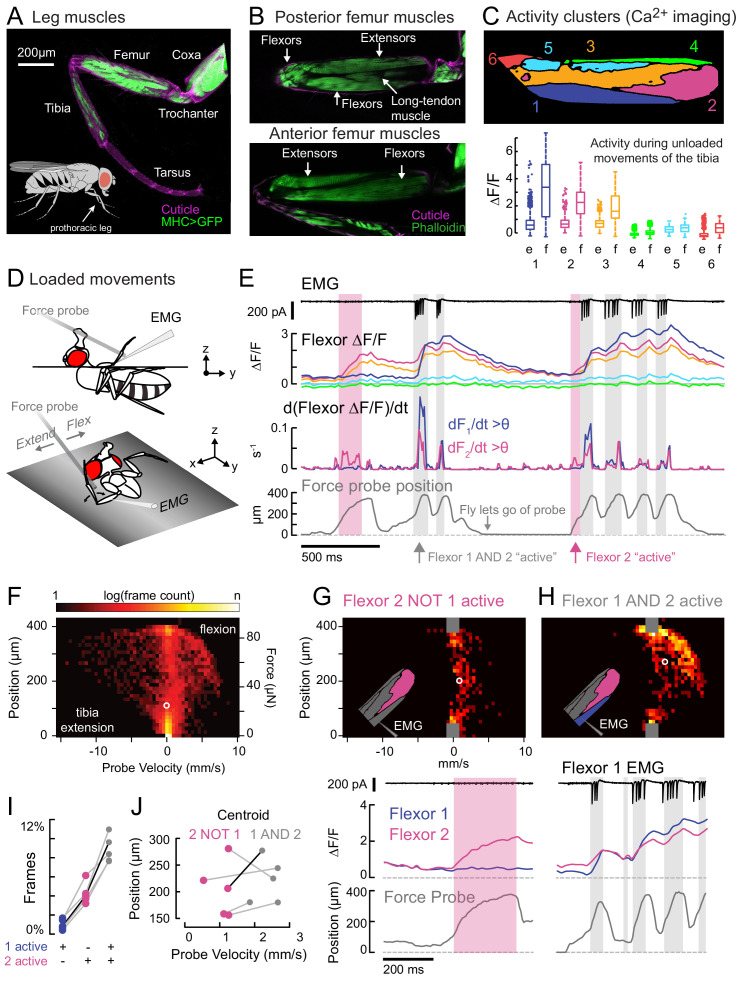
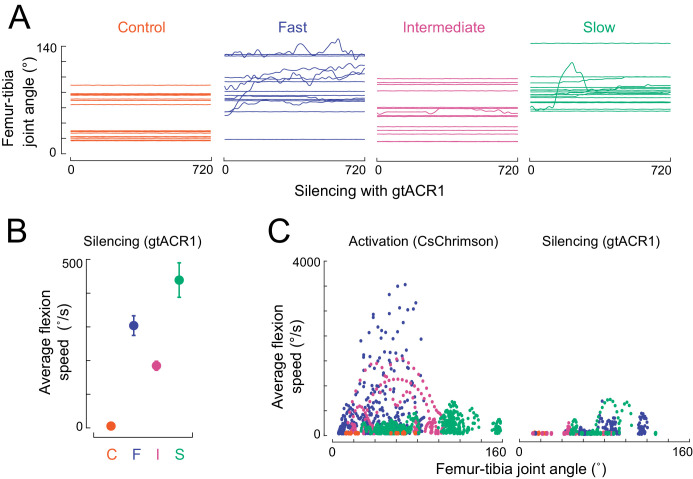
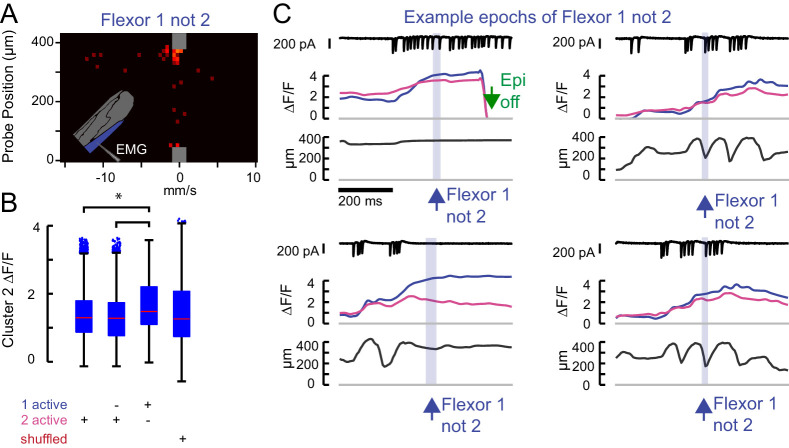
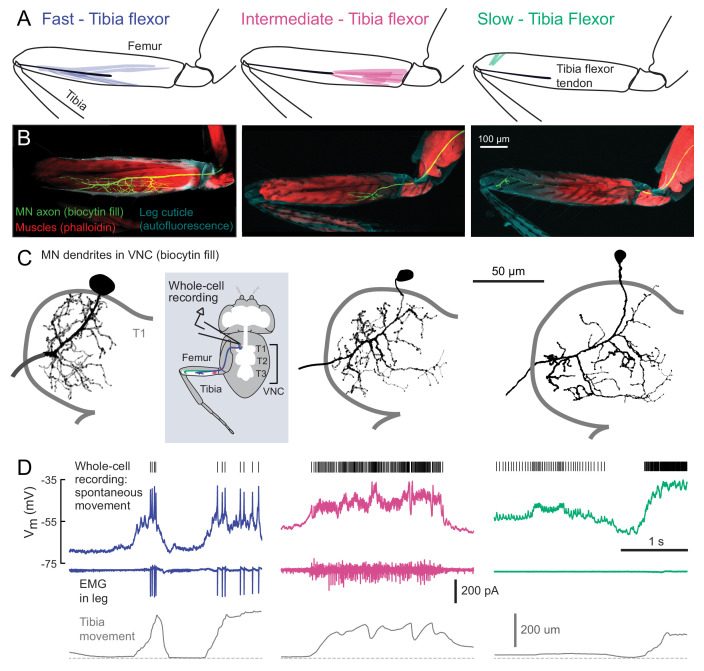
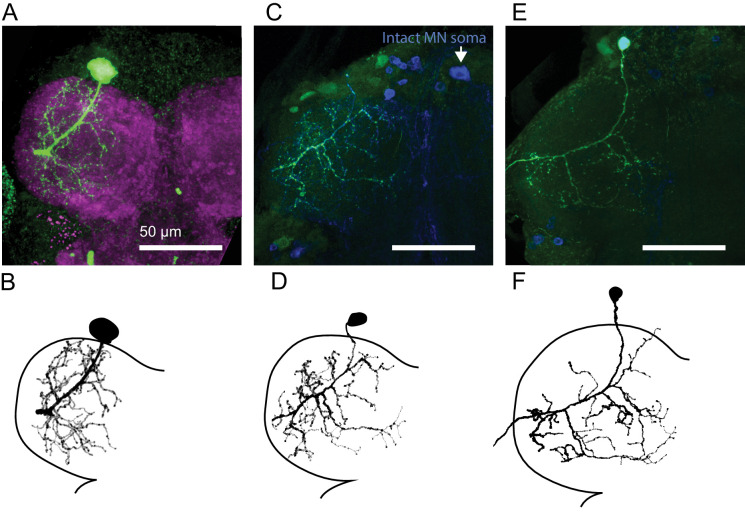
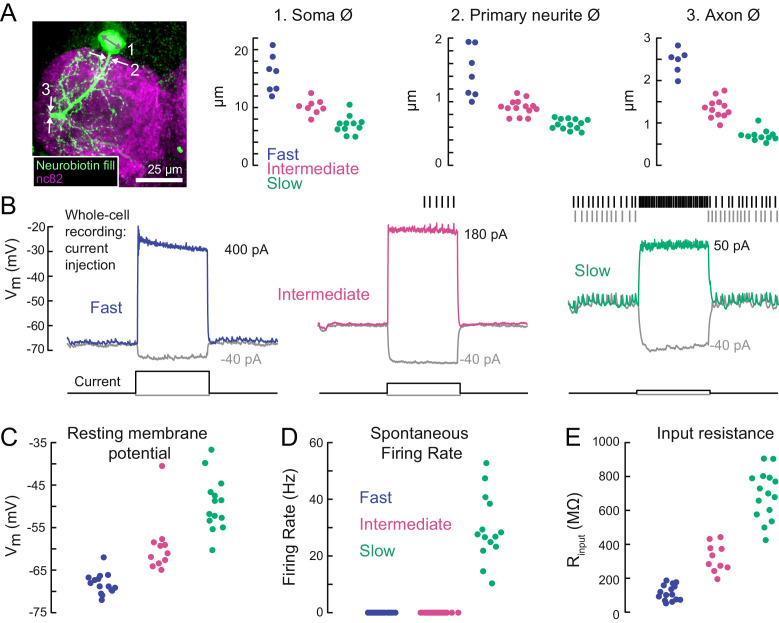
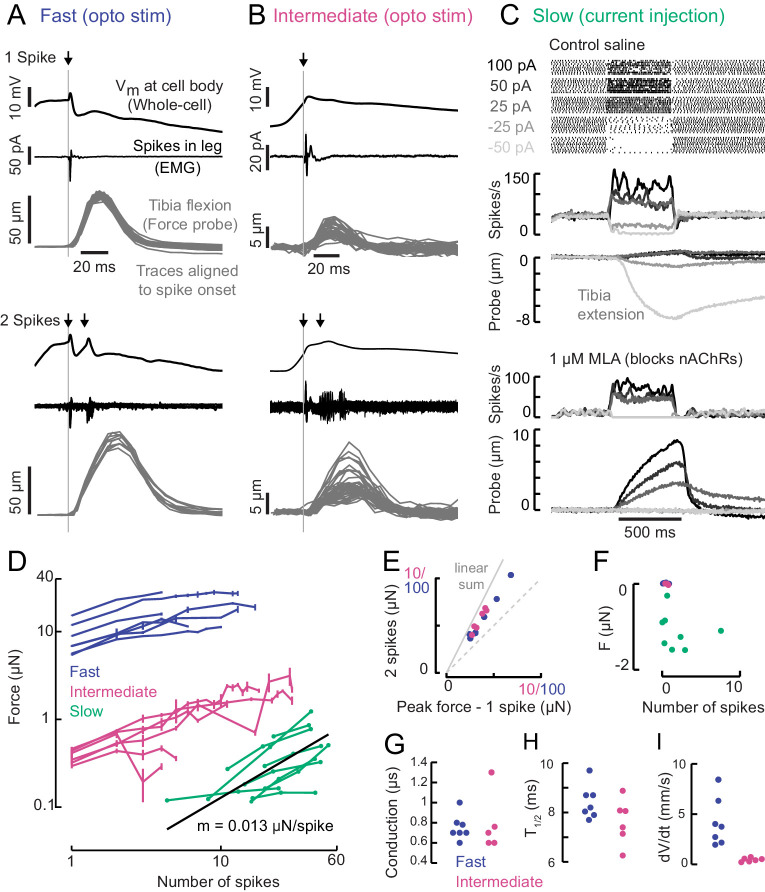
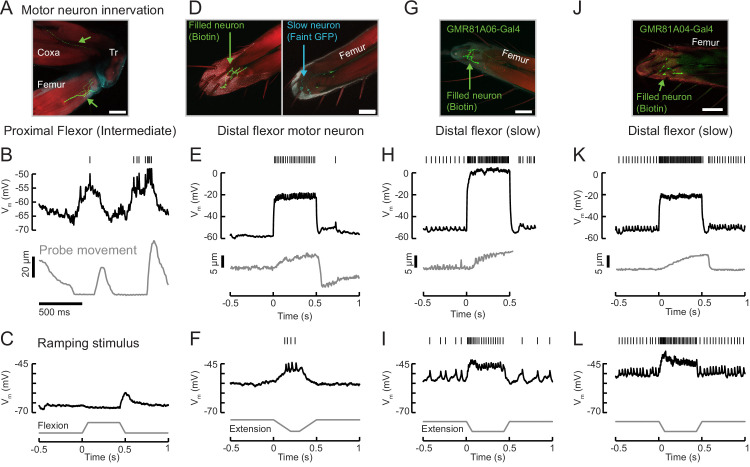
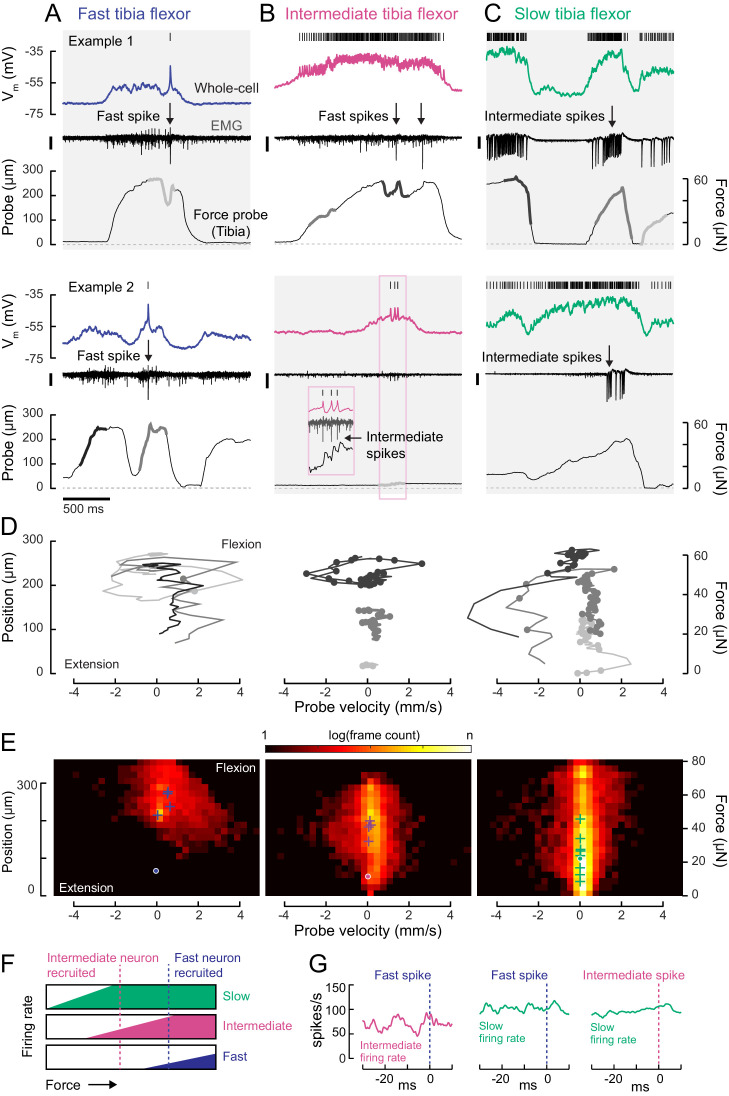
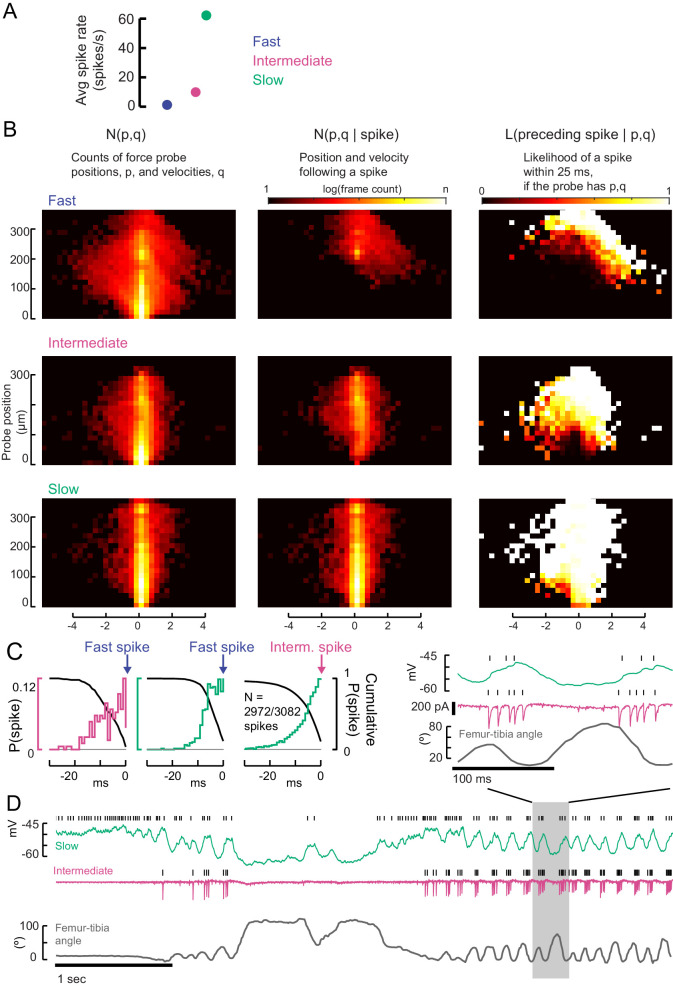
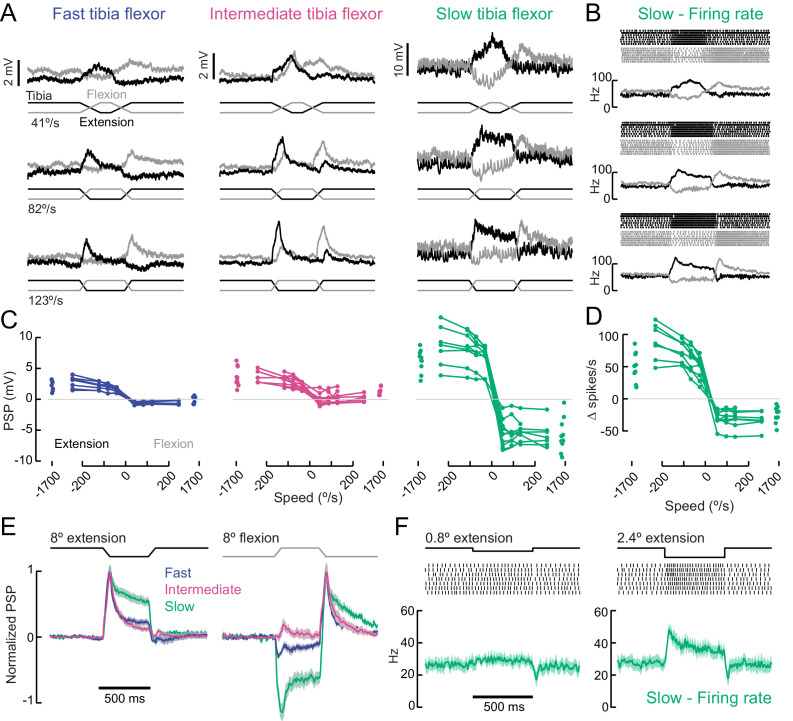
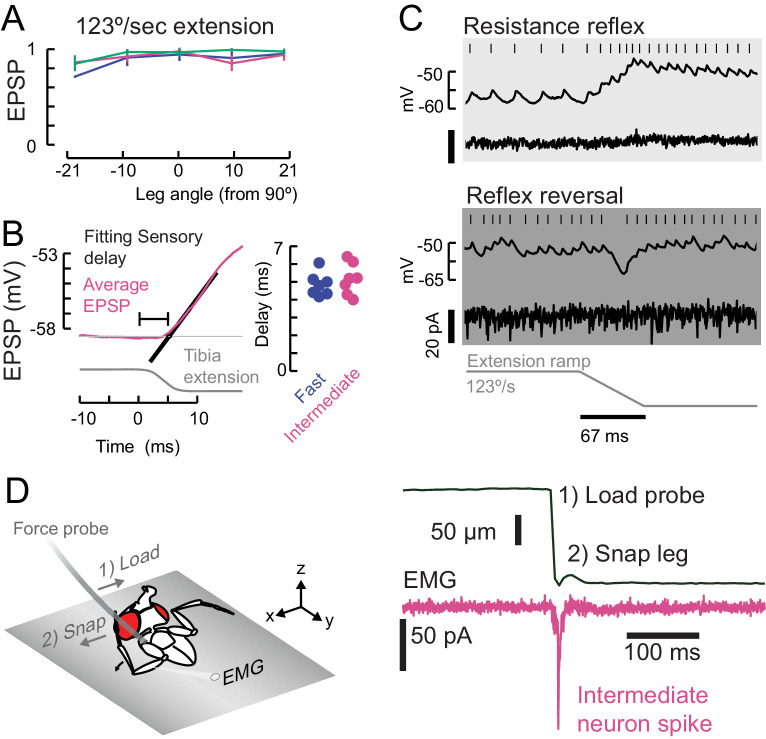
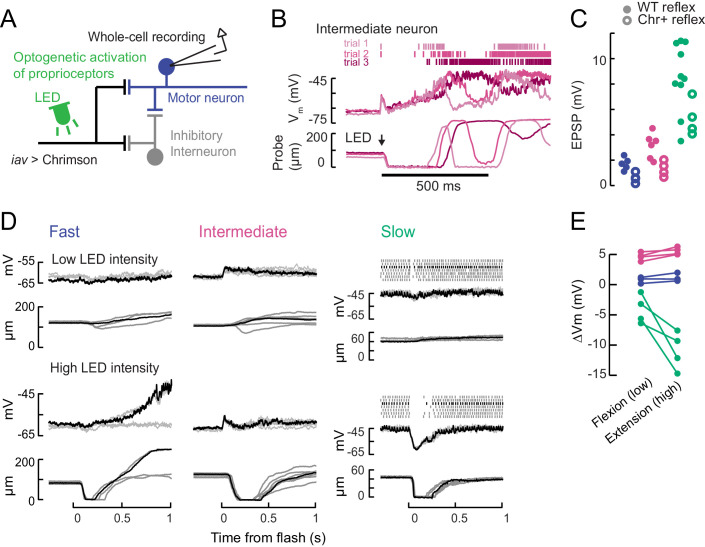
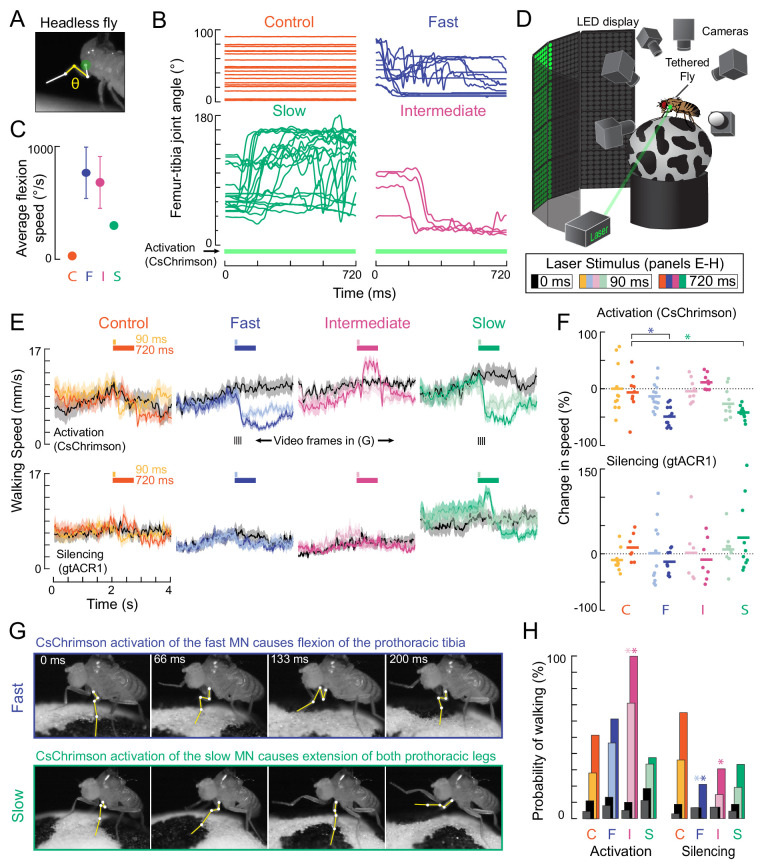
To move the body, the brain must precisely coordinate patterns of activity among diverse populations of motor neurons. Here, we use in vivo calcium imaging, electrophysiology, and behavior to understand how genetically-identified motor neurons control flexion of the fruit fly tibia. We find that leg motor neurons exhibit a coordinated gradient of anatomical, physiological, and functional properties. Large, fast motor neurons control high force, ballistic movements while small, slow motor neurons control low force, postural movements. Intermediate neurons fall between these two extremes. This hierarchical organization resembles the size principle, first proposed as a mechanism for establishing recruitment order among vertebrate motor neurons. Recordings in behaving flies confirmed that motor neurons are typically recruited in order from slow to fast. However, we also find that fast, intermediate, and slow motor neurons receive distinct proprioceptive feedback signals, suggesting that the size principle is not the only mechanism that dictates motor neuron recruitment. Overall, this work reveals the functional organization of the fly leg motor system and establishes as a tractable system for investigating neural mechanisms of limb motor control.
为了移动身体,大脑必须精确协调不同运动神经元群体的活动模式。在这里,我们使用体内钙成像、电生理学和行为学来了解基因识别的运动神经元如何控制果蝇胫骨的弯曲。我们发现腿部运动神经元表现出协调的解剖、生理和功能特性梯度。大而快速的运动神经元控制高力、弹道运动,而小而缓慢的运动神经元控制低力、姿势运动。中间神经元介于这两个极端之间。这种层次结构类似于大小原则,该原则最初被提出作为在脊椎动物运动神经元中建立募集顺序的机制。在行为果蝇中的记录证实,运动神经元通常按从慢到快的顺序募集。然而,我们还发现快速、中间和慢速运动神经元接收不同的本体感觉反馈信号,这表明大小原则不是决定运动神经元募集的唯一机制。总的来说,这项工作揭示了果蝇腿部运动系统的功能组织,并确立了 作为研究肢体运动控制神经机制的可行系统。