School of Water, Energy and Environment, Cranfield University, Cranfield, MK43 0AL, UK.
Department of Bioengineering and Imperial College Centre for Synthetic Biology, Imperial College London, London, SW7 2AZ, UK.
Microb Cell Fact. 2020 Jun 3;19(1):121. doi: 10.1186/s12934-020-01378-1.
Xylitol is a commercially important chemical with multiple applications in the food and pharmaceutical industries. According to the US Department of Energy, xylitol is one of the top twelve platform chemicals that can be produced from biomass. The chemical method for xylitol synthesis is however, expensive and energy intensive. In contrast, the biological route using microbial cell factories offers a potential cost-effective alternative process. The bioprocess occurs under ambient conditions and makes use of biocatalysts and biomass which can be sourced from renewable carbon originating from a variety of cheap waste feedstocks.
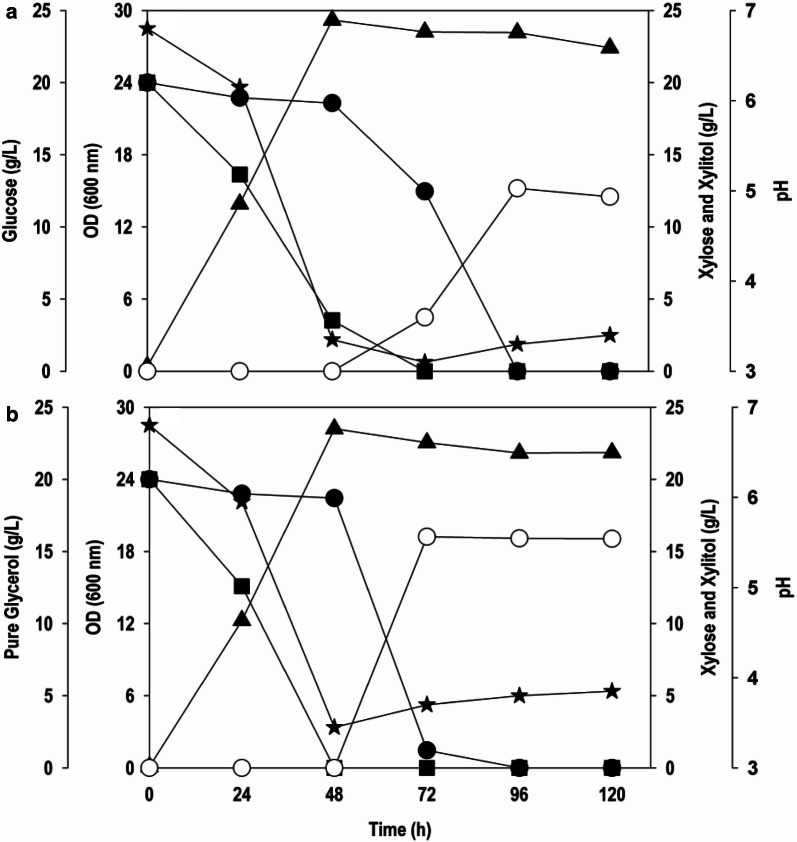
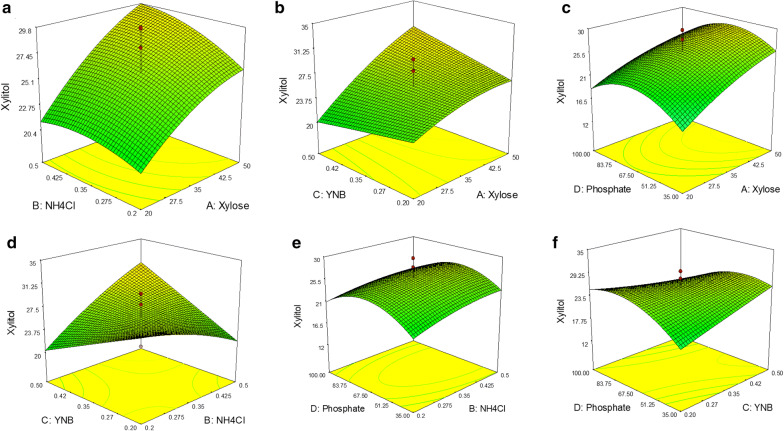
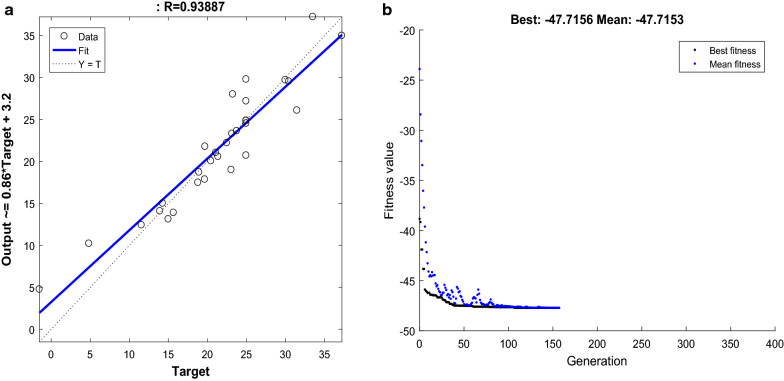
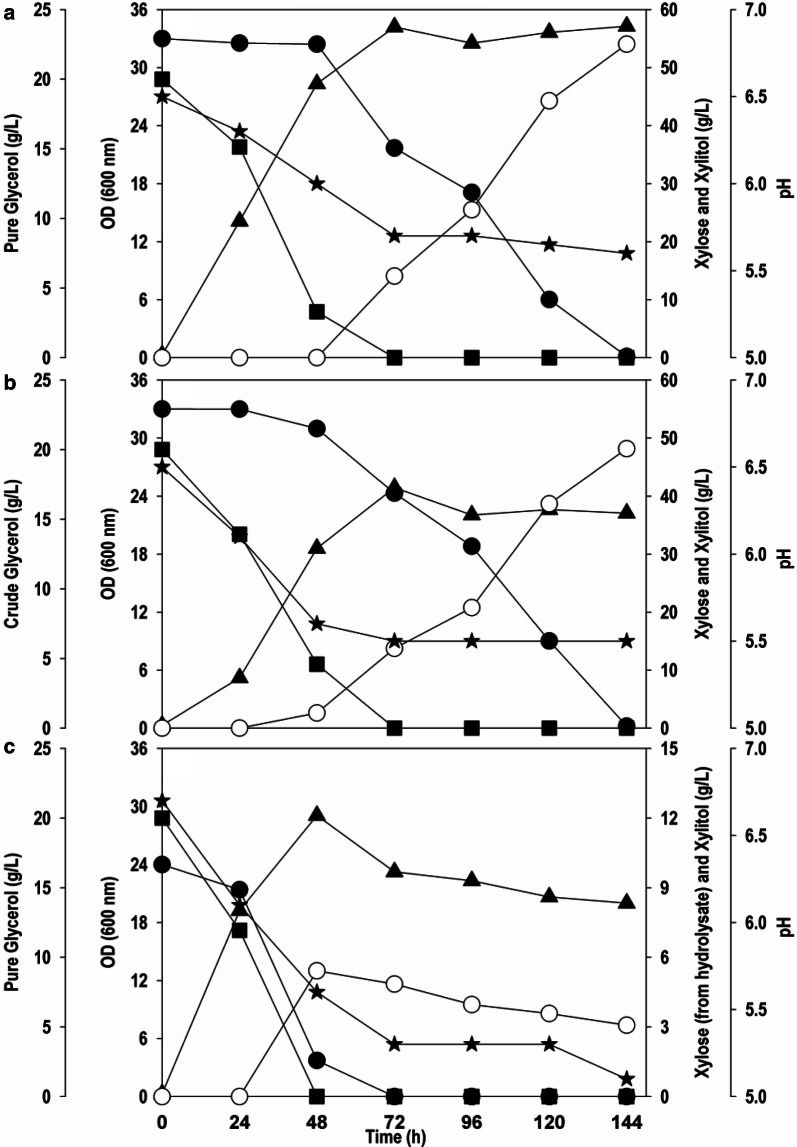
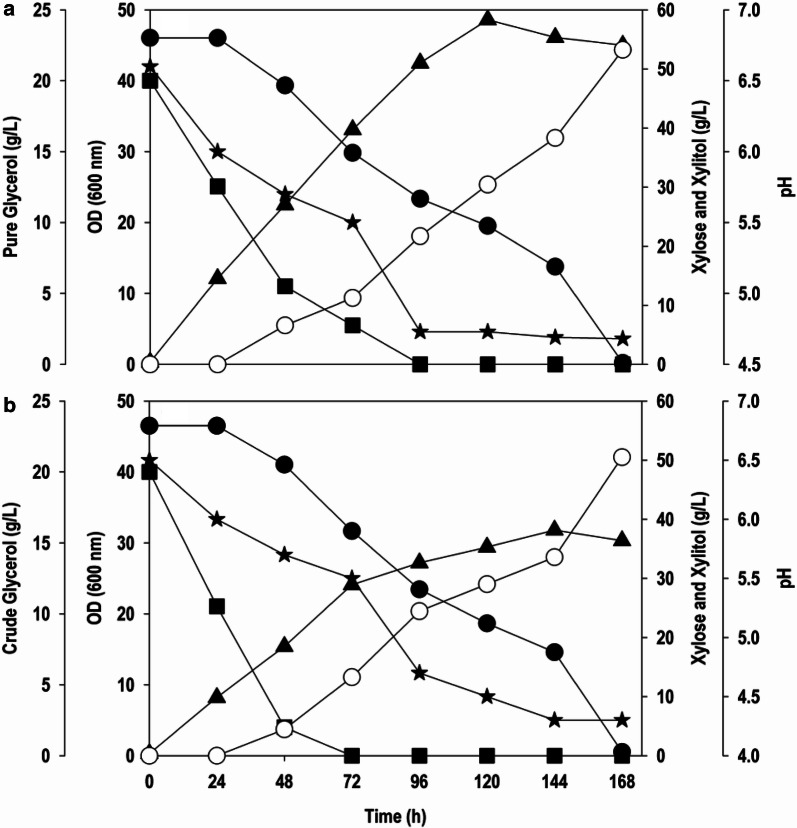
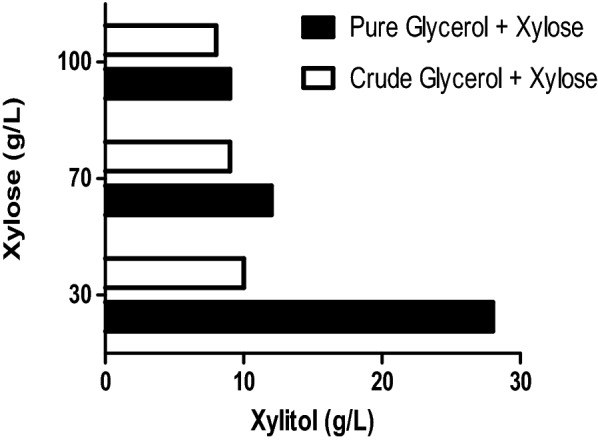
In this study, biotransformation of xylose to xylitol was investigated using Yarrowia lipolytica, an oleaginous yeast which was firstly grown on a glycerol/glucose for screening of co-substrate, followed by media optimisation in shake flask, scale up in bioreactor and downstream processing of xylitol. A two-step medium optimization was employed using central composite design and artificial neural network coupled with genetic algorithm. The yeast amassed a concentration of 53.2 g/L xylitol using pure glycerol (PG) and xylose with a bioconversion yield of 0.97 g/g. Similar results were obtained when PG was substituted with crude glycerol (CG) from the biodiesel industry (titer: 50.5 g/L; yield: 0.92 g/g). Even when xylose from sugarcane bagasse hydrolysate was used as opposed to pure xylose, a xylitol yield of 0.54 g/g was achieved. Xylitol was successfully crystallized from PG/xylose and CG/xylose fermentation broths with a recovery of 39.5 and 35.3%, respectively.
To the best of the author's knowledge, this study demonstrates for the first time the potential of using Y. lipolytica as a microbial cell factory for xylitol synthesis from inexpensive feedstocks. The results obtained are competitive with other xylitol producing organisms.
木糖醇是一种具有多种应用的商业上重要的化学品,广泛应用于食品和制药行业。根据美国能源部的说法,木糖醇是可以从生物质中生产的 12 种最重要的平台化学品之一。然而,化学方法合成木糖醇成本高且能耗大。相比之下,利用微生物细胞工厂的生物途径提供了一种有成本效益的替代工艺。该生物过程在环境条件下进行,利用生物催化剂和生物质,这些生物催化剂和生物质可以从各种廉价废物原料中可再生的碳源中获得。
在这项研究中,使用产油酵母解脂耶氏酵母将木糖生物转化为木糖醇。首先,该酵母在甘油/葡萄糖上生长,用于筛选共底物,然后在摇瓶中进行培养基优化,在生物反应器中放大,以及进行木糖醇的下游加工。采用中心复合设计和人工神经网络与遗传算法相结合的两步法对培养基进行优化。该酵母使用纯甘油(PG)和木糖积累了 53.2 g/L 的木糖醇,生物转化率为 0.97 g/g。当 PG 被生物柴油工业中的粗甘油(CG)取代时,也得到了类似的结果(浓度:50.5 g/L;产率:0.92 g/g)。即使使用甘蔗渣水解物中的木糖代替纯木糖,也可以实现 0.54 g/g 的木糖醇产率。成功地从 PG/木糖和 CG/木糖发酵液中结晶出木糖醇,回收率分别为 39.5%和 35.3%。
据作者所知,这项研究首次展示了利用解脂耶氏酵母作为微生物细胞工厂,从廉价原料合成木糖醇的潜力。所得结果与其他木糖醇生产生物具有竞争力。