University of Novi Sad, Faculty of Sciences, Department of Biology and Ecology, Trg Dositeja Obradovića 2, 21000, Novi Sad, Serbia.
Maize Research Institute, Zemun Polje, Slobodana Bajića 1, 11185, Belgrade, Serbia.
Sci Rep. 2020 Jun 3;10(1):9085. doi: 10.1038/s41598-020-65926-w.
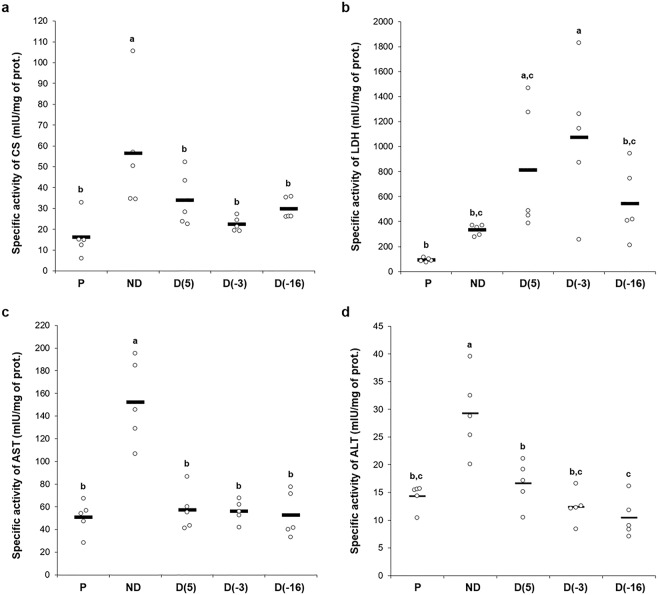
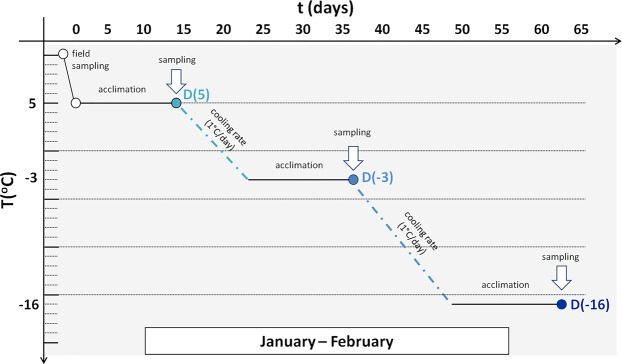
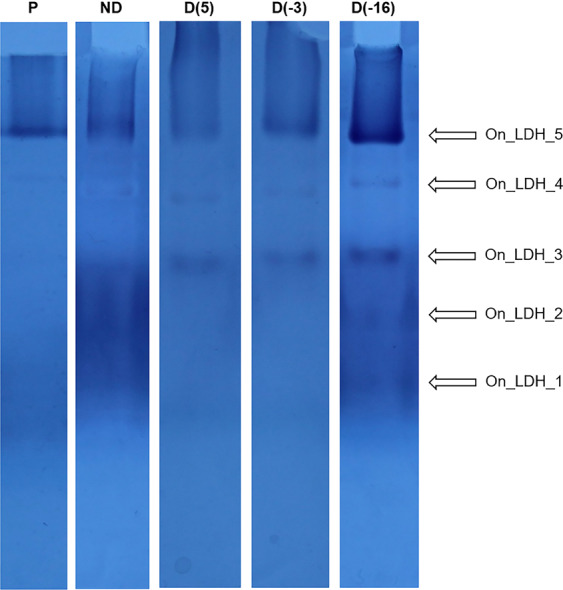
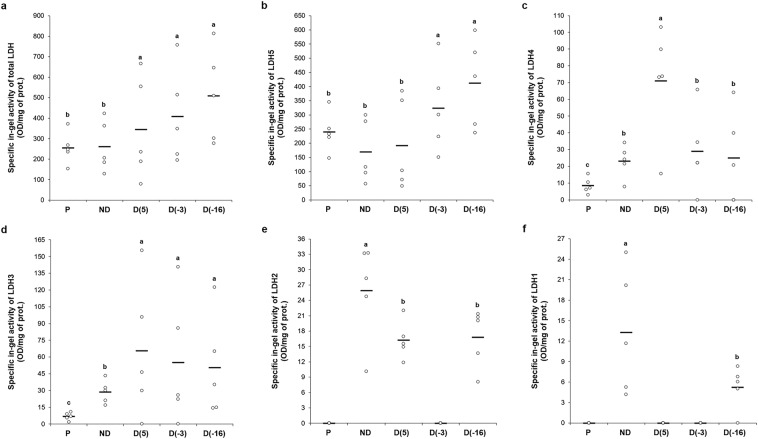
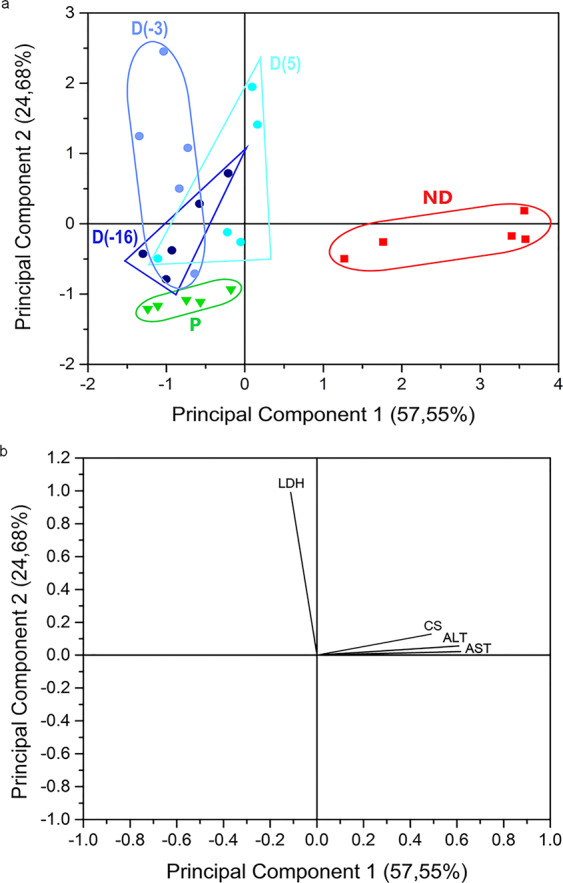
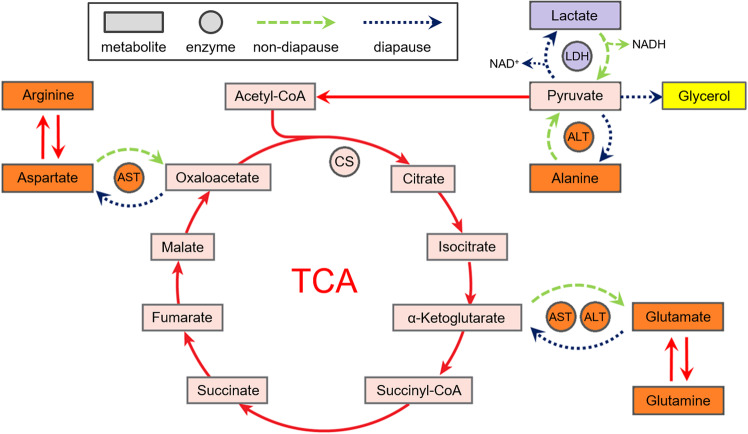
The European corn borer, Ostrinia nubilalis Hbn., is a pest Lepidopteran species whose larvae overwinter by entering diapause, gradually becoming cold-hardy. To investigate metabolic changes during cold hardening, activities of four metabolic enzymes - citrate synthase (CS), lactate dehydrogenase (LDH), alanine aminotransferase (ALT) and aspartate aminotransferase (AST) were measured in whole-body homogenates of pupae, non-diapausing and diapausing larvae acclimated to 5 °C, -3 °C and -16 °C. The highest CS activity was detected in non-diapausing larvae, reflecting active development, while the highest in vitro LDH activity was recorded in diapausing larvae at temperatures close to 0 °C, evidencing a metabolic switch towards anaerobic metabolism. However, in-gel LDH activity showed that production of pyruvate from lactate is triggered by sub-zero temperatures. The activities of both aminotransferases were highest in non-diapausing larvae. Our findings suggest that during diapause and cold hardening the aminotransferases catalyse production of L-alanine, an important cryoprotectant, and L-aspartate, which is closely tied to both transamination reactions and Krebs cycle. The results of this study indicate that, during diapause, the activity of metabolic enzymes is synchronized with exogenous factors, such as temperatures close to 0 °C. These findings support the notion that diapause is metabolically plastic and vibrant, rather than simply a passive, resting state.
欧洲玉米螟,Ostrinia nubilalis Hbn.,是一种鳞翅目害虫,其幼虫通过进入滞育来越冬,逐渐变得耐寒。为了研究冷驯化过程中的代谢变化,测量了在 5°C、-3°C 和-16°C 下适应的蛹、非滞育幼虫和滞育幼虫的全身匀浆中四种代谢酶的活性 - 柠檬酸合酶(CS)、乳酸脱氢酶(LDH)、丙氨酸转氨酶(ALT)和天冬氨酸转氨酶(AST)。非滞育幼虫中的 CS 活性最高,反映了活跃的发育,而在接近 0°C 的温度下,滞育幼虫中的体外 LDH 活性最高,表明代谢向无氧代谢发生了转变。然而,凝胶内 LDH 活性表明,丙酮酸是由乳酸产生的,这是由亚零温度触发的。两种转氨酶的活性在非滞育幼虫中最高。我们的研究结果表明,在滞育和冷驯化过程中,转氨酶催化 L-丙氨酸的产生,L-丙氨酸是一种重要的抗冻保护剂,而 L-天冬氨酸与转氨基反应和三羧酸循环密切相关。这项研究的结果表明,在滞育期间,代谢酶的活性与接近 0°C 的外部因素同步。这些发现支持了这样一种观点,即滞育是代谢可塑性和活力的,而不仅仅是一种被动的休眠状态。