Oluwadare Mopelola, Lee Margie D, Grim Christopher J, Lipp Erin K, Cheng Ying, Maurer John J
Department of Population Health, University of Georgia, Athens, GA, United States.
Department of Biomedical Sciences and Pathobiology, Virginia Polytechnic Institute and State University, Blacksburg, VA, United States.
Front Microbiol. 2020 May 15;11:949. doi: 10.3389/fmicb.2020.00949. eCollection 2020.
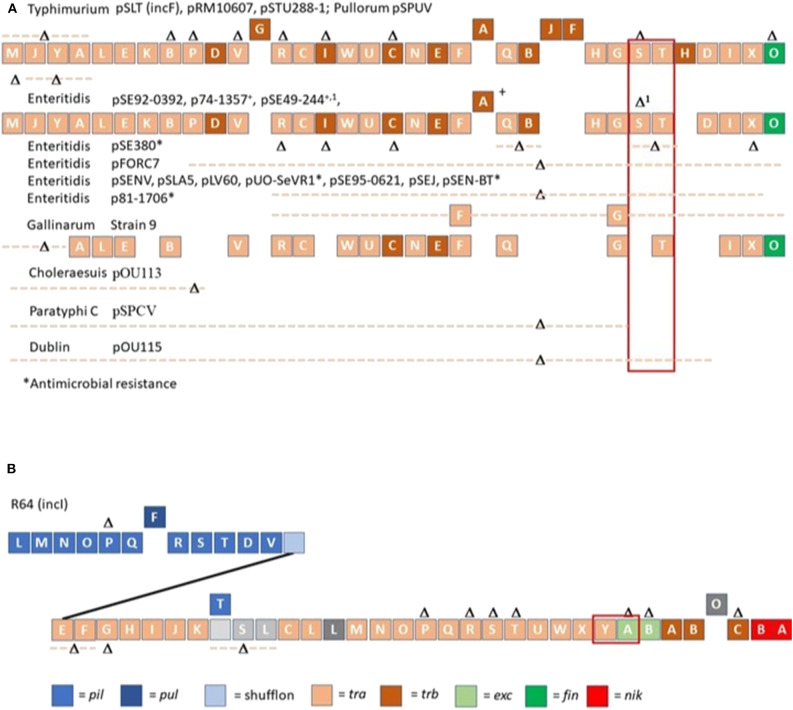
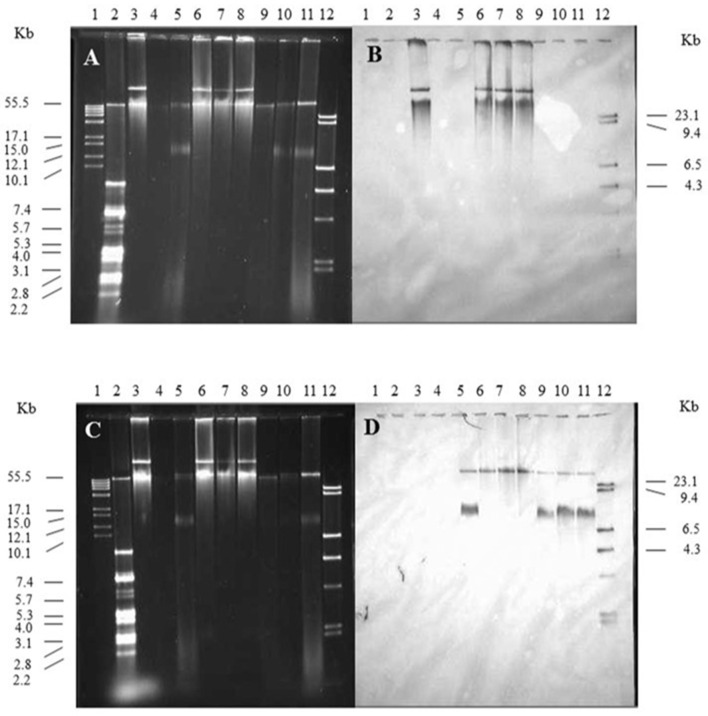
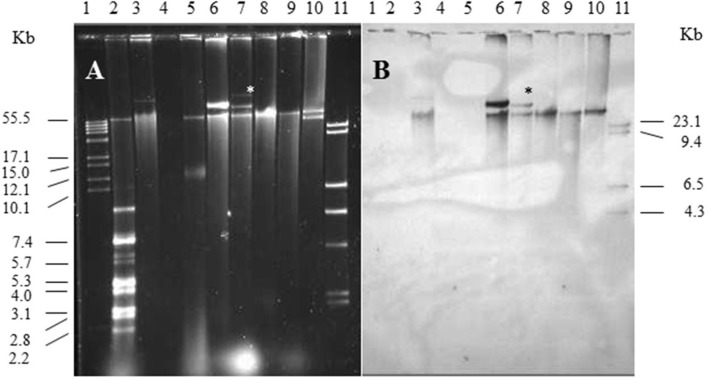
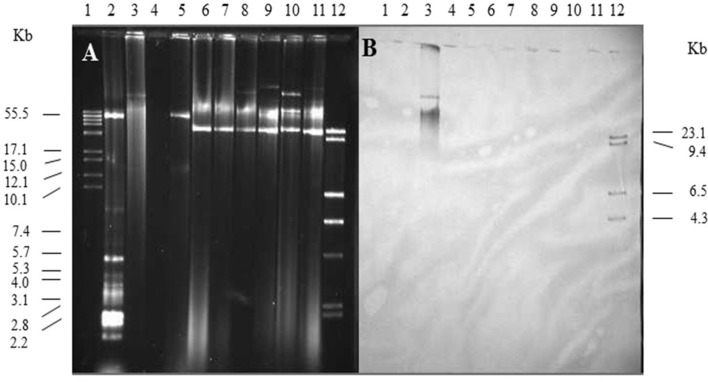
cause significant illnesses worldwide. There has been a marked increase in resistance to fluoroquinolones and β-lactams/cephalosporins, antibiotics commonly used to treat salmonellosis. However, serovars vary in their resistance to these and other antibiotics. The systemic virulence of some serovars is due to a low copy number, IncF plasmid (65-100 kb) that contains the ADP-ribosylating toxin, SpvB. This virulence plasmid is present in only nine serovars. It is possible that the -virulence plasmid excludes other plasmids and may explain why antibiotic resistance is slow to develop in certain serovars such as . Enteritidis. The distribution of plasmid entry exclusion genes / and / are variable in IncF and IncI plasmids, respectively and may account for differences in emergent antimicrobial resistance for some serovars. The goal of this study is to determine the contribution of the -virulence plasmid in F-plasmid exclusion. From conjugation experiments, . Typhimurium exhibited lower conjugation frequency with incFI and incFII plasmids when the -virulence plasmid is present. Furthermore, introduction of cloned incFI into a "plasmidless" . Typhimurium LT2 strain and DH5α excluded incFI plasmid. However, deletion of the virulence plasmid did not affect plasmid exclusion significantly compared to a control deletion. In addition, differences in F plasmid conjugation in natural isolates did not correlate with IncF or SpvB-virulence plasmid genotype. There appear to be other plasmid or chromosomal genes at play in plasmid exclusion that may be responsible for the slow development of antibiotic resistance in certain serovars.
在全球范围内引发重大疾病。对氟喹诺酮类和β-内酰胺类/头孢菌素类药物(常用于治疗沙门氏菌病的抗生素)的耐药性显著增加。然而,不同血清型对这些及其他抗生素的耐药性存在差异。某些血清型的全身毒力归因于一种低拷贝数的IncF质粒(65 - 100 kb),该质粒含有ADP - 核糖基化毒素SpvB。这种毒力质粒仅存在于9种血清型中。毒力质粒可能会排斥其他质粒,这或许可以解释为什么在某些血清型(如肠炎沙门氏菌)中抗生素耐药性发展缓慢。质粒进入排斥基因/和/在IncF和IncI质粒中的分布分别是可变的,这可能导致某些血清型在新出现的抗菌药物耐药性方面存在差异。本研究的目的是确定毒力质粒在F质粒排斥中的作用。通过接合实验,当毒力质粒存在时,鼠伤寒沙门氏菌与incFI和incFII质粒的接合频率较低。此外,将克隆的incFI导入“无质粒”的鼠伤寒沙门氏菌LT2菌株和DH5α中会排斥incFI质粒。然而,与对照缺失相比,毒力质粒缺失对质粒排斥的影响并不显著。此外,自然分离株中F质粒接合的差异与IncF或SpvB毒力质粒基因型无关。似乎还有其他质粒或染色体基因在质粒排斥中起作用,这可能是某些血清型抗生素耐药性发展缓慢的原因。