Amador Guillermo J, Wei Da, Tam Daniel, Aubin-Tam Marie-Eve
Laboratory for Aero and Hydrodynamics, Delft University of Technology, Delft, the Netherlands; Department of Bionanoscience, Kavli Institute of Nanoscience, Delft University of Technology, Delft, the Netherlands.
Department of Bionanoscience, Kavli Institute of Nanoscience, Delft University of Technology, Delft, the Netherlands.
Biophys J. 2020 Jun 16;118(12):2914-2925. doi: 10.1016/j.bpj.2020.05.003. Epub 2020 May 19.
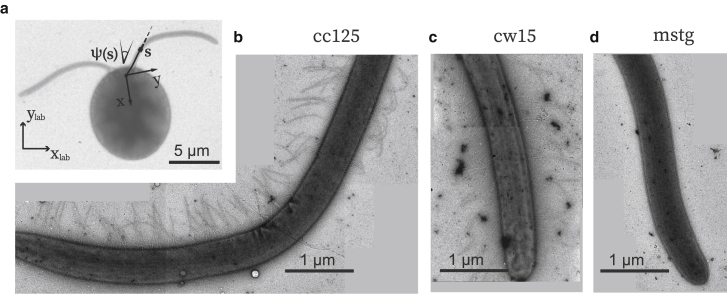
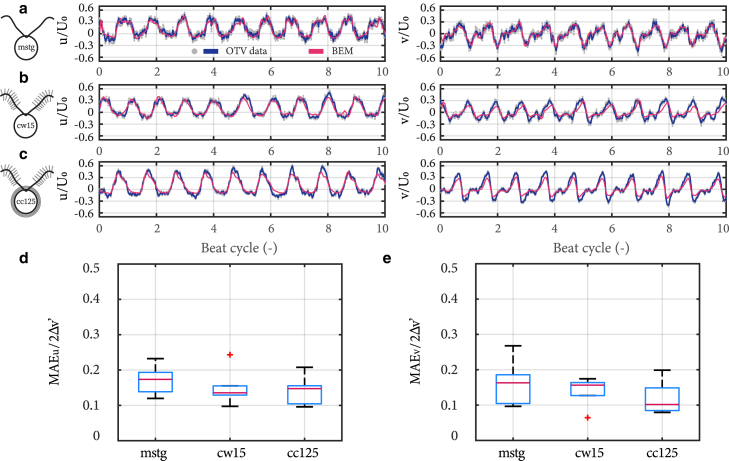
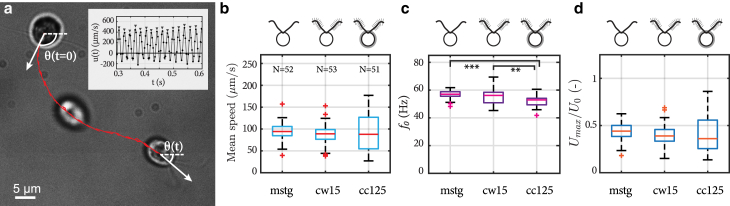
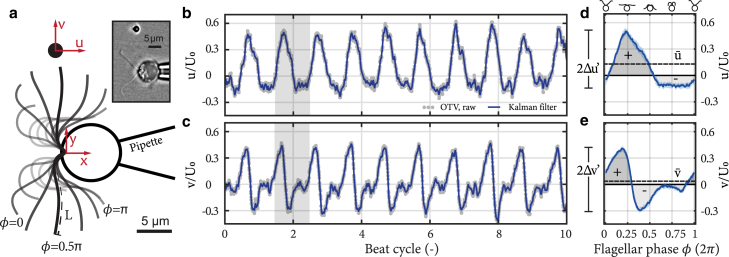
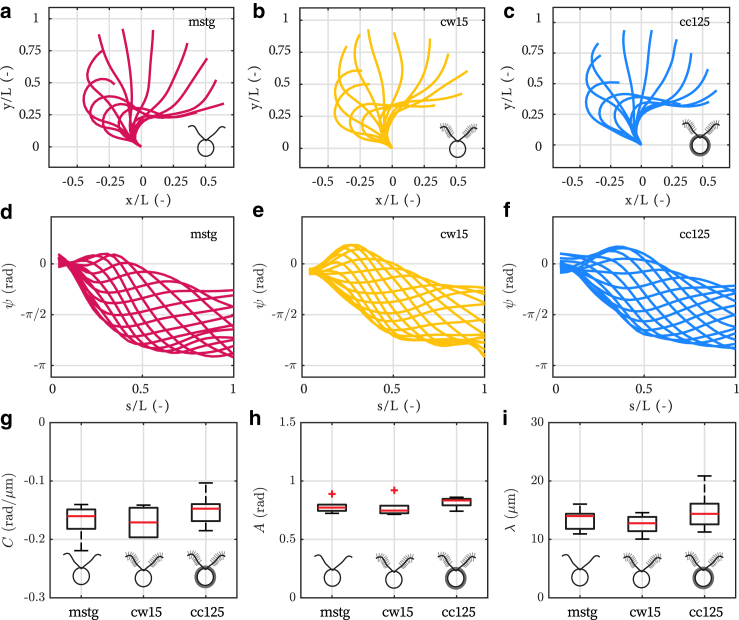
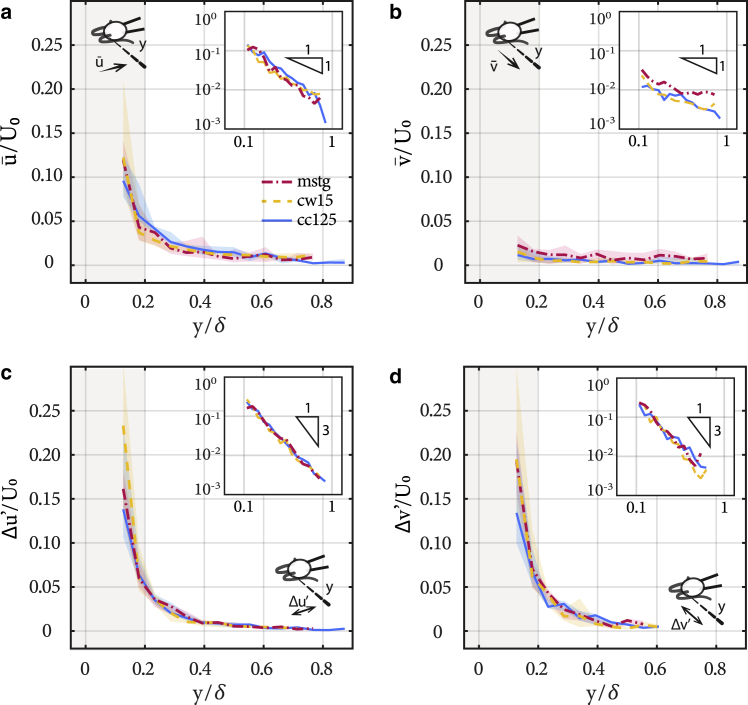
The flagella of Chlamydomonas reinhardtii possess fibrous ultrastructures of a nanometer-scale thickness known as mastigonemes. These structures have been widely hypothesized to enhance flagellar thrust; however, detailed hydrodynamic analysis supporting this claim is lacking. In this study, we present a comprehensive investigation into the hydrodynamic effects of mastigonemes using a genetically modified mutant lacking the fibrous structures. Through high-speed observations of freely swimming cells, we found the average and maximum swimming speeds to be unaffected by the presence of mastigonemes. In addition to swimming speeds, no significant difference was found for flagellar gait kinematics. After our observations of swimming kinematics, we present direct measurements of the hydrodynamic forces generated by flagella with and without mastigonemes. These measurements were conducted using optical tweezers, which enabled high temporal and spatial resolution of hydrodynamic forces. Through our measurements, we found no significant difference in propulsive flows due to the presence of mastigonemes. Direct comparison between measurements and fluid mechanical modeling revealed that swimming hydrodynamics were accurately captured without including mastigonemes on the modeled swimmer's flagella. Therefore, mastigonemes do not appear to increase the flagella's effective area while swimming, as previously thought. Our results refute the longstanding claim that mastigonemes enhance flagellar thrust in C. reinhardtii, and so, their function still remains enigmatic.
莱茵衣藻的鞭毛具有纳米级厚度的纤维超微结构,称为茸鞭。人们普遍认为这些结构可增强鞭毛推力;然而,缺乏支持这一说法的详细流体动力学分析。在本研究中,我们使用缺乏纤维结构的基因改造突变体,对茸鞭的流体动力学效应进行了全面研究。通过对自由游动细胞的高速观察,我们发现茸鞭的存在并不影响平均和最大游动速度。除了游动速度外,鞭毛步态运动学也没有显著差异。在观察了游动运动学之后,我们对有茸鞭和无茸鞭的鞭毛产生的流体动力进行了直接测量。这些测量是使用光镊进行的,光镊能够实现流体动力的高时间和空间分辨率。通过我们的测量,我们发现由于茸鞭的存在,推进流没有显著差异。测量结果与流体力学模型的直接比较表明,在模拟游泳者的鞭毛上不包括茸鞭时,能够准确捕捉游泳流体动力学。因此,茸鞭在游动时似乎不会像之前认为的那样增加鞭毛的有效面积。我们的结果反驳了长期以来认为茸鞭可增强莱茵衣藻鞭毛推力的说法,因此,它们的功能仍然是个谜。