School of Psychology, Philosophy & Language Sciences, The University of Edinburgh, Edinburgh, UK
School of Psychology, Philosophy & Language Sciences, The University of Edinburgh, Edinburgh, UK.
BMJ Open. 2020 Jun 4;10(6):e035021. doi: 10.1136/bmjopen-2019-035021.
Recent evidence has implicated the precuneus of the medial parietal lobe as one of the first brain areas to show pathological changes in Alzheimer's disease (AD). Damage to the precuneus through focal brain injury is associated with impaired visually guided reaching, particularly for objects in peripheral vision. This raises the hypothesis that peripheral misreaching may be detectable in patients with prodromal AD. The aim of this study is to assess the frequency and severity of peripheral misreaching in patients with mild cognitive impairment (MCI) and AD.
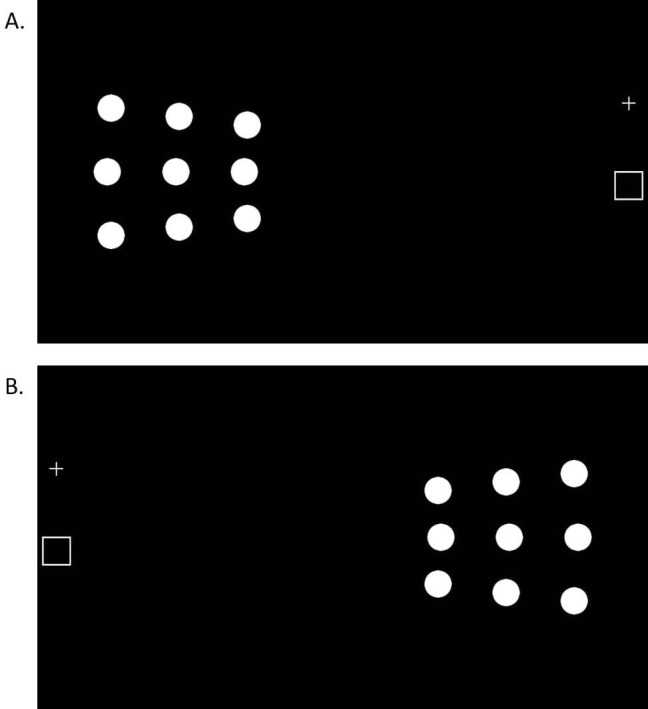
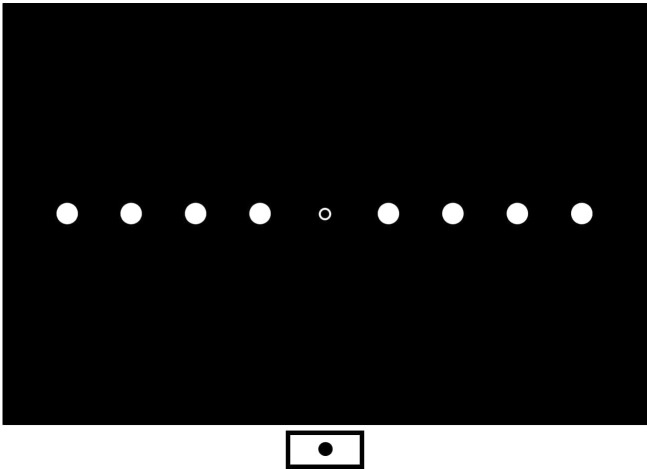
Patients presenting with amnestic MCI, mild-to-moderate AD and healthy older-adult controls will be tested (target N=24 per group). Peripheral misreaching will be assessed using two set-ups: a tablet-based task of lateral reaching and motion-tracked radial reaching (in depth). There are two versions of each task, one where participants can look directly at targets (free reaching), another wheren they must maintain central fixation (peripheral reaching). All tasks will be conducted first on their dominant, and then their non-dominant side. For each combination of task and side, a Peripheral Misreaching Index (PMI) will be calculated as the increase in absolute reaching error between free and peripheral reaching. Each patient will be classified as showing peripheral misreaching if their PMI is significantly abnormal, by comparison to control performance, on either side of space. We will then test whether the frequency of peripheral misreaching exceeds the chance level in each patient group and compare the overall severity of misreaching between groups.
Ethical approval was provided by the National Health Service (NHS) East of England, Cambridge Central Research Ethics Committee (REC 19/EE/0170). The results of this study will be published in a peer-reviewed journal and presented at academic conferences.
最近的证据表明,内侧顶叶的楔前叶是最早出现阿尔茨海默病(AD)病理变化的大脑区域之一。通过局灶性脑损伤对楔前叶的损伤与视觉引导的伸手障碍有关,特别是对于周边视野中的物体。这就提出了一个假设,即前驱 AD 患者可能存在外周伸手错误。本研究的目的是评估轻度认知障碍(MCI)和 AD 患者外周伸手错误的频率和严重程度。
将对出现遗忘型 MCI、轻度至中度 AD 和健康老年对照的患者进行测试(每组目标 N=24)。将使用两种设置评估外周伸手错误:基于平板电脑的横向伸手任务和运动跟踪的放射状伸手(深度)。每个任务都有两个版本,一个是参与者可以直接看目标的(自由伸手),另一个是他们必须保持中央注视的(外周伸手)。所有任务都将首先在他们的优势侧进行,然后在非优势侧进行。对于每个任务和侧的组合,将计算外周伸手错误指数(PMI),作为自由和外周伸手之间绝对伸手误差的增加。如果患者的 PMI 在任一侧的空间与对照组相比明显异常,则将其归类为出现外周伸手错误。然后,我们将测试每个患者组中出现外周伸手错误的频率是否超过机会水平,并比较组间的总体伸手错误严重程度。
东英格兰 NHS、剑桥中央研究伦理委员会(REC 19/EE/0170)已批准本伦理研究。本研究的结果将发表在同行评议的期刊上,并在学术会议上发表。