Chan Kit Man, Gleadle Jonathan, Li Jordan, Vasilev Krasimir, MacGregor Melanie
School of Engineering, UniSA STEM, University of South Australia, Mawson Lakes, SA 5095, Australia.
Department of Renal Medicine, Flinders Medical Centre, Bedford Park, SA 5042, Australia.
Diagnostics (Basel). 2020 Jun 8;10(6):383. doi: 10.3390/diagnostics10060383.
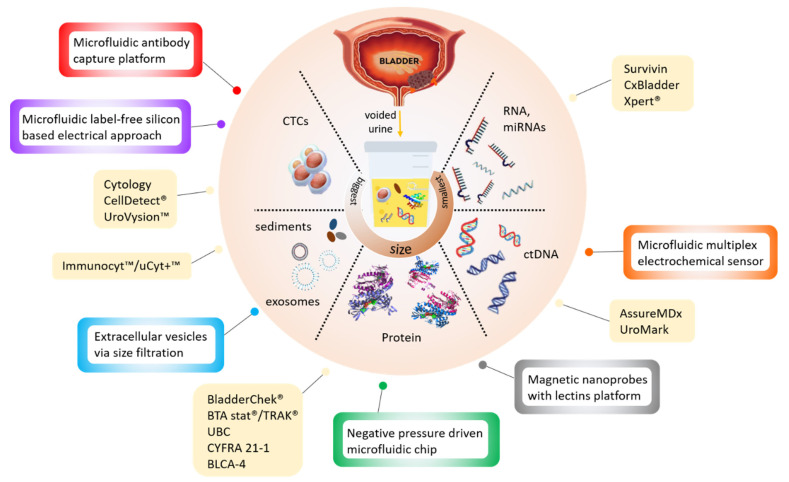
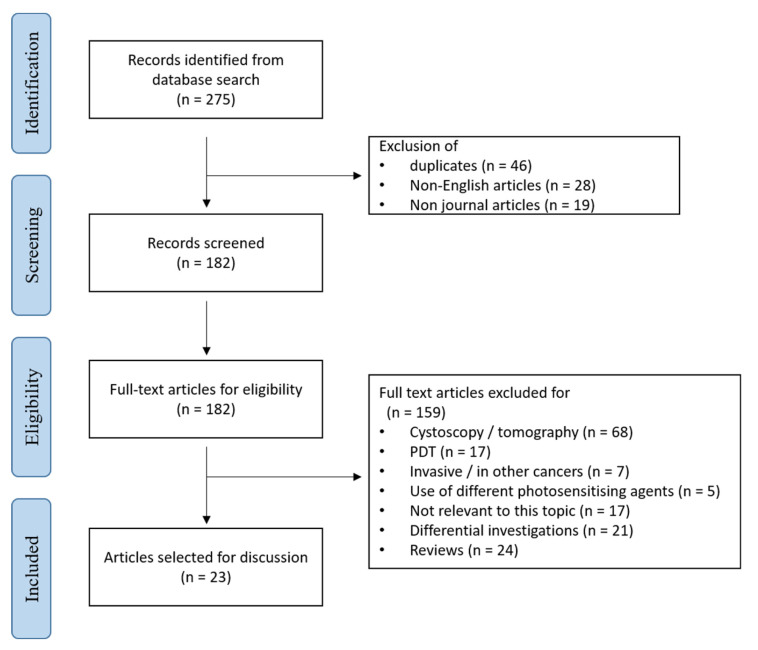
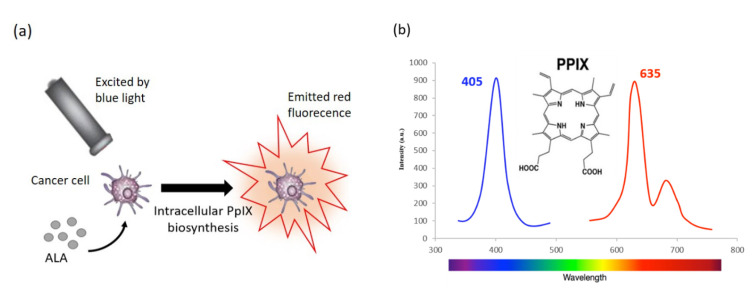
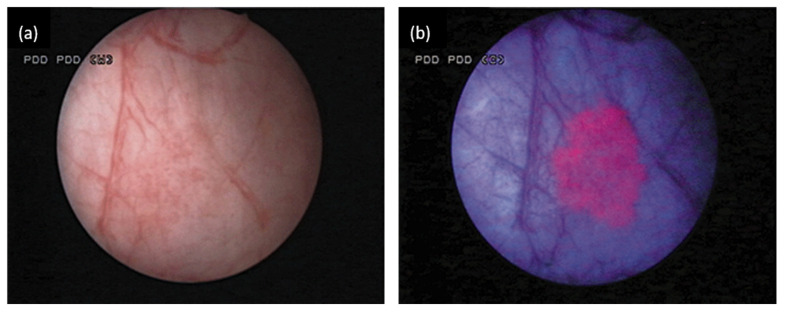
Blue light cystoscopy (BLC) is the most recent clinical approach in the detection and diagnosis of bladder cancer, a common type of cancer with a high rate of recurrence. Representing a significant advance over previous approaches, this photodynamic diagnostic technique uses a photosensitiser prodrug as an adjunct to white light cystoscopy to enhance the in vivo detection of malignant tissues in the bladder based on their distinctive fluorescence. Whilst it does improve detection rates, BLC remains an invasive and costly procedure. Meanwhile, a variety of noninvasive urine detection methods and related microdevices have been developed, none of which have yet entered routine clinical use due to unsatisfactory sensitivity. Following a brief description of the current approaches and their limitations, we provide here a systematic review of a newer niche research aiming to develop a noninvasive adaptation of photodynamic diagnosis. The research to date surrounding the ex situ use of photosensitiser prodrugs for urinary diagnosis of bladder cancer is also discussed.
蓝光膀胱镜检查(BLC)是检测和诊断膀胱癌的最新临床方法,膀胱癌是一种常见的癌症,复发率很高。作为一种比以前的方法有显著进步的光动力诊断技术,它使用一种光敏前体药物作为白光膀胱镜检查的辅助手段,基于膀胱内恶性组织独特的荧光来增强其在体内的检测。虽然它确实提高了检测率,但BLC仍然是一种侵入性且昂贵的程序。与此同时,已经开发出了多种非侵入性尿液检测方法和相关微型设备,但由于灵敏度不尽如人意,这些方法均尚未进入常规临床应用。在简要描述了当前方法及其局限性之后,我们在此对旨在开发光动力诊断非侵入性应用的一项较新的小众研究进行系统综述。还讨论了迄今为止围绕光敏前体药物在膀胱癌尿液诊断中的异位应用的研究。