Department of Chemistry and Molecular Biology, The University of Gothenburg, SE-412 96 Göteborg, Sweden.
School of Chemistry, The University of Sydney, NSW 2006, Australia.
Molecules. 2020 Jun 8;25(11):2667. doi: 10.3390/molecules25112667.
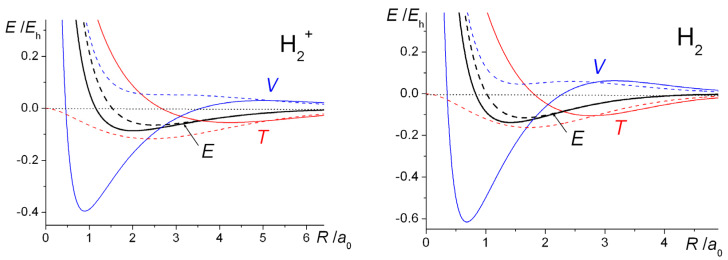
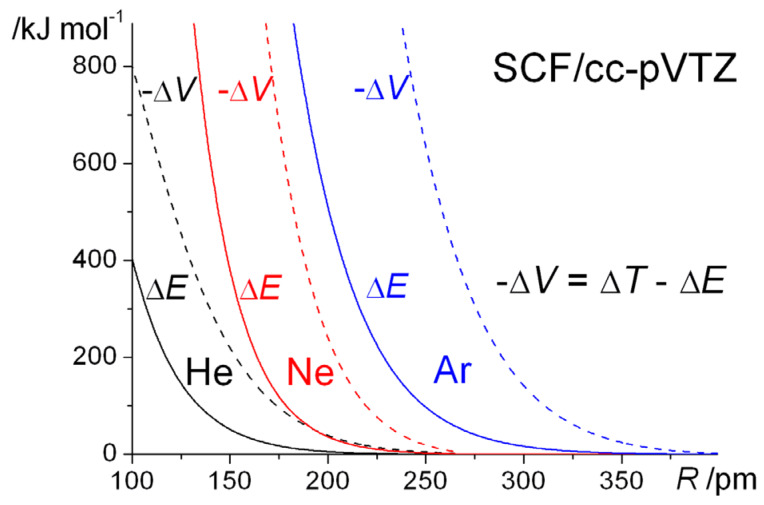
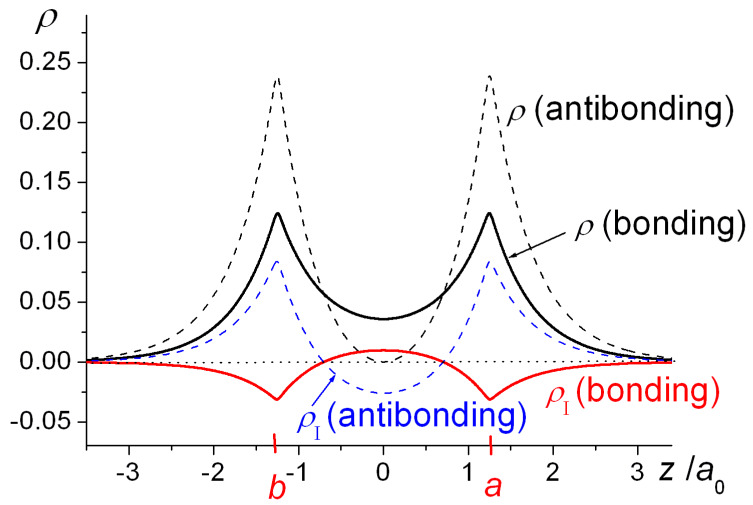
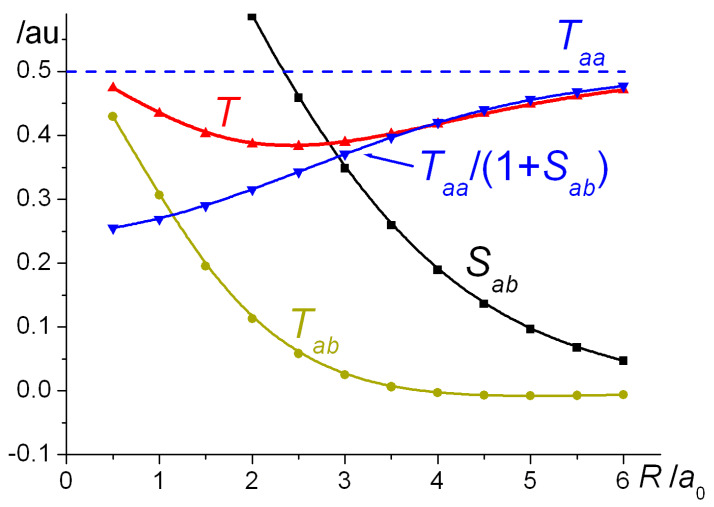
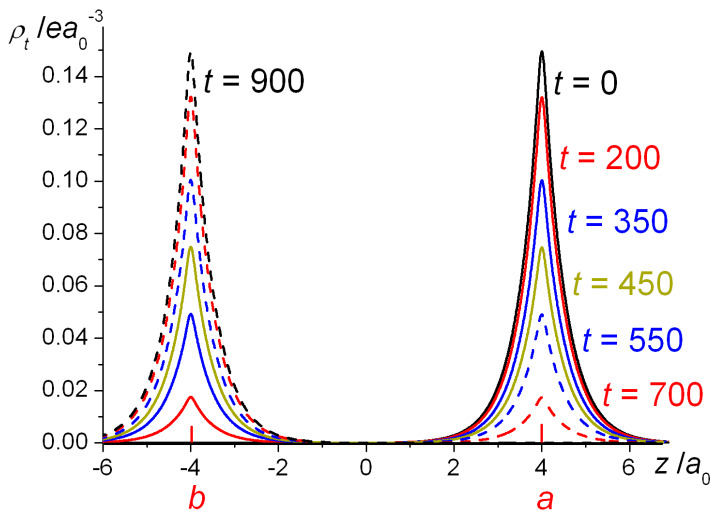
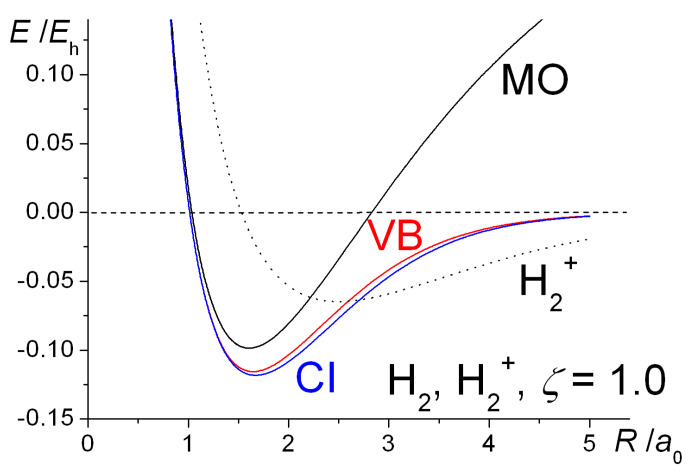
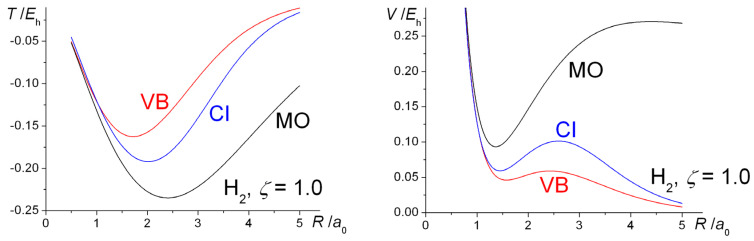
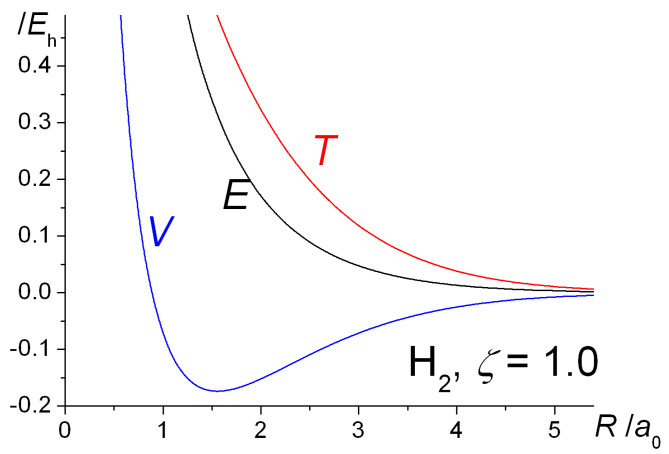
We address the paradoxical fact that the concept of a covalent bond, a cornerstone of chemistry which is well resolved computationally by the methods of quantum chemistry, is still the subject of debate, disagreement, and ignorance with respect to its physical origin. Our aim here is to unify two seemingly different explanations: one in terms of energy, the other dynamics. We summarize the mechanistic bonding models and the debate over the last 100 years, with specific applications to the simplest molecules: H and H. In particular, we focus on the bonding analysis of Hellmann (1933) that was brought into modern form by Ruedenberg (from 1962 on). We and many others have helped verify the validity of the Hellmann-Ruedenberg proposal that a decrease in kinetic energy associated with interatomic delocalization of electron motion is the key to covalent bonding but contrary views, confusion or lack of understanding still abound. In order to resolve this impasse we show that quantum mechanics affords us a complementary dynamical perspective on the bonding mechanism, which agrees with that of Hellmann and Ruedenberg, while providing a direct and unifying view of atomic reactivity, molecule formation and the basic role of the kinetic energy, as well as the important but secondary role of electrostatics, in covalent bonding.
我们探讨了一个自相矛盾的事实,即尽管化学键的概念是化学的基石,量子化学方法在计算上很好地解决了这个问题,但它的物理起源仍然是争议、分歧和无知的主题。我们在这里的目的是统一两个看似不同的解释:一个是能量方面,另一个是动力学方面。我们总结了机械成键模型和过去 100 年的争论,特别应用于最简单的分子:H 和 H。特别是,我们关注 Hellmann(1933 年)的键合分析,Ruedenberg(从 1962 年开始)将其形式化。我们和许多其他人帮助验证了 Hellmann-Ruedenberg 提议的有效性,即与原子间电子运动离域相关的动能降低是共价键的关键,但仍然存在相反的观点、混淆或缺乏理解。为了解决这个僵局,我们表明量子力学为我们提供了一个关于成键机制的互补动力学观点,该观点与 Hellmann 和 Ruedenberg 的观点一致,同时提供了原子反应性、分子形成以及动能的基本作用的直接统一观点,以及静电学在共价键中的重要但次要作用。