Division of Pulmonary, Allergy, and Critical Care Medicine, Department of Medicine, University of Pittsburgh School of Medicine, Pittsburgh, Pa.
Pulmonary, Critical Care and Sleep Medicine, Yale School of Medicine, New Haven, Conn.
J Allergy Clin Immunol. 2020 Aug;146(2):315-324.e7. doi: 10.1016/j.jaci.2020.05.051. Epub 2020 Jun 10.
More than 300 million people carry a diagnosis of asthma, with data to suggest that they are at a higher risk for infection or adverse outcomes from severe acute respiratory syndrome coronavirus 2. Asthma is remarkably heterogeneous, and it is currently unclear how patient-intrinsic factors may relate to coronavirus disease 2019.
We sought to identify and characterize subsets of patients with asthma at increased risk for severe acute respiratory syndrome coronavirus 2 infection.
Participants from 2 large asthma cohorts were stratified using clinically relevant parameters to identify factors related to angiotensin-converting enzyme-2 (ACE2) expression within bronchial epithelium. ACE-2-correlated gene signatures were used to interrogate publicly available databases to identify upstream signaling events and novel therapeutic targets.
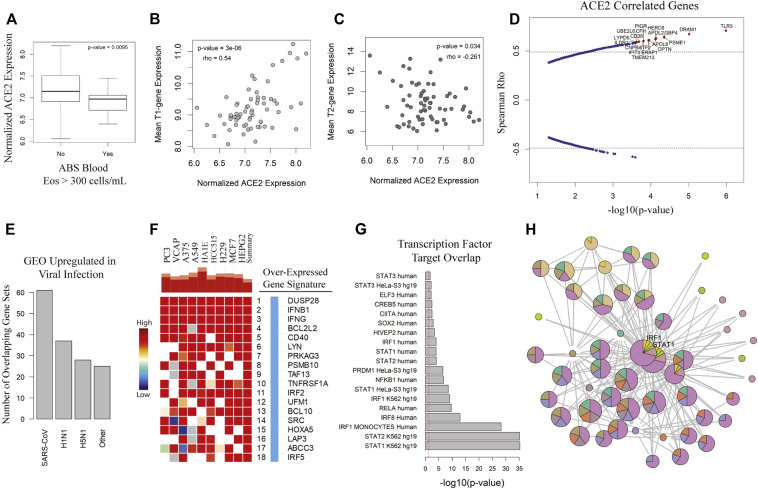
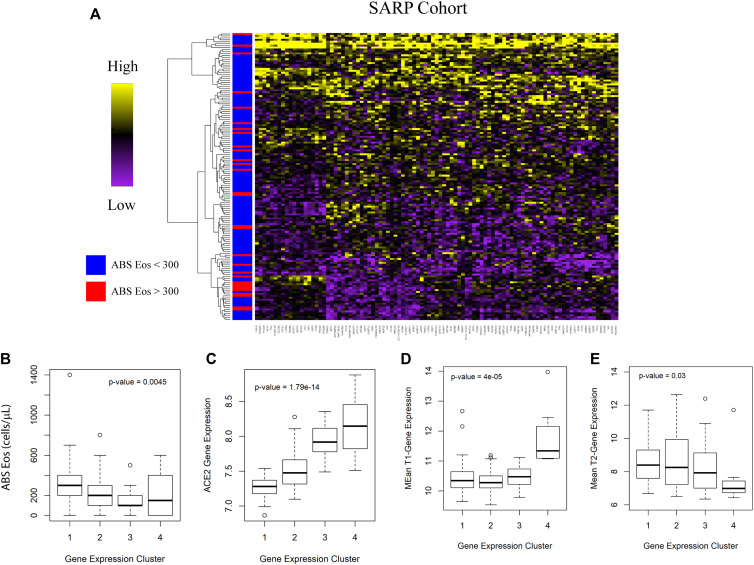
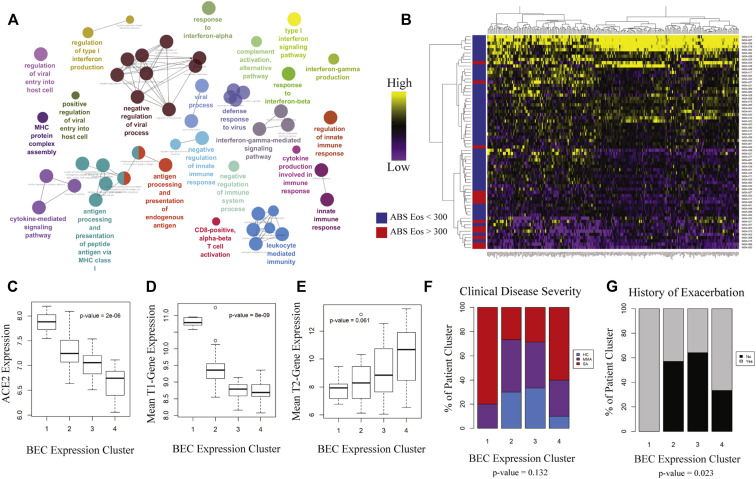
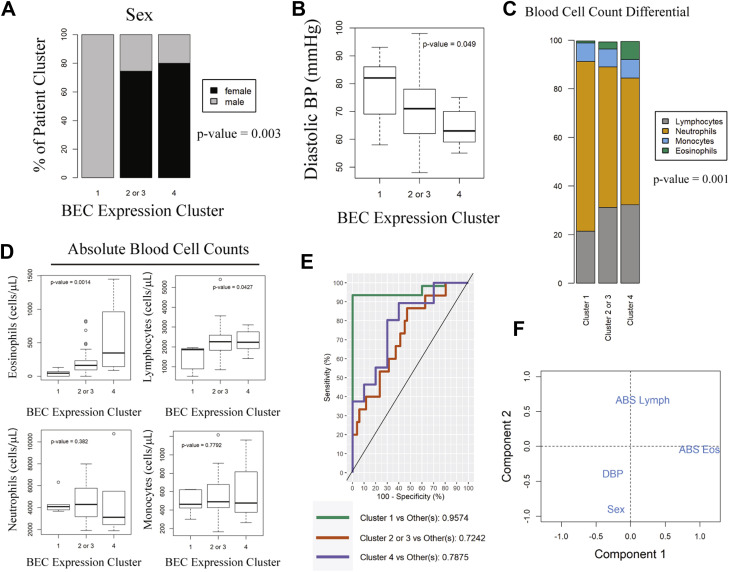
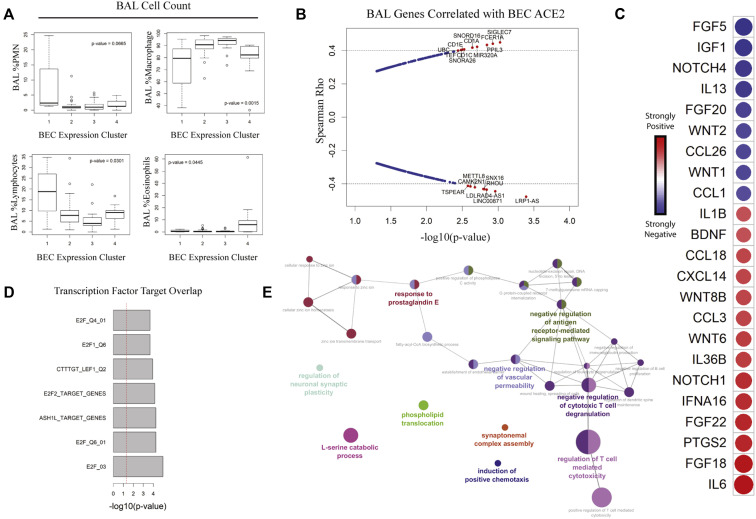
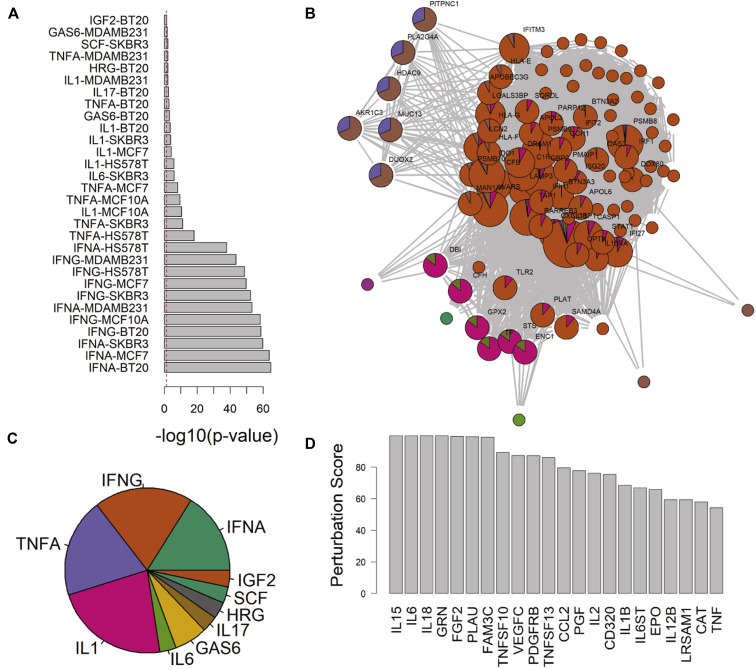
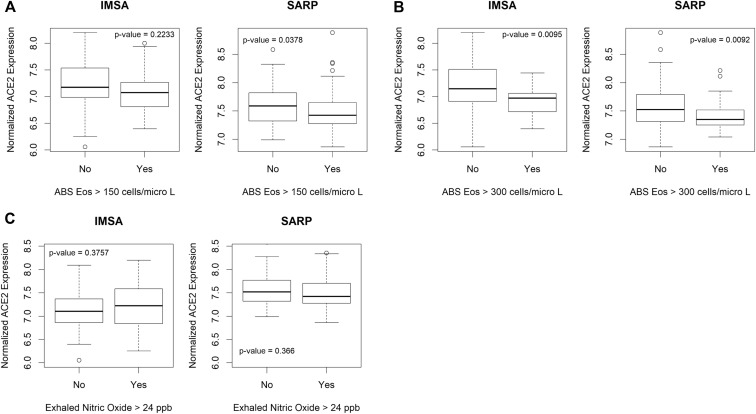
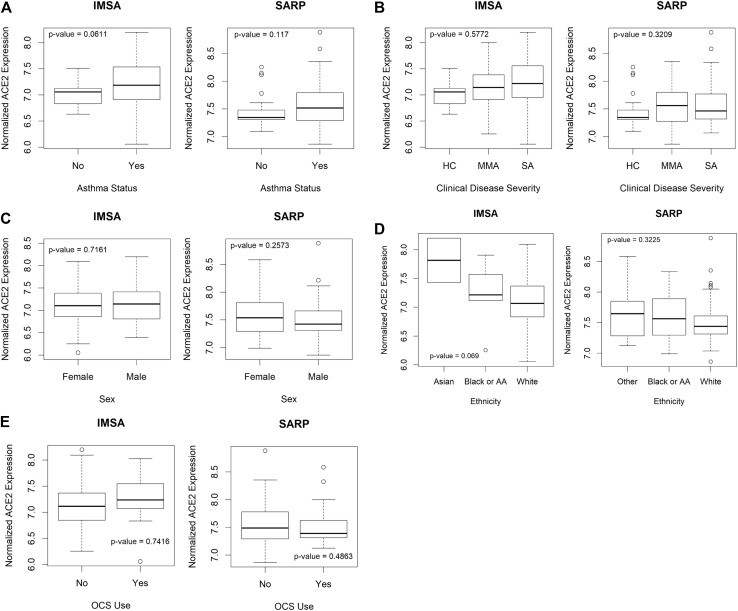
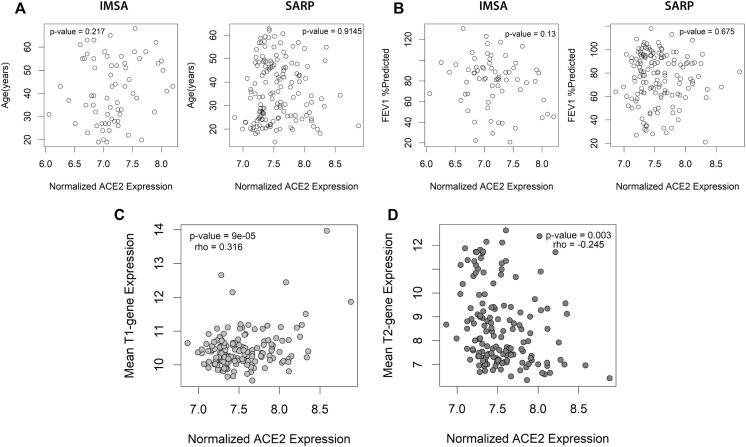
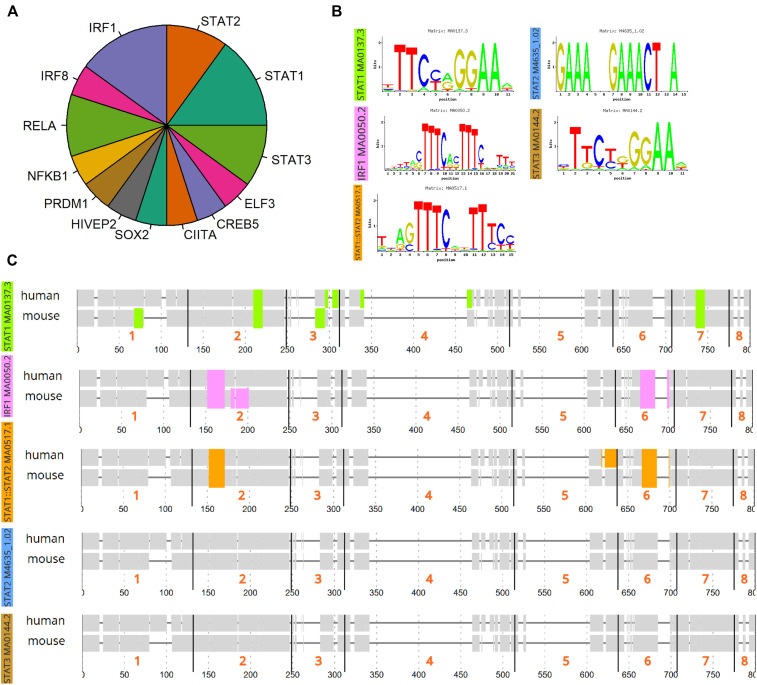
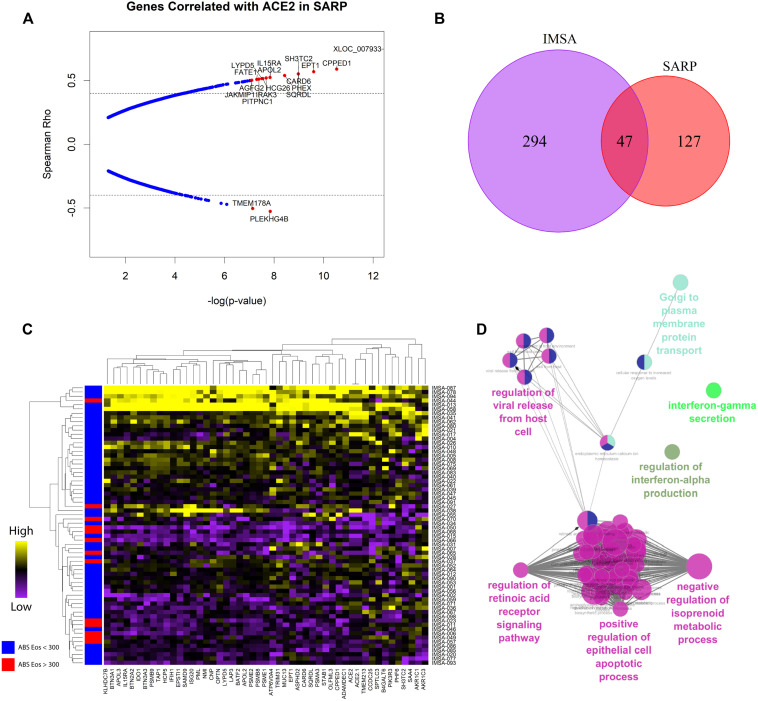
Stratifying by type 2 inflammatory biomarkers, we identified subjects who demonstrated low peripheral blood eosinophils accompanied by increased expression of the severe acute respiratory syndrome coronavirus 2 receptor ACE2 in bronchial epithelium. Genes highly correlated with ACE2 overlapped with type 1 and 2 IFN signatures, normally induced by viral infections. T-cell recruitment and activation within bronchoalveolar lavage cells of ACE2-high subjects was reciprocally increased. These patients demonstrated characteristics corresponding to risk factors for severe coronavirus disease 2019, including male sex, history of hypertension, low peripheral blood, and elevated bronchoalveolar lavage lymphocytes.
ACE2 expression is linked to upregulation of viral response genes in a subset of type 2-low patients with asthma with characteristics resembling known risk factors for severe coronavirus disease 2019. Therapies targeting the IFN family and T-cell-activating factors may therefore be of benefit in a subset of patients.
超过 3 亿人被诊断患有哮喘,有数据表明他们感染严重急性呼吸综合征冠状病毒 2 或由此产生不良后果的风险更高。哮喘表现出明显的异质性,目前尚不清楚患者内在因素如何与 2019 年冠状病毒病相关。
我们试图确定并描述哮喘患者亚组,这些患者感染严重急性呼吸综合征冠状病毒 2 的风险增加。
使用临床相关参数对来自 2 个大型哮喘队列的参与者进行分层,以确定与支气管上皮细胞中血管紧张素转换酶-2(ACE2)表达相关的因素。使用 ACE-2 相关基因特征来研究公开可用的数据库,以识别上游信号事件和新的治疗靶点。
通过 2 型炎症生物标志物进行分层,我们确定了外周血嗜酸性粒细胞水平较低但支气管上皮细胞中严重急性呼吸综合征冠状病毒 2 受体 ACE2 表达增加的患者。与 ACE2 高度相关的基因与 1 型和 2 型 IFN 特征重叠,这些特征通常由病毒感染诱导。ACE2 高表达患者的支气管肺泡灌洗液中的 T 细胞募集和激活也相应增加。这些患者表现出与 2019 年冠状病毒病严重病例相关的风险因素特征,包括男性、高血压史、外周血低和支气管肺泡灌洗液淋巴细胞升高。
ACE2 的表达与哮喘中 2 型低表达患者的病毒反应基因上调有关,这些患者具有与 2019 年冠状病毒病严重病例已知风险因素相似的特征。因此,针对 IFN 家族和 T 细胞激活因子的治疗方法可能对一部分患者有益。